Germany
Föderalismus Meets Code: A Nation of Smart City Experiments
Germany does not have one smart city story — it has dozens. In a country of 84.5 million people spread across sixteen federal states (Länder), each with its own constitution, government, and fierce sense of local identity, the path to urban intelligence runs not through a single national command centre but through a sprawling network of municipal labs, federal funding programmes, and civic initiatives that together form one of Europe's most ambitious — and most decentralised — smart city landscapes.
The numbers tell part of the story. Since 2019, the German Federal Ministry of Housing, Urban Development and Building (BMWSB) has invested €820 million into 73 Model Projects Smart Cities — municipalities selected as "experimental sites for integrated urban development." From Berlin's participatory digital strategy to Hamburg's port logistics intelligence, from Munich's industry-driven innovation campus to a tiny village in North Rhine-Westphalia building its own flood warning system, the programme reflects a deliberate bet on diversity: the idea that smart city solutions must be invented locally and then shared nationally.
The foundation was laid in 2017, when the National Dialogue Platform Smart Cities published the Smart City Charta — a set of guidelines framing digitalisation not as a technology project but as a vehicle for sustainable, inclusive urban development. The Charta remains the intellectual backbone of German smart city policy, insisting that digital transformation in municipalities must be shaped sustainably — nachhaltig gestalten.
Where the Federal Government Funds and the Mayors Decide
Germany's smart city governance is shaped by its constitutional DNA. Cities and municipalities enjoy strong self-governance (kommunale Selbstverwaltung), meaning the federal government can fund and inspire, but it cannot dictate. The BMWSB coordinates the Smart City Dialogue, a platform connecting politics, administration, business, science, and civil society. The KfW development bank administers the funding. But the actual strategies — and the hard choices about data governance, procurement, and citizen engagement — are made in city halls.
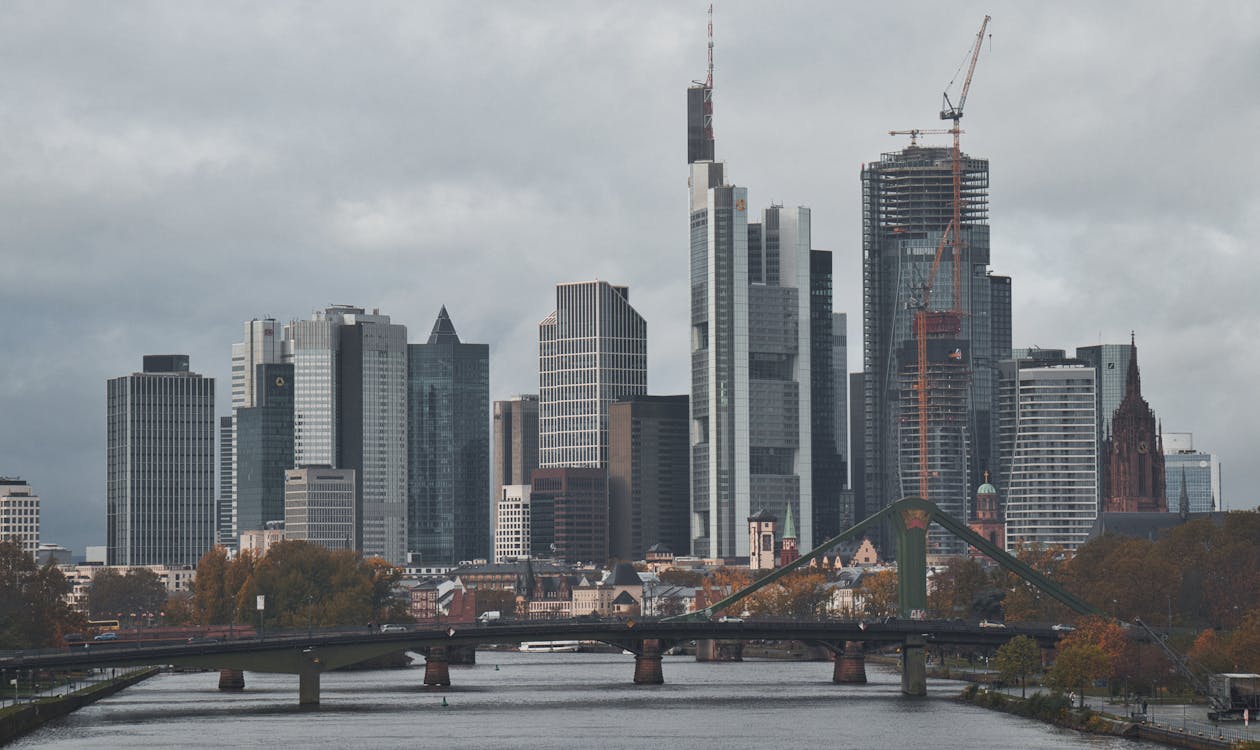
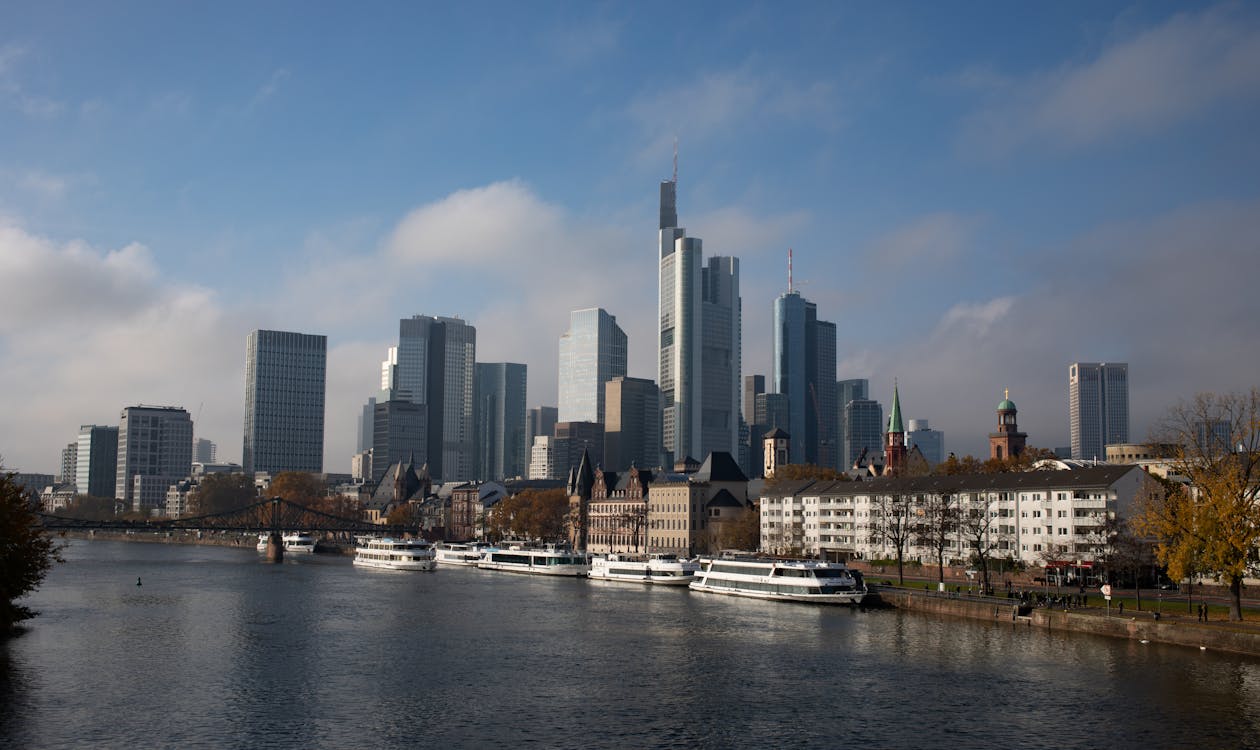
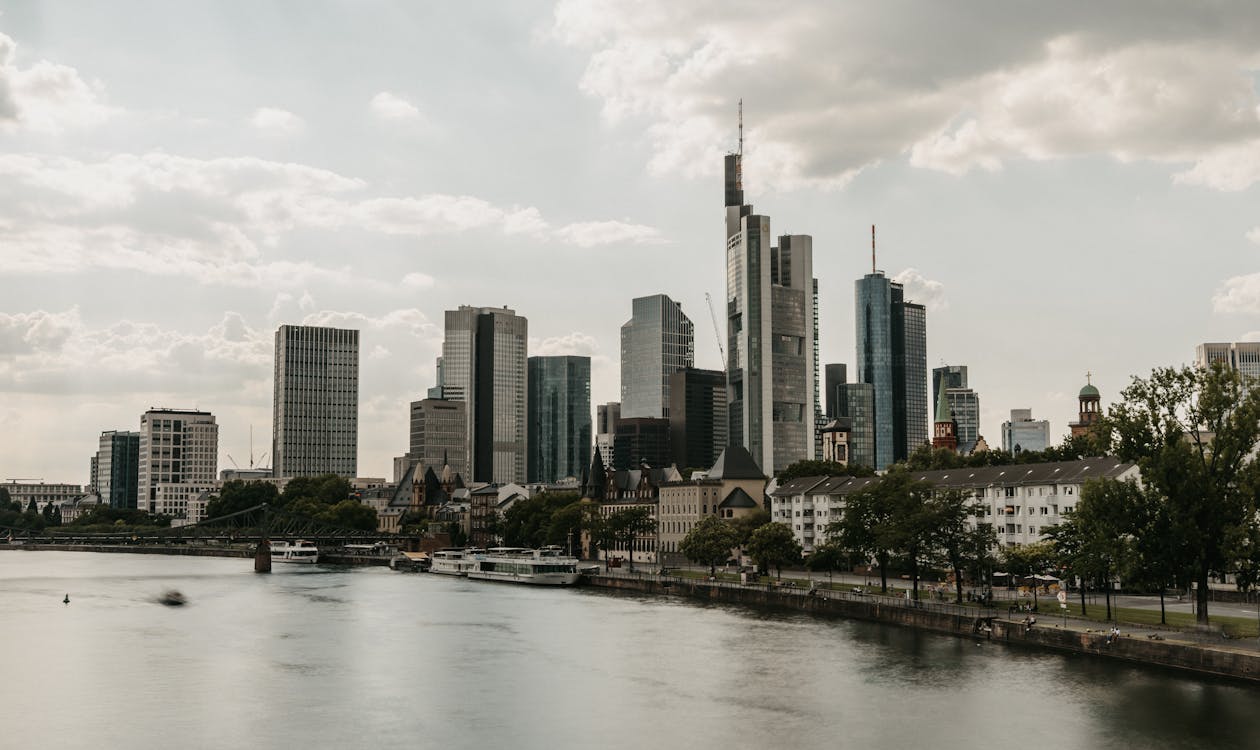
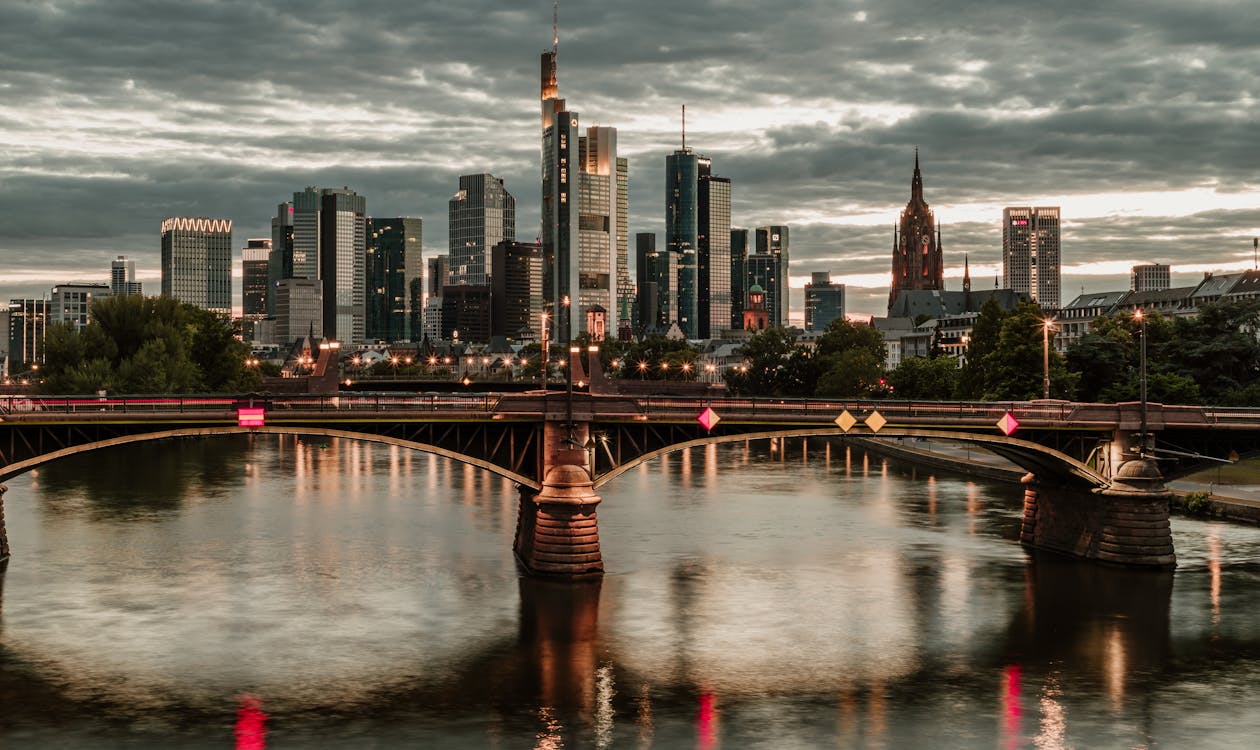
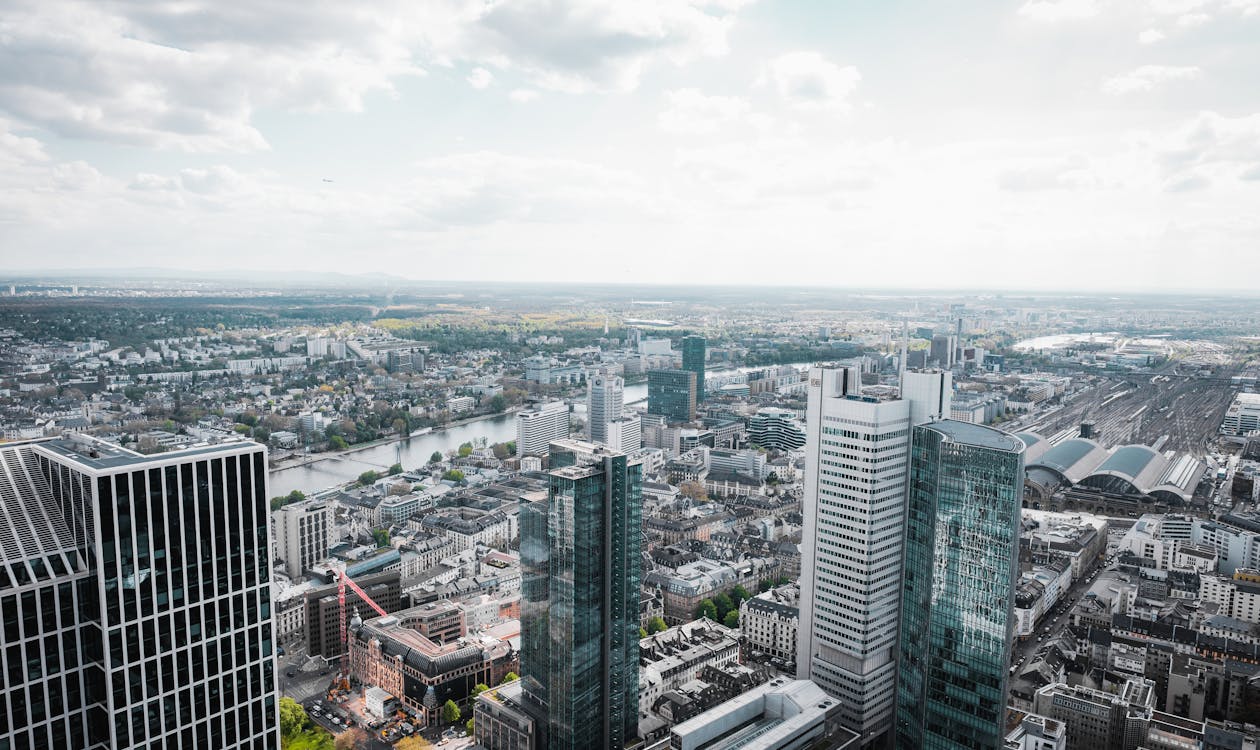
This creates productive friction. Berlin wrote its Gemeinsam Digital: Berlin's Smart City Strategy through two years of neighbourhood workshops and online consultations, culminating in a framework that connects open data, digital sovereignty, and participatory budgeting. Hamburg, by contrast, leans into its identity as a logistics and port city, using the EU's mySMARTLife programme to test integrated energy, mobility, and urban planning solutions in the Bergedorf district. Munich wraps its smart city ambitions around the Bavarian capital's industrial muscle, centring innovation at the Munich Urban Colab — a collaboration between the city and UnternehmerTUM Munich, Europe's leading university-linked entrepreneurship centre. Frankfurt, home to DE-CIX Management GmbH, the world's largest internet exchange point, builds from its position as Germany's connectivity backbone and global financial hub.
The Bitkom Smart City Index 2025 captures this polycentric race: Munich leads for the third consecutive year, with Hamburg a razor-thin second, Stuttgart rising to third, and cities like Hanover leaping 34 places in a single year. The constant reshuffling reflects a healthy national competition — not for rankings, but for practical solutions that can be transferred across the country.
Four Cities, Four Flavours of Innovation
Germany's smart city ecosystem is best understood not as a single landscape but as a network of distinct urban laboratories, each shaped by local industries, institutions, and political cultures.
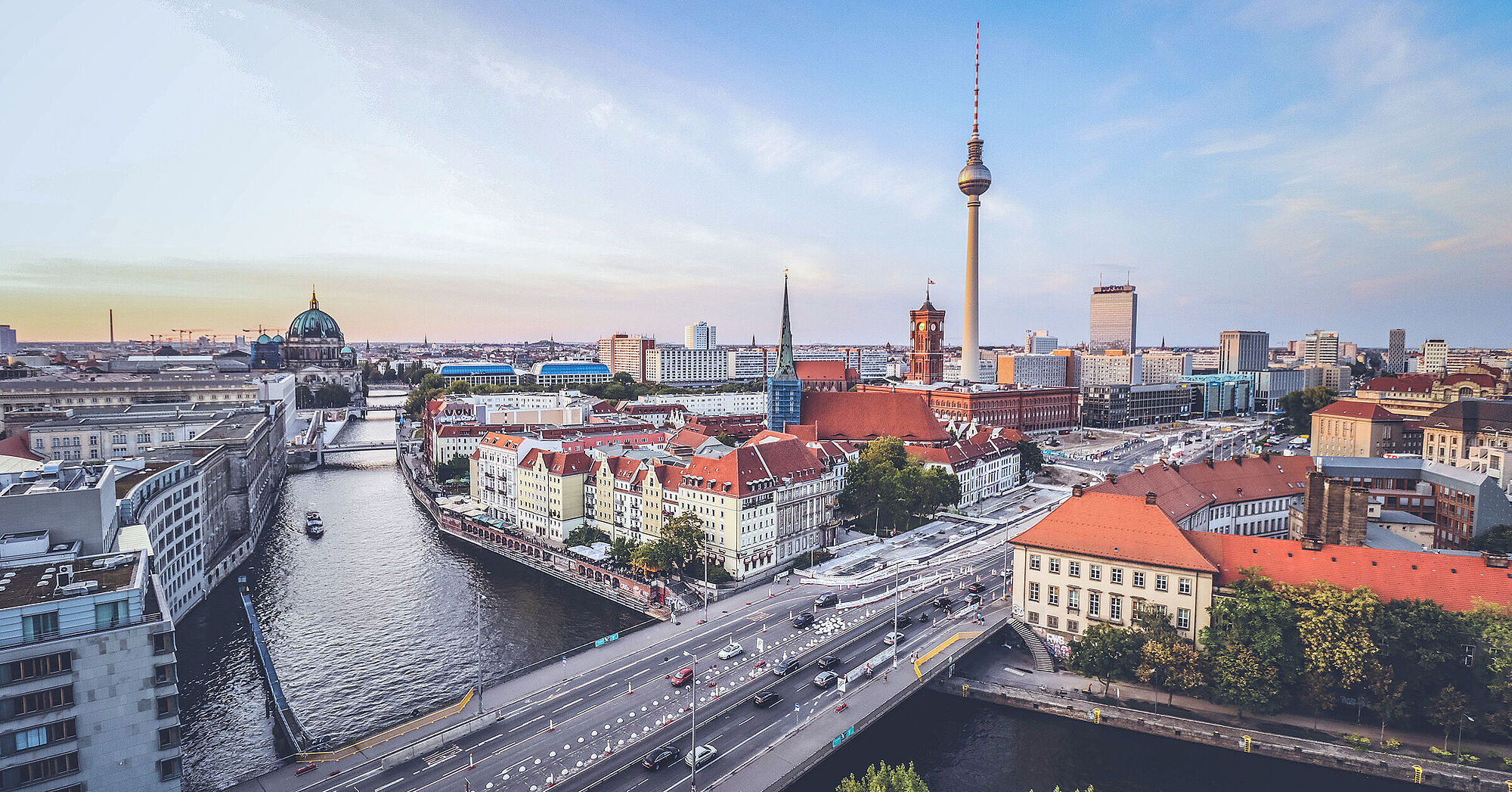
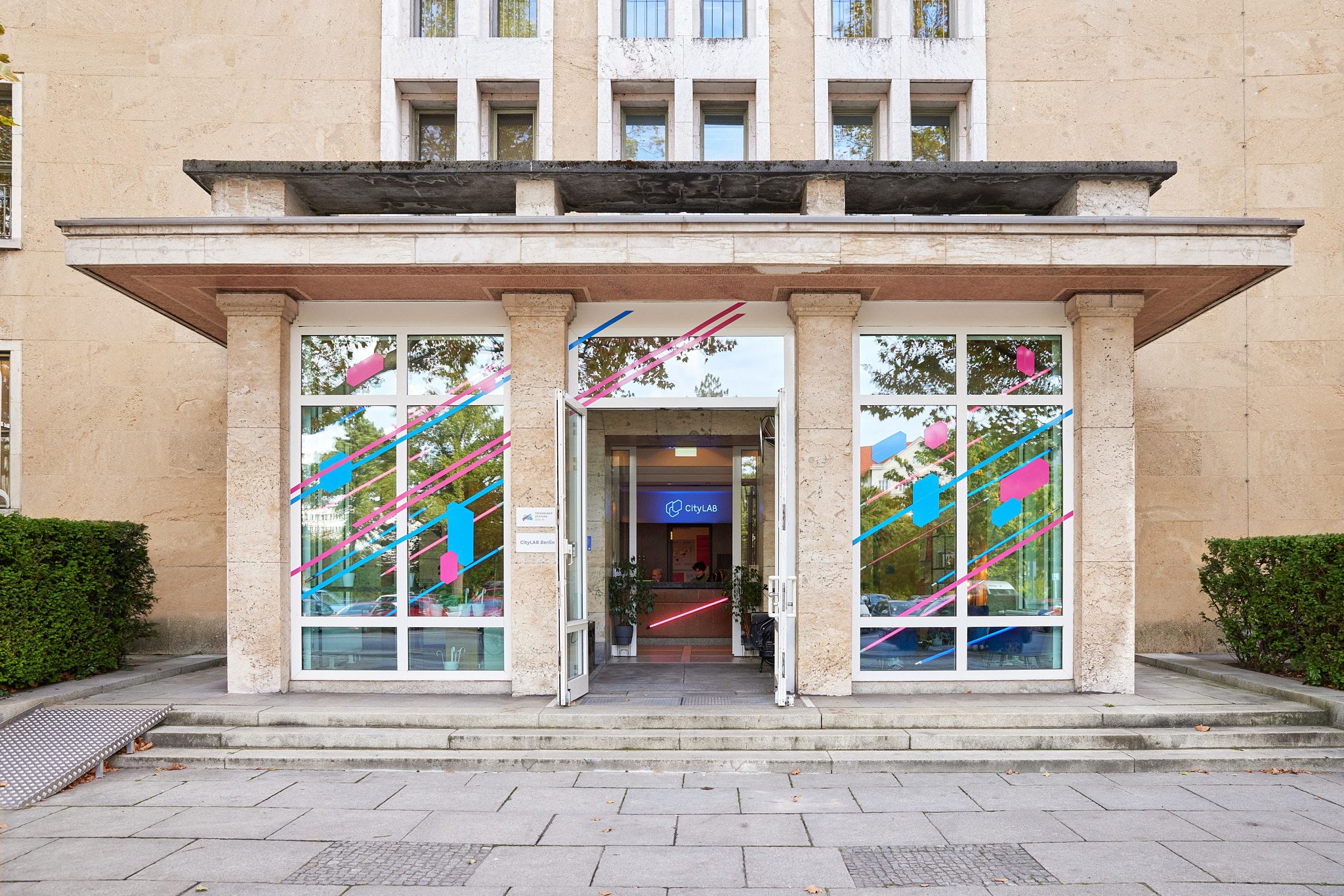
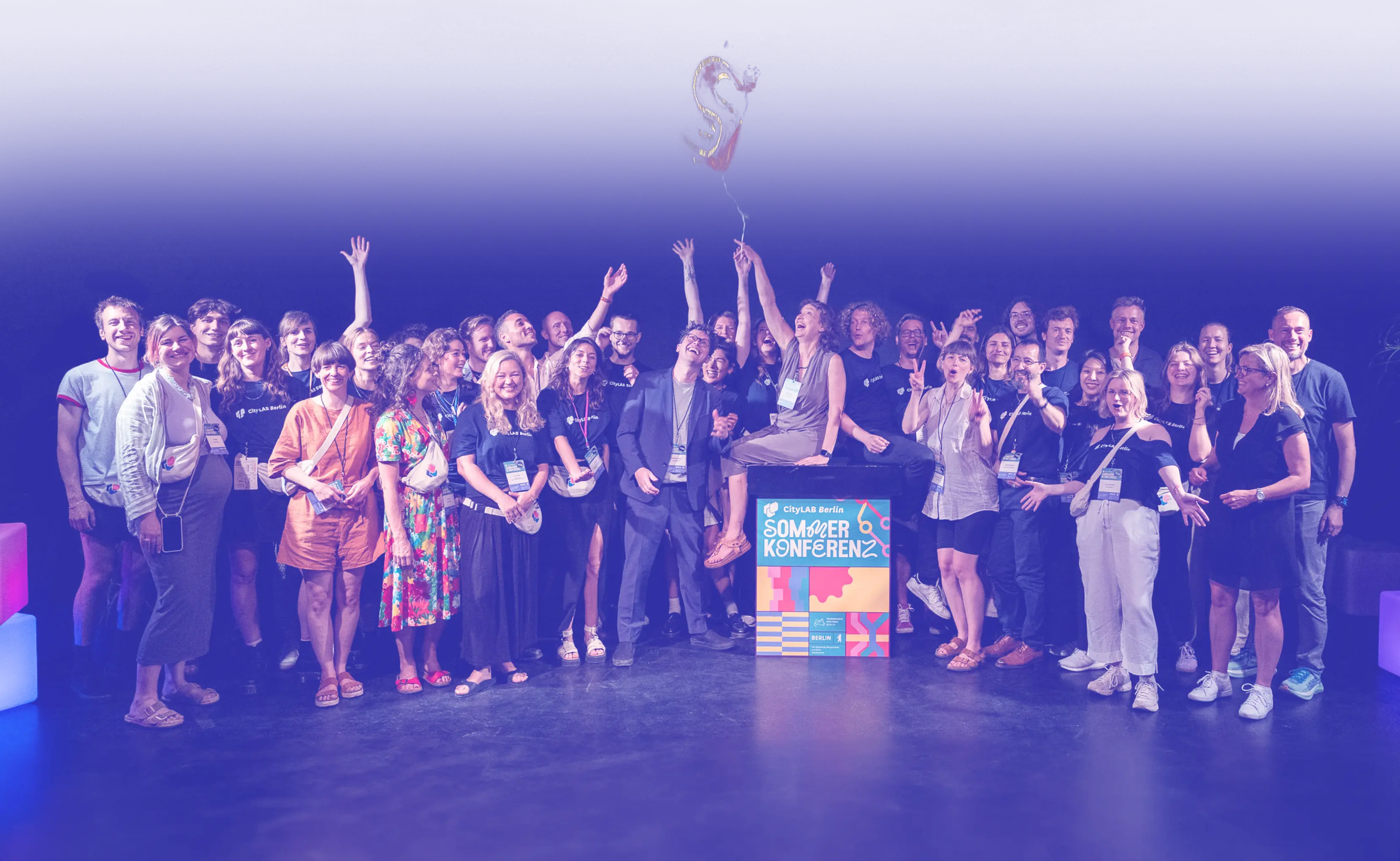
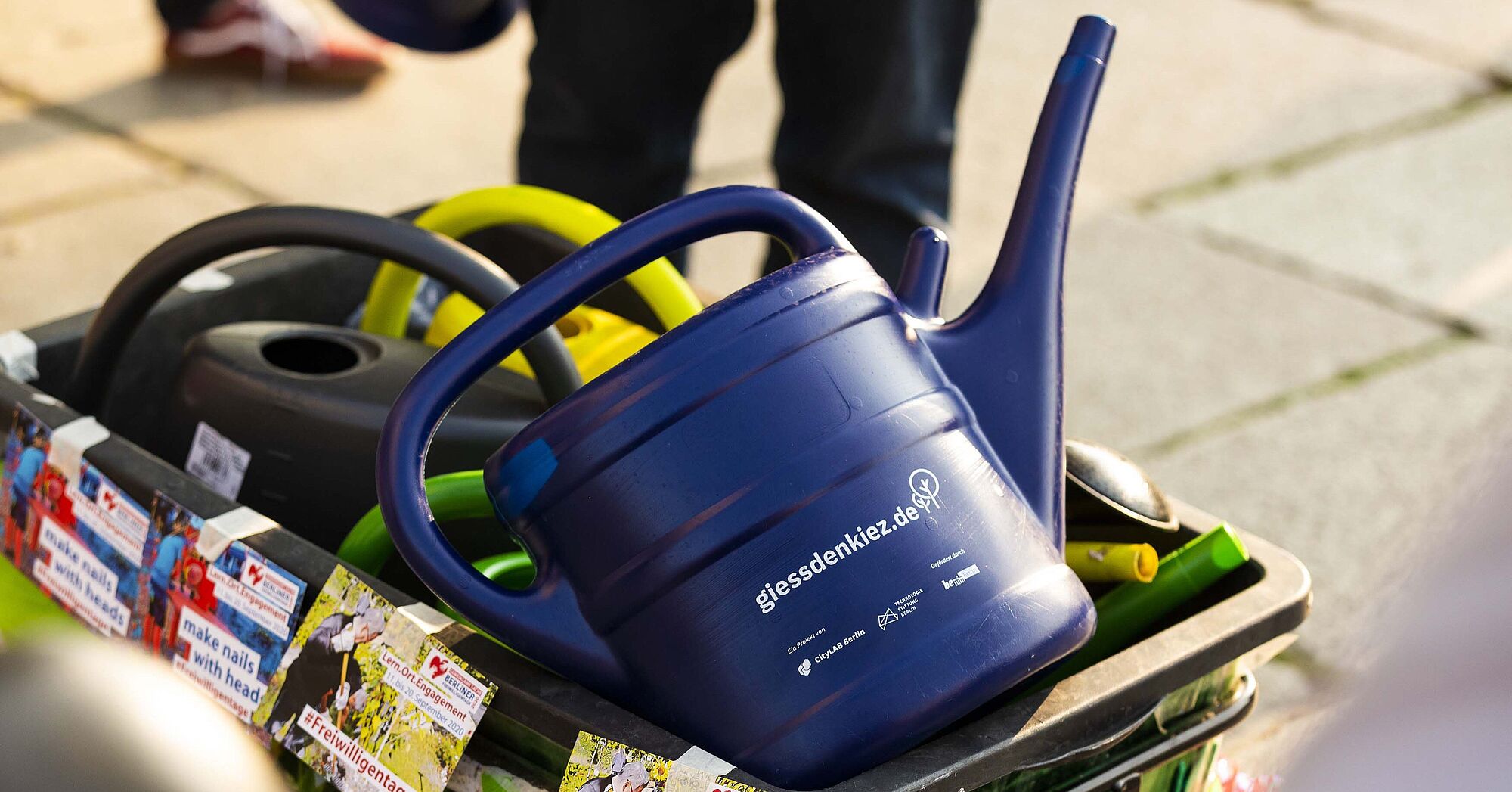
Berlin is the civic tech capital. CityLAB Berlin, operated by the Technologiestiftung Berlin, has become a European model for public innovation labs. The city's Open Source Strategy for the State of Berlin (Secondary Source) makes open-source software the default for public administration, and its Berlin Data Governance Framework: Principles for Municipal Data Use sets strict principles for algorithmic transparency. The Weizenbaum Institute for the Networked Society provides an independent critical lens on the societal implications of digitalisation. Projects like Gieß den Kiez — a platform letting residents adopt and water street trees — embody Berlin's philosophy: technology as civic infrastructure, built by and for the community.
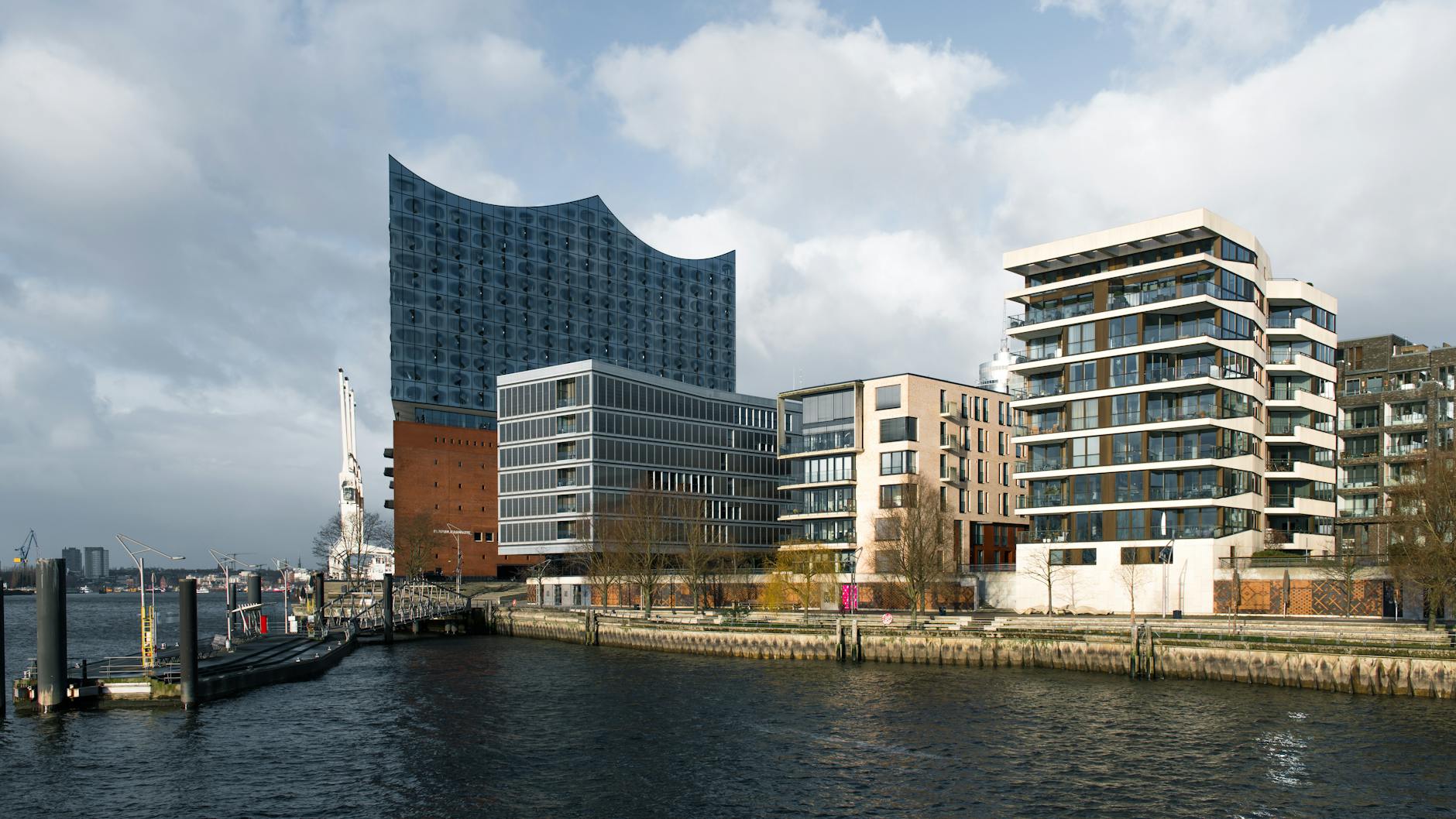
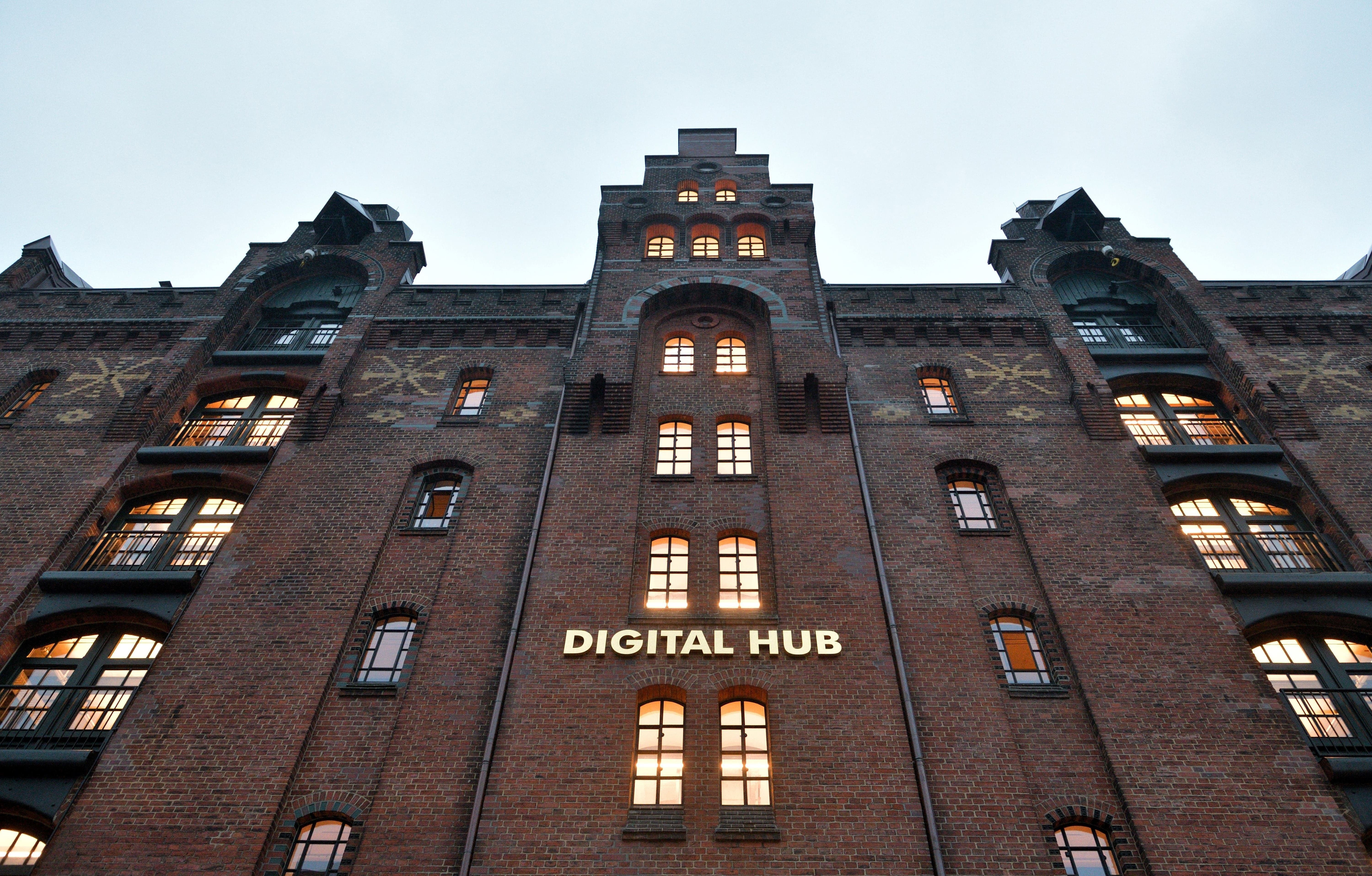
Hamburg combines port logistics with urban intelligence. Digital Hub Logistics Hamburg connects startups with established shipping and logistics companies, while UNITAC Hamburg — UN Innovation Technology Accelerator for Cities, the UN Innovation Technology Accelerator for Cities, trains city leaders globally on inclusive smart city strategies. The SMARTilience Hamburg — Climate-Resilient Urban Development project, developed through the Fraunhofer IAO — Morgenstadt Initiative, builds digital resilience dashboards to help the port city prepare for storm surges, heat stress, and extreme rainfall — threats that will only intensify as the climate shifts.
Munich is where industry meets the lab. The Munich Urban Colab houses startups, researchers, and citizens under one roof, while the Strascheg Center for Entrepreneurship (SCE) Munich incubates hundreds of startups annually. The city's innovation ecosystem benefits from proximity to the Technical University of Munich and a venture capital concentration rivalled in Germany only by Berlin.
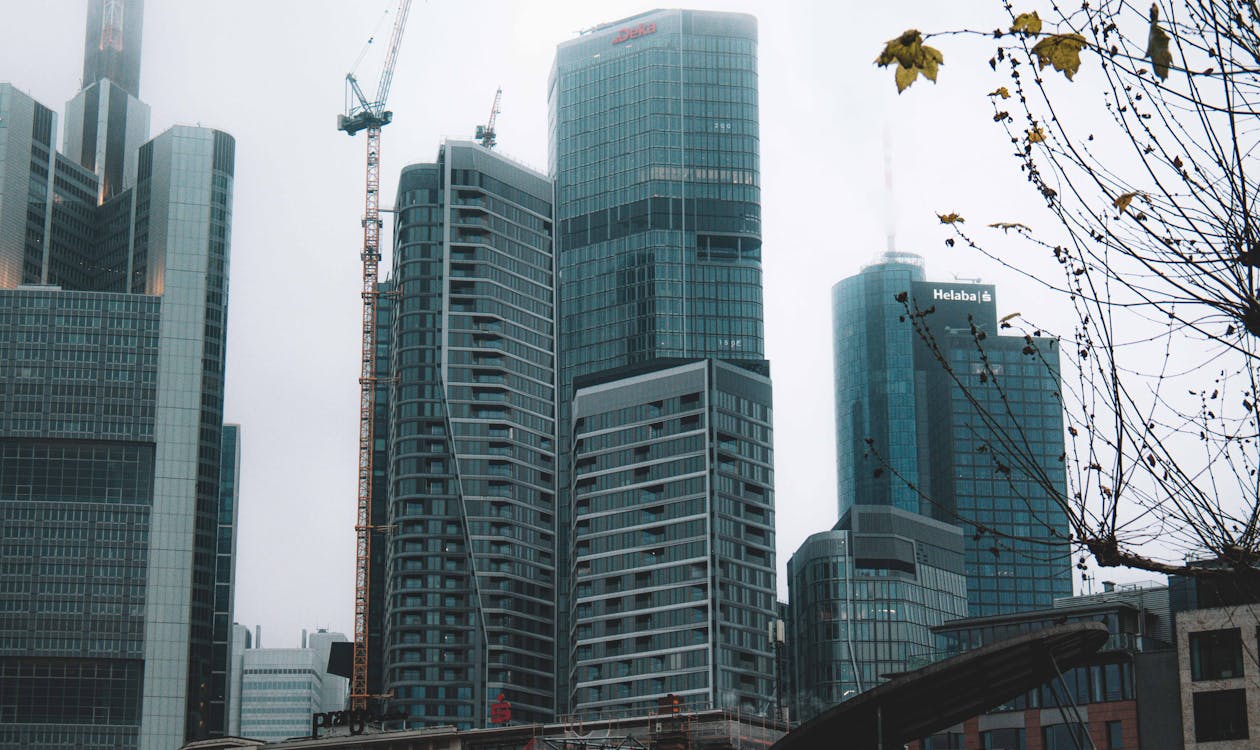
Frankfurt punches in as the infrastructure and connectivity node. The House of Logistics and Mobility (HOLM) unites research institutions and companies developing intelligent transport solutions, while the city's Frankfurt Digital Train Control (CBTC) pioneers semi-automated subway operations integrated with street-level traffic signals — the first such combination in Germany, expected to be fully operational by 2033. Frankfurt's Frankfurt Economic Development Smart Specialisation, developed through the European URBACT programme, ensures that digital infrastructure and innovation ecosystem development are integrated into the city's broader economic strategy.
Digital Twins, Smart Grids, and Timber Neighbourhoods
The most visible national-scale project is Connected Urban Twins, which links Berlin, Hamburg, and Munich into a shared digital twin infrastructure — three-dimensional virtual city models integrating real-time data for planning, citizen participation, and cross-departmental management. Each city develops its own platform while sharing standards and open-source components designed to be adopted by smaller municipalities across Germany.
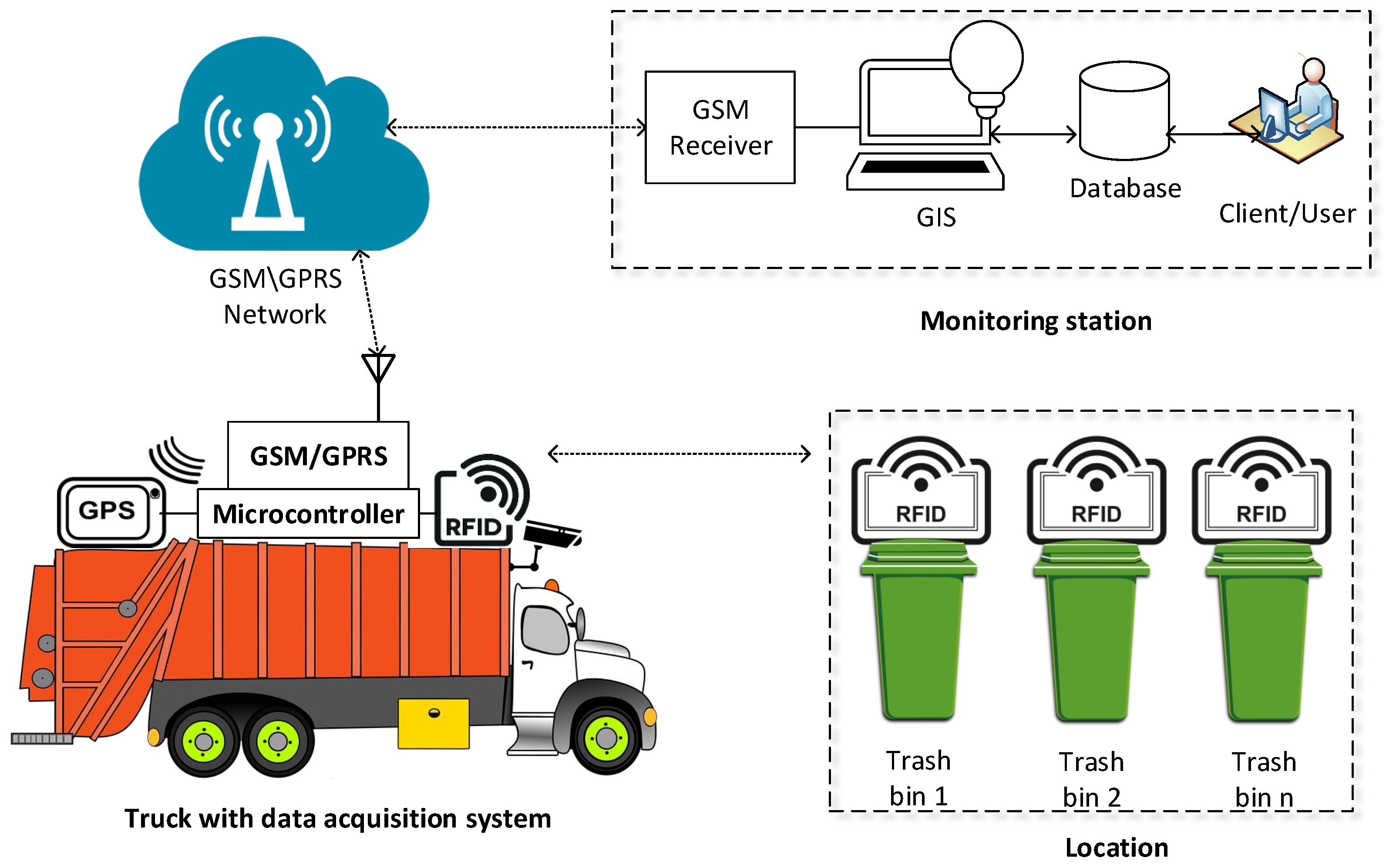
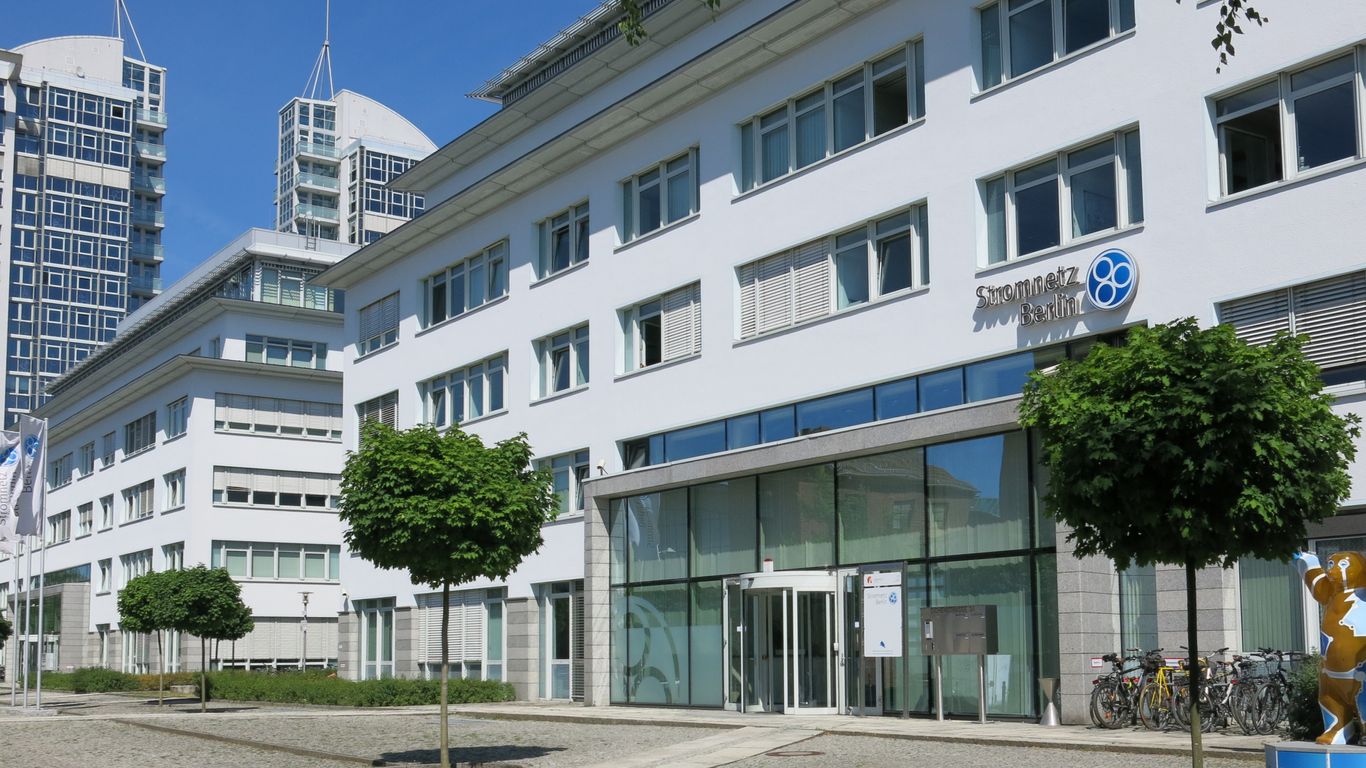
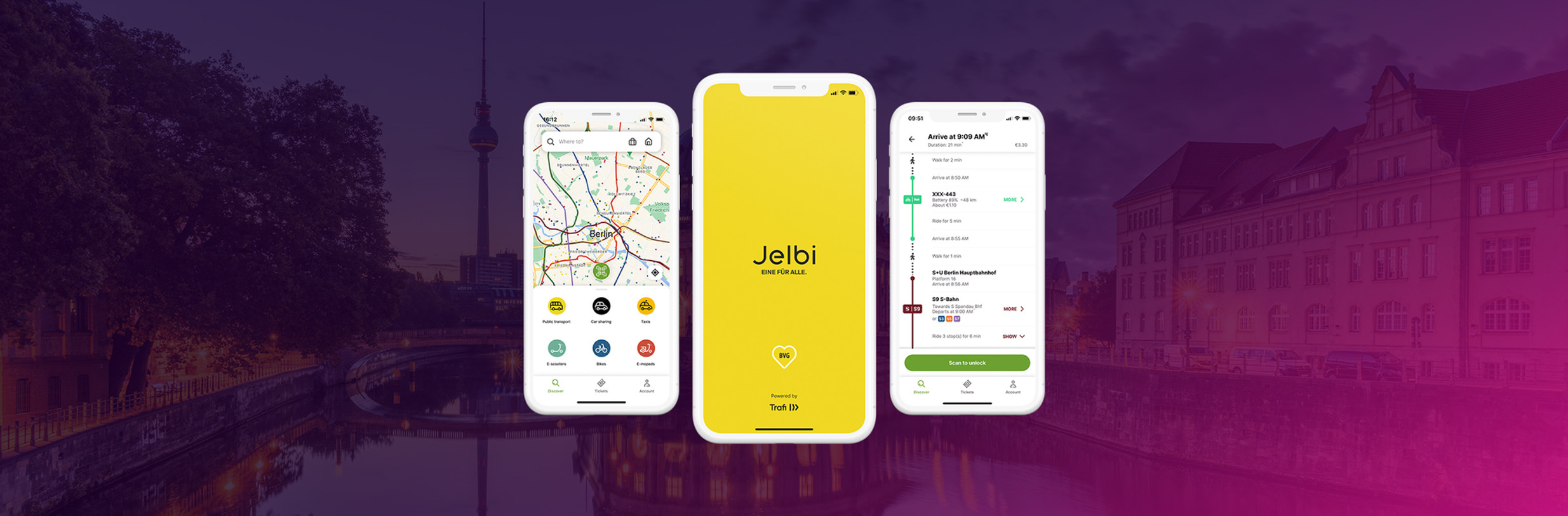
Berlin's deployments range from Jelbi — Multimodal Mobility Platform, one of Europe's most recognised Mobility-as-a-Service platforms integrating public transport, bike-sharing, e-scooters, and car-sharing into a single app, to BSR Smart Waste — Intelligent Waste Management, which uses IoT sensors to optimise collection routes and cut truck journeys by 30 per cent. Stromnetz Berlin — Smart Grid Transformation is digitising electricity distribution with smart meters and predictive analytics, while Vattenfall Fernwärme — Smart District Heating — stretching 2,000 kilometres — is being decarbonised with AI-optimised renewable sources.
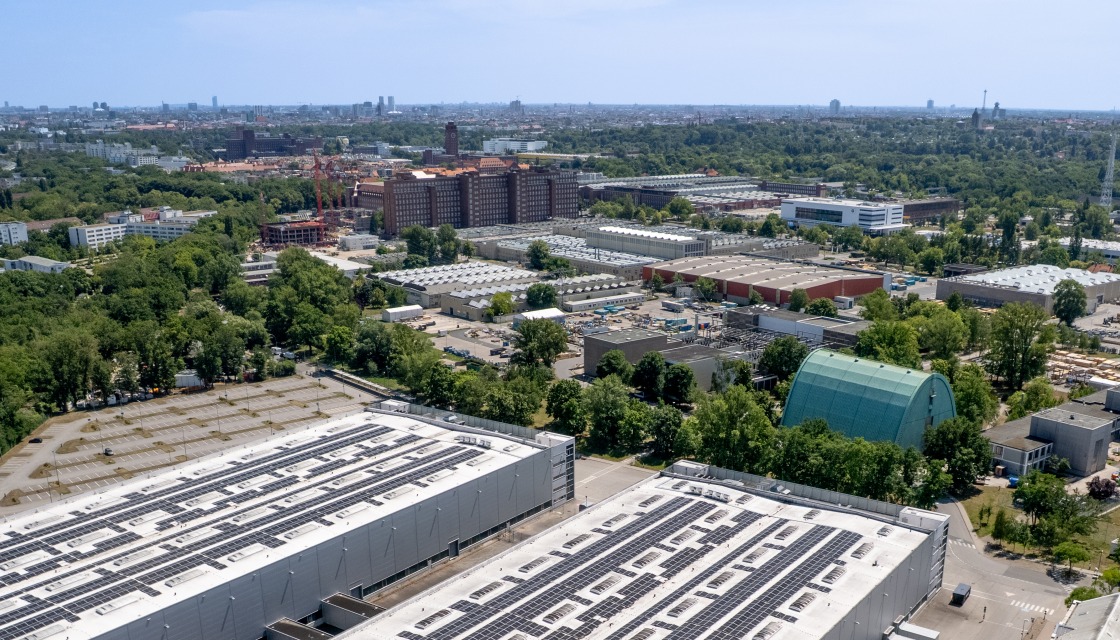
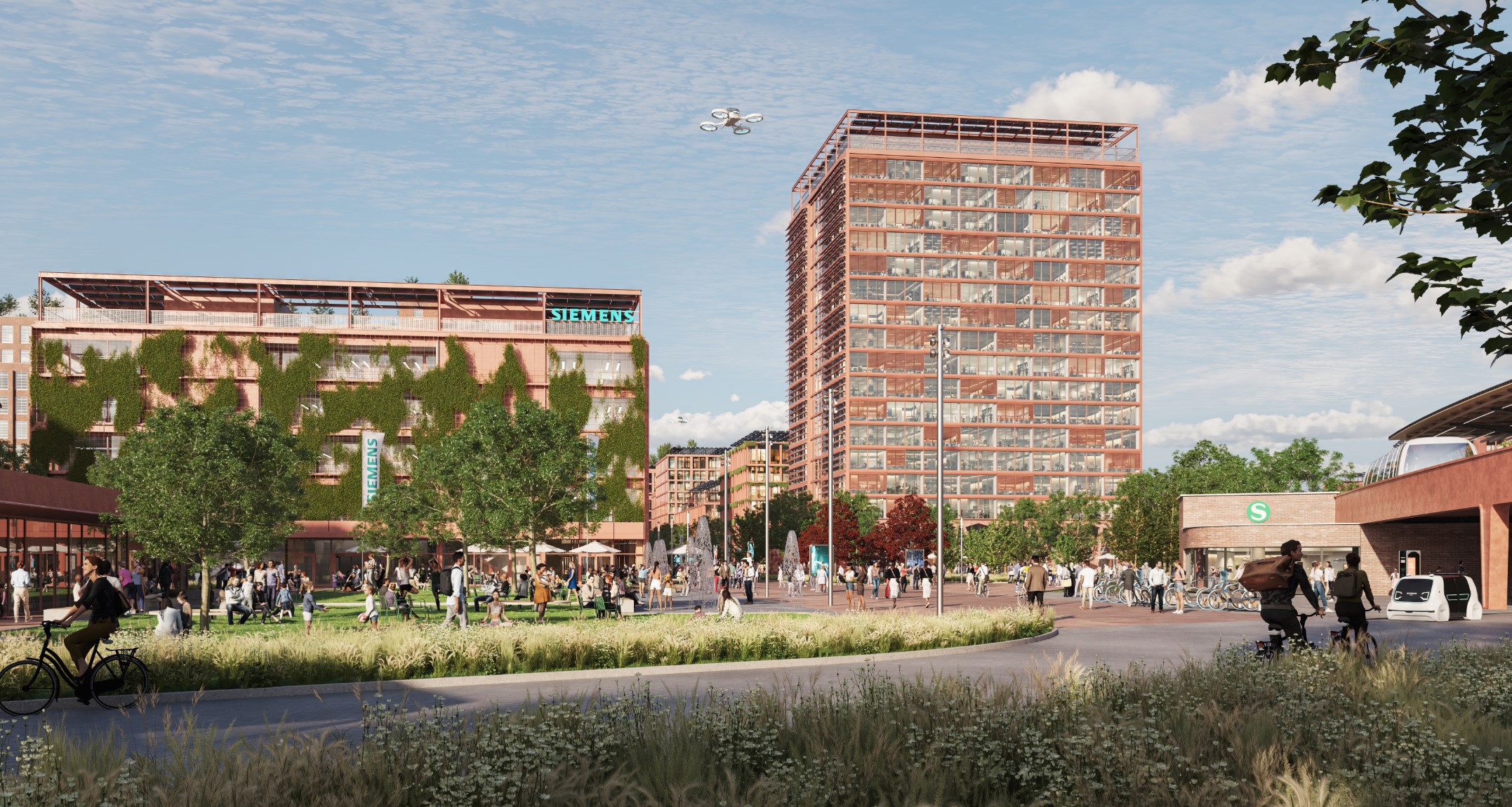
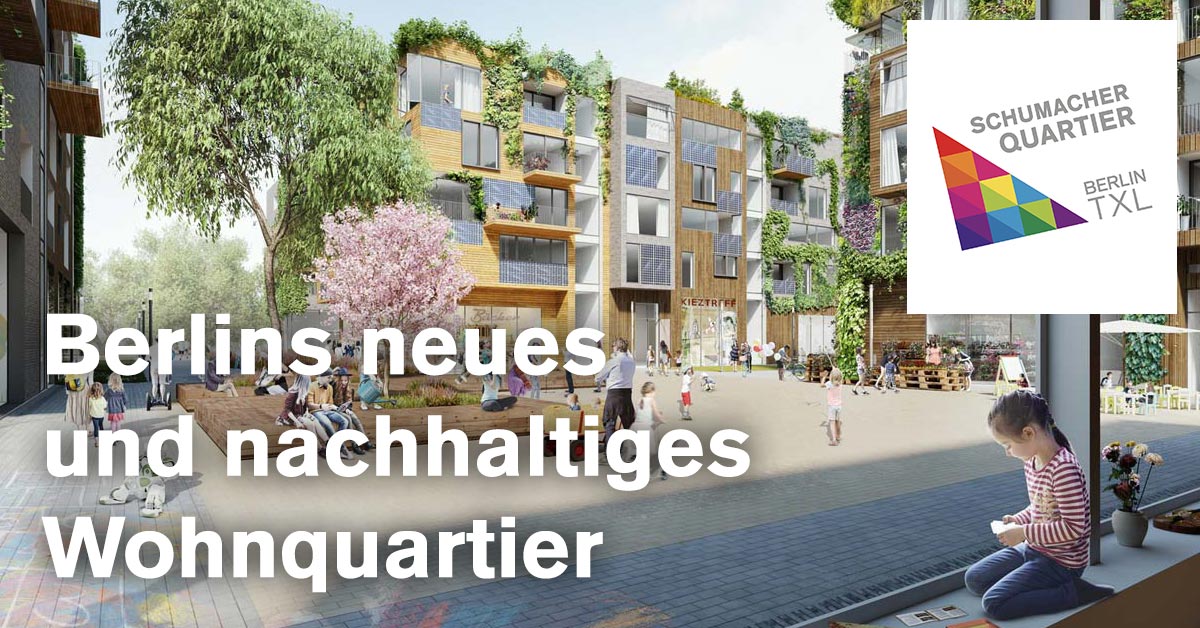
On the urban development scale, the former Tegel airport site is becoming the Urban Tech Republic — a 500-hectare campus for urban technology research — alongside the Schumacher Quartier — Sustainable Timber City District, a 10,000-resident neighbourhood built primarily from timber and designed as a model for climate-neutral urban living. In Siemensstadt, Siemens AG — Siemensstadt Square is investing €600 million in Siemensstadt Square — Smart Urban Quarter, transforming a historic industrial campus into a smart mixed-use quarter by 2035.
Underpinning these projects is the Referenzarchitekturmodell Offene Urbane Plattform (OUP) — a shared technical reference for how cities should structure their urban data platforms. Quiet but crucial, it enables interoperability between Germany's fragmented municipal IT systems and ensures that innovations developed in one city can travel to another.
Stammtisch, Sportverein, Smart City: Where Germans Meet Urban Tech
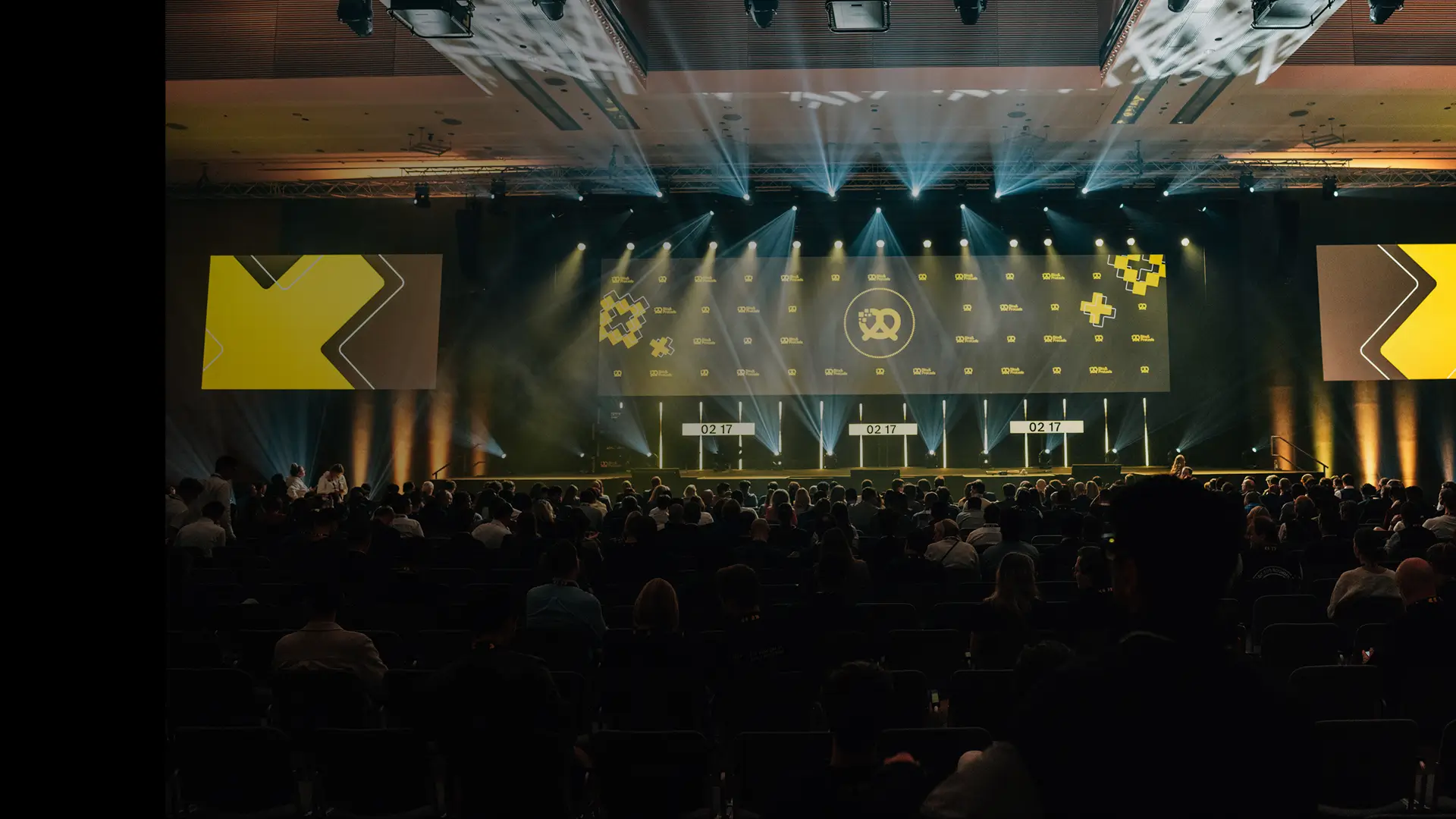
The simplest way to experience Germany's smart city landscape is to attend one of the country's major urban technology events. The annual Smart Country Convention in Berlin draws thousands of municipal leaders, startups, and researchers. Frankfurt hosts Light + Building Frankfurt 2026, the world's leading trade fair for smart building technology, alongside Hypermotion Frankfurt 2025, focused on future mobility and digital infrastructure. In Munich, Bits & Pretzels Munich 2025 brings 5,000 founders and investors together each autumn.
But the real encounters happen closer to the ground. In Berlin, download Gieß den Kiez and water a street tree. In Hamburg, walk through the Bergedorf district where mySMARTLife demonstrators are reshaping energy and mobility. In Munich, visit the Urban Colab and see startups prototyping alongside citizens. In Frankfurt, ride the soon-to-be-automated U-Bahn.
What connects these experiences is something deeply German: Vereinskultur — the culture of clubs and associations that structures civic life from football to allotment gardens. Germany's 600,000-plus registered associations (Vereine) have created a population accustomed to organising collectively, debating rules, and building shared infrastructure. The same instinct that fills volunteer fire brigades and choral societies now fuels civic hackathons and open data communities. When the BMWSB calls its model projects "experimental sites for integrated urban development," it is speaking a language Germans already understand — because they have been running experiments in collective self-governance since long before anyone called it smart.
References31 resources12 external