Loading...
City
Barcelona
Country🇪🇸 Spain
Where Digital Rights Became Urban Policy
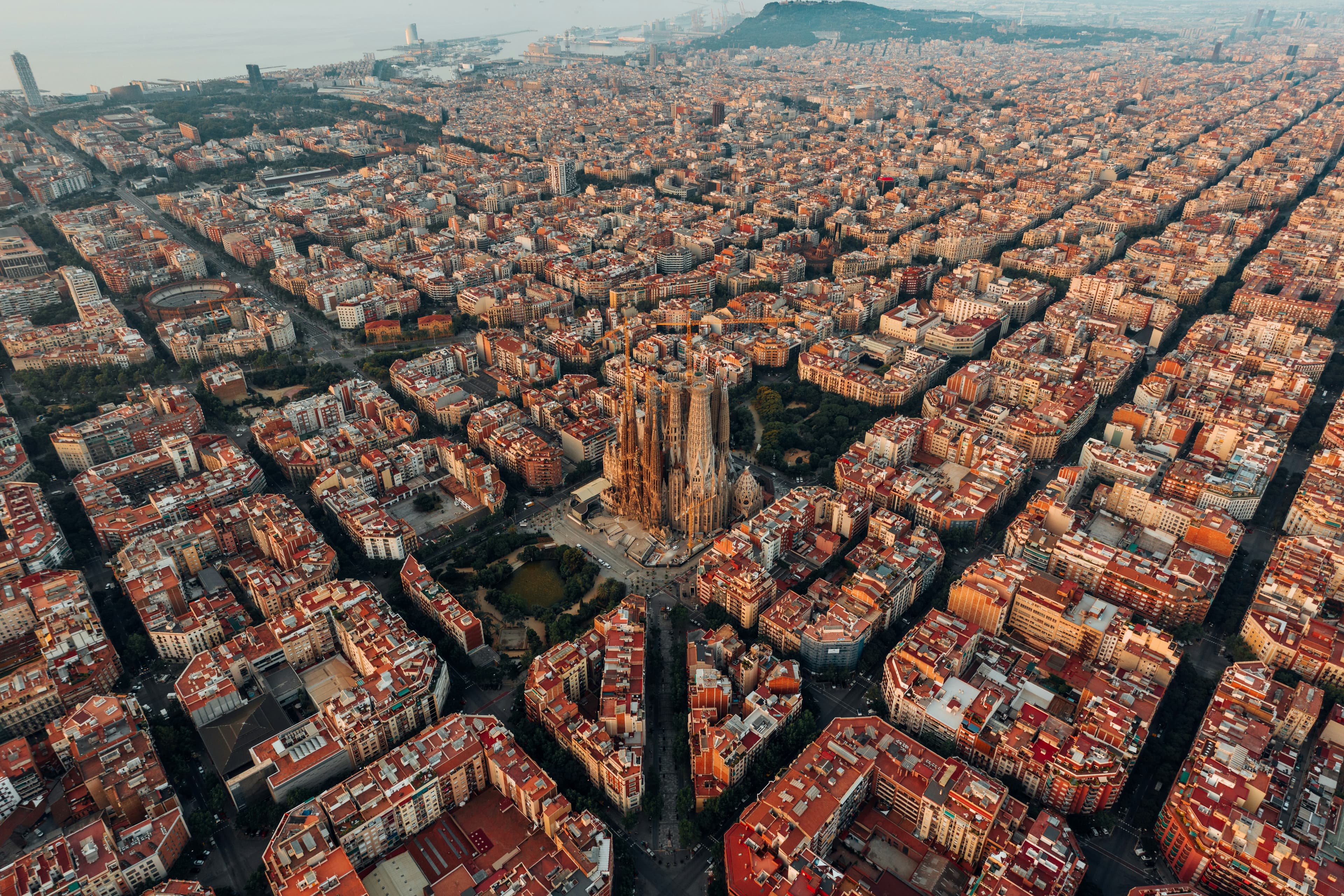
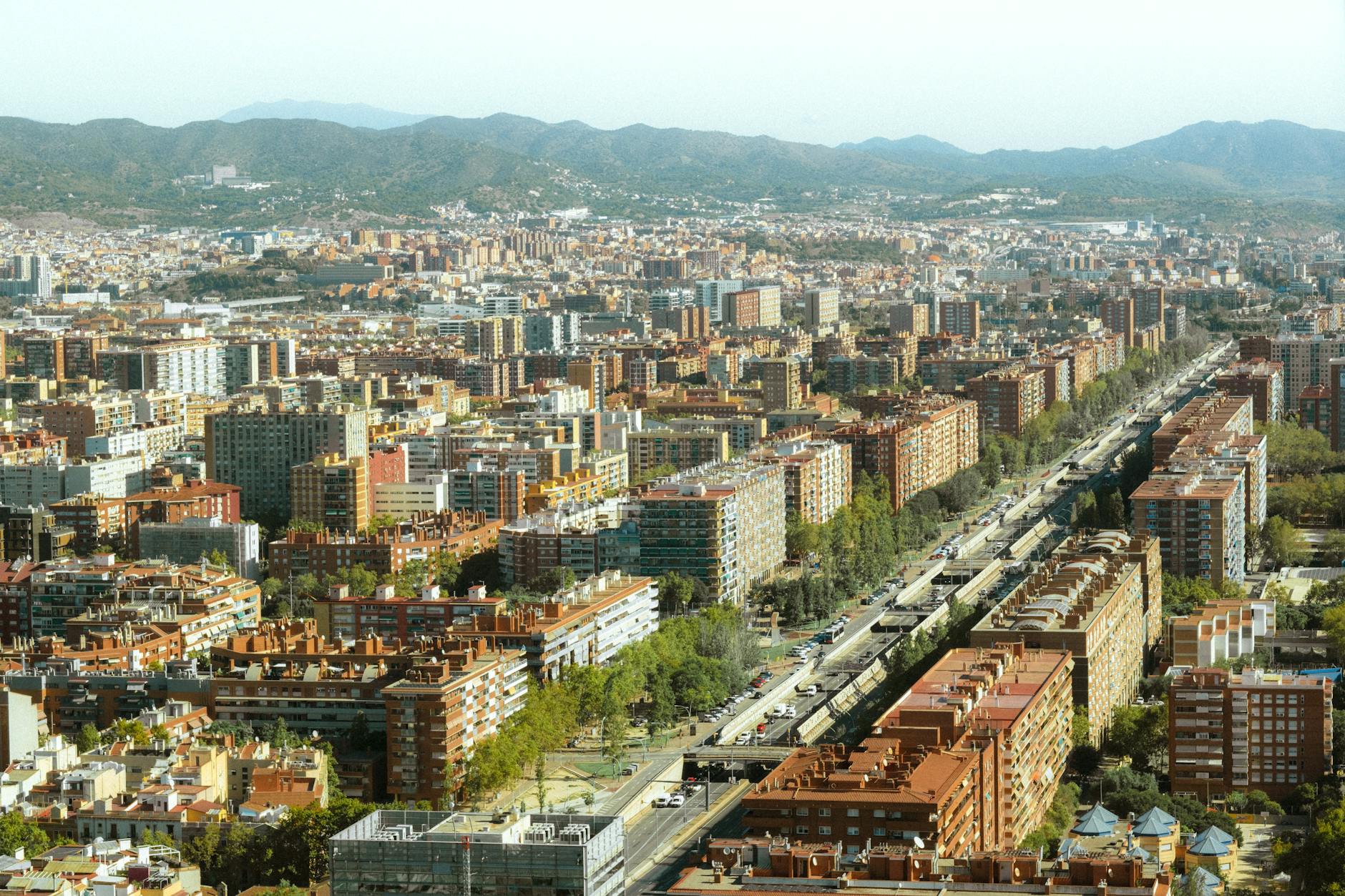
Barcelona is one of Europe's most referenced smart cities — and one of the few where the concept itself has been politically contested. What sets the Catalan capital apart is not the scale of its sensor networks or the ambition of its platforms, but a decade-long insistence that digital infrastructure must serve residents, not extract from them. From open-source mandates to the world's first total ban on short-term rental licences, Barcelona has built an approach grounded in technological sovereignty, digital rights, and civic participation — then stress-tested it against the pressures of mass tourism, housing costs, and Mediterranean climate stress.
Under Mayor Jaume Collboni, who took office in June 2023, the city has simultaneously pursued its Barcelona Digital City Plan 2023-2027 and taken some of Europe's most aggressive housing measures. In March 2025, Spain's Constitutional Court upheld Barcelona's plan to eliminate all 10,000 short-term rental licences by November 2028 — a ruling Collboni called a validation that the city is "on the right path." The new Housing Plan 2026–2033 translates that legal victory into a long-horizon programme combining the licence phase-out with public housing expansion and protection against rent stress. Through the Cities Coalition for Digital Rights, the city has declared it is "pushing for a digital transformation that leaves no one behind," shifting from a tech-driven smart city model towards one centred on reducing inequality and respecting human rights.
A Government That Codes Its Own Rules
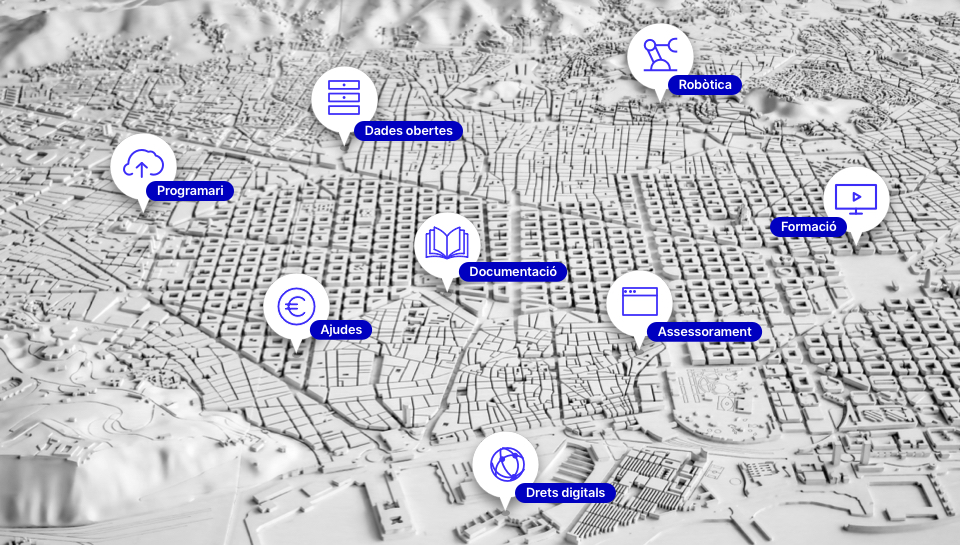
The Barcelona Digital City Plan 2023-2027 structures Barcelona's digital transformation around three pillars: technological sovereignty, digital inclusion, and public value. New municipal systems default to open-source software. Vendor contracts include strict data ownership and portability clauses. Citizens' personal data stays under public governance.
In March 2026, the city extended this approach to the AI layer of the stack with a new ethical and democratic artificial intelligence strategy for modernising public services — framing AI not as a procurement category but as something that has to be governed by the same digital-rights logic Barcelona applies to data and platforms.
The Ajuntament de Barcelona — Digital Transition drives this agenda, supported by the Àrea Metropolitana de Barcelona (AMB), which coordinates smart mobility and climate policy across 36 municipalities and 3.2 million residents. At regional level, the Generalitat de Catalunya — SmartCatalonia initiative links Barcelona's strategies to smaller Catalan municipalities. In December 2025, Barcelona became the first city globally to adopt the UN's open-source principles, formalising commitments that had been building for years.
The BIT Habitat Foundation, the city council's urban innovation arm, works to ensure smart building technologies reach social housing rather than only commercial developments. Barcelona Regional, the metropolitan planning agency, integrates climate resilience into infrastructure projects across the wider urban area.
Yet the gap between rhetoric and reality draws scrutiny. A 2024 academic study published in Planning Practice & Research interrogating Barcelona's smart city implementation found "lackluster progress including limited citizen input, ongoing reliance on 'Big Tech', and missing integration capacity." The Green European Journal has documented how the city's transformation has become a "contest over identity and belonging." Barcelona's willingness to air these tensions publicly — rather than papering over them — is itself part of the model.
From the Supercomputer to the Neighbourhood Lab
Barcelona's innovation ecosystem connects municipal strategy to world-class research and a dense commercial technology sector in ways few European cities can match.
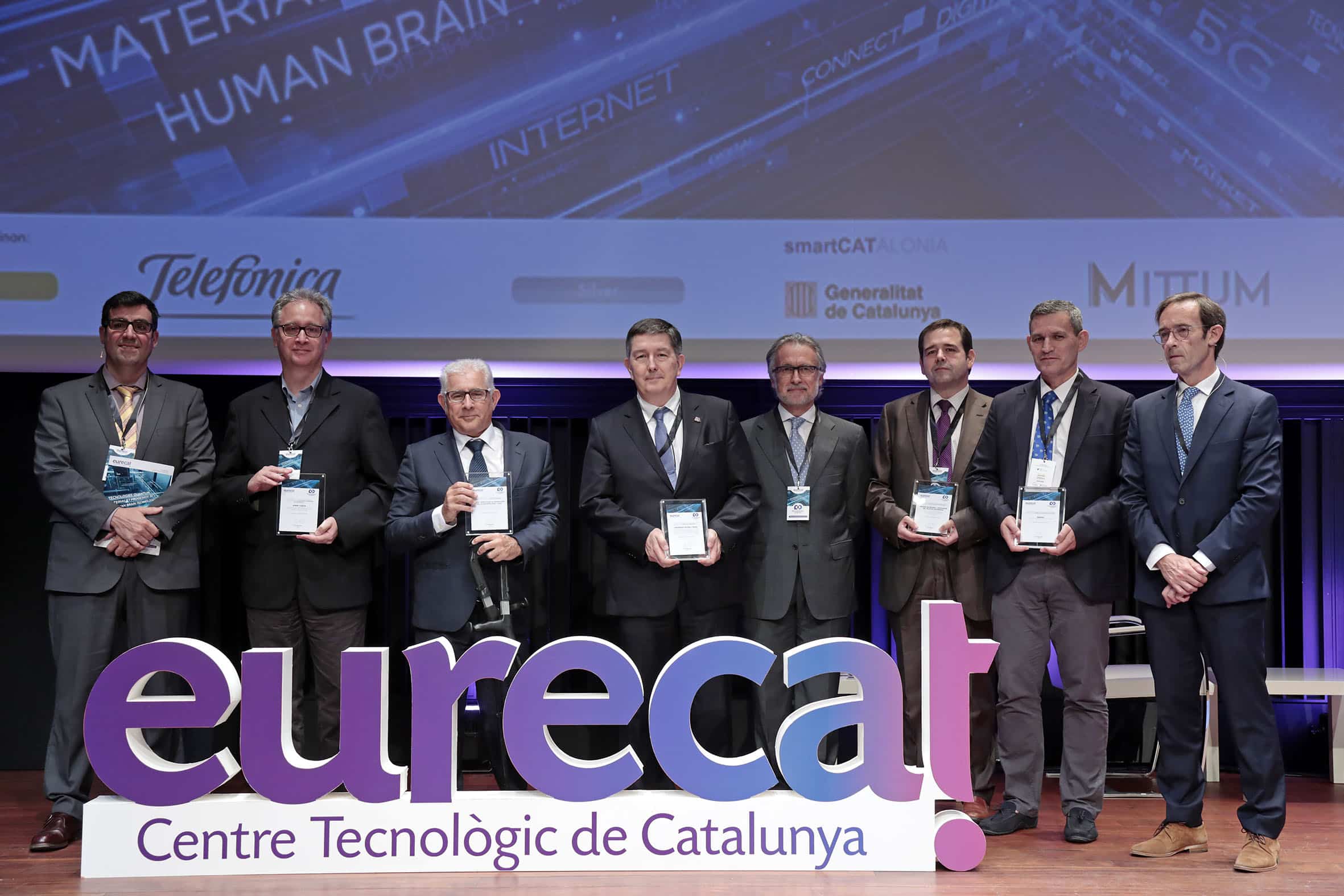
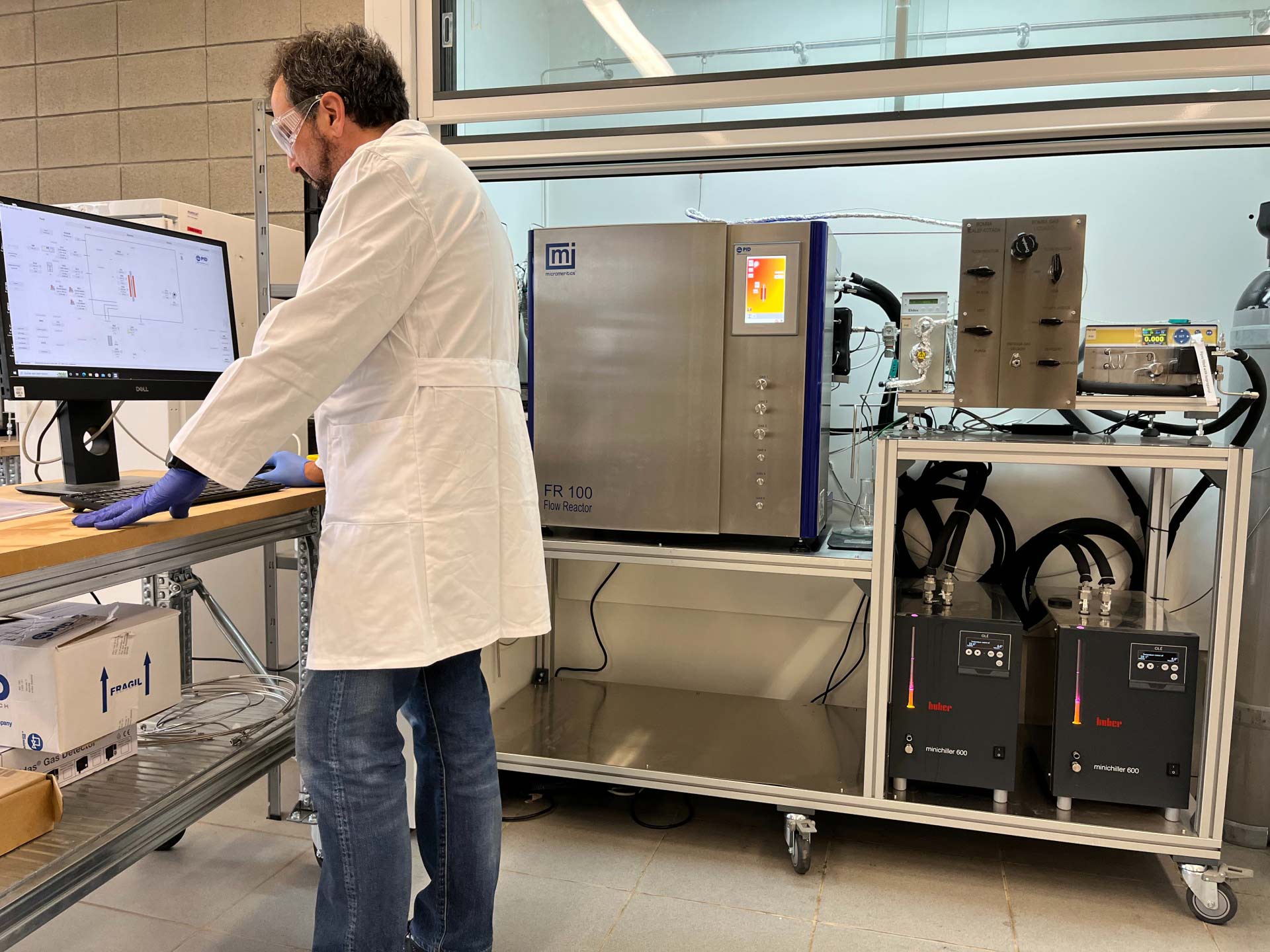
The 22@ Barcelona Innovation District in Poblenou — a 200-hectare former industrial zone — hosts over 10,000 companies and supports 150,000 jobs. Nearby, the Barcelona Supercomputing Center (BSC), home to the MareNostrum supercomputer, contributes to urban modelling, climate simulation, and AI research that feeds directly into city applications. Eurecat Technology Centre, Catalonia's largest private technology centre, drives applied research in AI and IoT, while the i2CAT Foundation specialises in 5G and next-generation networking. The Universitat Politècnica de Catalunya (UPC) and the Universitat de Barcelona (UB) anchor the academic side, with research spanning smart mobility, environmental sensing, and building energy.
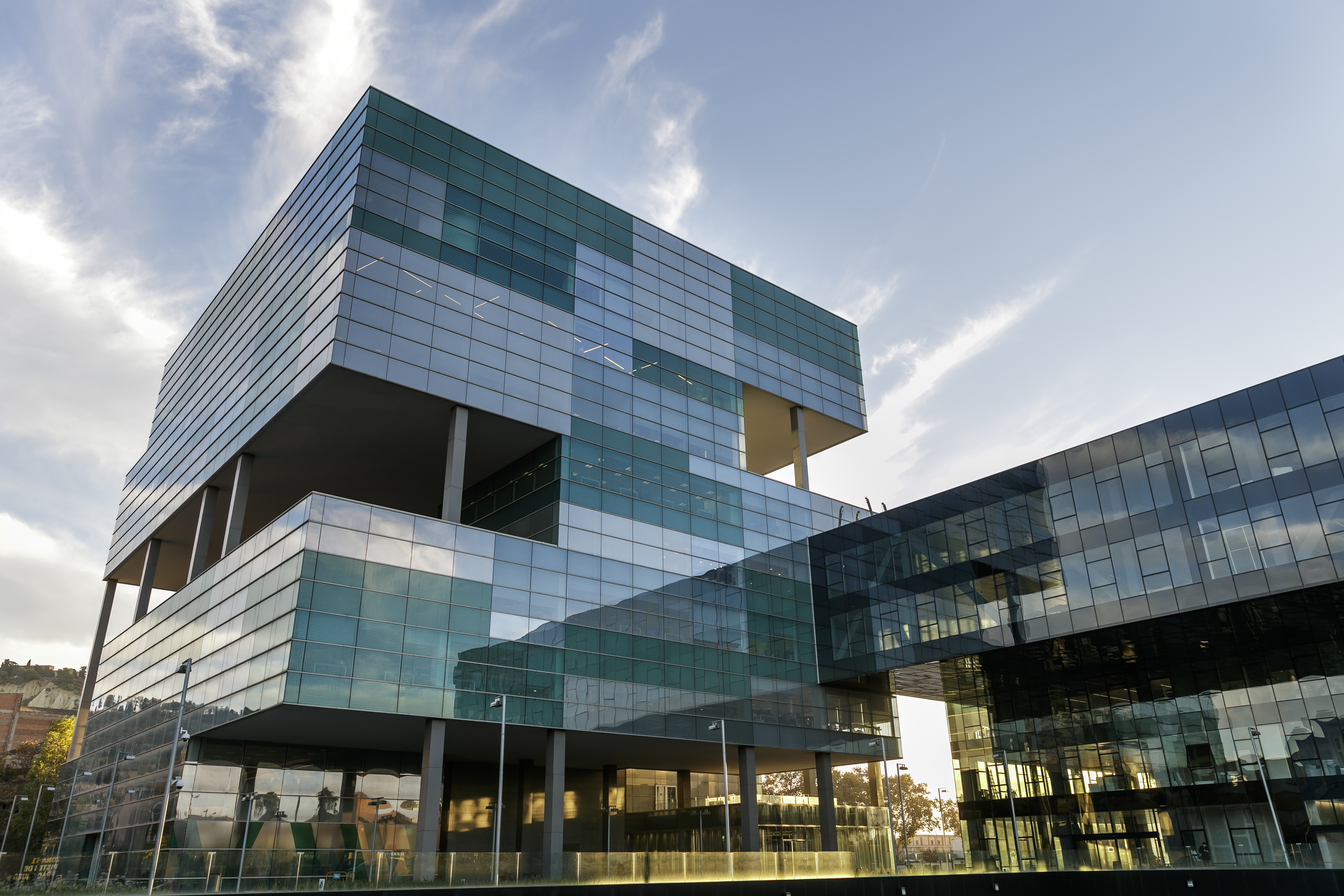
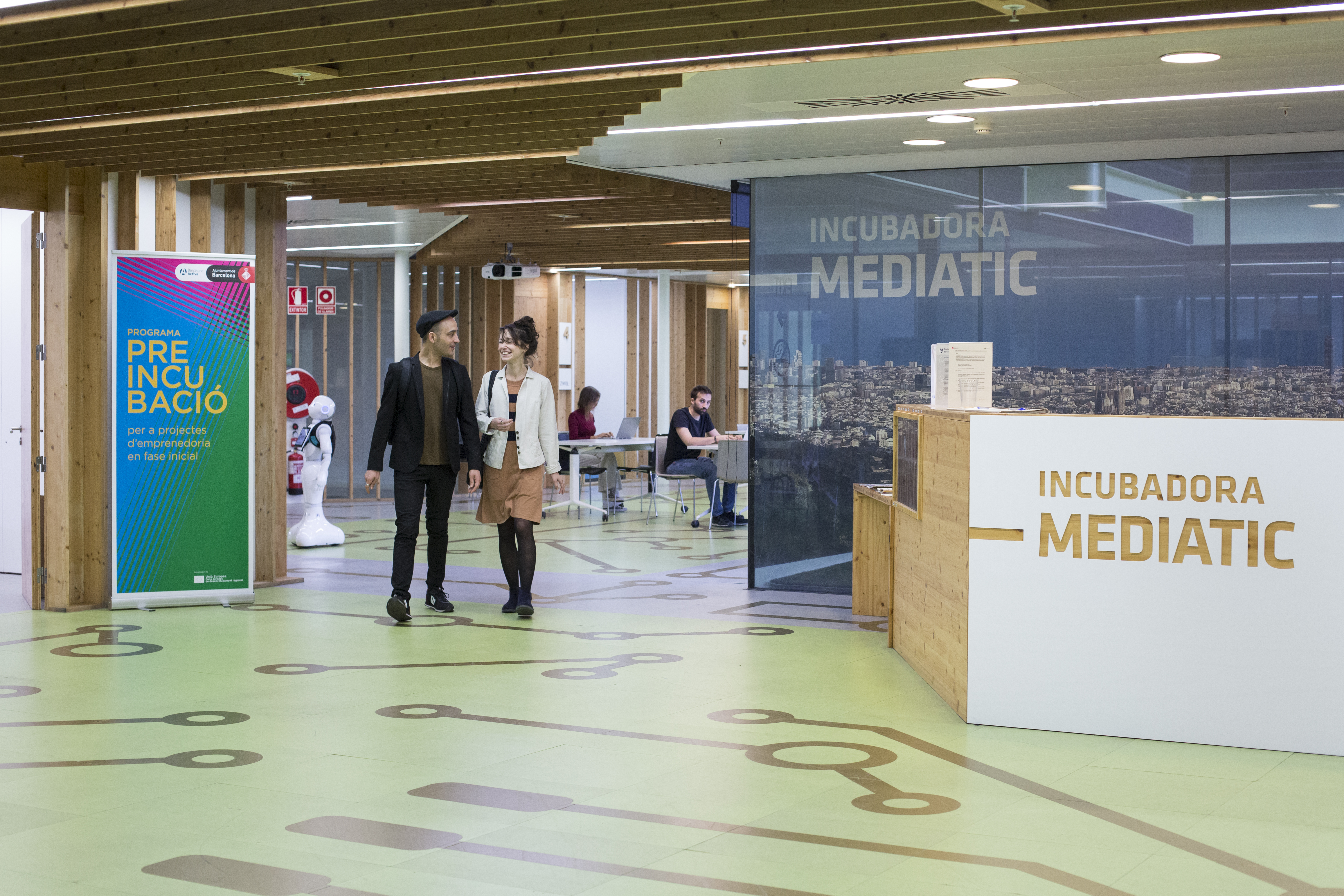
The Institut Municipal d'Informàtica (IMI) provides the city council's technology backbone, maintaining the open-source Sentilo IoT platform that connects Barcelona's sensor networks. Barcelona Activa, the local development agency, runs digital skills and incubation programmes targeting residents who might otherwise be left behind.
Decidim, Barcelona's most successful democratic export, deserves particular attention. Developed by the city council in 2016 as an open-source participatory democracy platform, it has been adopted by over 400 entities across 35 countries, including the European Commission and the city of Helsinki. A 2026 analysis by the Institute of Development Studies concluded that Decidim "represents a 180° turn in governance" that goes "beyond just 'listening' to citizens and 'giving them a voice'" — inviting residents to design participatory processes and contribute proposals that could translate into binding legislation.
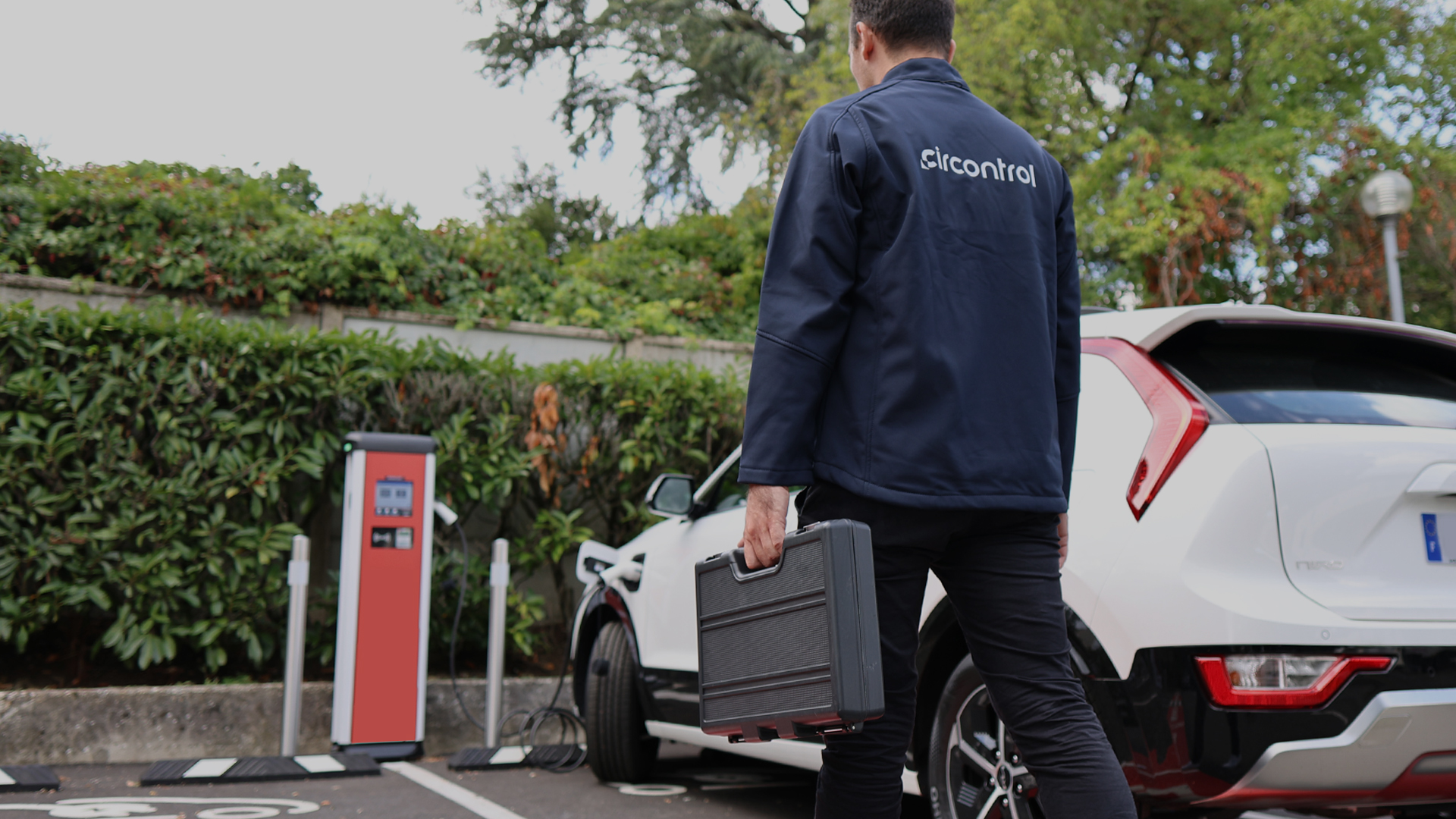
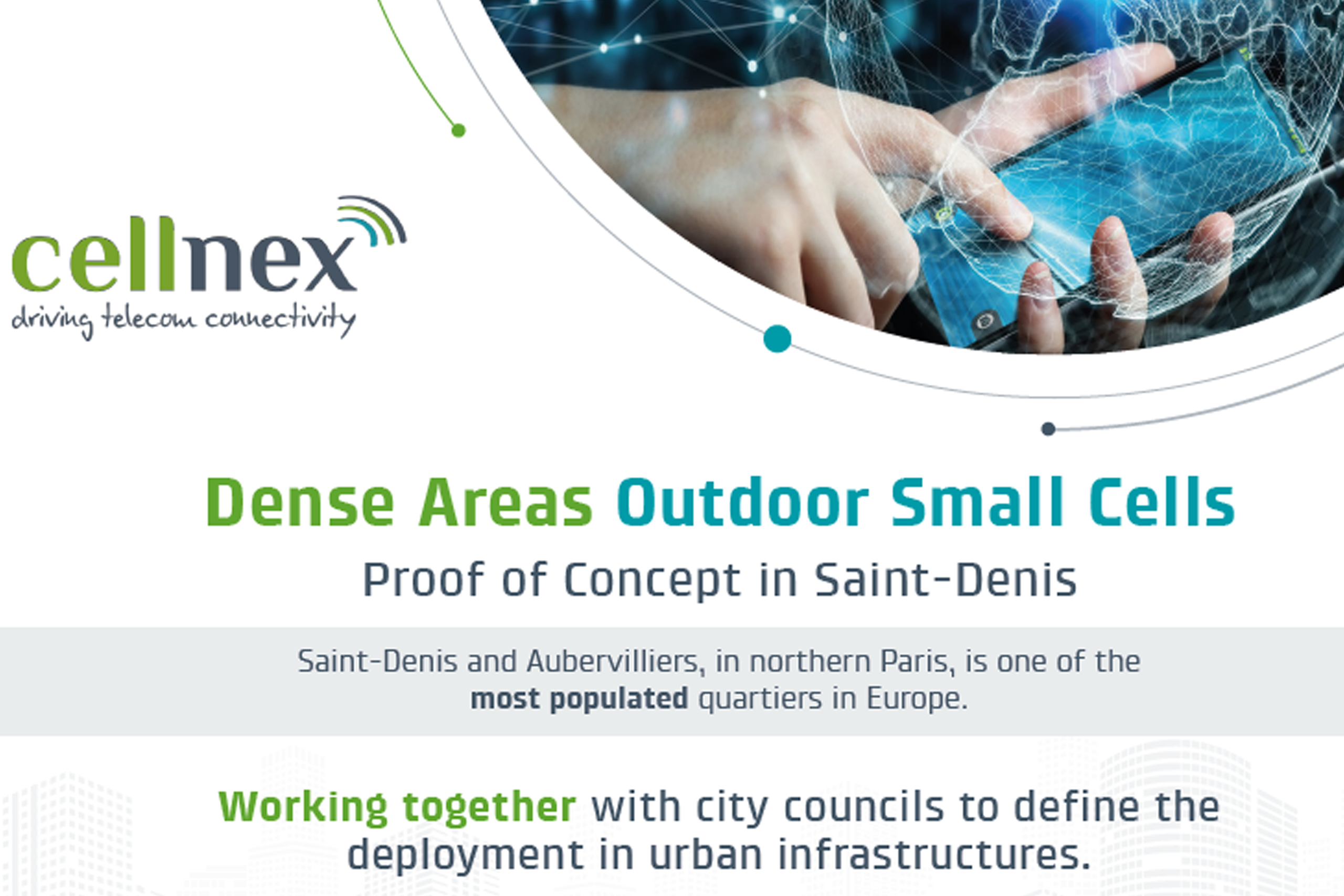
On the commercial side, homegrown firms like Worldsensing (IoT infrastructure monitoring), Circontrol (smart parking and EV charging), and Mosaic Factor (AI-powered digital twins) have grown from Barcelona's ecosystem into international players. Cellnex Telecom, Europe's largest independent telecoms infrastructure operator, is headquartered here, while Cisco Systems — Barcelona Innovation Centre maintains a major innovation centre in 22@.
Streets Reclaimed, Water Saved, Data Opened
Barcelona's lighthouse projects succeed when they combine hard infrastructure with civic governance — and when residents encounter them daily.
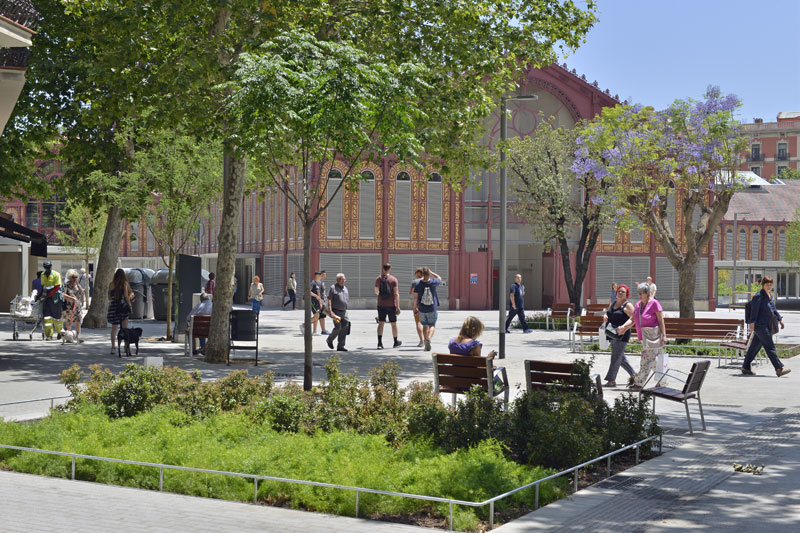
The Superblocks (Superilles) — Tactical Urbanism Programme programme remains Barcelona's most internationally influential urban innovation. By restricting through-traffic in neighbourhood clusters and reclaiming streets for pedestrians, cyclists, and greenery, the city has documented NO₂ reductions of 25 per cent and noise reductions of 5–10 decibels within transformed areas. Simulations suggest the programme could reduce ambient temperatures by 1.2°C on hot days. Research led by the Barcelona Institute for Global Health found residents reporting improved well-being, tranquillity, and social interaction. The model's expansion across the Eixample district won the New European Bauhaus Prize in 2025 and has inspired Berlin's Kiezblocks, London's Low Traffic Neighbourhoods, and similar programmes worldwide.
Aigües de Barcelona (Agbar) operates one of Europe's most advanced Barcelona Smart Water Network — Aigües de Barcelona, managing 4,600 kilometres of pipes with real-time monitoring and AI-driven leak detection that has reduced water loss to below eight per cent — roughly half the European average — a critical capability in a water-scarce Mediterranean city. Barcelona District Cooling Network — Districlima runs one of Southern Europe's largest district heating and cooling networks, using seawater and waste heat to cut building emissions.
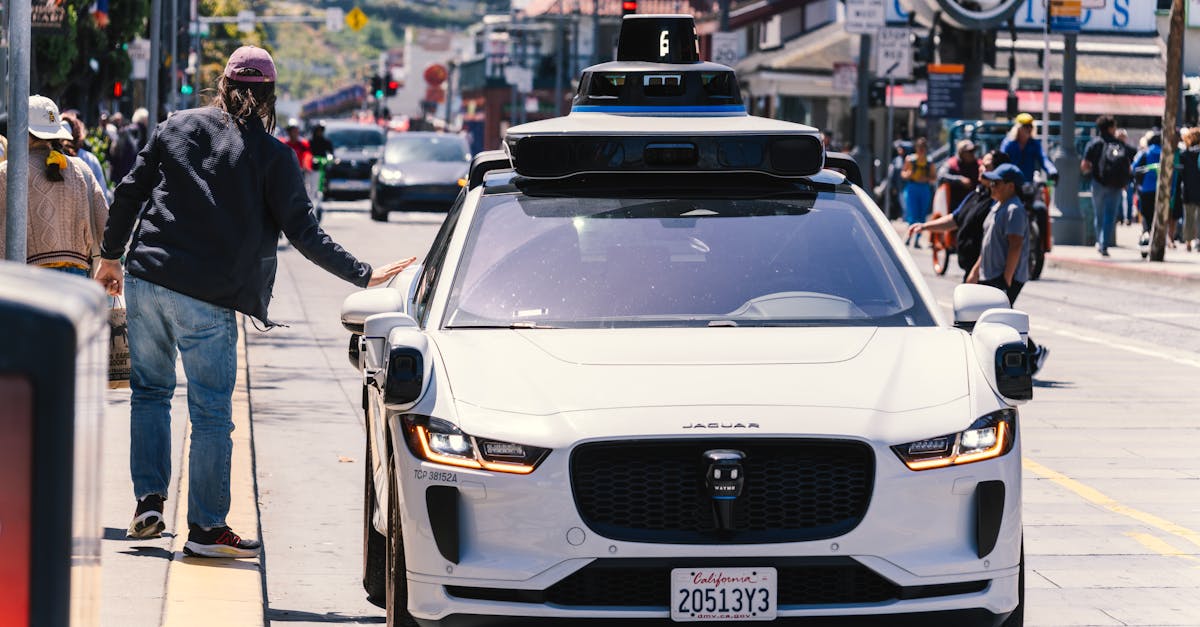
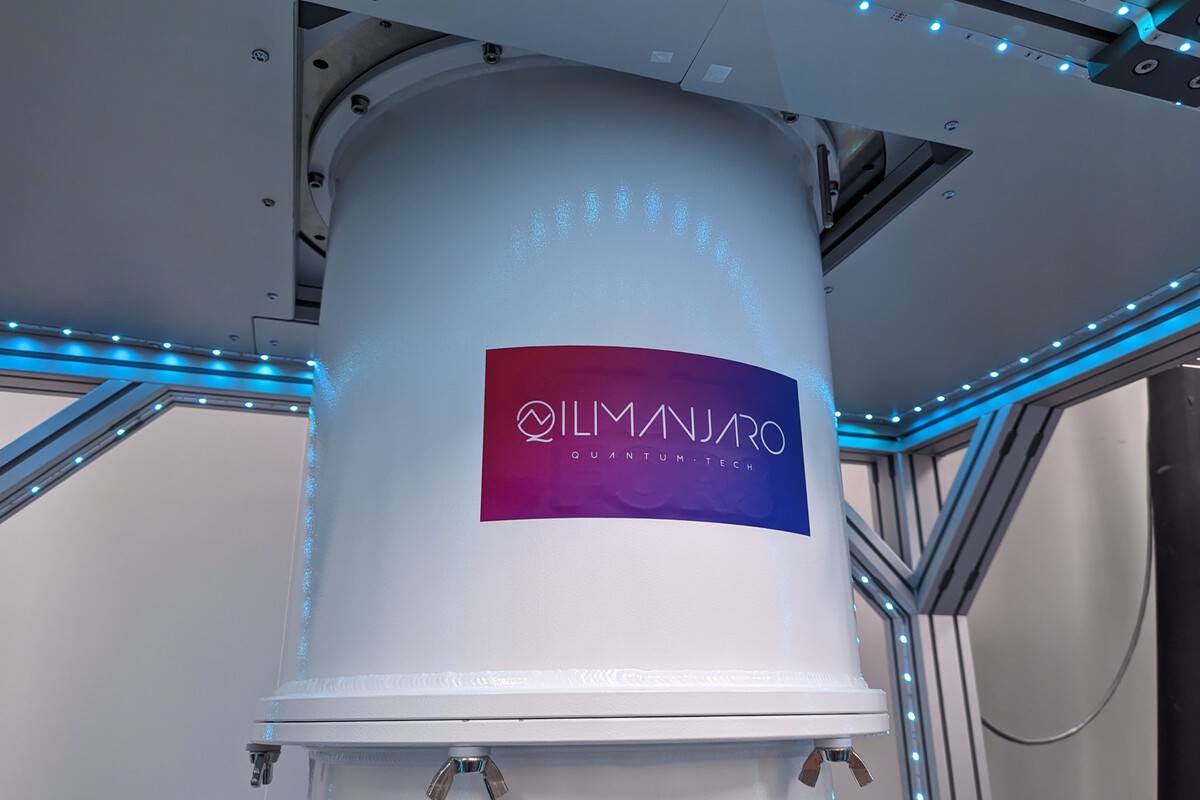
The Barcelona Smart Street Lighting programme converted over 120,000 fixtures to IoT-connected LEDs, saving 30 per cent in energy while each lamp post doubles as an infrastructure node hosting environmental sensors, Wi-Fi access points, and 5G small cells. T-mobilitat — Smart Public Transport Ticketing is modernising contactless ticketing across the metropolitan transport system, and Bicing 2.0 — Smart Bike-Sharing System, with over 7,000 bicycles and IoT-enabled fleet management, has become routine infrastructure rather than experiment. The Barcelona Digital Twin integrates geospatial data and live sensor feeds for urban planning, while the €97 million Quantum Spain — BSC Quantum Computer quantum computing initiative signals longer-term scientific ambitions.
Fab Lab Barcelona (IAAC) at the Institute for Advanced Architecture of Catalonia pioneered the Smart Citizen Kit — Community Environmental Monitoring — an open-source environmental sensor that communities use to independently monitor air quality and noise — embodying the city's ethos that data collection should be a civic act, not a corporate one.
Where the Superblock Meets the Terrace
Ask a Barcelona resident where they experience the smart city, and the answer is likely to be personal rather than technical. It might be the reclaimed intersection in Sant Antoni where children now play on what was once a traffic-choked crossing. It might be completing a municipal procedure through the Barcelona Fàcil — Digital City Services Portal portal from a phone at a neighbourhood café. Or glancing at air quality data from a Smart Citizen sensor mounted on a neighbour's balcony.
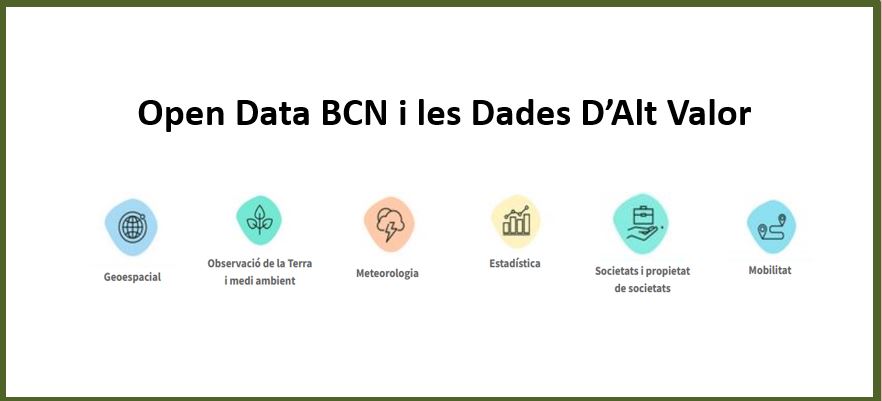
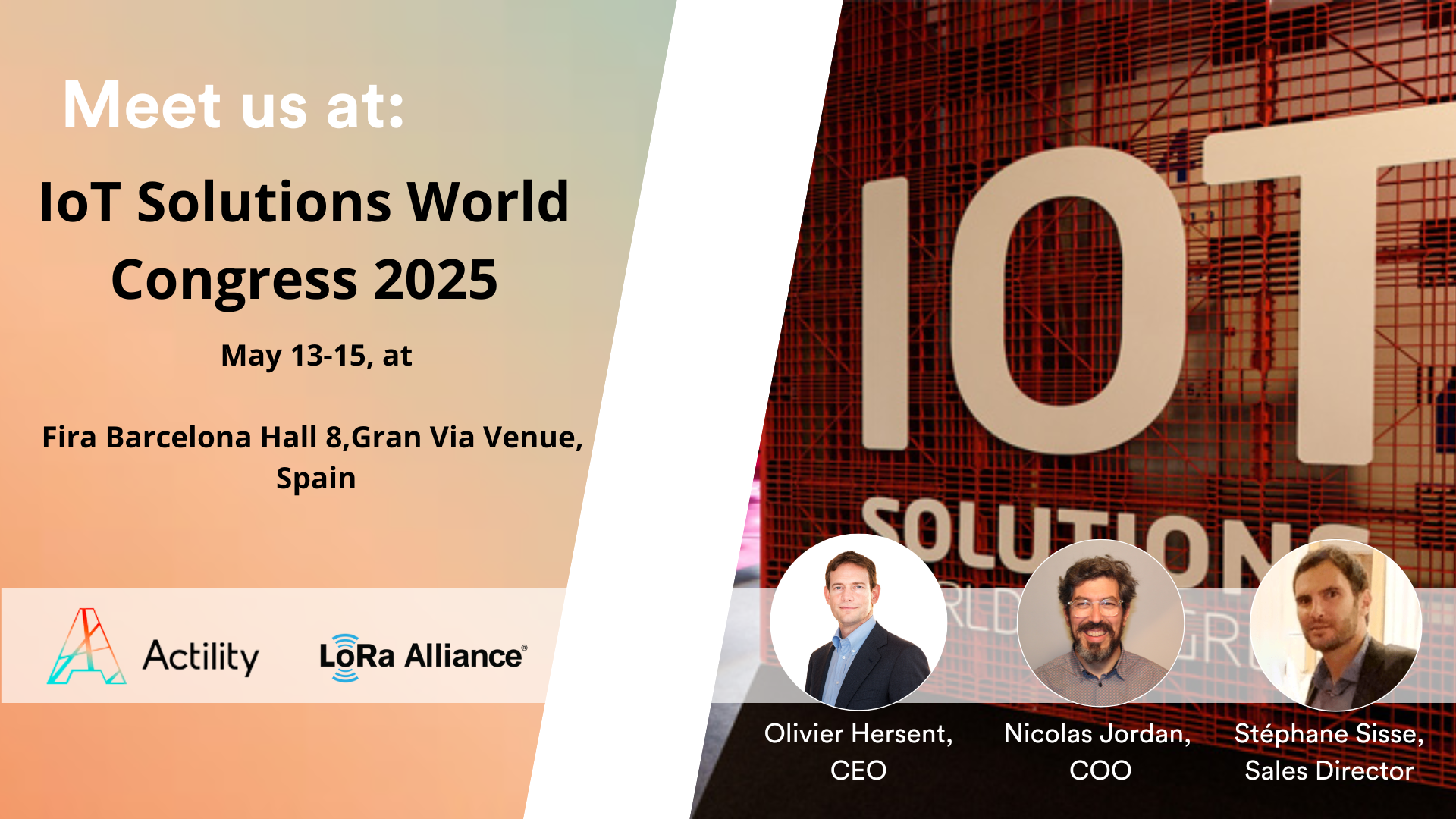
The Open Data BCN — Barcelona Open Data Portal portal, launched in 2011, publishes hundreds of datasets and consistently ranks among Europe's top municipal open data initiatives, feeding civic applications and journalistic investigations alike. Each November, the Smart City Expo World Congress, organised by Fira de Barcelona, draws over 25,000 attendees from 140 countries — making the city the world's foremost venue for urban technology exchange, a convening power reinforced by the Mobile World Congress 2026 and the IoT Solutions World Congress 2025.
There is a thread connecting Barcelona's smart city ambitions to a cultural instinct that predates any sensor: the Mediterranean habit of living outdoors. Catalans call it fer vida al carrer — making life in the street. The Superblocks programme, at its core, is a technologically informed restoration of something Barcelona has always valued: the public square as living room, the pavement café as office, the evening passeig as civic ritual. When a city reclaims a road junction and plants trees where cars once idled, it is not just reducing particulate matter — it is honouring a way of life.
For a visitor walking through a transformed Eixample crossing at dusk — where neighbours chat over vermouth, sensors quietly log improvements in air quality, and the chamfered corners Ildefons Cerdà designed for ventilation and light do their work — the promise of the smart city feels less like technology and more like common sense.
References38 resources15 external
Resources

Knowledge
22@ Barcelona: From Industrial District to Innovation Hub
From textile factories to a smart‑city hub, 22@ hosts 10k firms, 150k workers, green tech.

Project
Superblocks (Superilles) — Tactical Urbanism Programme
Sensors track air quality, noise, temperature; 21 green corridors aim to pedestrianize one‑third of streets.
Event
Mobile World Congress 2026
Smart city strategists and telecom professionals exploring next‑gen connectivity and urban innovation.
Project
Barcelona Smart Street Lighting
Over 100,000 LEDs cut energy 30%, add sensors, Wi‑Fi, EV chargers, real‑time data.
Project
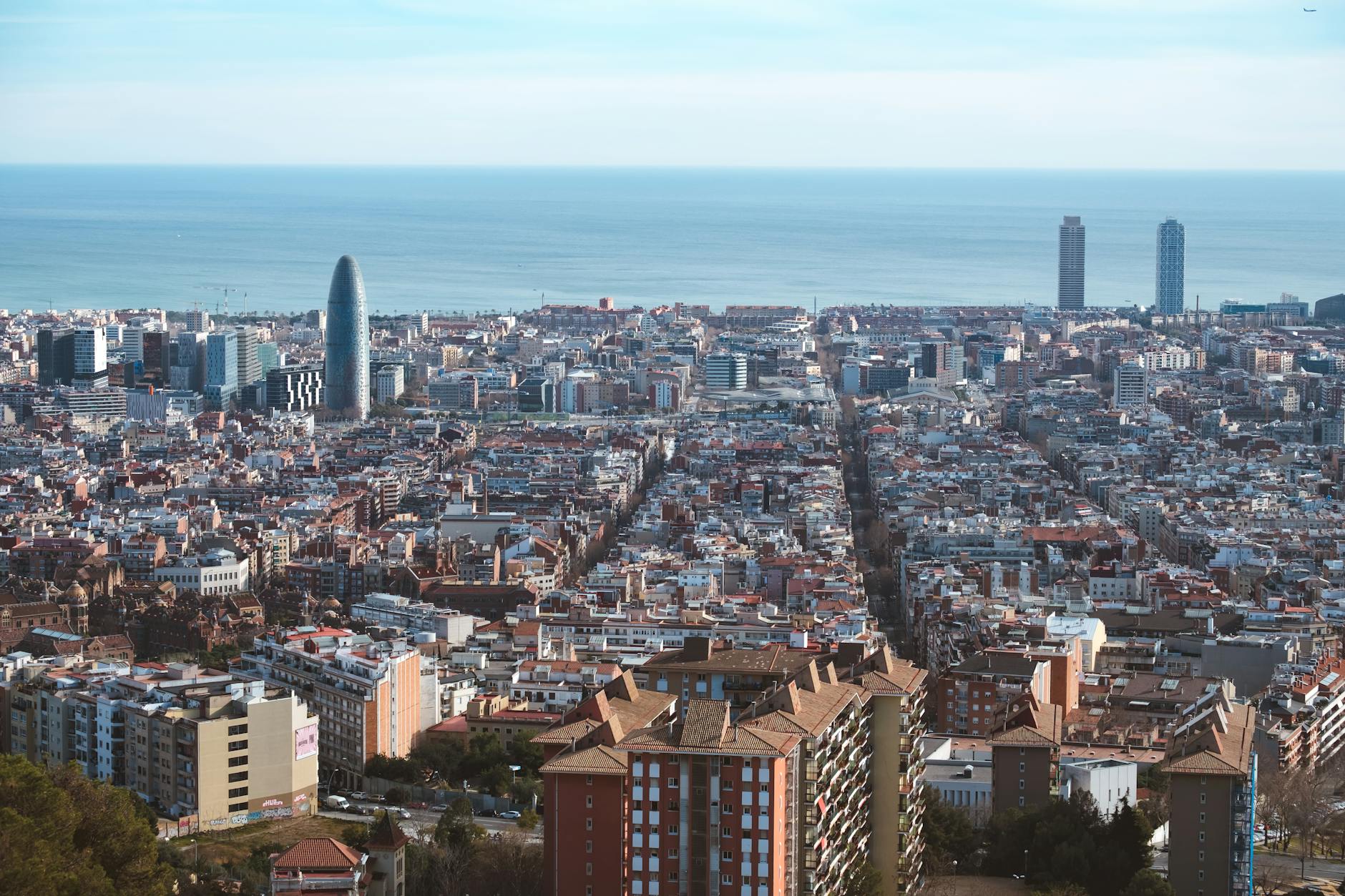
Barcelona Digital Twin
Over 20,000 IoT sensors power real‑time climate, traffic and flood simulations across Barcelona.

Organisation
Ajuntament de Barcelona — Digital Transition
Leads Barcelona's digital transformation, fostering open data, citizen participation, urban innovation through technology.

Organisation
Fab Lab Barcelona (IAAC)
Creates citizen‑centric smart city solutions via IoT sensors, advancing climate sustainability globally.
Organisation
Generalitat de Catalunya — SmartCatalonia
Coordinates smart city strategies, delivering digital infrastructure, data platforms, and IoT support.
Organisation
i2CAT Foundation
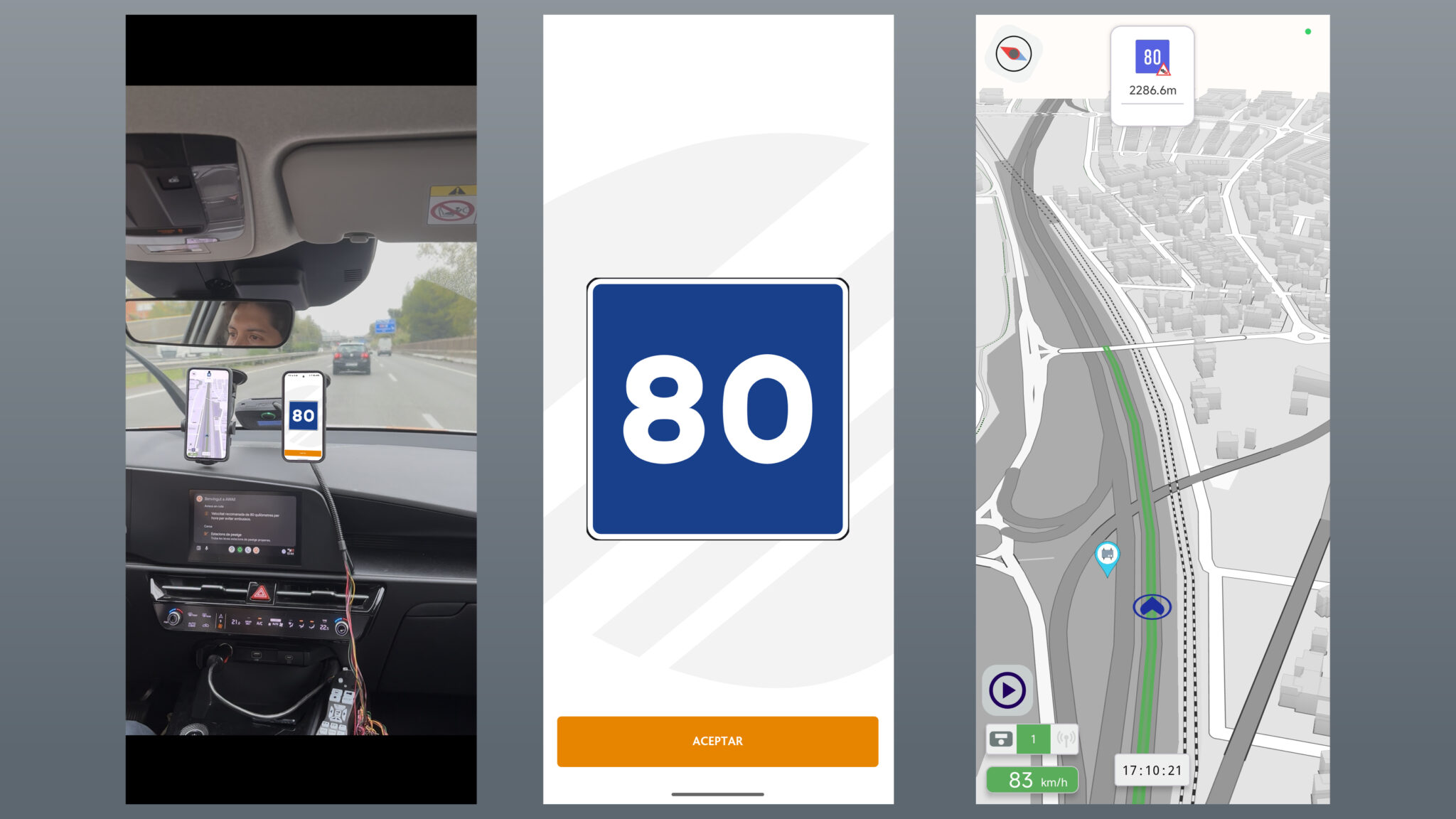
Advances 5G, IoT, AI for smart cities via research and living labs.

Organisation
Institut Municipal d'Informàtica (IMI)
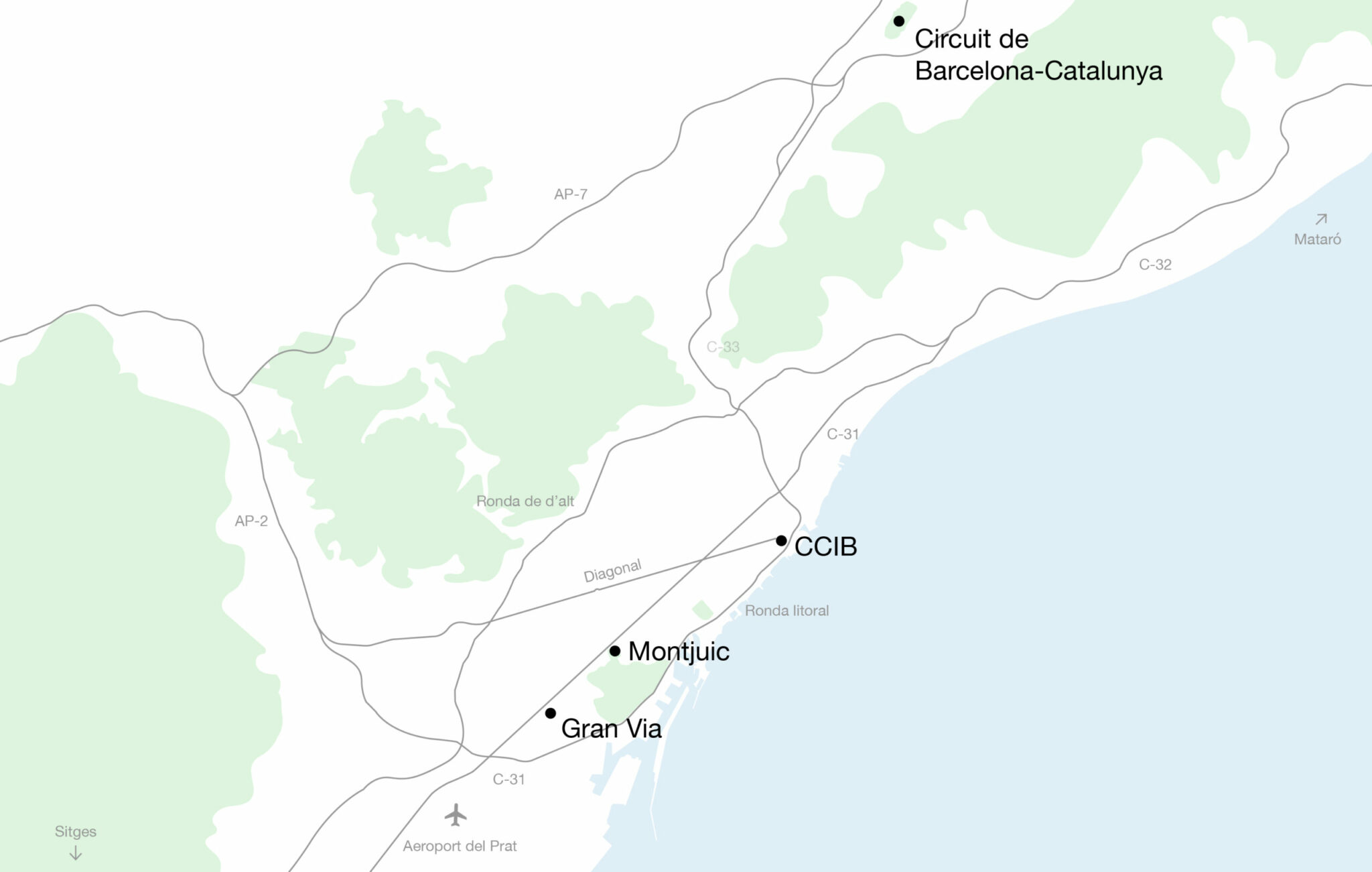
Delivers municipal ICT services, drives digital transformation, and leads smart‑city initiatives across.
Organisation
Fira de Barcelona
Hosts global trade fairs driving smart city, mobility, and digital infrastructure innovation.
Organisation
Smart City Expo World Congress
Global event showcasing smart city technologies, urban innovation, and sustainable development solutions.

Organisation
Mosaic Factor
Provides AI-powered digital twins and urban analytics for smarter, sustainable European cities.
Organisation
Eurecat Technology Centre
Delivers applied research and innovative AI, data, IoT solutions for smart cities.
Organisation
Barcelona Supercomputing Center (BSC)
Advances digital twins, climate modeling, and AI-driven urban sustainability solutions.
Organisation
Circontrol
Provides EV charging infrastructure and smart parking IoT solutions for sustainable mobility.
Project
Smart Citizen Kit — Community Environmental Monitoring
Hyperlocal sensors measure PM₂.₅, NO₂, O₃, noise, and weather, linking citizen data to global maps.
Organisation
22@ Barcelona Innovation District
Fosters smart urban innovation, linking tech, research, and businesses for sustainable development.

Organisation
BIT Habitat Foundation
Advances affordable, sustainable housing using smart technology, data, and community engagement solutions.

Organisation
Universitat Politècnica de Catalunya (UPC)
Advances smart city innovation through research, education, and urban technology collaborations projects.
Project
T-mobilitat — Smart Public Transport Ticketing
Fare capping guarantees lowest price, NFC cards track journeys, real‑time flow data guides service.
Knowledge
Barcelona Digital City Plan 2023-2027
Barcelona's plan champions open‑source software, data sovereignty, free Wi‑Fi, AI ethics, and citizen‑centered digital rights.
Knowledge
Open Data BCN — Barcelona Open Data Portal
Barcelona’s portal offers live sensor data, ethical data commons, linked open data, and EU‑recognized transparency.
Project
Quantum Spain — BSC Quantum Computer
Catalonia’s €97 M CatLab merges quantum processors with supercomputing for smart‑city traffic and energy solutions.
Organisation
Cisco Systems — Barcelona Innovation Centre
Develops IoT and networking solutions to create sustainable, connected smart city ecosystems.
Project
Bicing 2.0 — Smart Bike-Sharing System
AI‑driven bike rebalancing, IoT‑enabled stations, and e‑bike placement transform Barcelona’s mobility.

Project
Barcelona Fàcil — Digital City Services Portal
Offers 300+ online procedures, multilingual support, real‑time tracking, and accessibility for all citizens.
Event
IoT Solutions World Congress 2025
Smart city strategists and industry leaders learn IoT applications for cities and industries.
Organisation
Aigües de Barcelona (Agbar)
AI-driven smart water network optimizes distribution, detects leaks, and enhances sustainability efficiency.

Organisation
Barcelona Regional
Data‑driven urban planning enhances infrastructure, climate resilience, and livable neighborhoods through innovative projects.
Organisation
Barcelona Activa
Fosters entrepreneurship, digital skills, and urban innovation through training and startup incubation.

Organisation
Barcelona District Cooling Network — Districlima
Runs district heating/cooling system with renewable waste energy, boosting efficiency, cutting emissions.
Organisation
Cellnex Telecom
Provides digital infrastructure—towers, small cells, fibre, edge computing—for 5G, IoT, and smart mobility across European cities.

Organisation
Universitat de Barcelona (UB)
Academic research and education delivering climate, sustainability, AI solutions for smart cities.

Organisation
Worldsensing
Delivers IoT sensor solutions for smart parking and urban infrastructure monitoring worldwide.
Organisation
Àrea Metropolitana de Barcelona (AMB)
Promotes sustainable urban development through smart mobility, climate action, waste management, and digital services.
Project
Barcelona Smart Water Network — Aigües de Barcelona
AI sensors cut Barcelona’s water loss to under 8%, saving millions of litres annually.

Organisation
Decidim
Open-source platform enabling citizen proposals, debate, voting for transparent, collaborative governance decision-making.
External Sources
Spain's top court backs Barcelona's plan to ban holiday apartmentsreuters.comBarcelona, the capital of technological humanismcitiesfordigitalrights.orgBarcelona first city globally to adopt UN open-source principlesinteroperable-europe.ec.europa.euSmart Barcelona: the gap between inspiring rhetoric and lackluster implementationtandfonline.comPolicy vs perception: Barcelona's culture war over urban spacegreeneuropeanjournal.euDecidim Barcelona, Spainids.ac.ukUrban planning with superblocks: Barcelona, Spainebrdgreencities.comResilience in Action: Barcelona's Superblock Programmecoebank.orgEnvironmental and health effects of the Barcelona superblockspmc.ncbi.nlm.nih.govSuperilles Barcelona — Winner of the NEB Prizes 2025neweuropeanbauhaus.esThe implementation of the Superblocks programme in Barcelonac40.orgBarcelona impulsa una estrategia de inteligencia artificial ética y democráticaesmartcity.esesmartcity.esesmartcity.esHousing actions 2026–2033habitatge.barcelonaBarcelona's Superblocks: An unfinished urban planning policy paradigm shiftsciencedirect.com