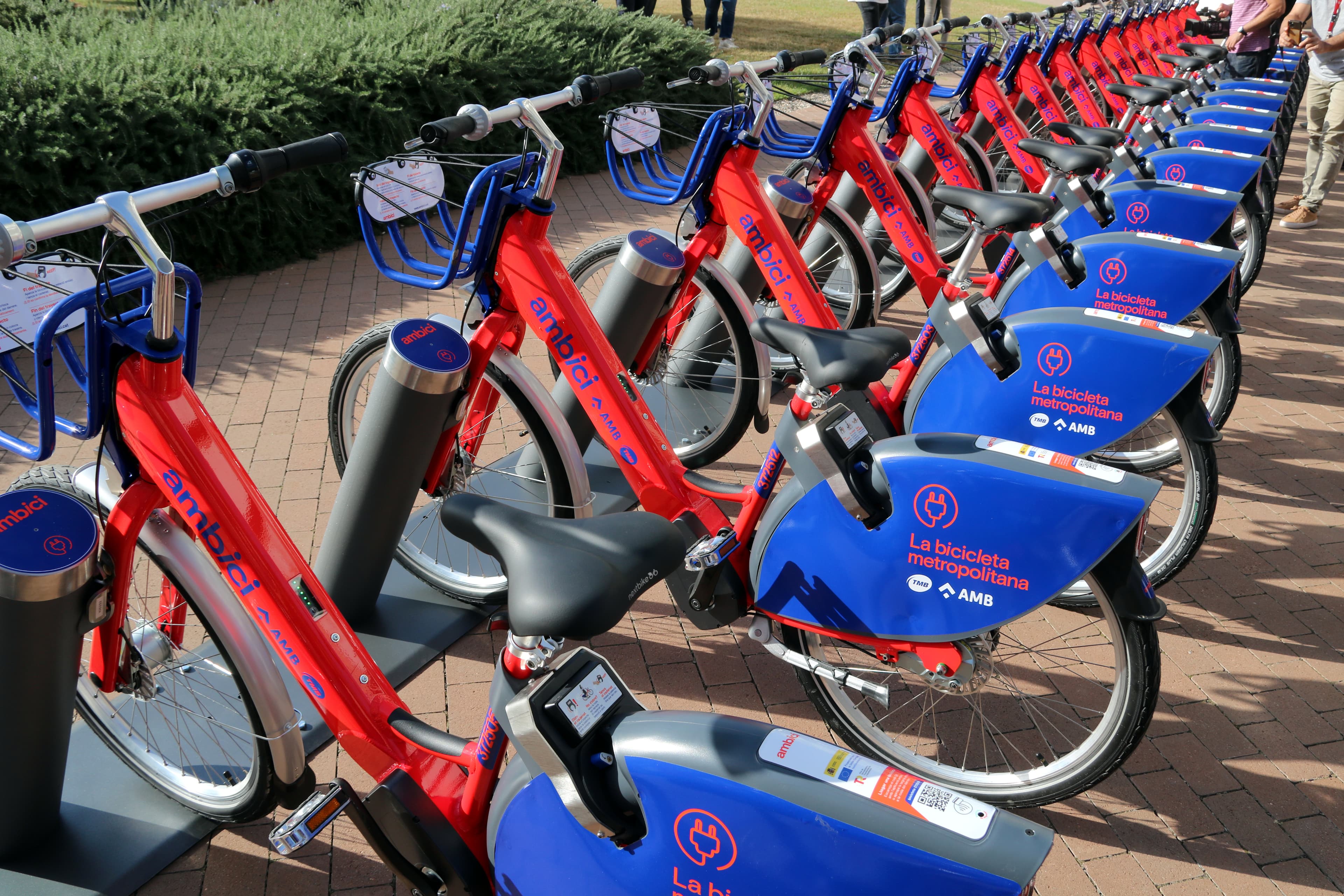
Bicing is Barcelona's public bike-sharing system, launched in March 2007 by Barcelona City Council (Ajuntament de Barcelona). It is one of Europe's earliest and most successful urban bike-sharing programmes, designed exclusively for city residents as a sustainable complement to the existing public transport network. The system currently offers over 6,000 mechanical and electric bicycles distributed across more than 420 stations throughout Barcelona's neighbourhoods. Stations are strategically placed near metro and bus stops to facilitate multimodal commuting.
The service operates on an annual subscription model and is accessible via the SMOU mobile app, which provides real-time information on bike availability, station locations, and route planning. Electric bikes, identifiable by a lightning icon, have grown in popularity and now represent a significant share of trips. Bicing is explicitly not a tourist rental service; users must hold a Spanish national ID (DNI), a foreigner identification number (NIE), or a residency card and be at least 16 years old.
Bicing is closely integrated into Barcelona's broader urban transformation strategy, particularly the Superblocks (Superilles) programme, which reclaims street space from cars in favour of pedestrians, cyclists, and green areas. The city has been expanding its network of separated bike lanes shaped around the Superblock grid, directly supporting Bicing ridership growth. Research from institutions including Harvard's Data-Smart City Solutions highlights Bicing as a key element of Barcelona's smart city infrastructure, leveraging IoT sensors and data analytics for fleet management and predictive maintenance.
Despite accounting for a relatively small share of total trips, cycling in Barcelona is rising steadily, and Bicing plays a central role in the city's strategy to reduce car dependency, lower emissions, and improve urban liveability.