Loading...
City
Rome
Country🇮🇹 Italy
Smart City of the Year — and the Surprises Behind the Award
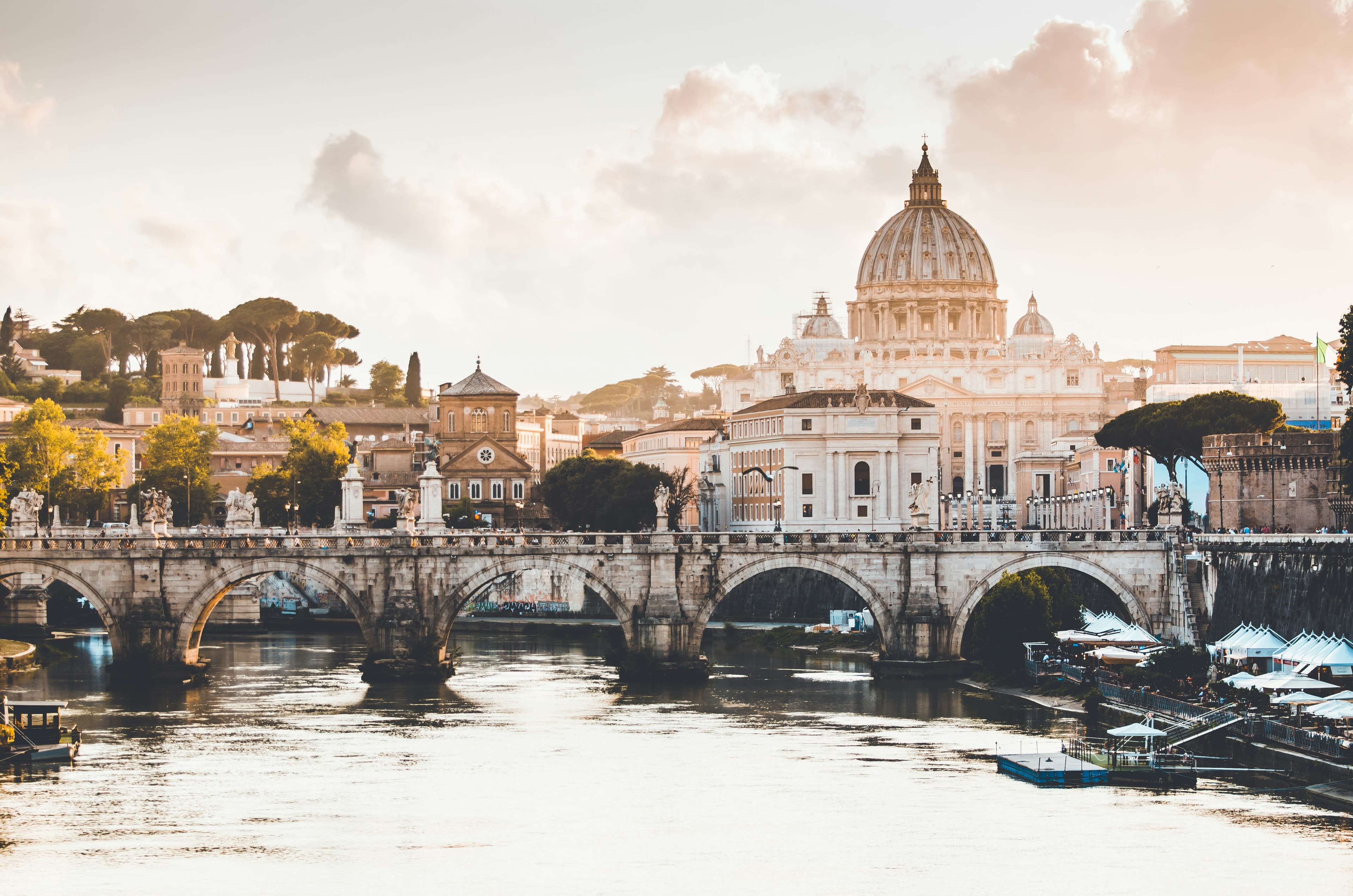
When Rome was crowned Smart City of 2025 at the Smart City Expo World Congress in Barcelona, some observers did a double take. The Eternal City — synonymous with ancient ruins, traffic chaos, and a bureaucracy that predates most European nation states — seemed an unlikely champion. But the jury's reasoning was emphatic: Rome's strategy "the City is Transforming" was "leveraging data, 5G and digital twins to enhance urban governance, improve public services and build resilience," the award citation stated. The recognition acknowledged not perfection but trajectory — a city of 2.75 million people, burdened by centuries of layered infrastructure, making unexpectedly rapid progress.
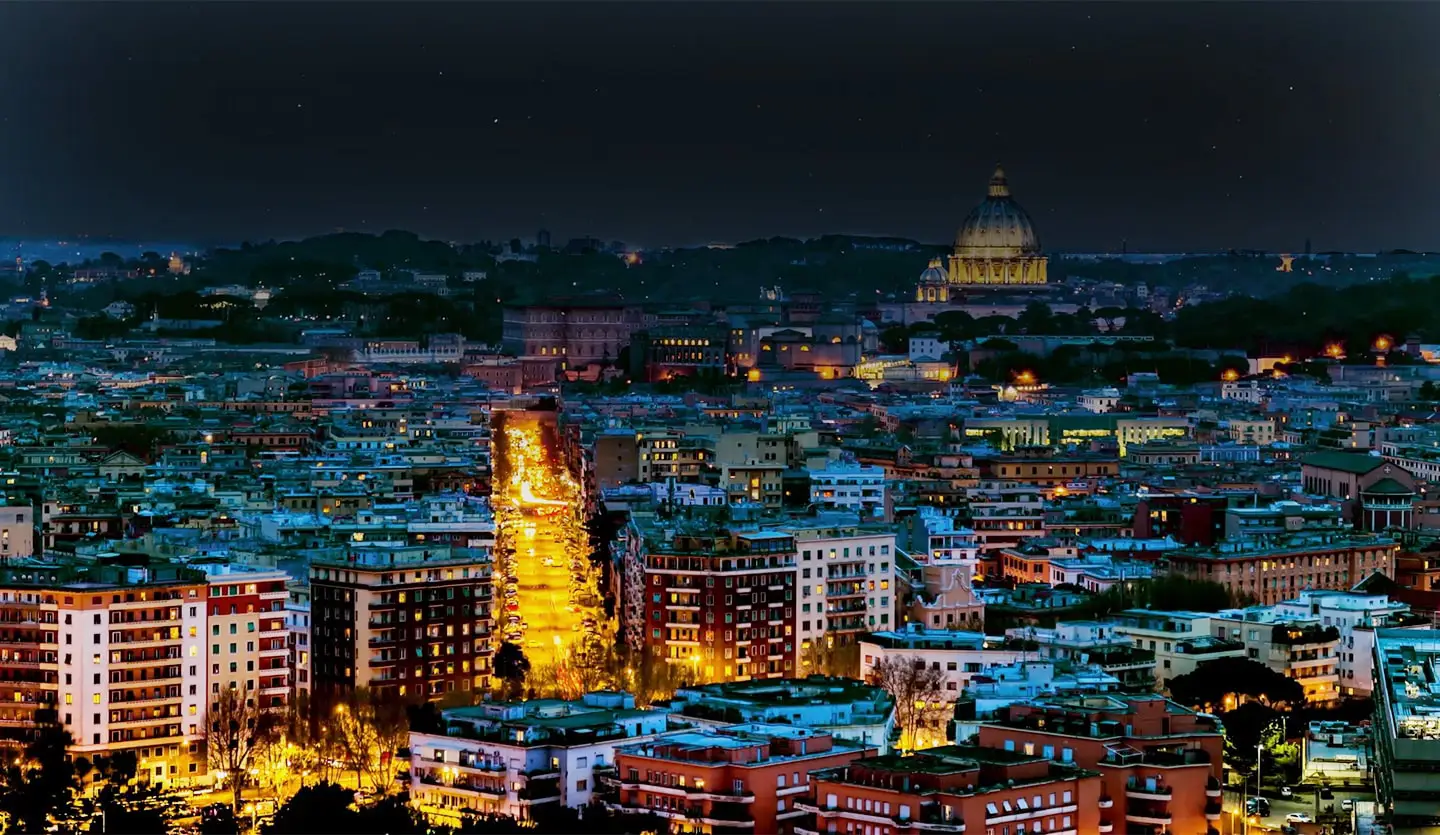
The catalyst was the 2025 Jubilee. With 32 million additional pilgrims expected, Rome faced a deadline that no amount of bureaucratic delay could move. The Jubilee 2025 Smart Infrastructure programme, backed by EUR 1.8 billion from Italy's National Recovery and Resilience Plan (PNRR), triggered the most comprehensive modernisation of Rome's urban systems in decades — new Metro C stations with AI-managed crowd flows, an expanded 5G network across the historic centre, smart waste management for peak visitor periods, and environmental monitoring stations protecting fragile heritage sites from the impacts of mass tourism.
A Digital Department for an Analogue Capital
At the institutional heart of Rome's transformation sits the Roma Capitale - Dipartimento Trasformazione Digitale of Roma Capitale — the city's dedicated digital transformation department. The department coordinates the Roma Smart City Strategy, launched in March 2021 and structured around the UN Agenda 2030's Sustainable Development Goals. The strategy is built on three interconnected layers: digital infrastructure (including the Roma 5G project, which has brought free public Wi-Fi to over 100 piazzas through more than 850 hotspots); data management (centred on the Roma Capitale Open Data Portal, a pioneering platform for Linked Open Data that publishes datasets on transport, environment, demographics, and budgets); and service delivery (the Agenda Digitale Roma - Digital Citizen Services programme, providing digital access to over 200 municipal services for the city's 2.9 million residents through Italy's national SPID digital identity system).
A distinctive feature of Rome's governance model is the Roma Smart City Lab Council, a multi-stakeholder body that brings together institutions, companies, and citizens to advise on the city's digital strategy. A study published in MDPI Sustainability found that while participatory governance in Rome's digitalisation process faces significant challenges — including "varying levels of digital literacy, power asymmetries among stakeholders, and insufficient mechanisms for meaningful participation" — the Council represents a promising step toward more inclusive urban innovation. Rome is also a member of the Cities Coalition for Digital Rights, reinforcing its commitment to ethical, citizen-centred data governance.
Where Ancient Infrastructure Meets Urban AI
Rome's smart city ecosystem draws on an unusual blend of global energy firms, national research agencies, university labs, and a grassroots innovation culture that thrives in unexpected corners of the city.
ACEA Innovation, the technology arm of Rome's principal multi-utility company, operates one of Italy's most ambitious smart grid programmes. The ACEA Smart Grid Rome has deployed more than 1.5 million smart electricity meters across the metropolitan area, while AI-powered acoustic sensors across 11,000 kilometres of water pipes detect leaks within hours — reducing water losses by approximately 25 per cent in a Mediterranean capital where scarcity is an increasing concern. Smart public lighting, with over 150,000 connected LED fixtures, adjusts brightness based on pedestrian activity, time of day, and ambient conditions.
Enel X, headquartered in Rome and the advanced energy services division of the Enel Group, brings global scale to the city's smart energy ambitions, operating adaptive lighting systems in hundreds of municipalities and one of Europe's largest EV charging networks. At the research end of the spectrum, the Sapienza University Smart City Lab applies AI and urban computing to challenges from mobility modelling to building energy optimisation. ENEA, Italy's national agency for new technologies and sustainable development, provides the scientific backbone for energy efficiency standards, smart building technologies, and climate adaptation strategies — supporting municipalities across Italy in developing their Sustainable Energy and Climate Action Plans.
From Electric Buses to Pilgrim Flows
The Roma Green Mobility - Electric Bus Fleet programme — more than 800 electric buses funded through the PNRR — is transforming one of Europe's most congested cities. Smart depot charging with grid load balancing, predictive maintenance using onboard IoT sensors, and AI-optimised route planning aim to make public transport cleaner and more reliable. The Roma Mobilità - Smart Transport Platform platform, integrating 1,500 traffic sensors with AI-optimised signal coordination and real-time bus and metro tracking, tackles the challenge of moving people through a city where ancient street patterns were never designed for modern traffic volumes.
The Jubilee provided the ultimate stress test. Smart Tourism Rome - Cultural Heritage IoT deployed IoT crowd-density sensors and AI-predicted visitor flow modelling across major heritage sites, dynamically routing pilgrims between basilicas and suggesting less-visited alternatives among Rome's vast network of over 900 churches. "We discovered that technology could help us not just manage crowds but actually improve the experience of visiting Rome," city officials told Agenda Digitale during the Jubilee preparations. The digital wayfinding system has since become a permanent feature of the city's tourism management toolkit.
Beyond the Jubilee spotlight, the Tecnopolo Tiburtino Innovation District is developing a technology corridor along the Via Tiburtina, anchored by partnerships with the European Space Agency and Rome's major universities. The district brings together cybersecurity firms, Earth observation companies, and smart city solution providers — building a tech sector that diversifies Rome's economy beyond tourism and government. Maker Faire Rome, Europe's largest innovation fair organised by Innova Camera, attracts over 100,000 visitors annually, demonstrating that bottom-up, citizen-driven innovation is alive and well in a city often associated with top-down governance. The annual Rome Future Week 2025, spread across iconic venues from historic palazzos to co-working spaces, further bridges the gap between the capital's heritage and its digital ambitions.
Piazza, Passeggiata, and the App That Knows the Queue
The most Roman experience of the smart city is, perhaps, the least technological. On a warm evening, residents take the passeggiata — the evening stroll through the city's piazzas that has been a social ritual for centuries. They pass through the Piazza Navona, where the new 5G-connected infrastructure provides seamless connectivity without a single visible antenna disturbing the Baroque facades. They check the Muoversi a Roma app for real-time bus arrivals, consult air quality readings near their children's school, or use digital ticketing to bypass the queue at a heritage exhibition.
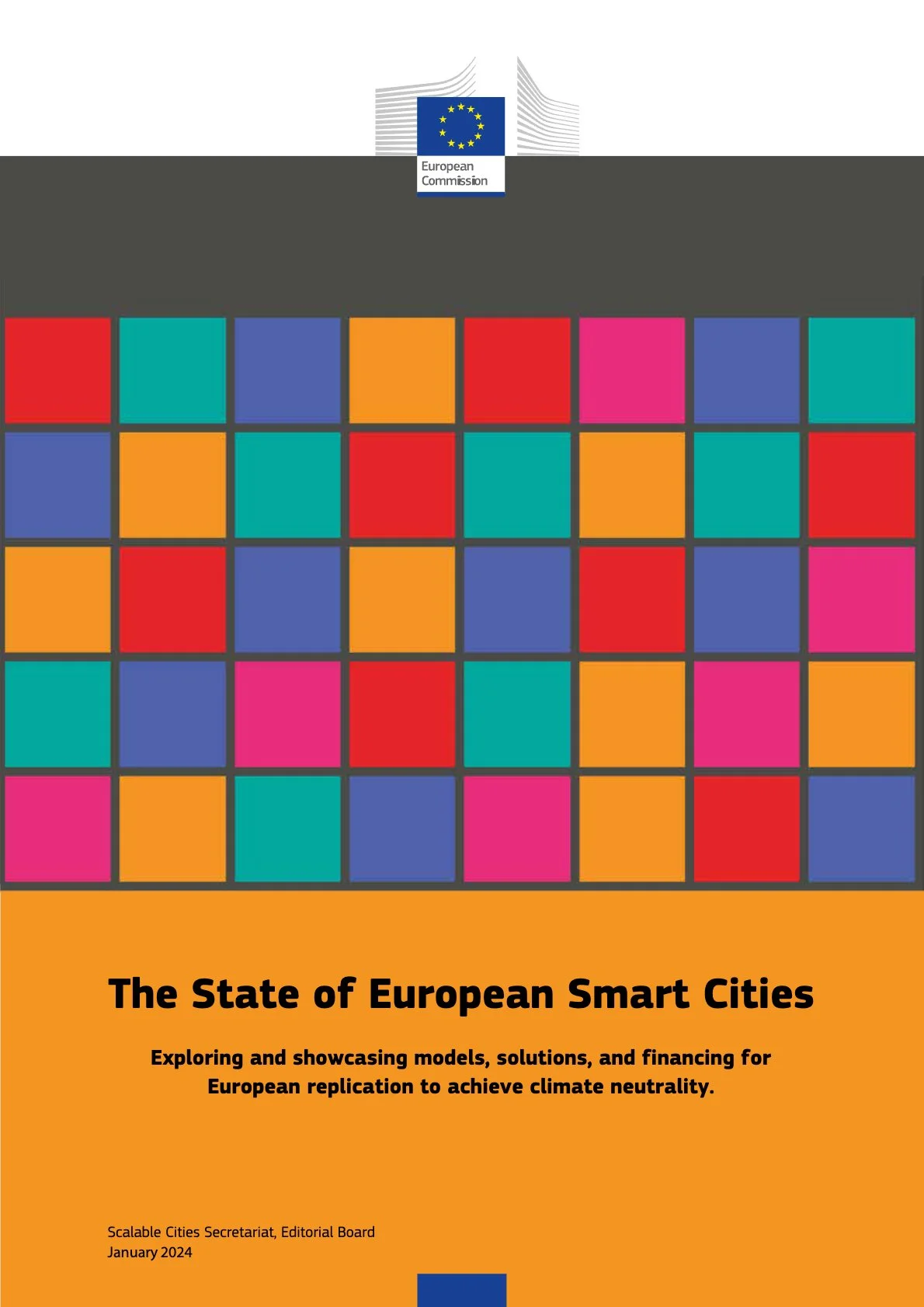
Rome's relationship with technology has always been paradoxical — a city that invented aqueducts and concrete but spent decades struggling with basic waste collection. The The State of European Smart Cities: Exploring and showcasing models, solutions, and financing for European replication to achieve climate neutrality report by the European Commission highlighted how cities with complex legacy systems can nonetheless achieve meaningful digital transformation by combining EU investment, participatory governance, and a willingness to learn from their own pilot projects. The smart city programme does not pretend to have resolved Rome's paradoxes. What it has done, through the pressure of the Jubilee and the ambition of the "City is Transforming" strategy, is demonstrate that the Eternal City's legendary capacity for reinvention extends into the digital age. Rome has been reborn before. This time, it is being reborn with data.
In early 2026, the INWIT Smart City Roma paper consolidated the post-Jubilee story: 4G and 5G connectivity is now active in all Line A metro stations and tunnels via a multi-operator DAS, with extension to Metro Lines B, B1 and C planned by end-2026 — a shared digital infrastructure that mobile operators co-use under Roma Capitale's coordination. The Boldyn Networks Roma 5G partnership provides the wider neutral-host backbone for outdoor Wi-Fi and small cells across the historic centre. The honest counterpoint is the IMD Smart City Index 2026, which placed Rome 143rd and flagged a structural gap: technology scores exceed structures scores, with low marks on anti-corruption and citizen participation — a reminder that even an award-winning trajectory still has to deliver on day-to-day governance.
References16 resources10 external
Resources

Event
Rome Future Week 2025
Synopsis: Urban innovators, smart city professionals, and entrepreneurs exploring tech-driven heritage and sustainable tourism.
Knowledge
Roma Capitale Open Data Portal
Rome’s portal offers linked open data, smart‑city tools, and EU‑recognized transparency beyond mere datasets.
Project
Roma Green Mobility - Electric Bus Fleet
800+ electric buses, AI routing, predictive maintenance, smart charging transform Rome’s air quality.

Project
Agenda Digitale Roma - Digital Citizen Services
Synopsis: Rome’s platform links 2.9 M residents to 200 services, offers SPID login and multilingual support.

Project
ACEA Smart Grid Rome
Smart meters, AI leak detection, 150k LED lights, microgrids—Rome’s utilities become predictive, water‑saving.
Knowledge
The State of European Smart Cities: Exploring and showcasing models, solutions, and financing for European replication to achieve climate neutrality
Teasing climate‑neutral city models, €345 M EU funding, 120 cities, 550+ solutions, and groundbreaking financing insights.
Project
Roma Mobilità - Smart Transport Platform
AI predicts congestion, optimizes signals, and coordinates buses, trams, metros, plus shared mobility.
Knowledge
Roma Smart City Strategy
Rome’s plan combines 5G Wi‑Fi, AI‑driven waste routes, smart lighting, open data, and heritage digitisation.
Organisation
ENEA
Advances sustainable energy, climate research, and smart‑city technologies for Italy’s urban future.
Organisation
Sapienza University Smart City Lab
Creates AI-driven urban mobility, energy, and planning solutions with citizen participation across
Organisation
Roma Capitale - Dipartimento Trasformazione Digitale
Drives Rome's digital transformation through smart city initiatives and citizen services infrastructure.
Project
Jubilee 2025 Smart Infrastructure
AI predicts crowd flows, 5G expands, smart waste sensors keep Rome spotless during Jubilee.
Organisation
Enel X
Provides smart city solutions like energy, lighting, e‑mobility, and digital infrastructure worldwide.
Organisation
ACEA Innovation
Develops smart city solutions integrating digital infrastructure, IoT, energy, water, waste management.
Project
Smart Tourism Rome - Cultural Heritage IoT
IoT sensors track crowd density, AI predicts peaks, routing 900+ churches, easing 15 M tourists.
Organisation
Tecnopolo Tiburtino Innovation District
Connects academia and industry to drive digital, AI, space, and smart‑city innovation.
External Sources
Rome: Our Smart City Model (Roma 5G)boldyn.comAll Roads Lead to Rome's Smart Cityyahoo.comIMD Smart City Index 2026 — Rome 143rdplacebrandobserver.comRome Crowned Smart City of 2025 at Barcelona Exposmartcitiesworld.netRome Capital Wins the Smart City Awardturismoroma.itSmart City Roma: Behind the Capital's Connectivityinwit.itRoma 2025: dal Giubileo verso la Smart Cityagendadigitale.euParticipatory Governance in Rome's Smart Citymdpi.comRoma — Cities Coalition for Digital Rightscitiesfordigitalrights.orgDeveloping a Smart City Platform for Romeb2match.com