Italy
The Renaissance of the Italian City — Now with Sensors
Italy has always been a country of cities. From the medieval city-states that incubated banking, art, and democratic governance to the industrial powerhouses of the north and the cultural capitals of the south, Italian urbanism is woven into the national identity. Today, that tradition is being reshaped by a wave of digital investment unlike anything the country has seen — driven by the massive National Recovery and Resilience Plan (PNRR), EU climate mandates, and a growing recognition that Italy's historic cities need twenty-first-century infrastructure to remain liveable.
The Italian smart city market reached €1.05 billion in 2024, growing at 5 per cent — below the European average of 9 per cent, but representing a real shift in municipal ambition. Forty-two per cent of Italian municipalities initiated smart city projects that year, and 91 per cent indicated they intend to do so within two years. IoT sensor deployments rose by 30 per cent and urban control centres by 40 per cent. The EY Smart City Index 2025 ranked Bologna, Milan, and Turin as the country's smartest cities, followed by Venice, Rome, Trento, and Cagliari. Yet Italy remains absent from the global top 50 in international rankings, a gap that reflects persistent challenges in digital skills, system integration, and the uneven distribution of innovation capacity between north and south.
The most dramatic recognition came in November 2025, when Rome was named Smart City of the Year at the Smart City Expo World Congress in Barcelona — a tribute to the Eternal City's ambitious transformation programme ahead of the 2025 Jubilee. Months earlier, Turin had been named European Capital of Innovation 2024/25, honouring its inclusive innovation ecosystem. Italy's smart city story is not one city's narrative — it is a polycentric mosaic, much like the country itself.
Between the PNRR and the Piazza: The Politics of Digitalisation
Italy's digital transformation is propelled by the PNRR — the country's €235 billion share of the EU's post-pandemic recovery fund — which includes substantial allocations for digitalisation, green transition, and infrastructure modernisation. The national strategy Italia Digitale 2026, coordinated by the Department for Digital Transformation, sets targets for cloud migration, digital identity, connectivity, and digital skills across public administration.
The scale of commitment is visible in Italy's Digital Decade roadmap, which outlines 67 measures backed by a total budget of €62.3 billion — equivalent to 2.84 per cent of GDP, one of the highest ratios in Europe. The European Commission's 2025 assessment praised Italy's "remarkable progress in digital infrastructure and digital public services" while noting persistent challenges in AI adoption, startup growth, and digital skills.
Alongside the PNRR, the Smarter Italy programme has pioneered innovation procurement, inviting companies to develop and test urban solutions for real municipal challenges. The Transizione 4.0 initiative supports industry and city digitisation through tax incentives. And nine Italian cities — including Milan, Rome, Bologna, Turin, Florence, and Bergamo — are part of the EU Mission for Climate-Neutral and Smart Cities, committing to carbon neutrality by 2030.
Yet the politics of Italian smart city development are shaped by familiar tensions. The north–south divide remains stark: Milan and Bologna have sophisticated data platforms and integrated urban management systems, while many southern cities lack basic digital infrastructure. Only 13 per cent of Italian provincial capitals have fully integrated systems for traffic, energy, and security. Municipal fragmentation — Italy has over 7,900 comuni — makes coordination difficult, and the gap between national ambition and local capacity is a recurring theme.
Critical voices point to the risk of "PNRR fatigue" — the challenge of spending vast sums quickly and effectively under tight EU deadlines, sometimes prioritising speed over strategic coherence. The question of digital rights and surveillance governance, while less politically prominent than in northern Europe, is increasingly debated, particularly as Rome and Milan expand their sensor and camera networks.
Milan Innovates, Rome Transforms, Turin Experiments: A Polycentric Ecosystem
Italy's smart city landscape reflects its polycentric urban geography. Each major city brings distinct strengths.
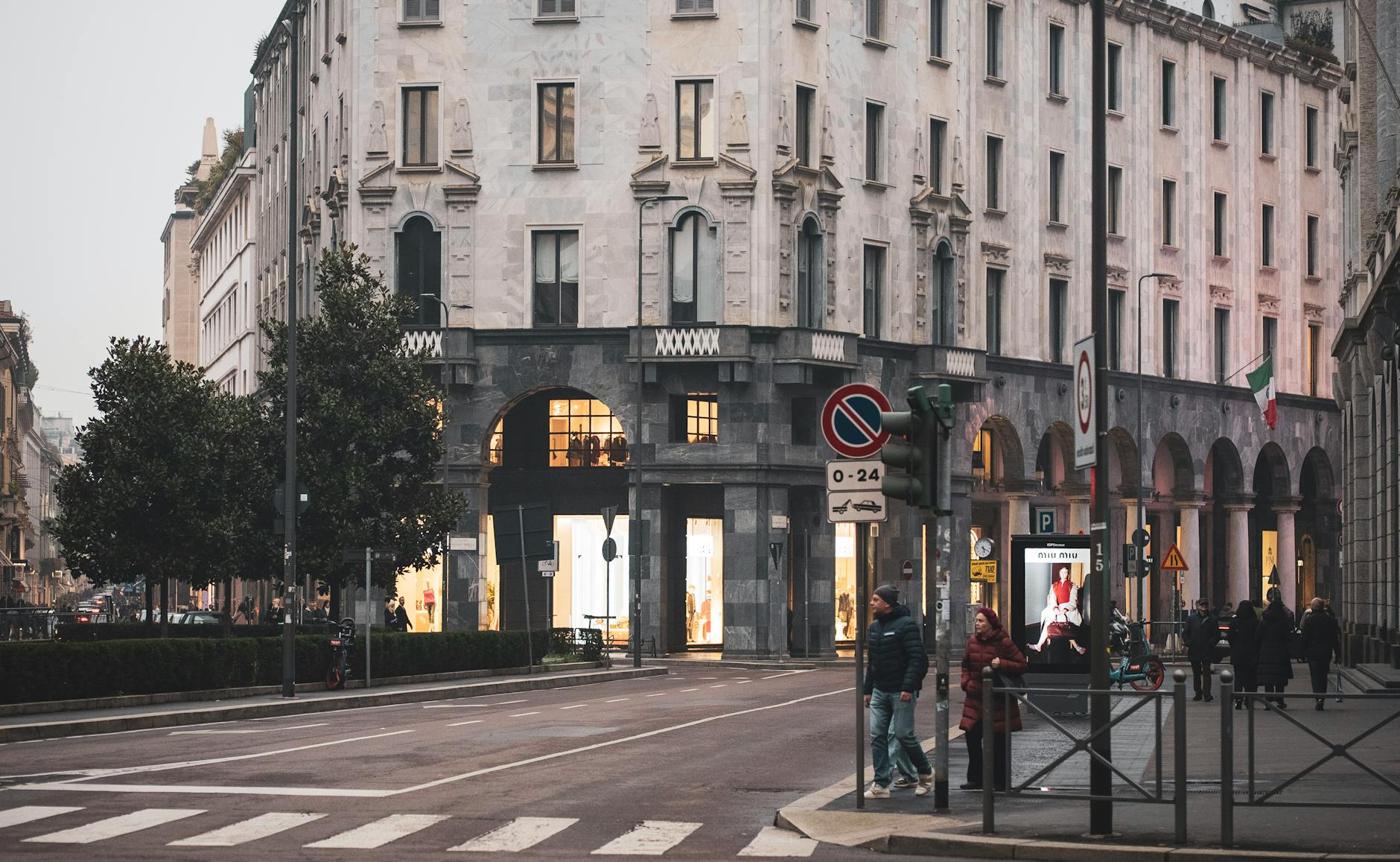
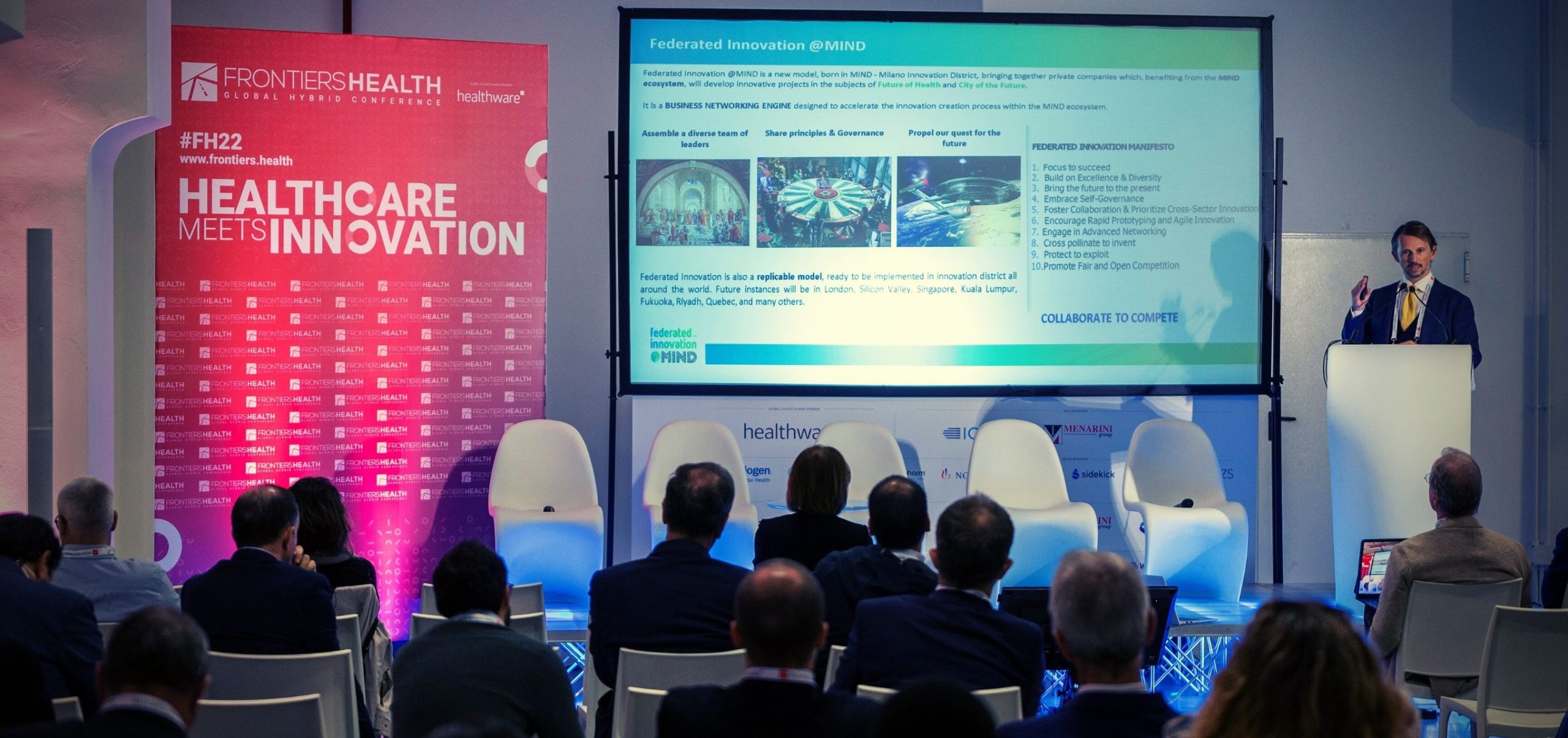
Milan has long been Italy's innovation capital. The MIND Milano Innovation District, built on the former Expo 2015 site, is one of Europe's most ambitious urban regeneration projects, integrating the Human Technopole research centre, the University of Milan, and Fondazione Triulza's civil society hub into a knowledge-driven district. AMAT Milan — Agenzia Mobilità Ambiente Territorio, the city's technical agency for mobility and environment, provides data-driven policy support, while A2A Smart City, Italy's largest multi-utility, manages extensive networks of smart infrastructure across northern Italy — from smart grids to IoT-enabled waste collection. Milan's Milan Mobility as a Service (MaaS) Pilot integrates public transport, bike-sharing, car-sharing, and scooters into a single digital platform, offering a glimpse of how multimodal urban mobility might work at scale. The Politecnico di Milano's Osservatorio Smart City and its Smart Mobility Report 2024 are reference points for practitioners across the continent.
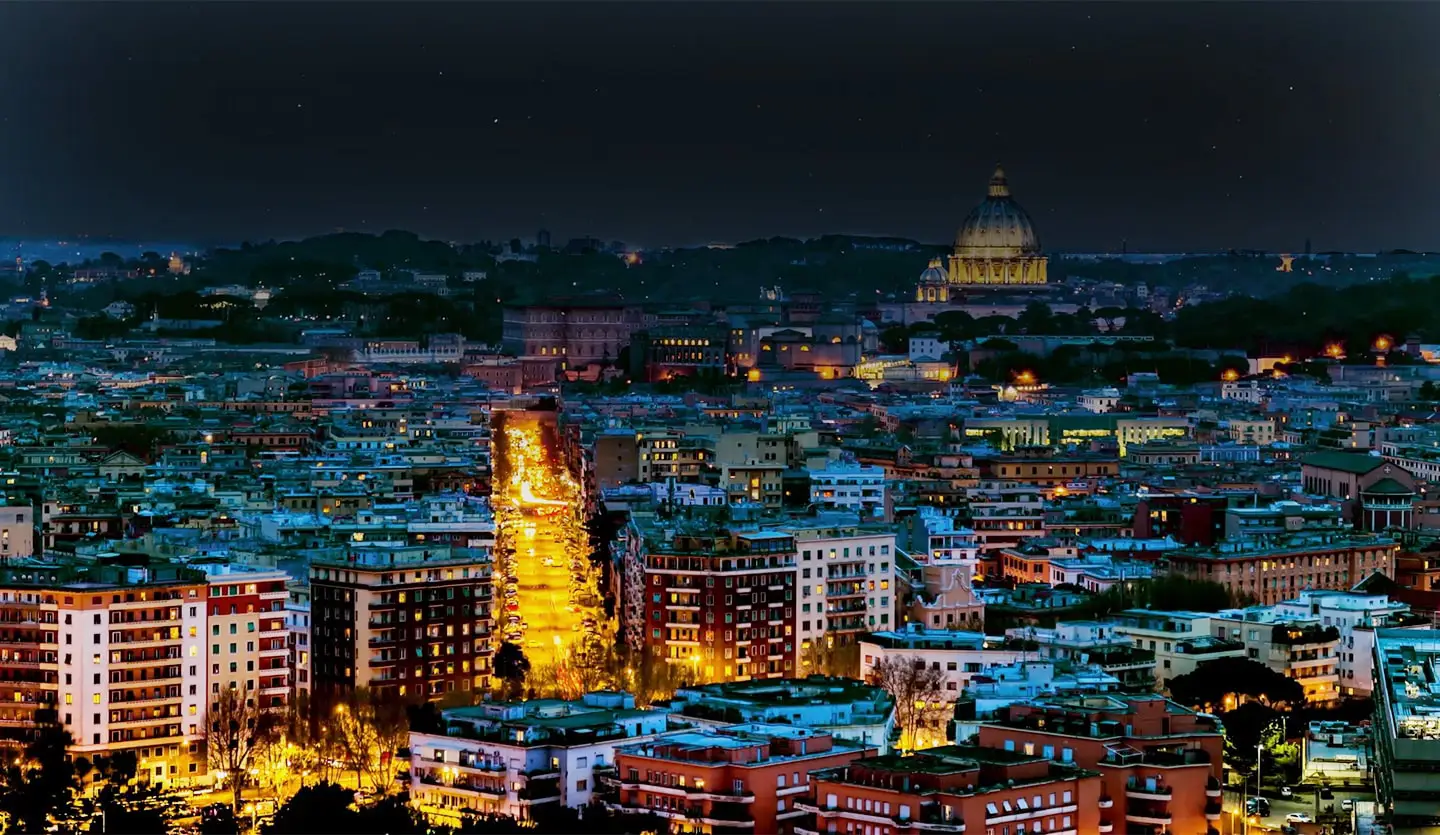
Rome has undergone a remarkable acceleration. The Roma Capitale - Dipartimento Trasformazione Digitale of Roma Capitale coordinates smart city initiatives for nearly three million residents. The Jubilee 2025 Smart Infrastructure programme invested €1.8 billion in digital systems for managing the 32 million visitors expected during the Holy Year — including 5G networks, crowd-flow management, and real-time transport coordination. ACEA Innovation, the technology arm of Rome's utility group, has deployed a ACEA Smart Grid Rome with over 1.5 million smart meters, AI-powered leak detection, and intelligent street lighting. The Roma Capitale Open Data Portal supports transparency and civic innovation. And the Agenda Digitale Roma - Digital Citizen Services programme provides digital access to over 200 municipal services.
Turin, named European Capital of Innovation for its inclusive ecosystem connecting citizens, academia, and industry, operates the Torino City Lab — a living laboratory where companies can test urban innovations in real conditions. The city's strengths in automotive engineering and manufacturing have translated into expertise in smart mobility, autonomous vehicles, and Industry 4.0 applications.
Bologna, which tops the domestic EY rankings, has invested heavily in digital platforms, open data, and participatory governance tools, consistently outperforming larger cities on citizen engagement and digital service quality.
The research infrastructure supporting these cities is substantial. ENEA, Italy's national agency for energy and sustainable development, conducts applied research on energy efficiency and smart city technologies. The Sapienza University Smart City Lab in Rome combines data science, AI, and urban studies. Enel X, the advanced energy services arm of the Enel Group, has become a global player in smart city solutions — from EV charging networks to smart lighting and demand-response systems. And startups such as FlairBit, which uses AI and IoT to optimise building energy consumption, and Movenda, which develops intelligent transport ticketing, illustrate the growing depth of Italy's urban tech ecosystem.
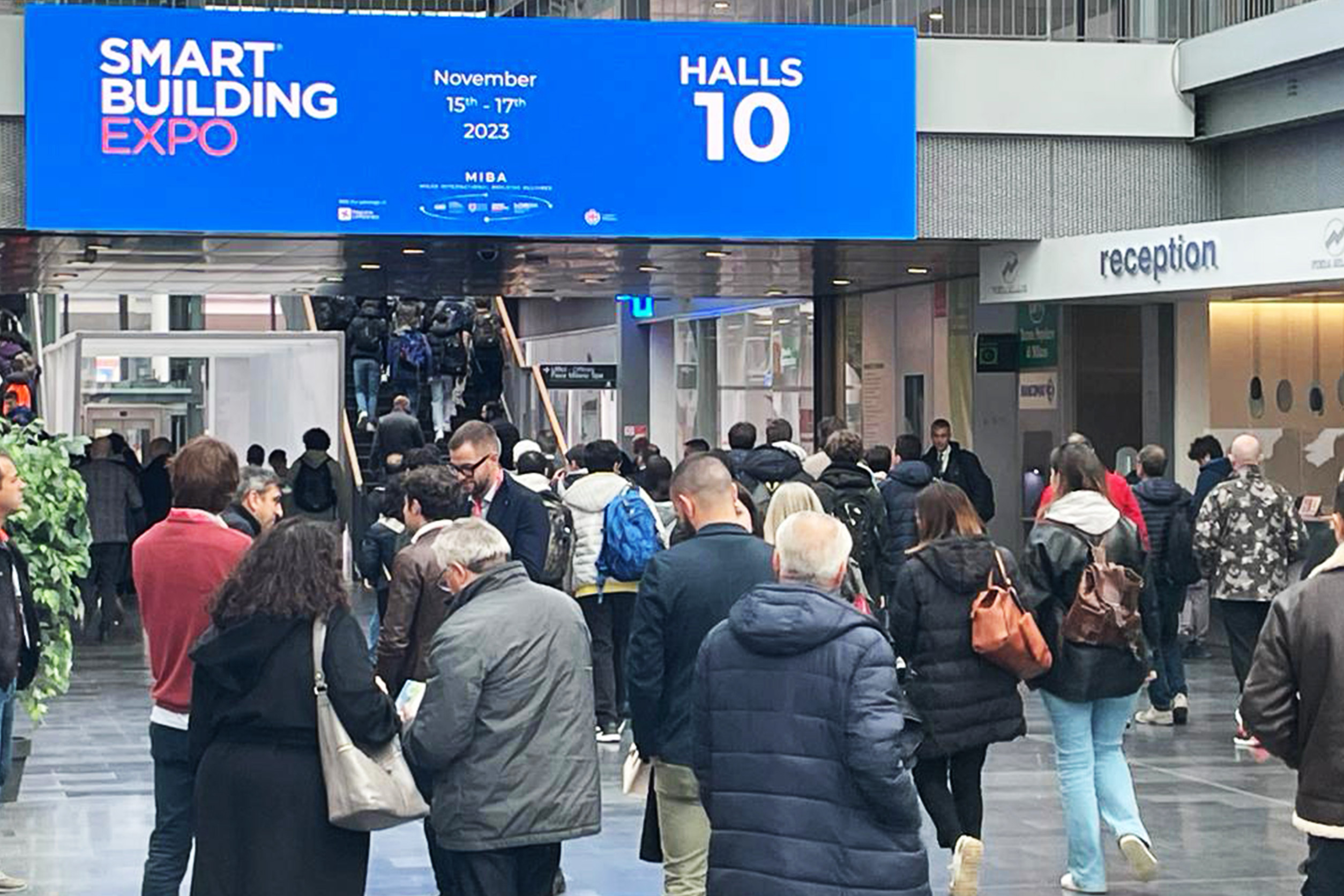
Events anchor the community. Maker Faire Rome, Europe's largest grassroots innovation festival, attracts hundreds of thousands of visitors and has become a breeding ground for citizen-led smart city solutions. Rome Future Week 2025 showcases innovation across the capital's iconic venues, while the Smart Building Expo Milan 2025 in Milan focuses on building automation and urban technology integration.
From Electric Buses to Heritage Sensors: What Italy Has Actually Built
Italy's smart city deployments are shaped by two forces that make the country unique in Europe: the sheer density of cultural heritage and the pressure of mass tourism.
Smart tourism and heritage preservation have become a distinctive Italian strength. The Smart Tourism Rome - Cultural Heritage IoT programme uses IoT sensors and real-time data to manage visitor flows at cultural sites, balancing preservation with accessibility. During the Jubilee, crowd-flow analytics guided pilgrims through the city while reducing congestion at bottleneck sites. Nationally, the PNRR-funded Tourism Digital Hub has enrolled over 33,000 tourism enterprises into a unified digital ecosystem that uses AI for predictive analytics and supports immersive technologies including virtual and augmented reality.
Green mobility is advancing rapidly. Rome's Roma Green Mobility - Electric Bus Fleet includes over 800 electric buses and smart charging infrastructure, aimed at improving air quality in one of Europe's most congested capitals. The Roma Mobilità - Smart Transport Platform integrates real-time monitoring across bus, tram, metro, and shared mobility services. Milan's MaaS pilot and extensive cycling infrastructure investments complement a broader push across Italian cities to reduce car dependency.
Smart waste and utilities represent a growing area of deployment. Rome's Smart Waste Management Rome system uses sensor-equipped bins and route-optimisation algorithms to reduce fuel consumption and improve recycling rates. ACEA's smart grid in Rome and A2A's infrastructure networks in Milan demonstrate how Italy's major utilities are becoming platforms for urban intelligence.
Digital twins and data platforms are emerging. Rome is developing a Digital Twin Roma Capitale for urban governance, while Milan's data platforms integrate transport, energy, and environmental monitoring. The Roma Capitale Open Data Portal and Milan's open data initiatives support a growing civic tech community.
Where the Smart City Meets La Passeggiata
To understand how Italy experiences smart city innovation, consider la passeggiata — the evening stroll that is not merely a walk but a social ritual, a daily act of civic life in which Italians reclaim their streets, greet neighbours, and take the measure of their city. It is, in its way, the oldest form of urban sensing.
In Rome today, the passeggiata along the Tiber might take you past smart lighting that dims when no one is around, past air quality monitors that feed data to the city's environmental dashboard, and past bus stops with real-time arrival information powered by the Roma Mobilità platform. During the Jubilee, digital wayfinding guided millions of visitors through ancient streets using 5G-connected signage, while crowd analytics ensured that the experience at St. Peter's remained manageable.
In Milan, the MIND district offers a different kind of walk — through a neighbourhood where research labs, startup offices, and community spaces designed by Fondazione Triulza coexist on the site where the world gathered for Expo 2015. The MaaS app on your phone lets you hop from metro to bike-share to electric scooter without thinking about tickets.
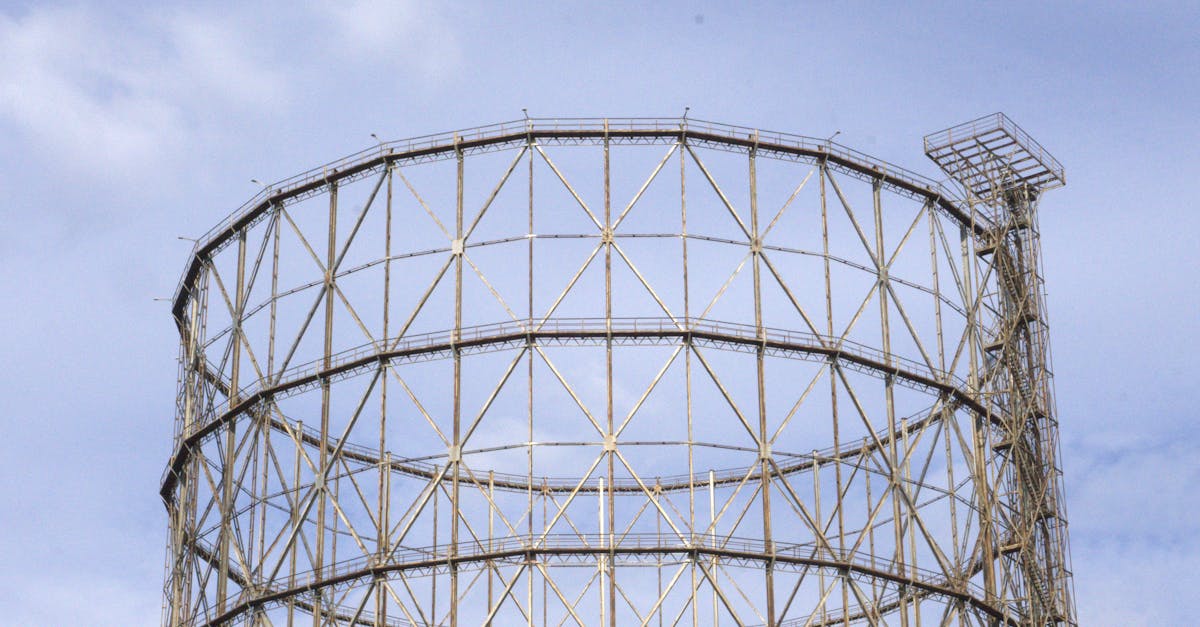
At Maker Faire Rome, held each autumn in the Gazometro district, you can watch teenagers building environmental sensors, retirees learning 3D printing, and startups pitching urban farming robots — a festival that captures the Italian genius for turning technology into something communal and convivial.
As Andrea Rangone, CEO of Digital360 and a leading voice on Italian digital policy, has noted: "Italian cities are learning that smart doesn't mean replacing human interaction with technology — it means using technology to make the piazza work better." It is a philosophy that feels distinctly Italian: the sensor serves the passeggiata, not the other way around.
References22 resources13 external