Loading...
City
Prague
Country🇨🇿 Czechia
The Golem's New Brain
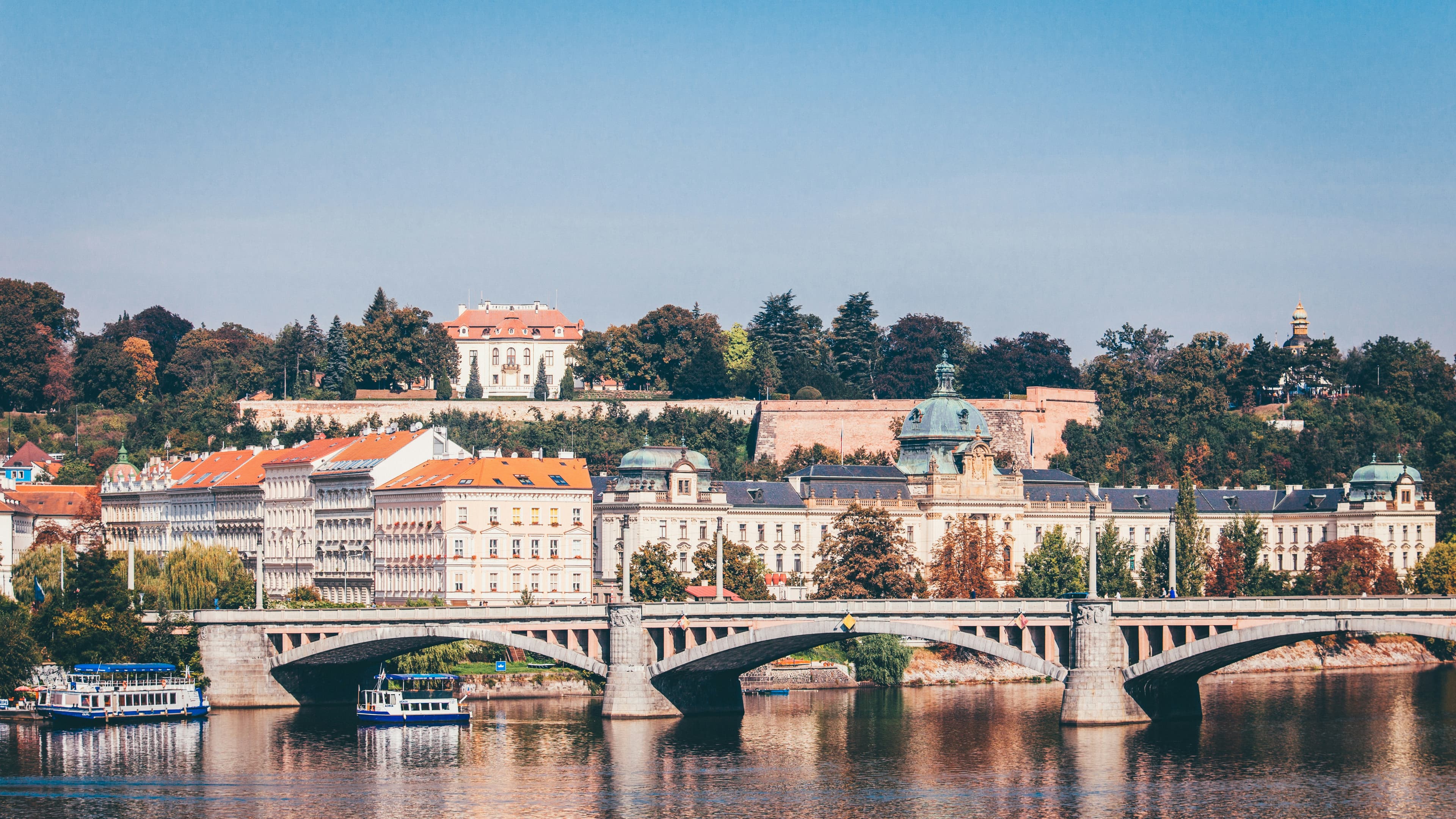
Prague's most famous artificial creation is the Golem — the clay giant of Jewish legend, shaped in the sixteenth century to protect the city's inhabitants. Five centuries later, the Czech capital has built a new kind of intelligence to serve its people, and named it, with a characteristic wink, Golemio. The city's open data platform, operated by the municipal technology company Operátor ICT Prague, aggregates real-time information from transport systems, environmental sensors, waste bins, and energy networks into a single analytical framework — turning Prague's sprawling urban complexity into something that can be seen, measured, and acted upon.
With 1.3 million inhabitants and roughly eight million tourists a year, Prague faces a dual challenge familiar to many historic European cities: how to modernise urban systems while protecting an architectural heritage that draws the world's attention. The Smart Prague 2030 strategy, launched in 2016 and coordinated by Operátor ICT, is the city's answer — a structured programme spanning six priority areas: smart mobility, smart buildings and energy, waste-free city, attractive tourism, people and urban environment, and data. It is pragmatic rather than visionary, rooted in measurable pilots rather than grand promises, and distinctly Czech in its preference for getting things done before talking about them.
A Municipal Tech Company with a Mission
What makes Prague's approach unusual in the European smart city landscape is the central role of Operátor ICT — a company wholly owned by the City of Prague that functions as both technology integrator and strategy coordinator. Rather than outsourcing its digital transformation to consultancies or relying on fragmented departmental initiatives, Prague created a dedicated public enterprise with the technical capacity to build, operate, and maintain the city's smart infrastructure. PwC supported the design of the Golemio data platform, but ownership and operation remain firmly municipal.
The political context has been broadly supportive. Prague's city council, led by a coalition of progressive and centre-right parties, has backed the Smart Prague strategy through successive electoral cycles, providing the stability that long-term technology investments require. Critics — primarily from civic tech groups and opposition councillors — have occasionally questioned the transparency of Operátor ICT's procurement processes and called for stronger open data commitments. The company has responded by expanding its open data provision through Golemio, which now publishes datasets covering transport flows, air quality, parking availability, and microclimate conditions.
The innovation marathon Nakopni Prahu ("Kickstart Prague"), now in its seventh edition, invites citizens to propose and develop smart city solutions, with winning projects piloted in collaboration with Operátor ICT. Digital feedback boxes placed across the city allow residents to submit ideas and complaints directly to the smart city team — a low-tech interface for a high-tech programme that reflects Prague's awareness that citizen engagement cannot rely solely on apps and portals.
Planning the City in Three Dimensions
If Operátor ICT provides Prague's digital nervous system, IPR Prague — Institute of Planning and Development — the Institute of Planning and Development — provides its spatial intelligence. The institute is developing Prague's new Metropolitan Plan, a groundbreaking shift from traditional zoning to a character-based planning methodology that defines neighbourhoods by their urban qualities rather than rigid land-use categories. IPR's sophisticated GIS and data analytics capabilities support scenario modelling, environmental assessment, and evidence-based decision-making across city departments.
The institute's public-facing arm, CAMP Prague — Centre for Architecture and Metropolitan Planning (Centre for Architecture and Metropolitan Planning), brings urban planning into the everyday lives of Prague's residents through exhibitions, workshops, and public debates. Located near the Vltava riverfront, CAMP has hosted discussions on everything from housing density to digital urbanism, establishing itself as one of Central Europe's most innovative platforms for participatory urban governance. "The city belongs to its people," the centre's programming philosophy states, "and they deserve to understand how it is being shaped."
Prague's academic ecosystem adds further depth. The Smart Cities Symposium Prague 2025, organised by the Czech Technical University's Faculty of Transportation Sciences, brings together researchers and practitioners from across Central Europe to present advances in intelligent transport, urban data analytics, and smart governance. The Czech Republic's award-winning national exhibition at the Smart City Expo World Congress in Barcelona — featuring Operátor ICT's Prague Pixels installation, powered entirely by real-time Golemio data — demonstrated the country's growing international profile in the smart city field.
From Smart Bins to the Lítačka Revolution
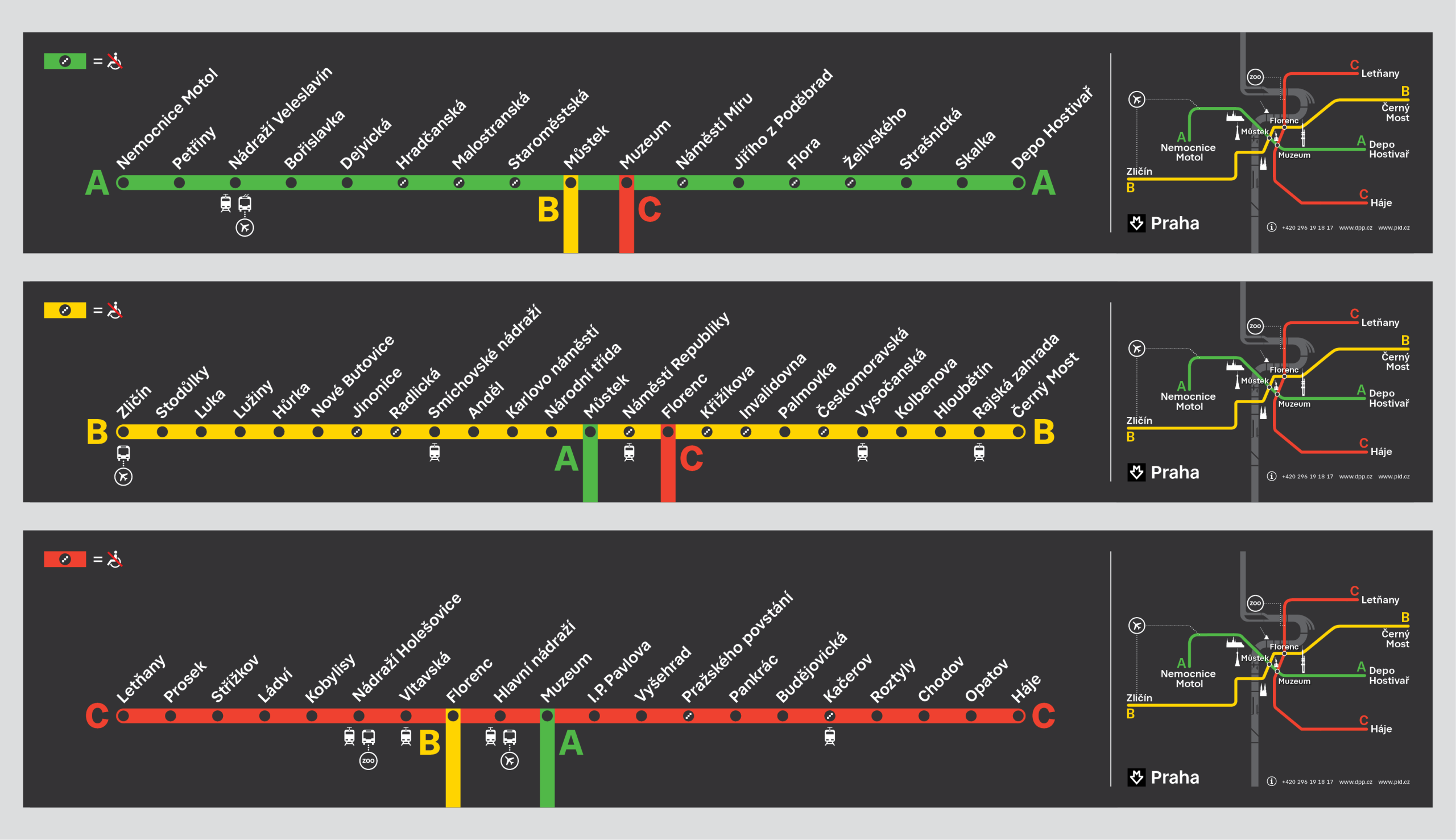
Prague's most widely used smart city product is not a dashboard or a data platform — it is an app. Lítačka, the city's multimodal transport application, integrates public transport ticketing, bike-sharing, car-sharing, and parking into a single platform used daily by hundreds of thousands of commuters. Developed and operated by Operátor ICT, the app has transformed how Praguers navigate a city whose metro, tram, and bus networks carry over a billion passengers a year. Smart card integration allows seamless transfers across modes, while real-time vehicle tracking keeps passengers informed.
Beneath the surface, Prague's smart infrastructure extends into less visible but equally important domains. IoT-enabled waste bins report fill levels to an optimisation system that routes collection trucks more efficiently — reducing fuel consumption and cutting unnecessary pickups. Environmental sensors across the city track air quality, noise levels, and microclimate conditions, feeding data into the Golemio platform where it informs both planning decisions and public information services. Smart energy monitoring in municipal buildings has identified savings opportunities worth millions of crowns annually.
The The State of European Smart Cities: Exploring and showcasing models, solutions, and financing for European replication to achieve climate neutrality report by the European Commission noted that cities like Prague are proving how mid-sized European capitals can build effective smart city programmes without the budgets of London or Paris — by investing in open platforms, public ownership, and incremental improvement rather than mega-projects. Prague's approach is characterised by what beesmart.city called "building a bridge to a smart future" — steady, structured, and firmly grounded in public benefit.
Beer Gardens, Baroque Streets, and the Feedback Box on the Corner
Where does Prague's smart city story become tangible? Perhaps at one of the city's famous beer gardens on a summer evening, where the air quality sensor on the nearest lamp post quietly confirms that this is one of Prague's cleaner corners, upwind of the traffic. Or perhaps on the number 22 tram as it climbs from the river toward Prague Castle, its progress tracked by algorithms that adjust traffic signals to keep the historic route running smoothly.
Or perhaps it is in the quiet act of tapping a Lítačka card at a metro turnstile — an interaction so frictionless that it has become invisible, which is precisely the point. Czechs are famously pragmatic, a national trait that manifests in everything from their approach to engineering to their insistence that beer should be excellent and affordable. Prague's smart city programme has something of the same quality: unpretentious, functional, and quietly effective.
The city's cultural gift to the smart city conversation may be exactly this: a demonstration that digital transformation does not require disruption as a first principle. Sometimes it just requires a good data platform, a competent public company, and the patience to build things properly. Prague's Golem, after all, was not built in a day — but once built, it did exactly what it was supposed to do.
In May 2026, Prague hosts the 12th Smart Cities Symposium Prague (SCSP 2026) on 28–29 May at the Czech Technical University, with this year's themes — cooperative cities, sustainable mobility, and climate-neutral cities — directly aligned with the priorities of Smart Prague 2030. The symposium is endorsed by the Czech Research and Innovation Strategy for Smart Specialisation (RIS3), reinforcing Prague's position as the country's smart-city research convener.
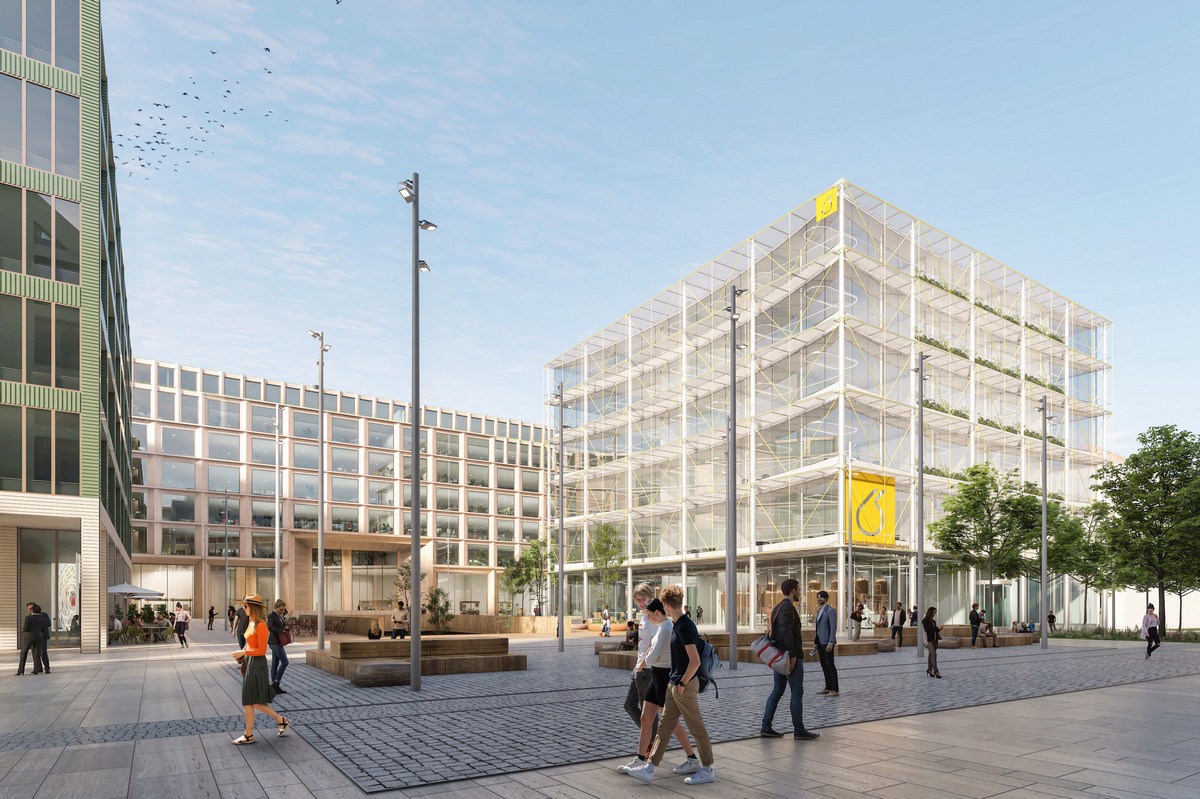
In parallel, the Operator ICT-backed SPACE — The Place for Innovation initiative is establishing a multifunctional, open exhibition and event venue dedicated to urban innovation. SPACE is designed as a public-facing showcase for Smart Prague projects and a working venue for collaboration between the municipality, start-ups, universities and citizens.
References6 resources9 external
Resources
Knowledge
The State of European Smart Cities: Exploring and showcasing models, solutions, and financing for European replication to achieve climate neutrality
Teasing climate‑neutral city models, €345 M EU funding, 120 cities, 550+ solutions, and groundbreaking financing insights.
Organisation
Operátor ICT Prague
Implements Smart Prague 2030, managing digital services, data platforms, and smart infrastructure.
Project
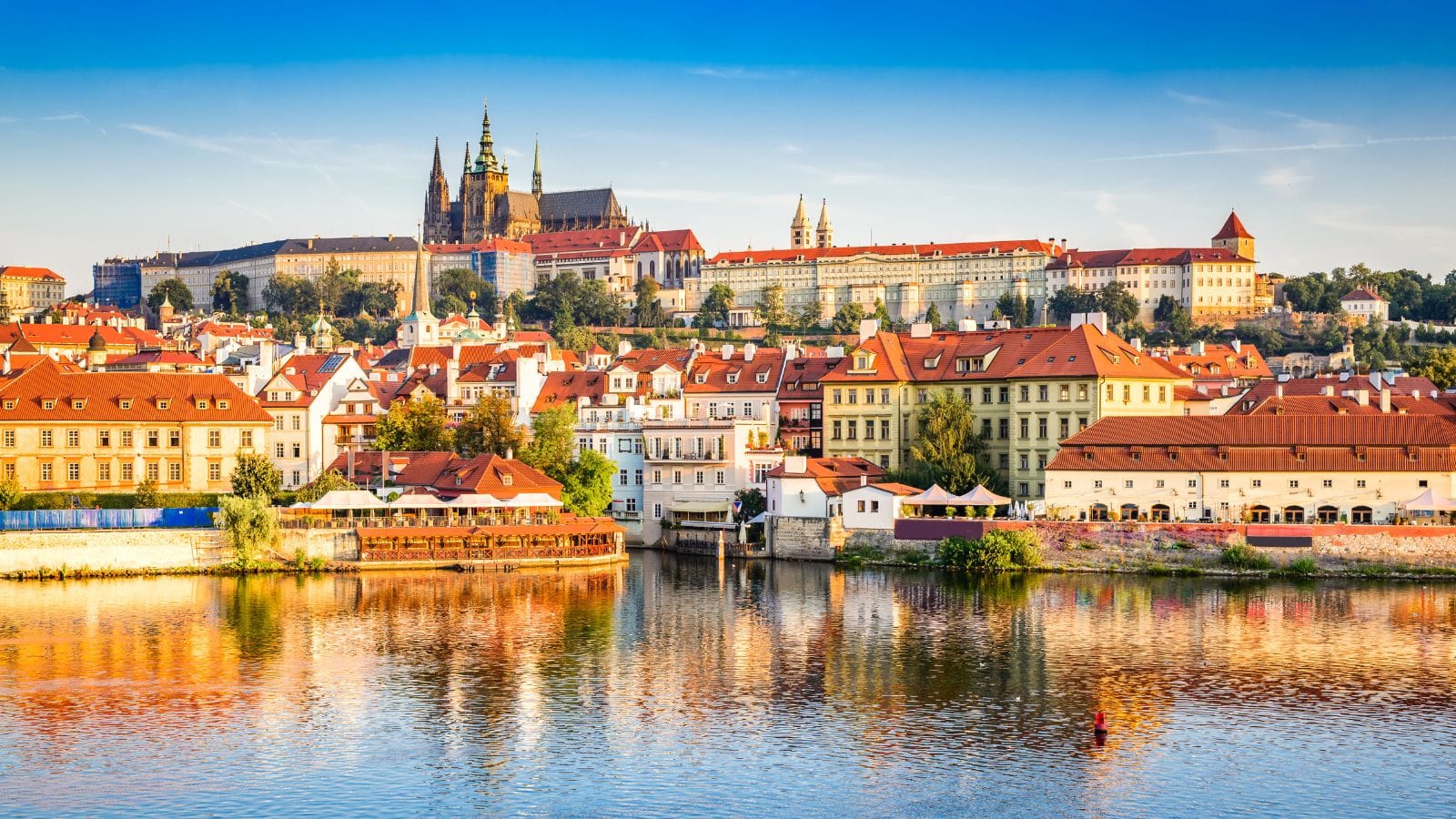
Smart Prague 2030
Smart Prague 2030 links data platforms, IoT pilots, and city‑wide sensor networks for greener living.
Event
Smart Cities Symposium Prague 2025
For researchers, planners, and officials to explore smart city technologies and sustainable urban management.

Organisation
IPR Prague — Institute of Planning and Development
Guides Prague's growth through strategic urban planning, GIS, and public engagement initiatives.
Organisation
CAMP Prague — Centre for Architecture and Metropolitan Planning
Public cultural hub offering architecture, urbanism education, exhibitions, and citizen engagement.
External Sources
Golemio — Prague Data Platformgolemio.czPID Lítačka Transport Apppidlitacka.czBuilding the Smart City of Praguecee.pwc.comPrague Smart City: Czech Hub for Regional Developmentblue-europe.euSmart Prague: Building a Bridge to a Smart Futurebeesmart.citybeesmart.citybeesmart.cityCity for the Future — Czech Smart Solutionscityforthefuture.comSmart Prague Portalsmartprague.euOperátor ICToperatorict.cz