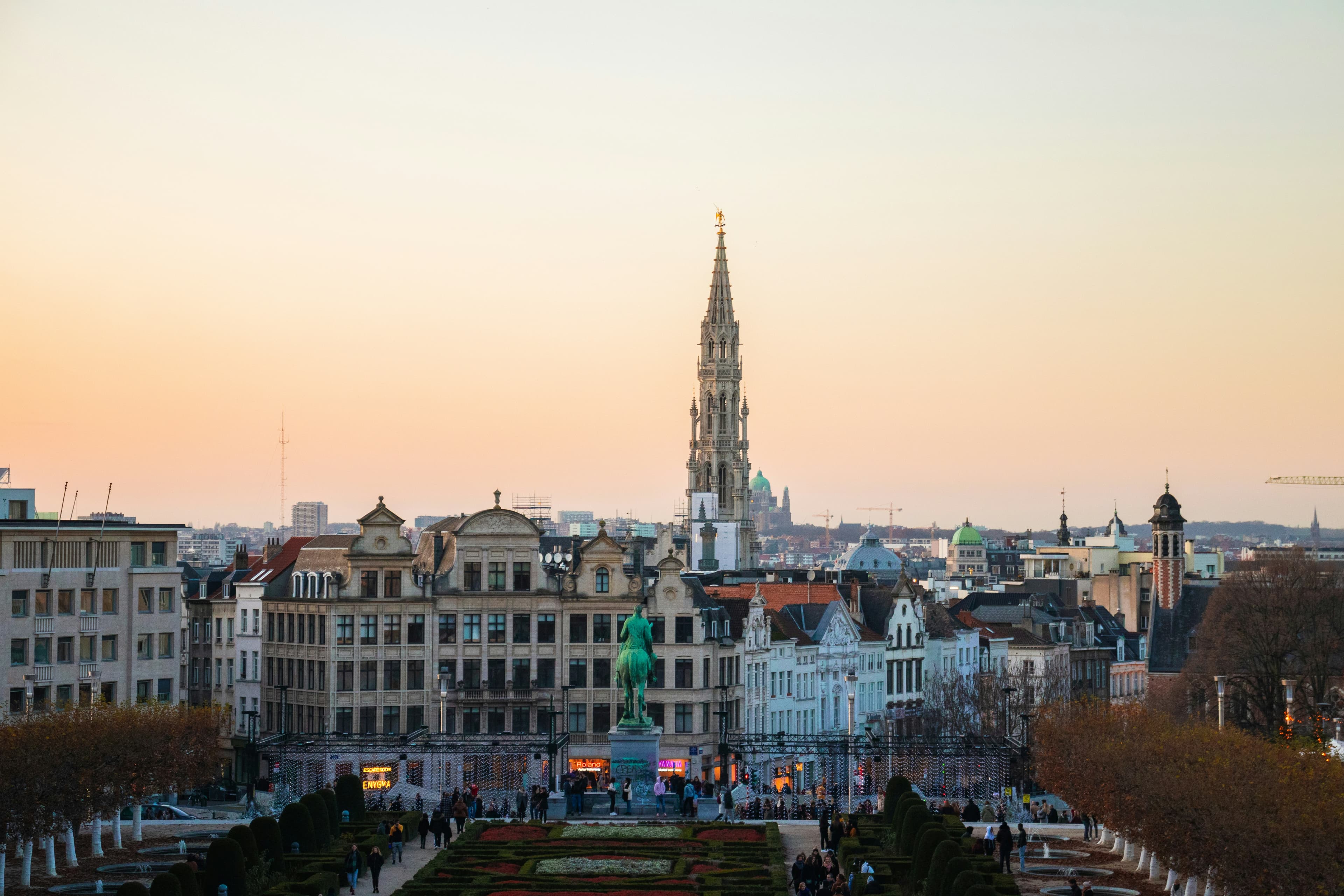
Brussels
The City Where Smart City Policy Is Made — and Tested
Brussels occupies a singular position in the European smart city landscape. It is the place where EU digital policy is drafted, debated, and legislated — and simultaneously a city of 1.2 million residents navigating its own complex urban transformation. The Brussels-Capital Region, with its nineteen municipalities, three official languages, and layered governance stretching from commune to federal level, is both a laboratory for multi-stakeholder urban innovation and a cautionary tale about what happens when institutional complexity meets the need for speed.
The city launched its Brussels Smart City Strategy in 2023, built around a deceptively simple premise: technology is a means, not an end. "The aim for Brussels Smart City is to have a measurable impact on all indicators which define quality of life, for both citizens and businesses," the Brussels-Capital Region states. In a city where political consensus across linguistic and municipal lines can be glacially slow, framing smart city work as quality-of-life improvement rather than technological ambition has proven a pragmatic way to build coalition.
Nineteen Communes, One Digital Ambition
Brussels' governance complexity is legendary. The Brussels-Capital Region coordinates policy across nineteen municipalities — from the City of Brussels itself to smaller communes like Saint-Josse-ten-Noode and Watermael-Boitsfort — each with its own mayor, council, and administrative apparatus. Smart city initiatives must navigate this fragmented landscape, which explains why coordination platforms matter more here than in most European capitals.
The Brussels Smart City Hub serves as the official coordination body, fostering collaboration among regional government departments, municipalities, and technology partners. The City of Brussels' digital transformation unit, i-CITY, leads the municipal side, supporting the transition through projects ranging from AI-powered citizen services to school digitalisation. In 2024, i-CITY co-organised a hackathon with Microsoft to prototype AI-driven improvements to the city's contact centre — a small but telling indicator of how Brussels blends institutional caution with experimental ambition.
In April 2026, the region's digital transformation body, Paradigm, was appointed co-chair of the Eurocities Foresight Group for a two-year term — a quietly significant role that lets Brussels help set the agenda of how European cities anticipate digital, demographic and climate transitions, rather than only react to them.
The Smart Move Brussels - Mobility Plan mobility plan proposes distance-based road charging to reduce congestion by an estimated 25 per cent while improving air quality — one of the region's most politically charged smart city proposals. The city has also adopted a Digital Rights Charter, signalling awareness that digital transformation must respect citizens' fundamental rights. At the metropolitan scale, the Àrea Metropolitana de Barcelona (AMB) equivalent is the region itself, which coordinates the Brussels Energy Transition Programme targeting carbon neutrality by 2050 through 30,000 building renovations and smart grid deployment.
The new Brussels Government, in office since 2025, has begun to rewrite parts of this stack. Its 2026 package of ten mobility measures introduces a flat €350/year Low Emission Zone fee, a new "LISA" zone in central Brussels, a harmonised vehicle tax and an enhanced S-train offer — and announces that the politically embattled Good Move plan will be evaluated and then replaced by a new Regional Mobility Plan (PRM). It is a useful reminder that Brussels' smart city work is being continuously renegotiated, not steadily executed against a single fixed plan.
Critics note that Brussels' governance layers can slow implementation. Projects that might take months in a city with unified administration can take years here. But proponents argue that the consensus-building process, however frustrating, produces more durable outcomes — and that a city hosting the European Commission and the European Parliament has a particular responsibility to get digital governance right.
Europe's Policy Kitchen — and Its Innovation Backyard
Brussels' smart city ecosystem is unusual because it is shaped as much by European institutions and pan-continental networks as by local actors.
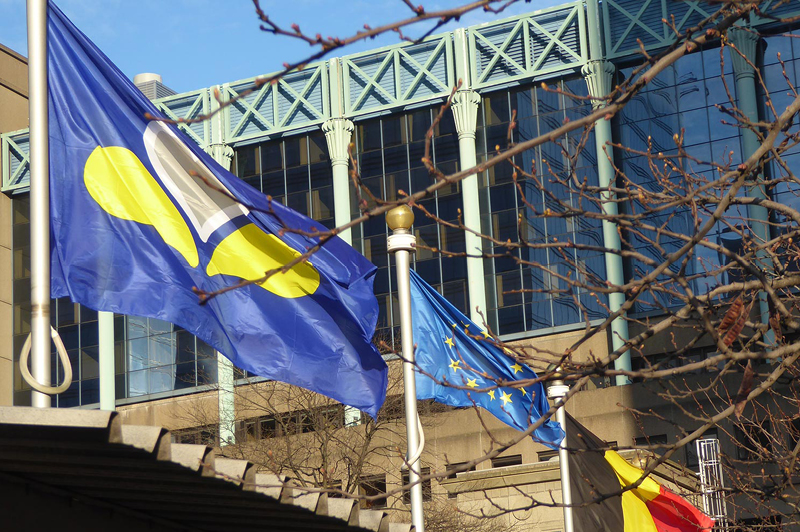
Eurocities, the network representing over 200 major European cities, is headquartered here, channelling urban innovation knowledge across borders. The Smart Cities Marketplace (European Commission), the European Commission's primary platform for connecting cities with technology providers and investors, operates from Brussels. Living-in.EU, the movement uniting cities and member states around the "Join, Boost, Sustain" declaration for ethical digital transformation, also calls the city home. These organisations make Brussels a node where urban policy is not only consumed but co-produced.
On the research side, IMEC, Belgium's world-leading nanoelectronics and digital technologies institute, conducts research in IoT sensors, AI, and chip design that feeds into smart city applications across Europe. The Vrije Universiteit Brussel - SMIT Research (Studies in Media, Innovation and Technology) shapes EU policy on data governance and digital rights through academically rigorous, socially engaged research. EIT Digital Brussels connects over 200 European partners across industry and academia to drive digital innovation, while Agoria Smart City, Belgium's largest technology industry federation, bridges technology companies with municipal governments through its Smart City division.
Brussels has also nurtured a distinctive cluster of smart city startups. Sentiance transforms smartphone sensor data into motion intelligence for urban mobility planning. Ovinto builds digital twin technology for buildings and urban districts, enabling data-driven energy optimisation. Riaktr turns raw operational data from telecom and utility networks into actionable intelligence. Lancey Energy develops smart electric radiators with integrated battery storage. On the infrastructure side, Elia Group, one of Europe's leading transmission system operators, drives smart grid integration and renewable energy deployment from its Brussels headquarters, while the European Green Digital Coalition coordinates ICT companies using digital solutions to reduce emissions across economic sectors.
From Fix My Street to the Canal Zone
Brussels' smart city projects tend to be practical rather than flashy — civic problem-solving tools that work within the city's institutional complexity rather than attempting to override it.
Fix My Street Brussels is perhaps the most widely used: a civic technology platform where residents report infrastructure problems — potholes, broken streetlights, graffiti — using geolocation and photos, then track the repair in real time. It is unspectacular technology, but it has fundamentally changed how citizens interact with municipal maintenance, building trust through transparency and responsiveness.
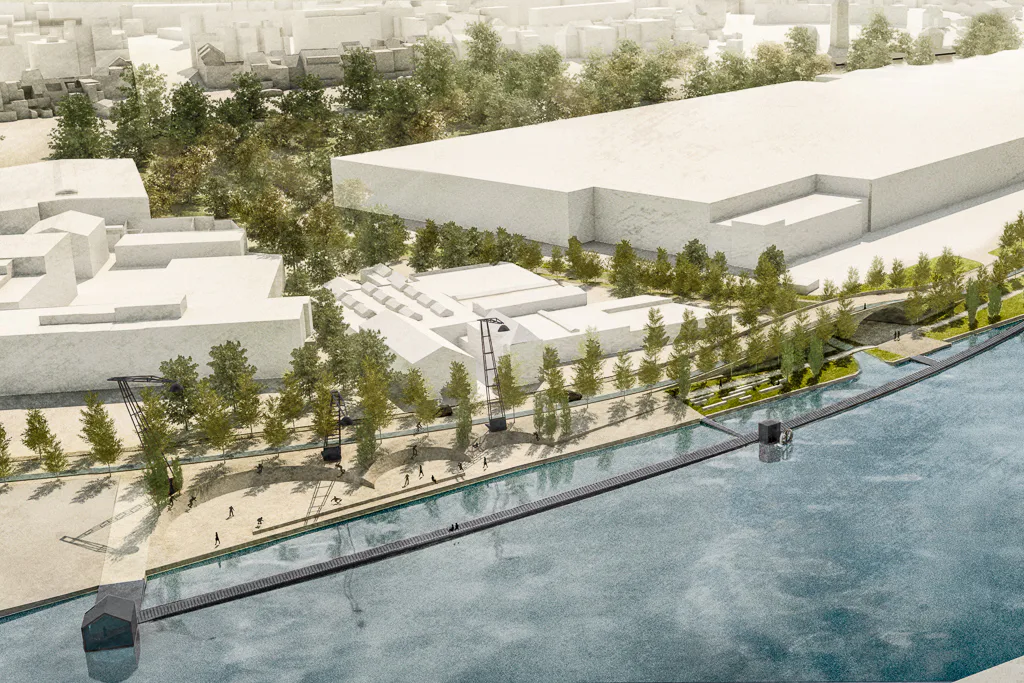
The Kanal - Brussels Canal Zone Regeneration is the region's most ambitious smart urban renewal project, transforming a declining industrial corridor along the Brussels canal into a vibrant mixed-use district with smart infrastructure, integrated energy systems, and digital planning tools. The project embeds sustainability and connectivity into urban fabric from the design stage rather than retrofitting it.
MaaS Brussels - Mobility as a Service integrates multiple transport modes — public transit, shared bikes, car-sharing, e-scooters — into a single platform offering booking, payment, and AI-optimised routing. The Brussels Circular Economy Programme supports 111 projects transforming linear consumption patterns into circular, resource-efficient systems — connecting waste management, building materials, and urban manufacturing in ways that depend on data platforms and IoT tracking.
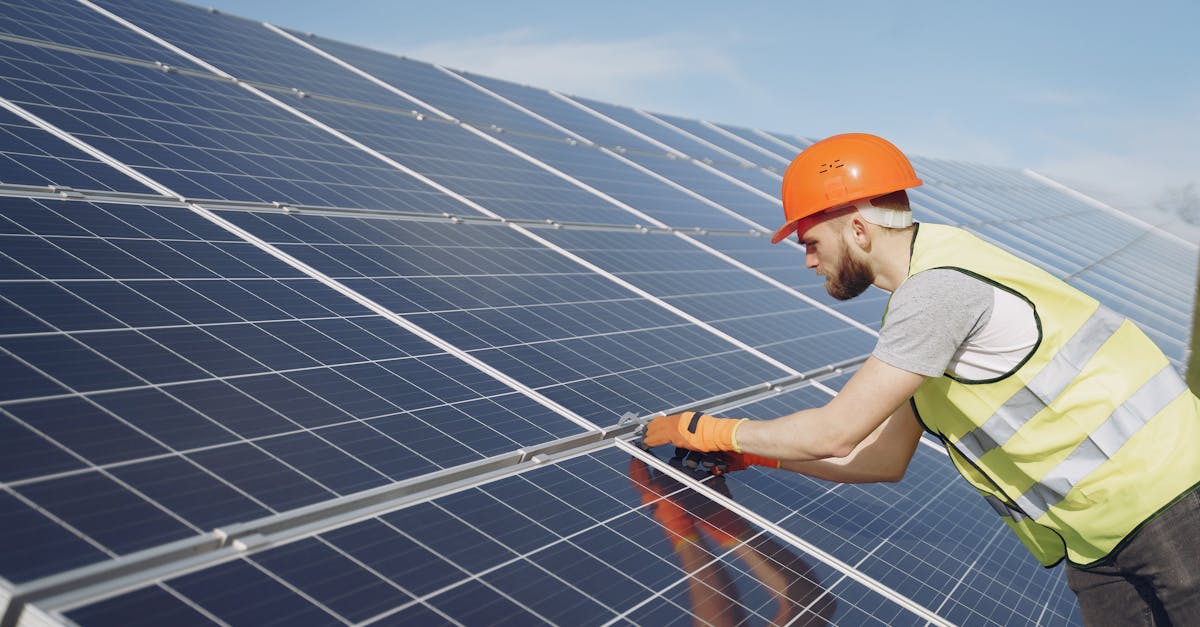
The city is also participating in EU-funded lighthouse projects. The Response project is developing Positive Energy Neighbourhoods — districts that produce more renewable energy than they consume — while Twin4Resilience builds local digital twins to model climate adaptation scenarios. The Brussels Regional Data Platform and the city's open data portal underpin these initiatives with the data infrastructure needed for evidence-based decision-making, and the European Digital Innovation Hub Brussels provides a central access point for SMEs and public organisations seeking to adopt AI and sustainable digital technologies.
Waffles, Murals, and the Art of Muddling Through
Where do Brussels' residents actually feel the smart city? Often, it is in the small things. Reporting a broken pavement slab through Fix My Street and watching it get repaired within days. Checking real-time departure boards at a De Lijn or STIB stop and deciding between the tram and a shared e-scooter through a single app. Visiting the city's Fab Lab, where citizens can prototype solutions to neighbourhood problems using digital fabrication tools.
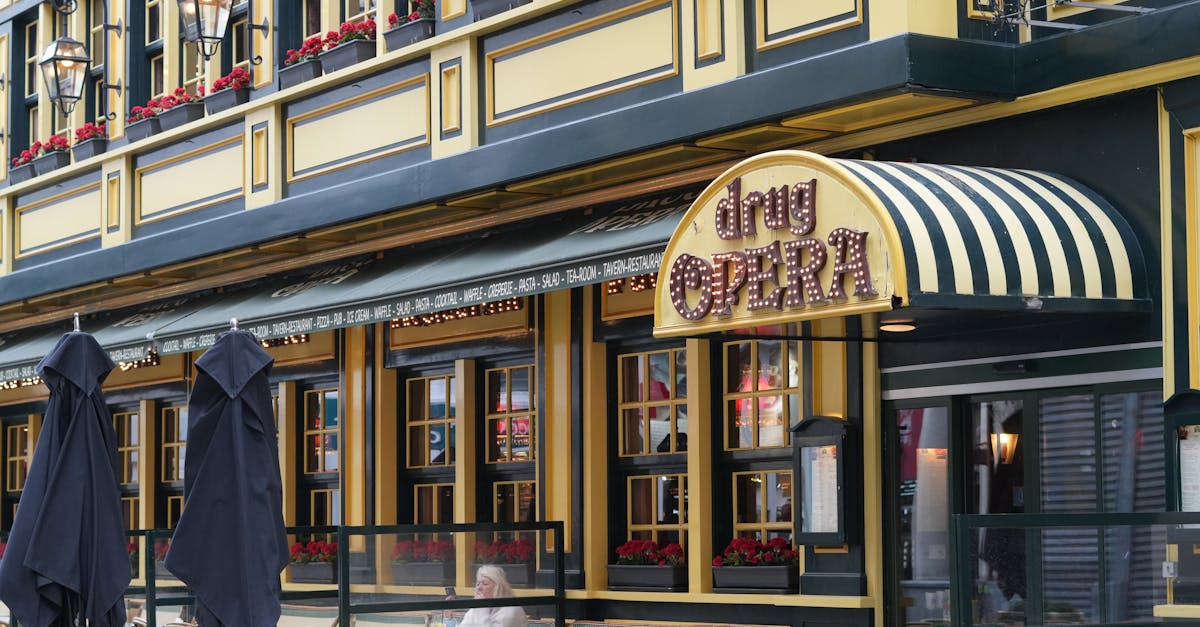
There is something characteristically Belgian about Brussels' smart city approach: pragmatic, consensus-driven, slightly self-deprecating, and deeply aware that institutional complexity is both a constraint and, occasionally, a strength. Belgians have a phrase for getting things done despite bureaucratic tangles: Belgique, système D — Belgium, the art of resourcefulness. It is the same spirit that fills the city's comic book murals with irreverent humour, that sustains a café culture where Flemish and Francophone neighbours share une petite bière despite their governments' inability to agree on much, and that keeps Fix My Street reports flowing even when the response crosses three administrative boundaries.
Brussels will never be the fastest smart city in Europe. But as the place where the continent's digital rules are written, it carries a unique obligation to demonstrate that smart city transformation can be democratic, multilingual, and messily human — and still work.
References22 resources12 external