Loading...
City
Budapest
Country🇭🇺 Hungary
The City That Innovates Against the Current
In November 2025, Budapest became the first capital in Central and Eastern Europe to receive the Global Smart Green City Award from the Global Forum on Human Settlements, a body with special consultative status under the UN Economic and Social Council. Previously, only Vienna and Dublin had earned the distinction among European capitals. The award recognised Budapest's comprehensive environmental and climate strategy, its Sustainable Energy and Climate Action Plan, and the data-driven Smart Budapest Framework Strategy that underpins the city's approach to urban management.
By spring 2026, the city's home-grown press was reporting that the smart-city concept had moved from buzzword to daily reality — with dynamic traffic management, real-time public transport and IoT-based street infrastructure now part of ordinary Budapest life. The municipal okosváros (smart city) index, published in March 2026, tracks the city's progress across health, employment, demography and other quality-of-life dimensions — and shows a capital that is improving on most indicators while bumping against persistent capacity gaps, particularly in healthcare.
The recognition arrived at a moment of sharp political tension. Mayor Gergely Karácsony, a liberal-green opposition figure first elected in 2019 and narrowly re-elected in 2024, governs a capital that frequently clashes with Viktor Orbán's national government over funding, competences, and vision. Budapest's municipal budget has been squeezed by central government measures, and the city has had to find creative ways to fund its climate and innovation ambitions — often turning to EU programmes and international partnerships rather than national support.
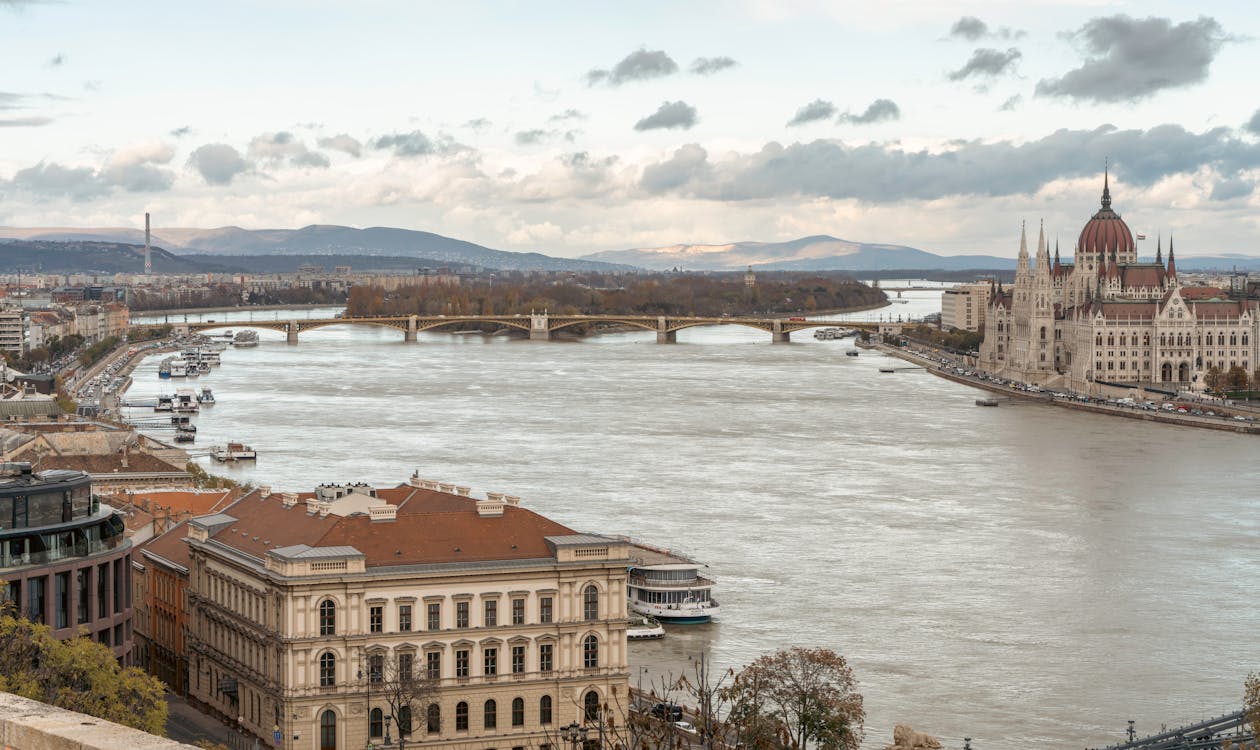
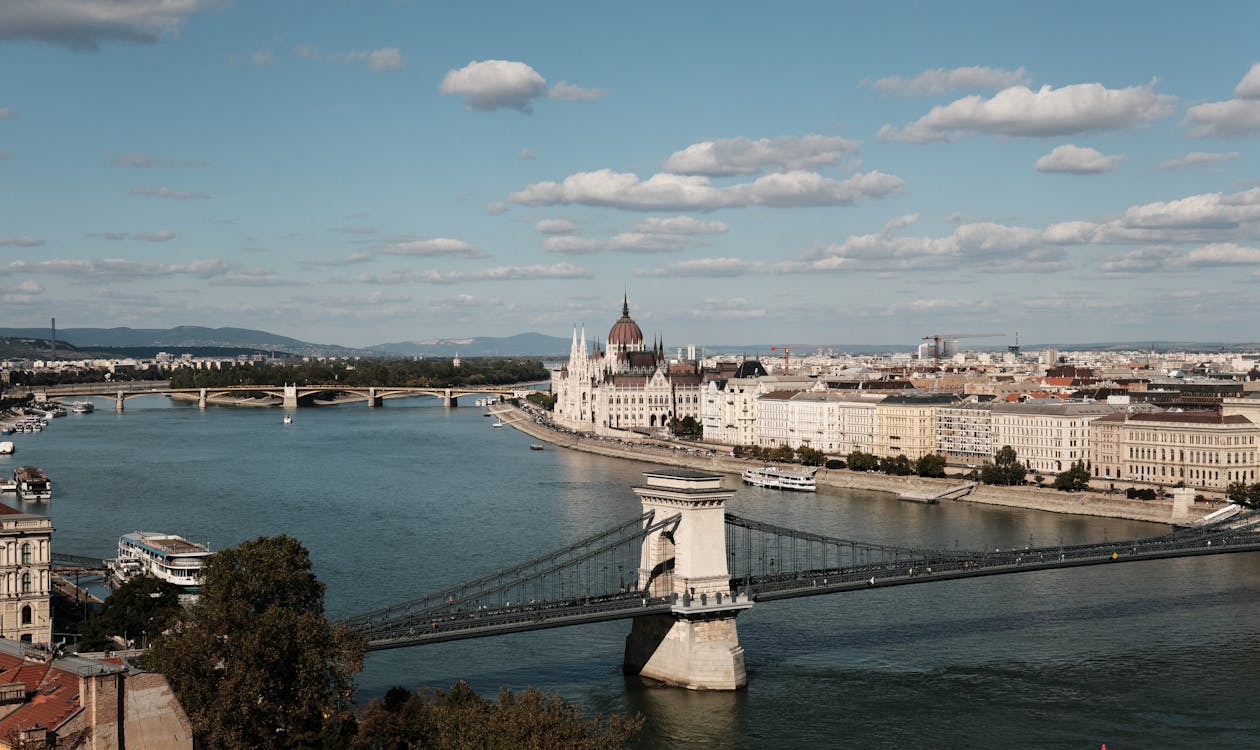
Yet the city's 1.7 million residents live atop more than 120 natural thermal springs, in a landscape where Ottoman-era bath houses sit alongside brutalist housing blocks and gleaming new tram lines. The smart city conversation in Budapest is shaped by this layering of history, by the constraints of an ageing building stock responsible for some 60 per cent of the city's carbon emissions, and by a determination to prove that Central European cities can lead — not just follow — in urban innovation.
A Mayor, a Government, and the Space Between
Budapest's smart city journey formalised in 2019 with the completion of the Smart Budapest Framework Strategy, a cross-cutting plan that mapped the city's digital and innovation priorities across mobility, energy, governance, and quality of life. The framework fed into the broader Budapest 2030 Long-Term Urban Development Concept, which set out a vision for a polycentric, climate-resilient capital connected by intelligent transport and open data.
At the municipal level, the Municipality of Budapest — Chief Digital Officer coordinates smart city policy, while the Smart Budapest Board — a consultative body bridging government and business — steers priority-setting. The city's Budapest Smart Green City Award commits Budapest to ambitious emissions reductions, with buildings, transport, and energy as the three priority domains.
But delivery is complicated by Hungary's centralised governance. The academic Krisztina Varró, writing in 2025, describes how "authoritarian state capitalism" shapes Hungary's smart urbanism — with national industrial policy favouring large-scale manufacturing and foreign direct investment over the kind of distributed, citizen-centred innovation that Budapest's municipal leadership promotes. The result is a persistent gap between the city's ambitions and its fiscal capacity. EU funding — from the Mission for climate-neutral and smart cities to Horizon Europe — has become a lifeline, enabling pilots that the national budget will not support.
Hungary's renewed National AI Strategy (2025–2030) — built on six pillars (infrastructure, talent, data, regulation, ecosystem, security) and aligned with the EU AI Act — sets the national frame for how AI will be deployed in public services. For Budapest, the practical question is whether that frame can support the city's own ambitions for ethical, citizen-centred urban AI rather than steering it toward centrally-procured tools.
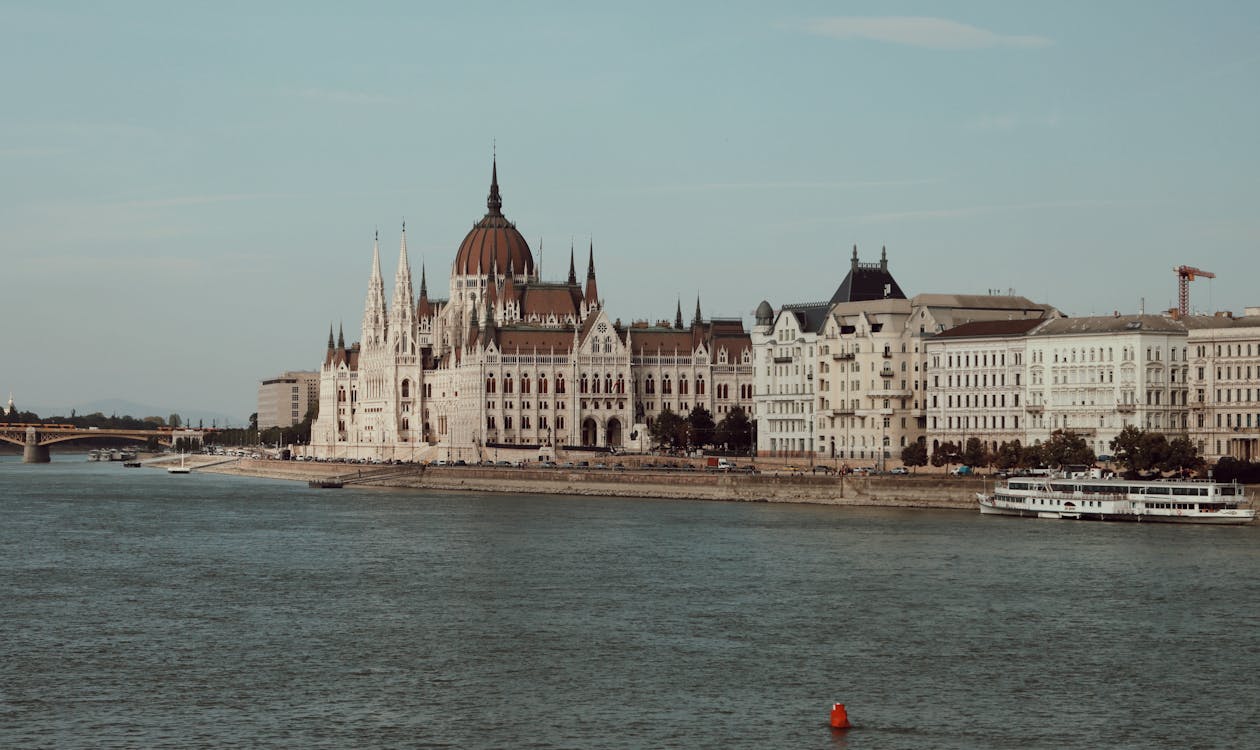
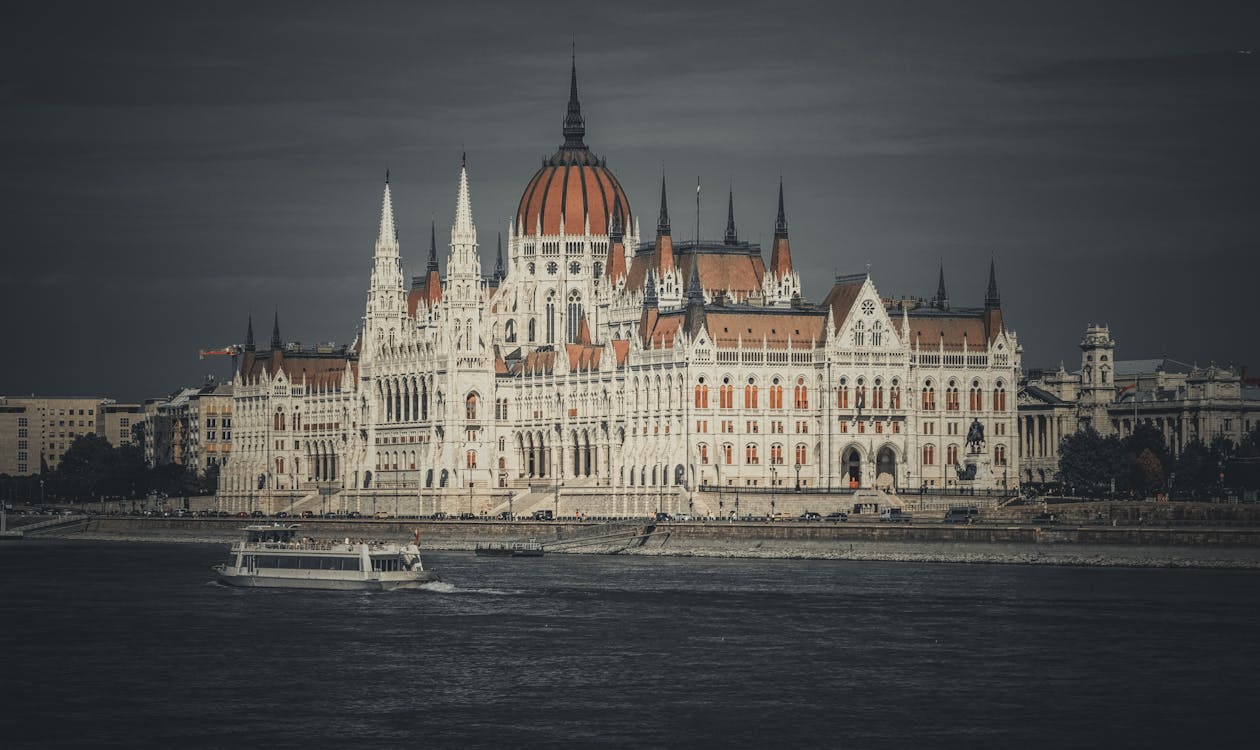
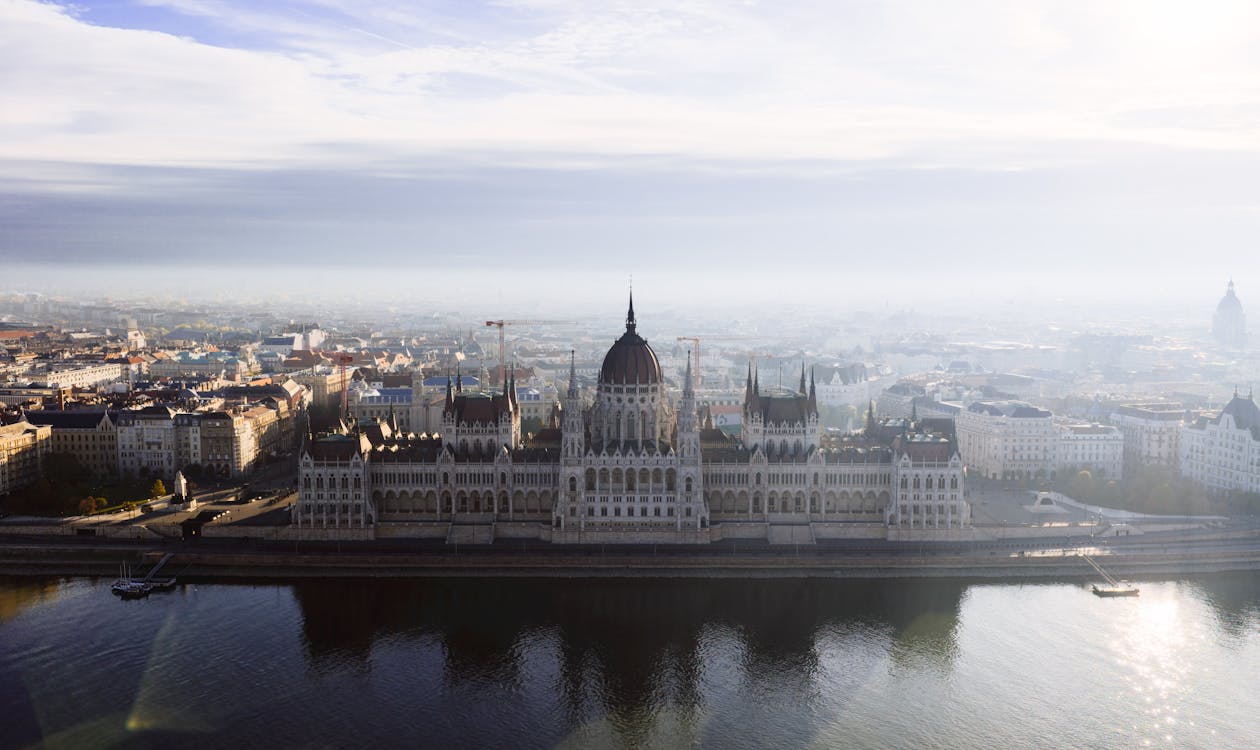
The political dynamic is unlikely to ease soon. Karácsony's municipal government must navigate not only budgetary constraints but also a regulatory environment shaped in Budapest's parliament buildings yet often at odds with the capital's progressive urban agenda.
From the Danube's Banks to the Innovation Lab
Budapest's smart city ecosystem is anchored by a handful of institutions that punch above their weight. The Budapest Enterprise Agency (BEA) (BEA), the city's economic development arm, manages the Smart Budapest Fund — a mechanism that enables startups to pilot urban technology projects in real city conditions. BEA also coordinates the Smart Budapest Board, connecting municipal departments with private-sector partners.
On the research side, the Budapest University of Technology — Smart City Lab at the Budapest University of Technology and Economics provides academic firepower, working on sensor networks, urban data analytics, and digital twins. Design Terminal Budapest, one of Central Europe's most established innovation hubs, has incubated dozens of startups working on mobility, proptech, and civic tech — several of which have gone on to work with the municipality.
International networks add depth. The EIT Urban Mobility — Budapest Hub connects the city to the European Institute of Innovation and Technology's pan-European mobility programme, channelling funding and expertise into local transport innovation. Events like the PropTech Budapest Conference 2025 draw investors and policymakers, while the city's growing reputation as a fintech and deep-tech centre — Hungary's digital economy is one of the fastest-growing in the region — feeds a pipeline of talent and ideas.
What the ecosystem lacks in scale compared to Berlin or Amsterdam, it compensates for in agility. Budapest's relatively compact innovation community means that a startup tested through the Smart Budapest Fund can be piloting with BKK, the city's transport authority, within months — a speed that larger, more fragmented ecosystems struggle to match.
Real-Time Buses, Smart Riverbanks, Retrofitted Homes
The most visible piece of Budapest's smart infrastructure is the BKK FUTÁR Intelligent Transport System, a real-time passenger information network covering buses, trams, trolleybuses, the metro, and suburban rail. FUTÁR's screens at stops and its mobile app give riders live arrival data, route planning, and disruption alerts — a system so embedded in daily life that it is easy to forget it required a wholesale digitisation of Budapest's sprawling public transport network.
Perhaps the boldest initiative, however, tackles Budapest's least glamorous challenge: its buildings. Ada Ámon, Executive Director of the Budapest Climate Agency, puts the stakes plainly: "Budapest is a huge source of emissions in Hungary, responsible for around 16 per cent of the country's carbon emissions. Around 60 per cent of those are attributed to buildings. It's a climate issue, but it's also a health and air quality issue." The Budapest CARES initiative — Climate Agency for the Renovation of Homes — was established through the EU's Pilot Cities Programme to navigate the thicket of private ownership, heritage protection, and thin public budgets that has long stalled renovation. CARES conducts socioeconomic and building-typology surveys, clusters homeowners into bankable groups, and negotiates bespoke financing with commercial banks — sidestepping the slow municipal machinery that Ámon says cannot move fast enough for climate targets.
The Smart Budapest Initiative ties these strands together, providing a programmatic umbrella under which individual projects — from open-data portals to smart waste management pilots — can be coordinated, evaluated, and scaled.
Where the Thermal Springs Meet the Data Stream
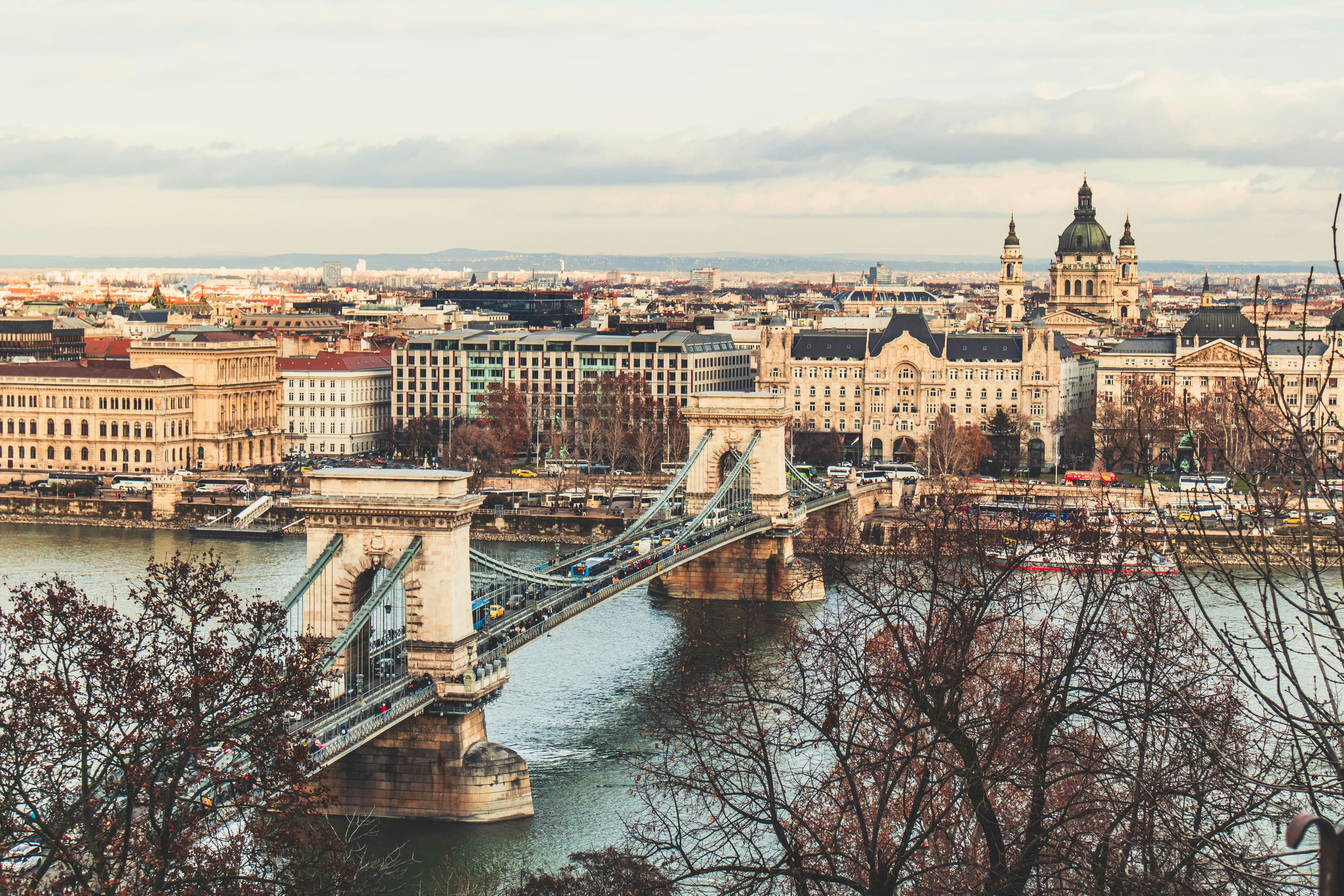
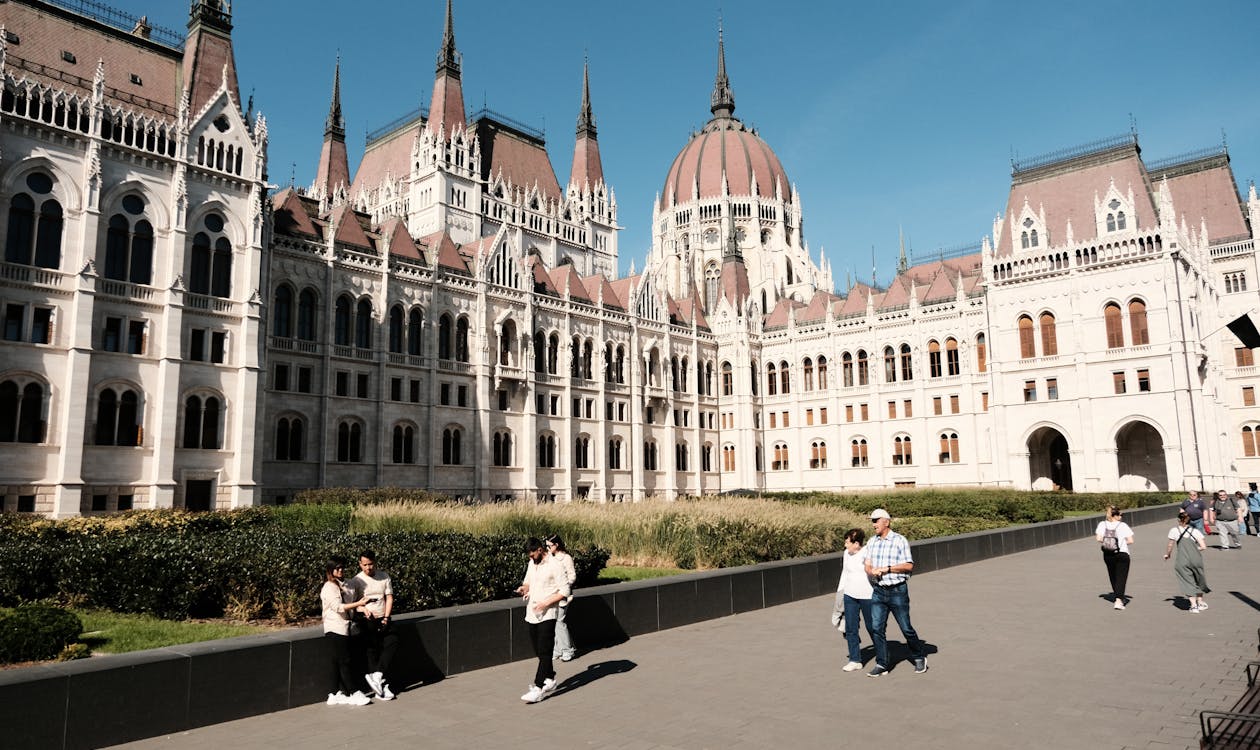
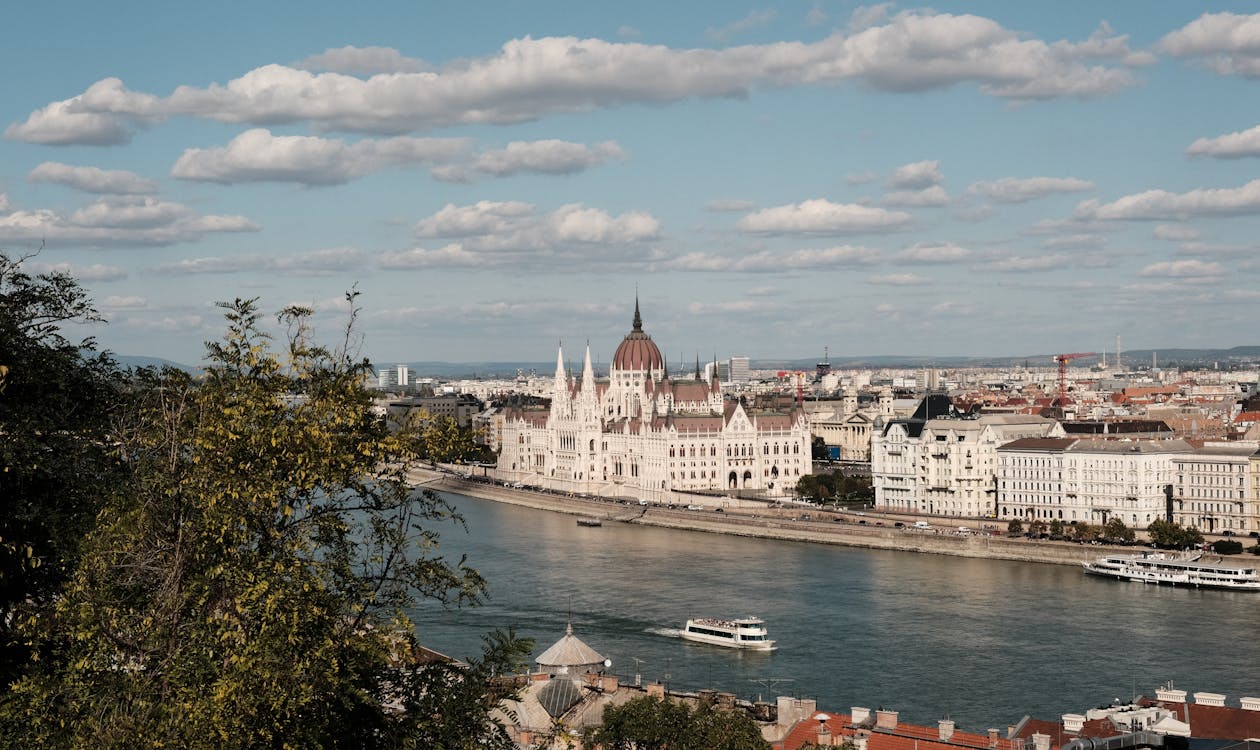
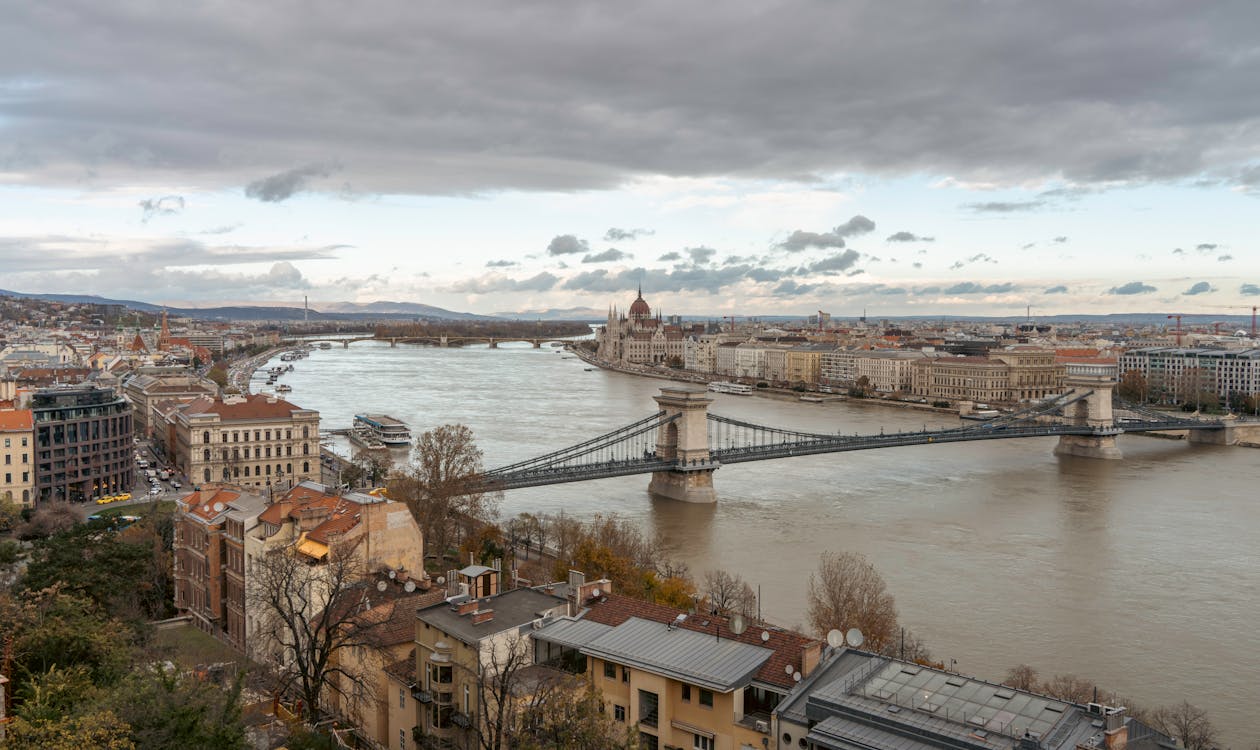
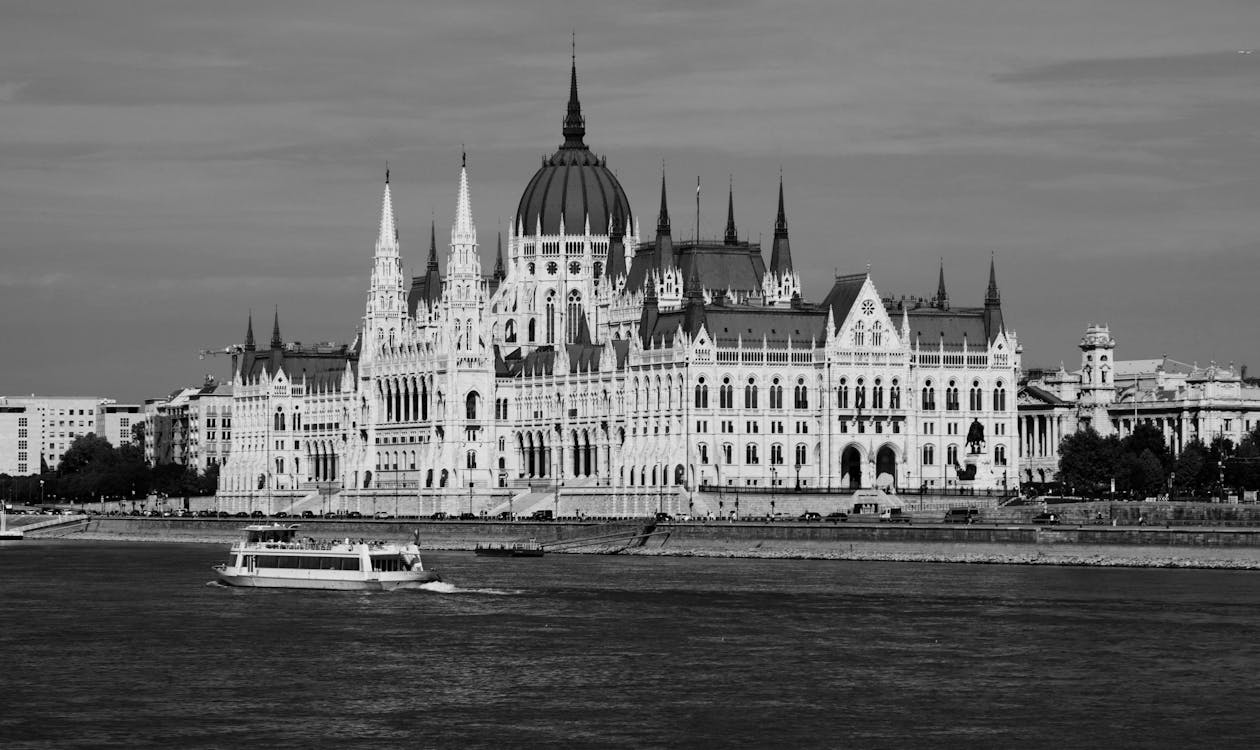
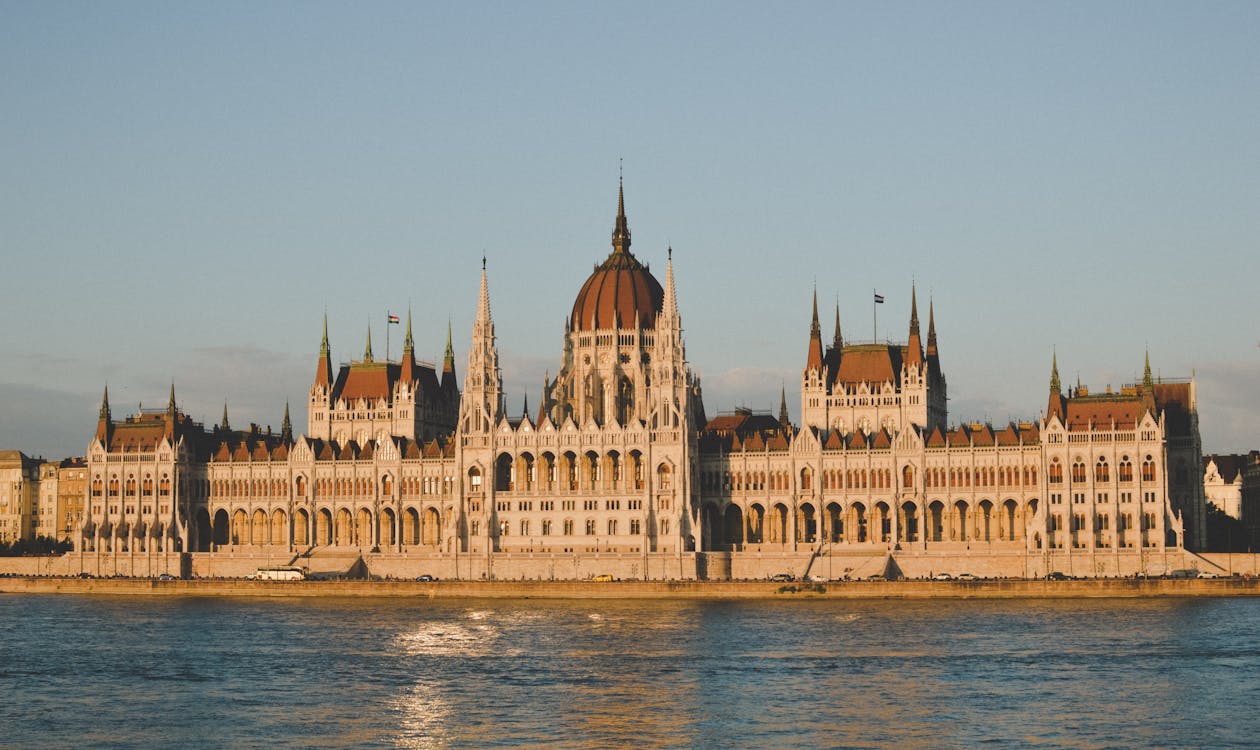
For all its strategies and frameworks, Budapest's smart city story comes alive in the everyday. Commuters check the FUTÁR app on their phones as they hurry past the neo-Gothic parliament building toward Kossuth Lajos tér. In District Eight — formerly one of Budapest's most traffic-choked neighbourhoods — streets around schools have been closed to cars, parking spaces replaced by play areas, and tactical urbanism has won over initial sceptics. Deputy Mayor Dániel Rádai recalls the turning point: "A resident once angrily asked me if anyone actually liked the changes. I simply flagged down the next passer-by to ask for their opinion and they immediately praised the improvements, saying it had become much nicer to walk in the area." The Upper and Reallocate EU-funded projects helped Budapest prove that reclaiming streets for people could shift public opinion faster than any campaign.
Ádám Bodor, BKK's Mobility Director, describes another front: "If their kids are excited about cycling or walking to school, that's one of the most effective ways to influence the parents' behaviour." In participating schools, nearly 60 per cent of parents changed their transport habits after car-free school zones were introduced.
Events like the Budapest Smart City Forum 2025 open the conversation beyond city hall, inviting residents to see, test, and challenge the technologies reshaping their neighbourhoods.
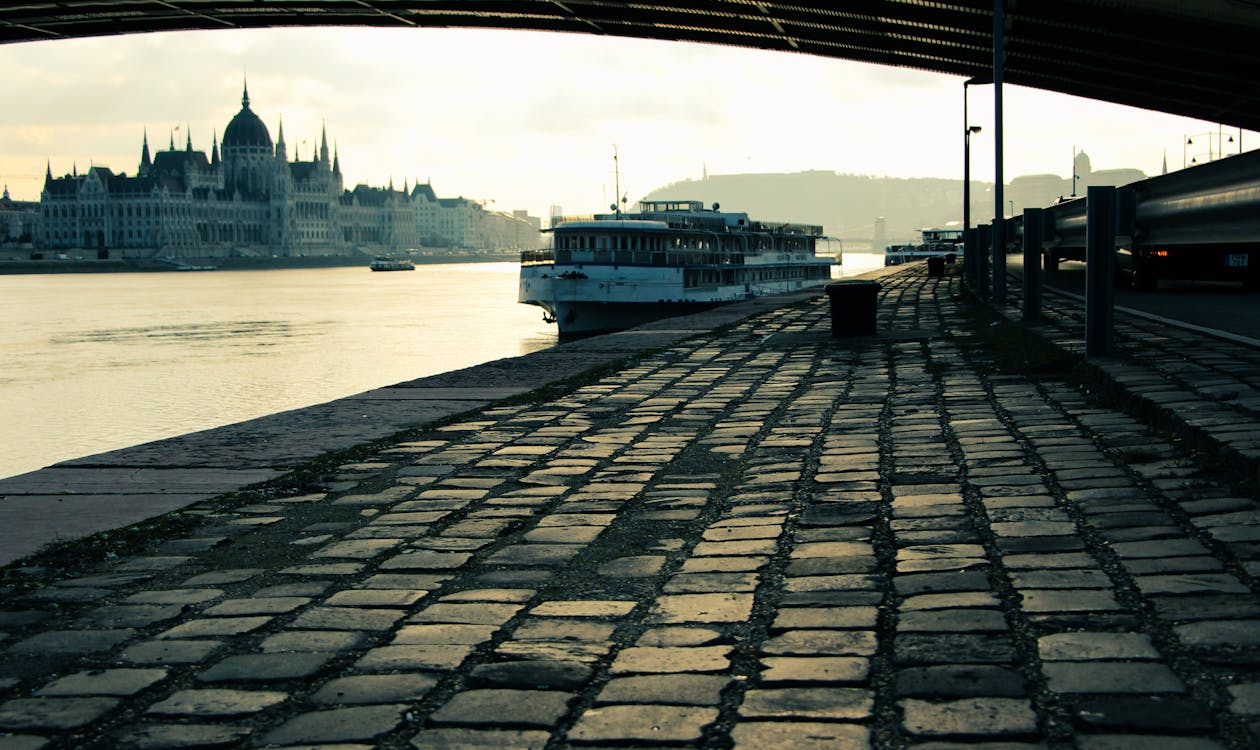
And then there is the culture that makes Budapest unmistakably itself. On a winter evening, locals queue for the Széchenyi thermal baths, steam rising into cold air above the yellow neo-baroque facade. The bath ritual is ancient, social, and stubbornly analogue — a counterpoint to the data streams flowing through FUTÁR screens and smart sensors along the Danube. Yet the two are not as far apart as they seem. Both reflect a city that values public space, shared infrastructure, and the conviction that the best urban services are the ones everyone can use. In Budapest, the smart city is not a gleaming showcase; it is a daily negotiation between ambition and constraint, heritage and innovation, a stubborn mayor and a stubborn government — played out in a city that has been reinventing itself for two thousand years.
References11 resources11 external
Resources
Project
BKK FUTÁR Intelligent Transport System
Real‑time GPS tracking powers live arrival predictions, signal priority, and open‑data for developers.
Knowledge
Budapest 2030 Long-Term Urban Development Concept
Budapest 2030 weaves post‑crisis resilience, Danube‑front revitalization, and smart‑city tech into a decade‑spanning urban vision.
Event
Budapest Smart City Forum 2025
Urban planners, officials, and tech firms discuss smart city innovations and collaborations.
Knowledge
Budapest Smart Green City Award
Budapest won the Smart Green City Award, showcasing climate strategy, renewable energy, and IoT governance.
Organisation
Design Terminal Budapest
Accelerates smart‑city startups with mentoring, workspace, cultural design, and international networking opportunities.
Organisation
Budapest Enterprise Agency (BEA)
Drives Budapest's economic growth through entrepreneurship, smart city projects, funding, and mentorship.
Organisation
EIT Urban Mobility — Budapest Hub
Accelerates urban mobility through research, education, innovation, and startup support in Budapest.
Event
EIT Awards Budapest 2025
Innovators, entrepreneurs, students, and changemakers gather to celebrate European breakthrough innovations across sectors.
Organisation
Municipality of Budapest — Chief Digital Officer
Leads Budapest’s digital transformation, coordinating smart city projects, data platforms, and services.
Organisation
Budapest University of Technology — Smart City Lab
Conducts applied smart city research, partnering with Budapest authorities and training innovators.
Event
PropTech Budapest Conference 2025
Real estate professionals and tech startups explore proptech innovations and smart city solutions.
External Sources
Budapest Wins Global Smart Green City Award for Climate Strategyhungarianconservative.comSmart Budapest Summaryarchiv.budapest.huSmart Budapest Initiativebvk.huBudapest reclaims streets for the next generationeurocities.euPreserving the Past, Building the Future: Budapest's Climate Challengenetzerocities.euProvincialising smart urbanism further from the Global Eastresearch-portal.uu.nlHungary — Digital Economytrade.govBudapest Integrated Urban Development Strategy 2027archiv.budapest.huBudapest 2026: A város, amely sosem alszik, de mindig figyelaiokosjovo.huMegjelentek Budapest indexei: furcsa pályára került a fővároseconomx.huHungary announces new AI strategy and regulation planscms.law