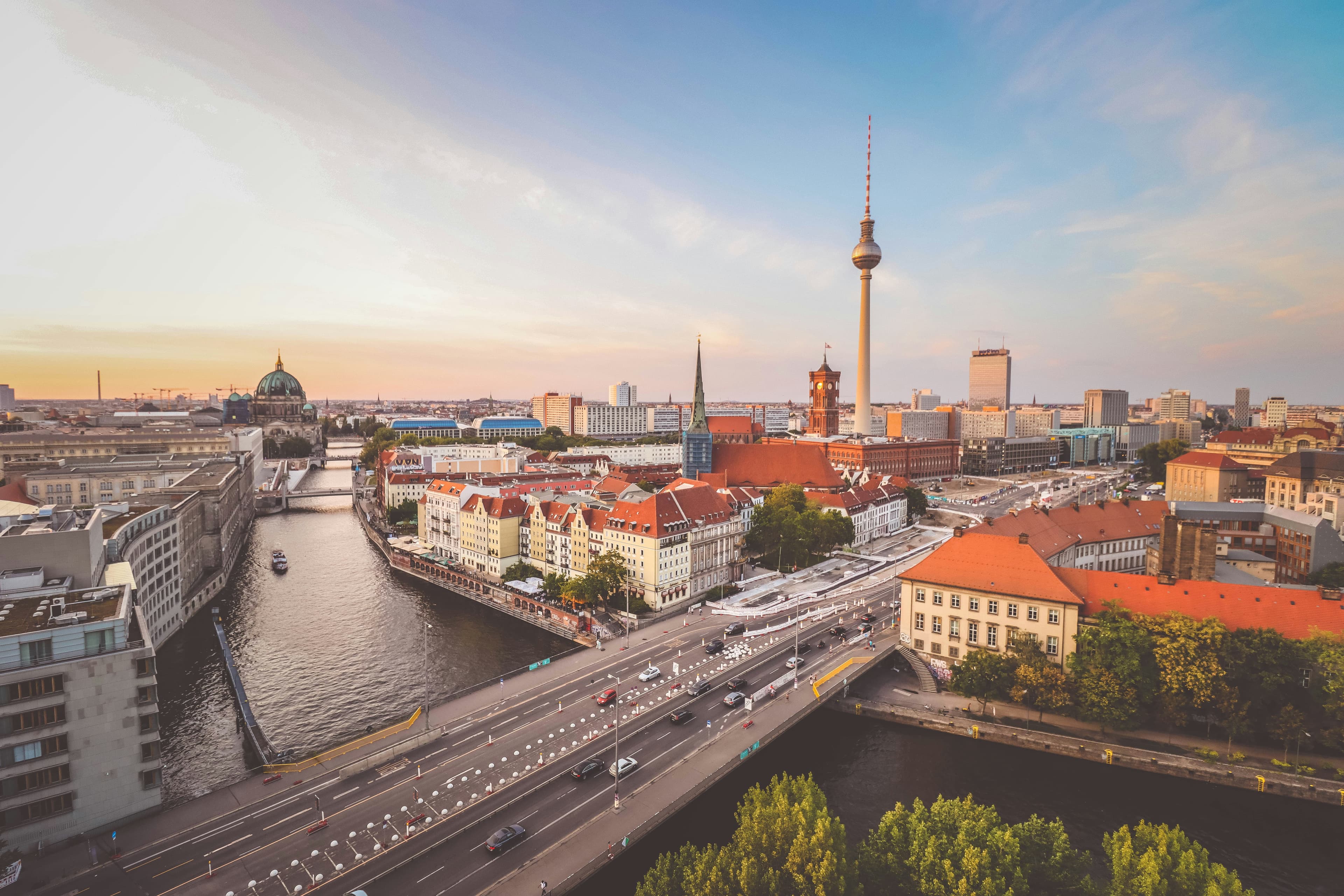
Berlin
The City That Open-Sources Its Future
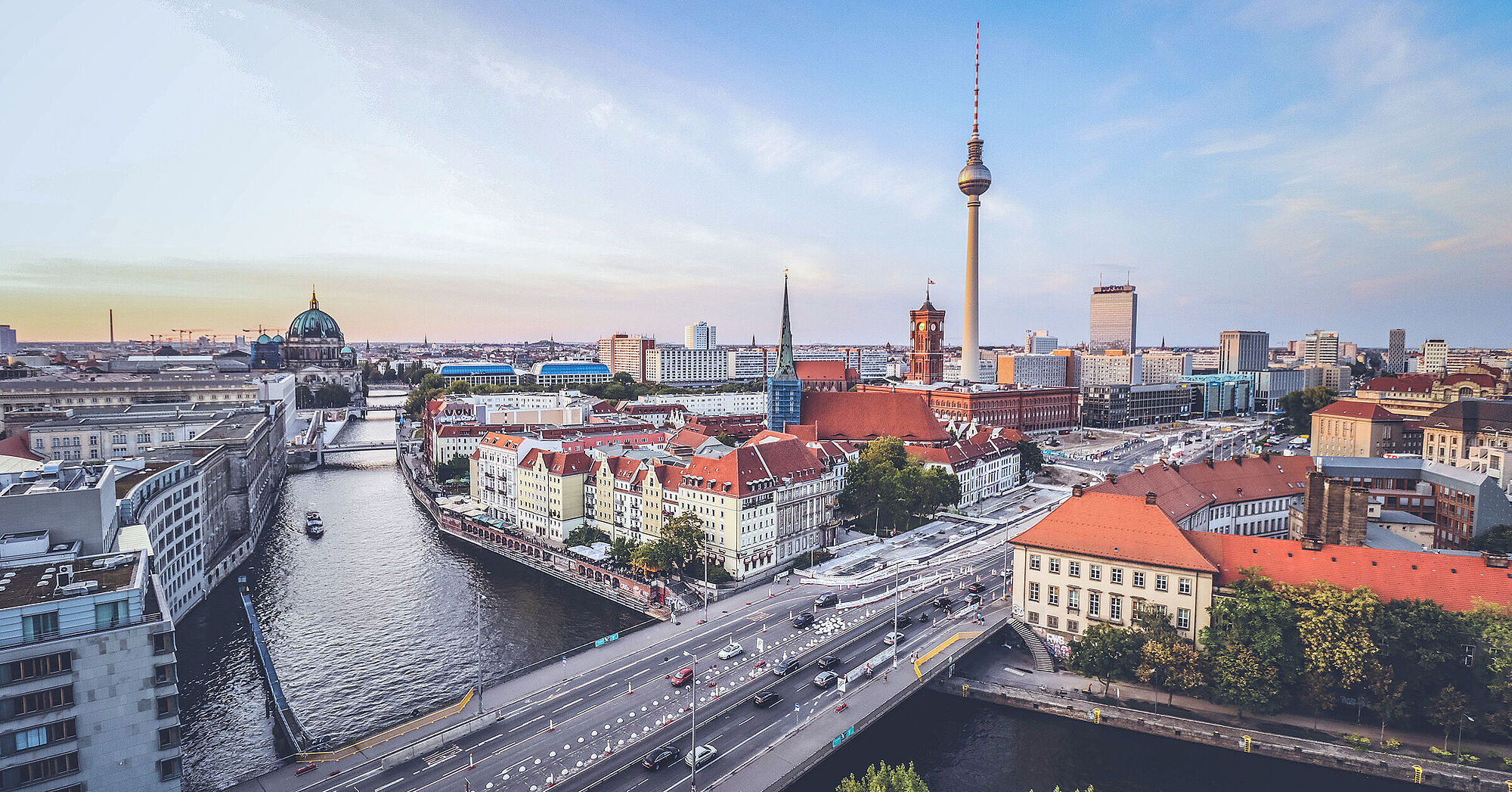
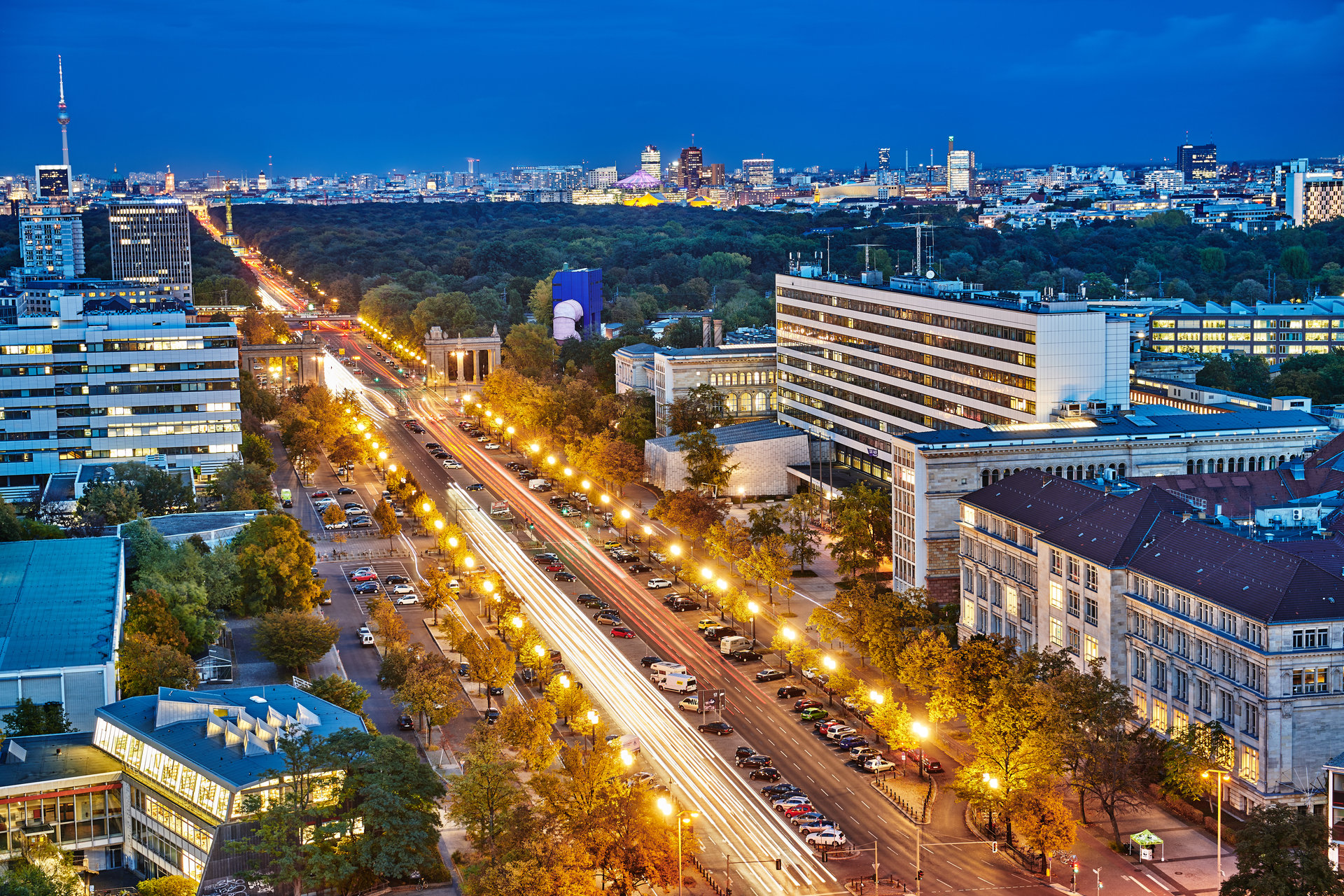
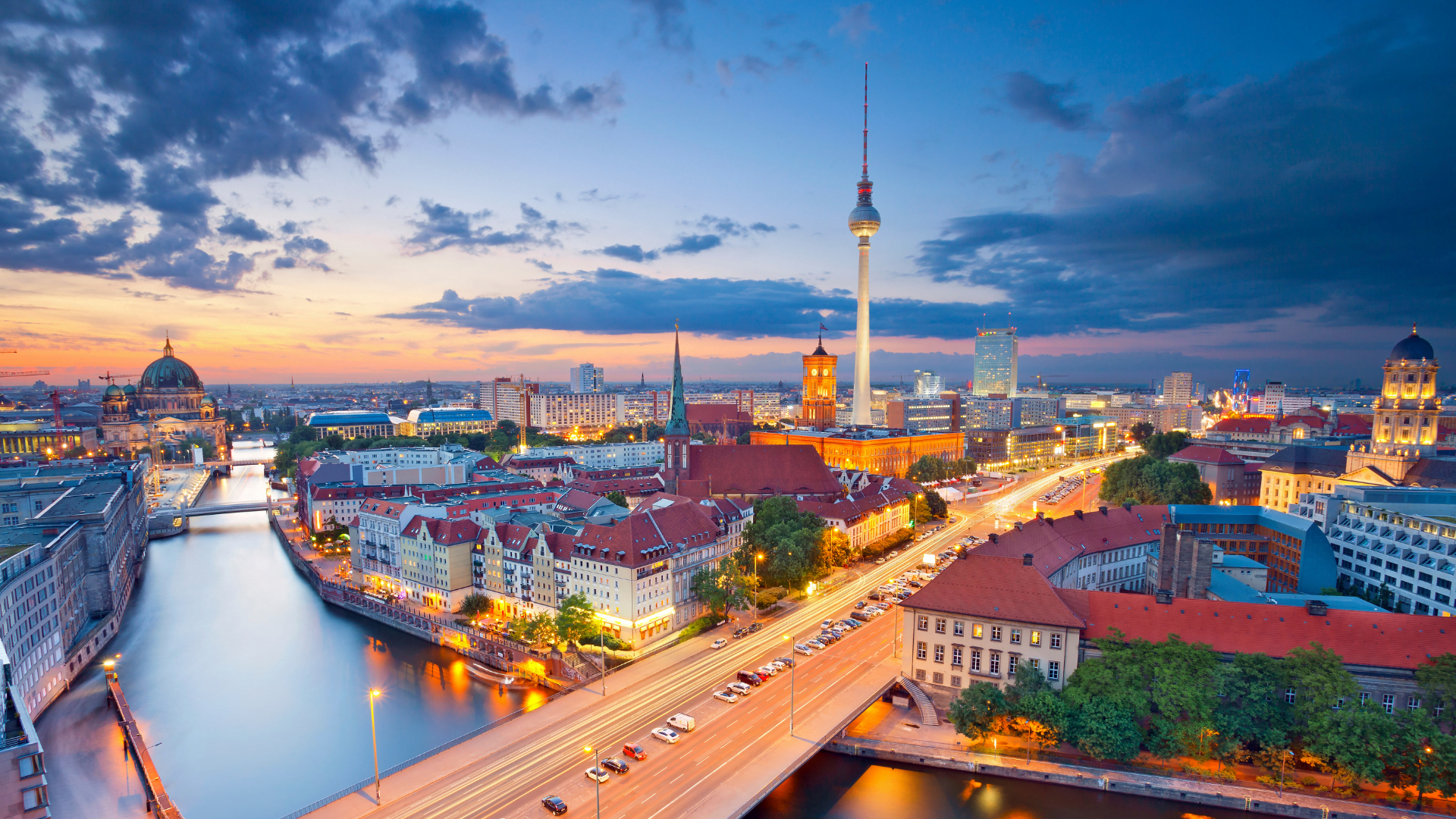
Berlin does not do smart city quietly. With 3.75 million inhabitants spread across a metropolis shaped by division, reunification, and relentless reinvention, Germany's capital has turned its complicated twentieth-century history into a distinctive strength for urban innovation. Where other European capitals commission consultancies to draft their digital strategies, Berlin convened its neighbourhoods.
The result is Gemeinsam Digital: Berlin, a smart city and digitalisation strategy adopted in December 2022 after more than two years of participatory workshops, online consultations, and neighbourhood dialogues — including targeted outreach to underrepresented communities. "A city like Berlin is smart when digitisation and technology generate social benefits and strengthen the democratic community," the Gemeinsam Digital: Berlin's Smart City Strategy declares. It functions not as a top-down master plan but as an umbrella framework that connects existing specialist strategies — from mobility to energy to open data — and accelerates them through five federally funded pilot projects spanning participatory budgeting, stormwater management, urban design, communications, and mobility planning, all to be implemented by the end of 2026.
A Strategy Written in Town Halls, Not Boardrooms
Political ownership sits with the Berlin Senate Chancellery — Digital, which coordinates the strategy alongside a growing network of district-level smart city pilots. The approach is deliberately decentralised: each of Berlin's twelve districts adapts the strategy to local needs, with methodological support from CityLAB Berlin — the city's public innovation lab, operated by the Technologiestiftung Berlin.
Berlin was among the first European capitals to adopt an Open Source Strategy for the State of Berlin (Secondary Source) as a default for public administration, aiming to reduce dependence on proprietary software, strengthen digital sovereignty, and foster a local developer ecosystem. The city's Berlin Data Governance Framework: Principles for Municipal Data Use sets out principles for municipal data use: privacy by design, algorithmic transparency, and public trust as non-negotiable foundations. In February 2026, the Senate complemented this stack with a Multi-Cloud-Strategie for the State of Berlin, framing cloud procurement around open interfaces, interoperable standards, and the federal Deutsche Verwaltungscloud — another deliberate step toward digital sovereignty. These are not abstract policy documents — they shape how every new smart city project is designed and deployed.
Critical voices have not been absent. Privacy advocates have questioned the data implications of multimodal mobility platforms, and the tension between innovation speed and democratic scrutiny remains a live debate. Berlin's answer has been to institutionalise deliberation: participatory processes are built into the strategy's governance, and the Weizenbaum Institute for the Networked Society — a federally funded research centre studying the societal implications of digitalisation — provides an independent critical lens on issues from algorithmic governance to platform power.
Labs, Foundations, and the Art of Civic Hacking
Berlin's smart city ecosystem is a network, not a hierarchy. Power flows through a constellation of public labs, research institutes, foundations, infrastructure operators, and a civic tech community with few parallels in Europe.
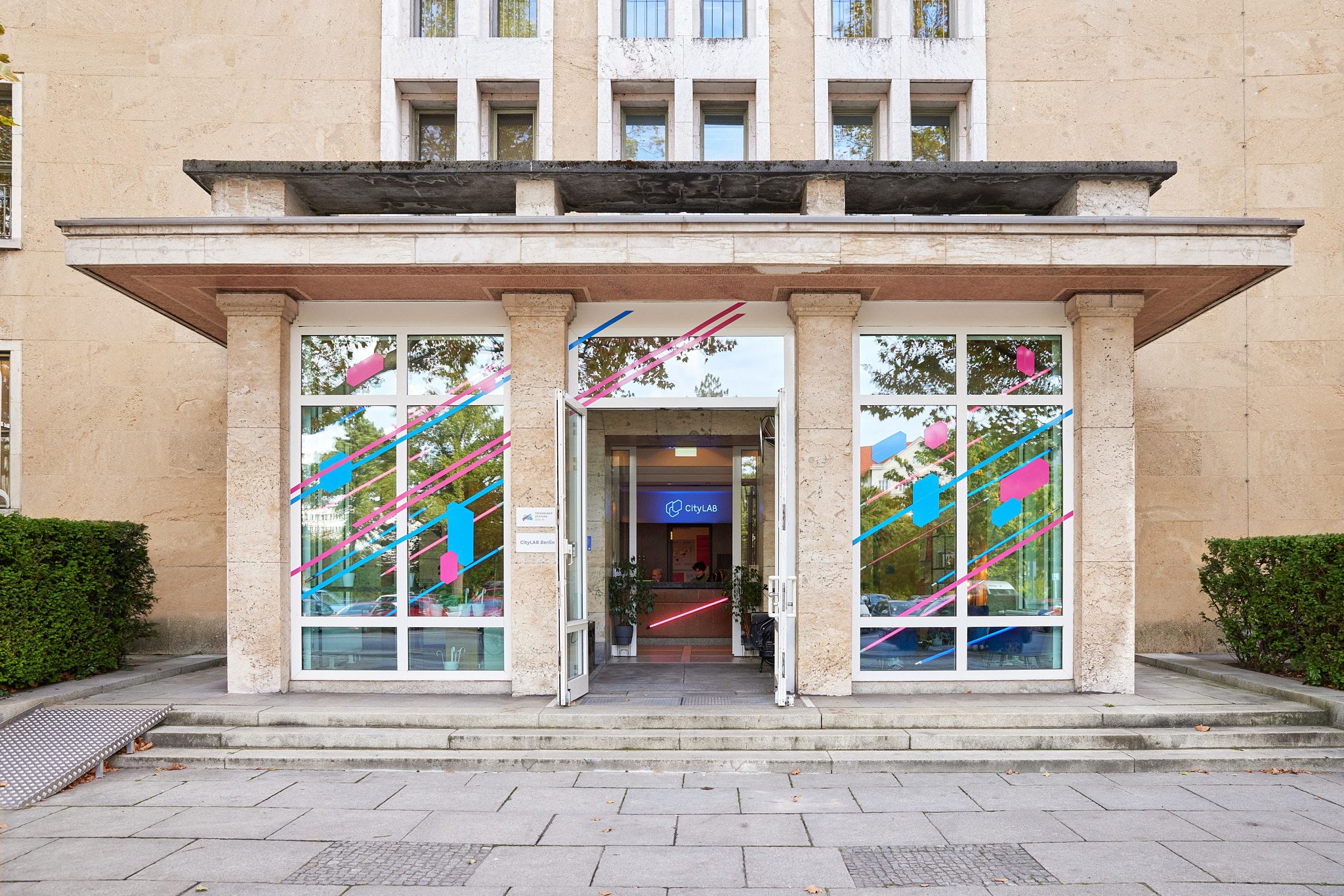
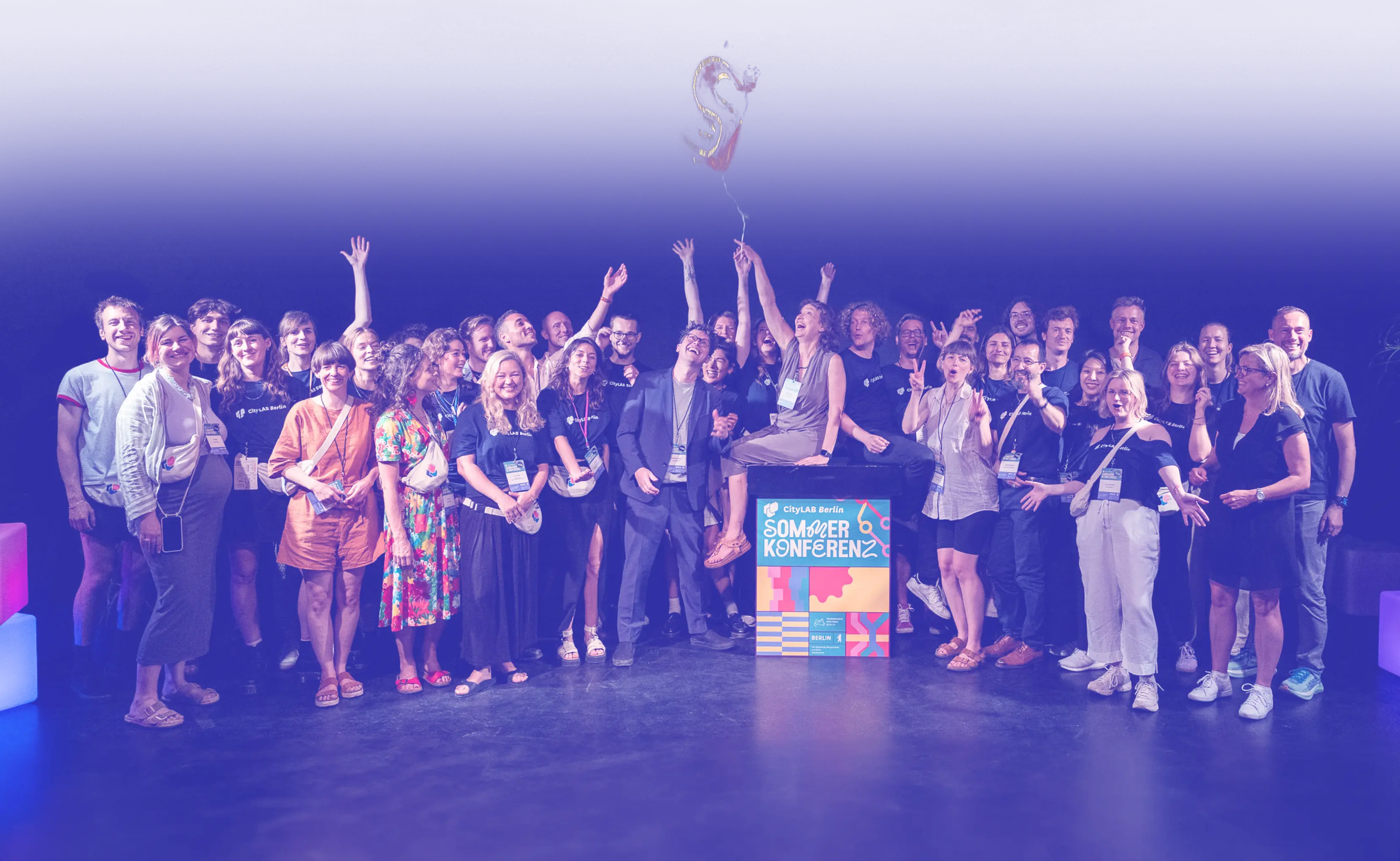
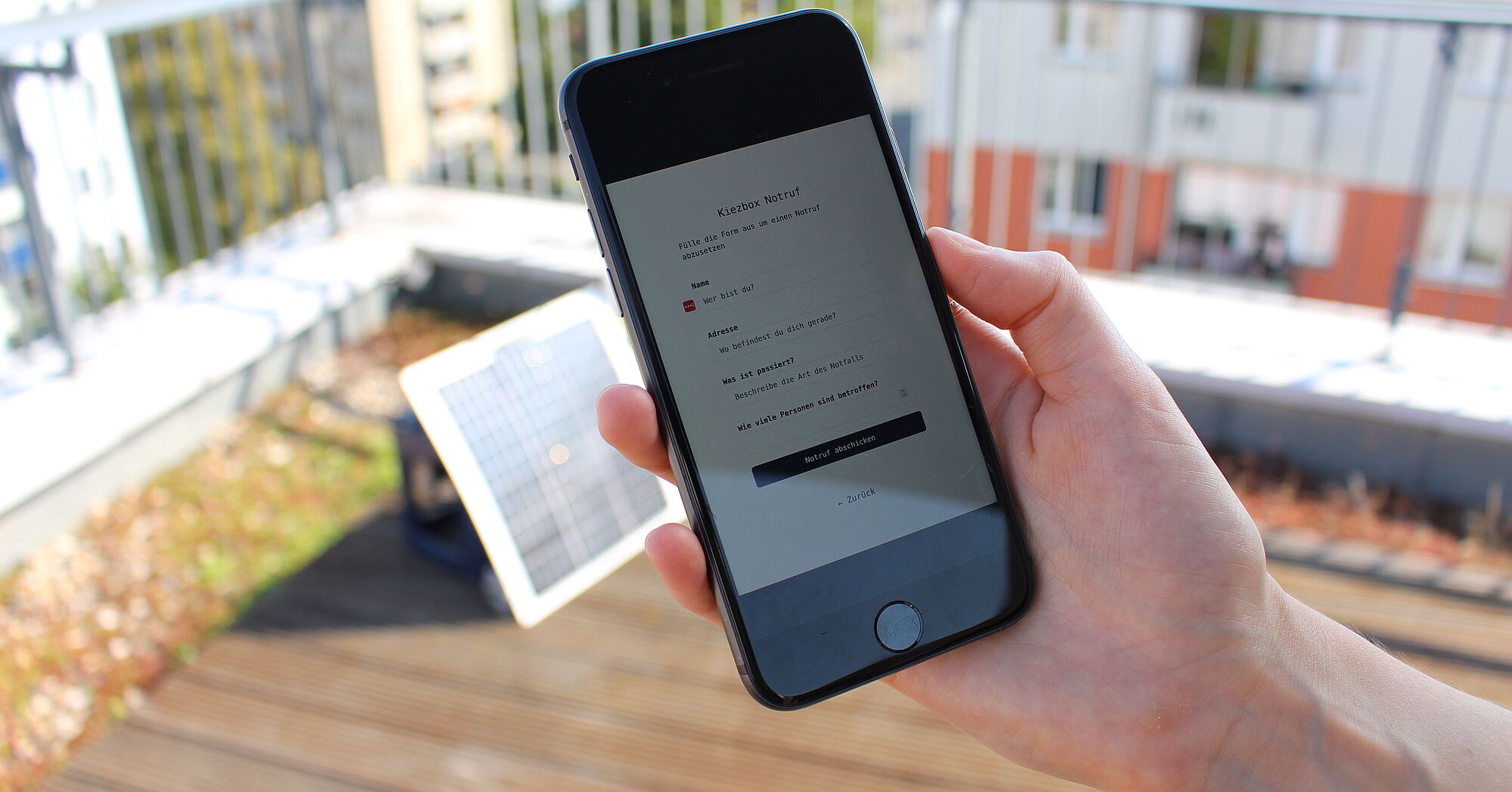
CityLAB Berlin sits at the centre, bridging city government, civil society, and the tech world. Since opening in 2019 in the former Tempelhof Airport terminal, it has become a model for public innovation labs across Europe — running projects from Parla — AI Parliamentary Assistant, an AI tool improving citizen access to parliamentary information, to Kiezbox 2.0 — Resilient Community Mesh Network, a decentralised mesh network enabling neighbourhood communication during infrastructure failures.
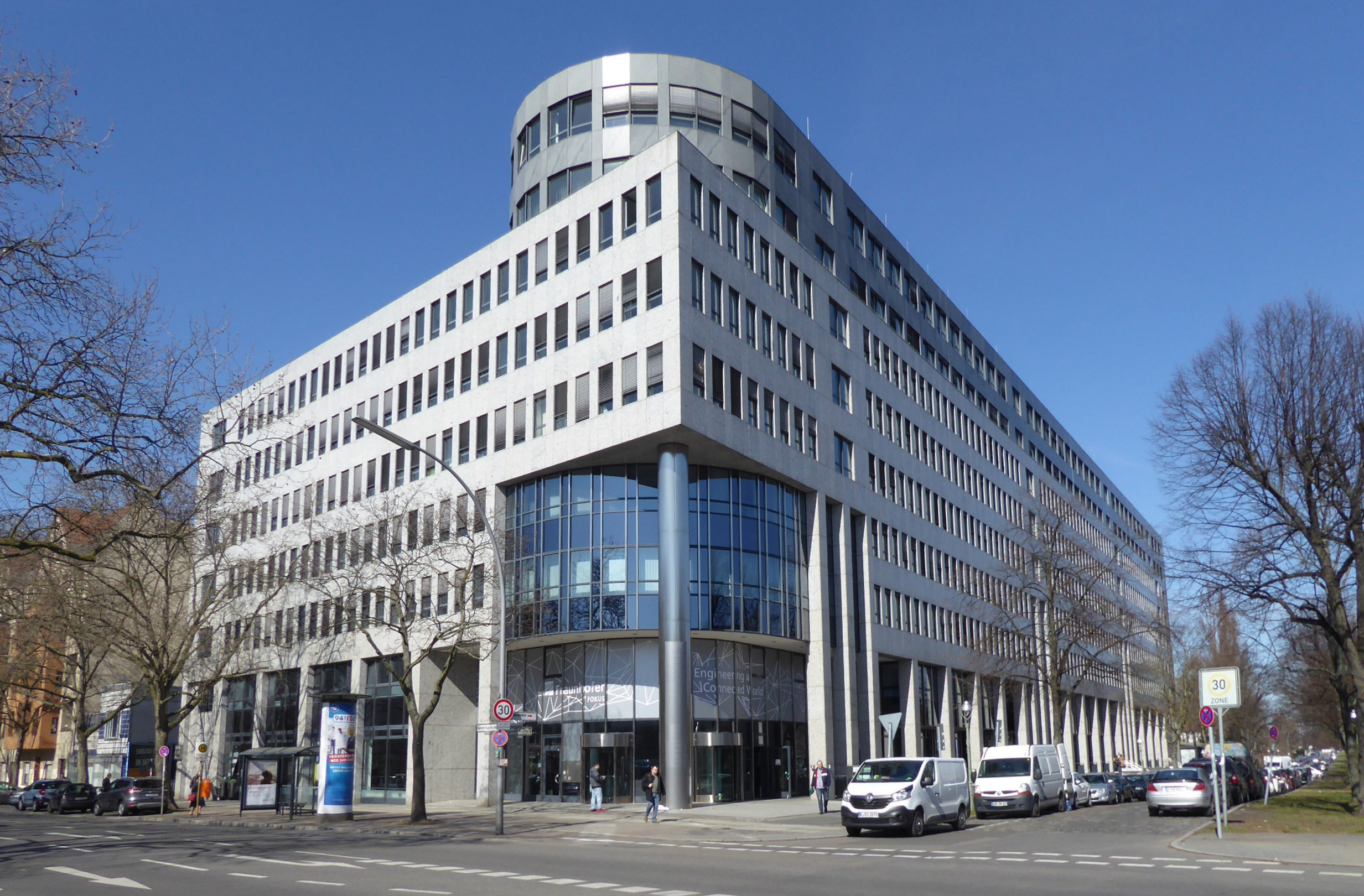
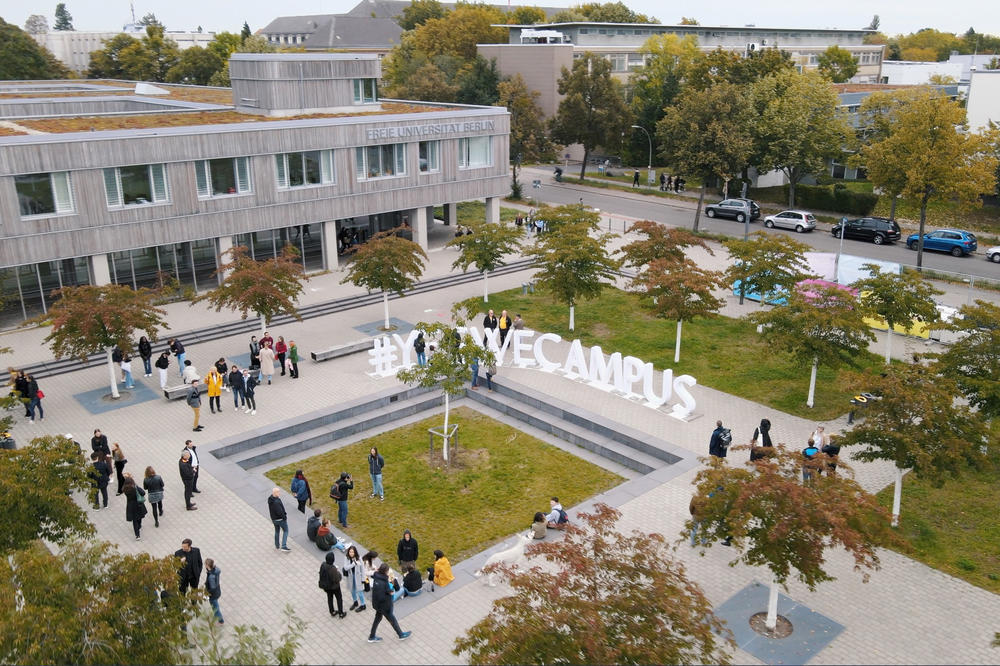
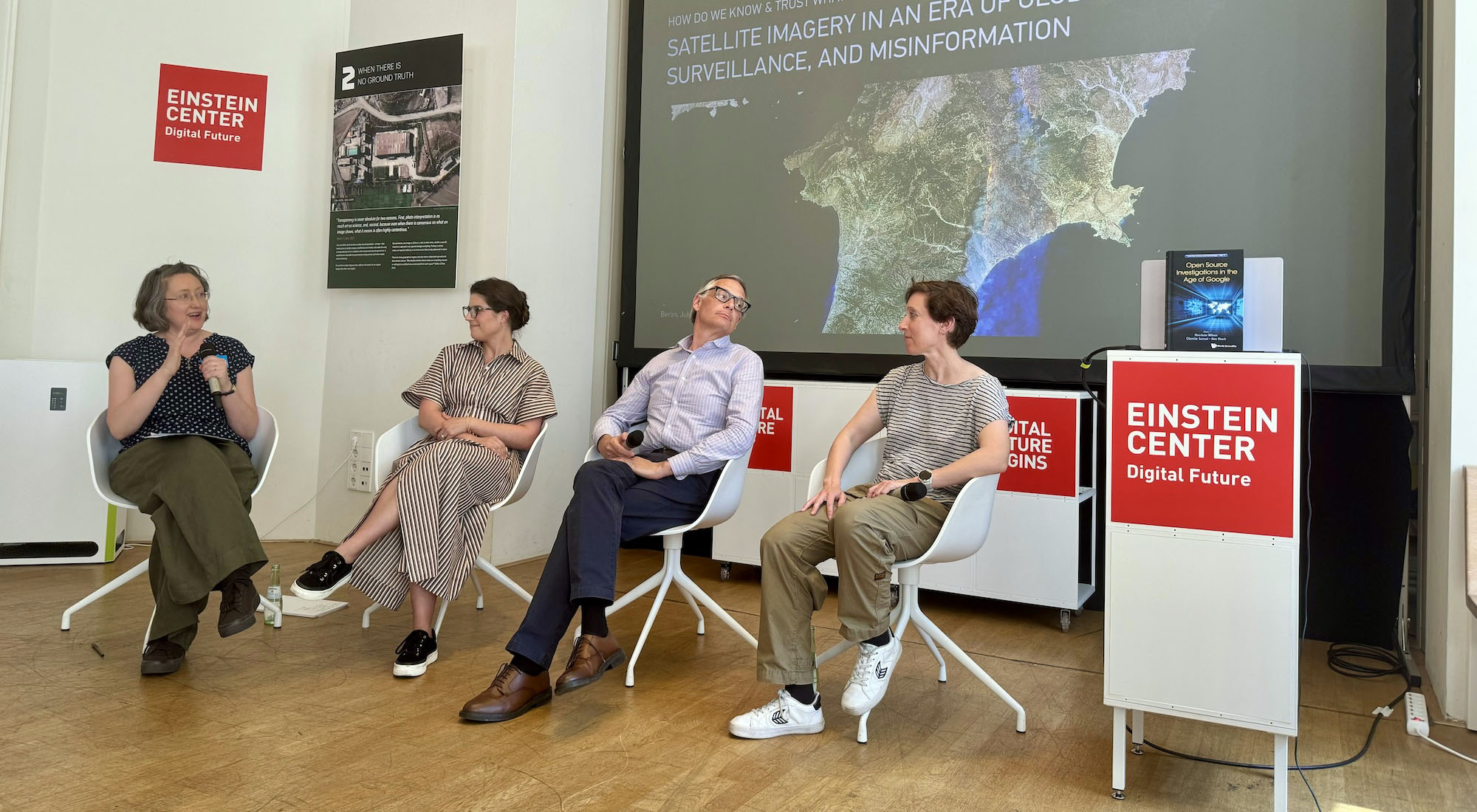
Research depth comes from Fraunhofer FOKUS, Germany's leading institute for open digital infrastructure and smart city standards, and the Einstein Center Digital Future, an interdisciplinary hub connecting Berlin's three major universities — Technische Universität Berlin, Freie Universität Berlin, and Humboldt-Universität zu Berlin. The Open Knowledge Foundation Germany drives open data and civic participation through initiatives like Code for Germany and FragDenStaat.
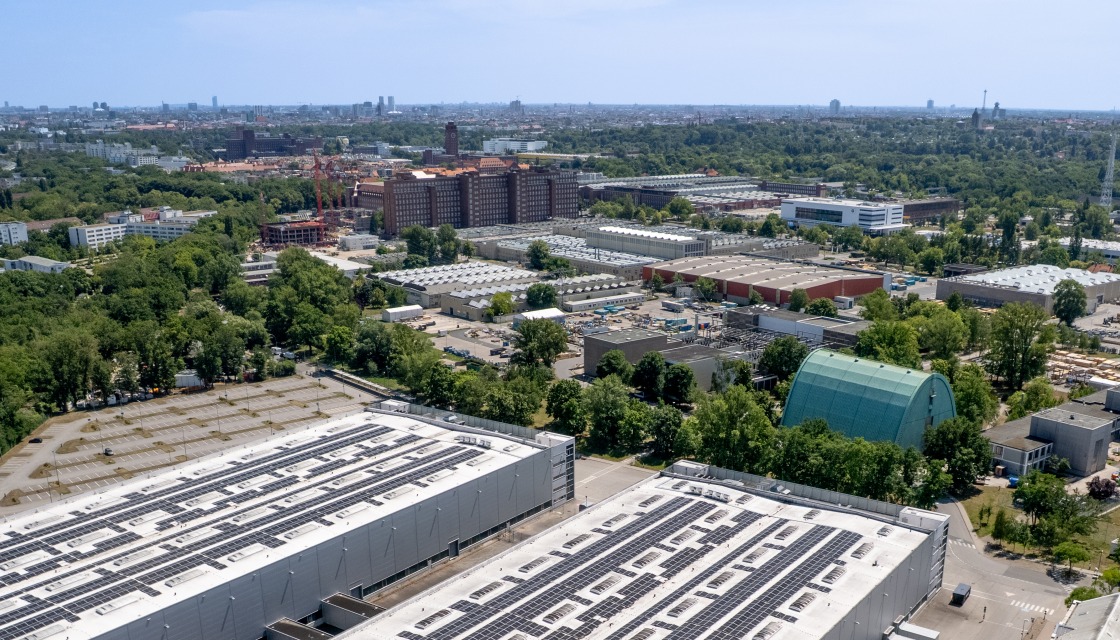
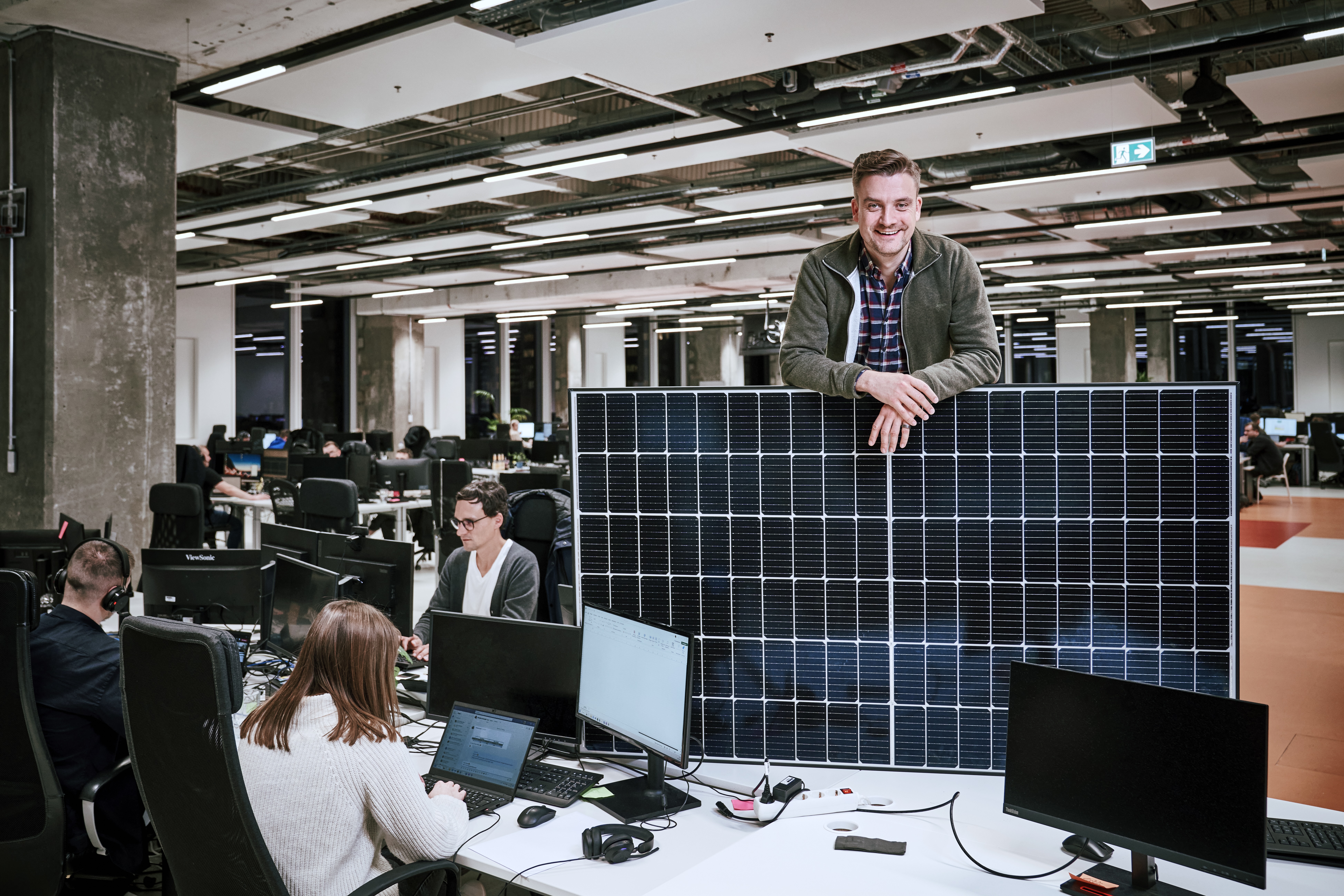
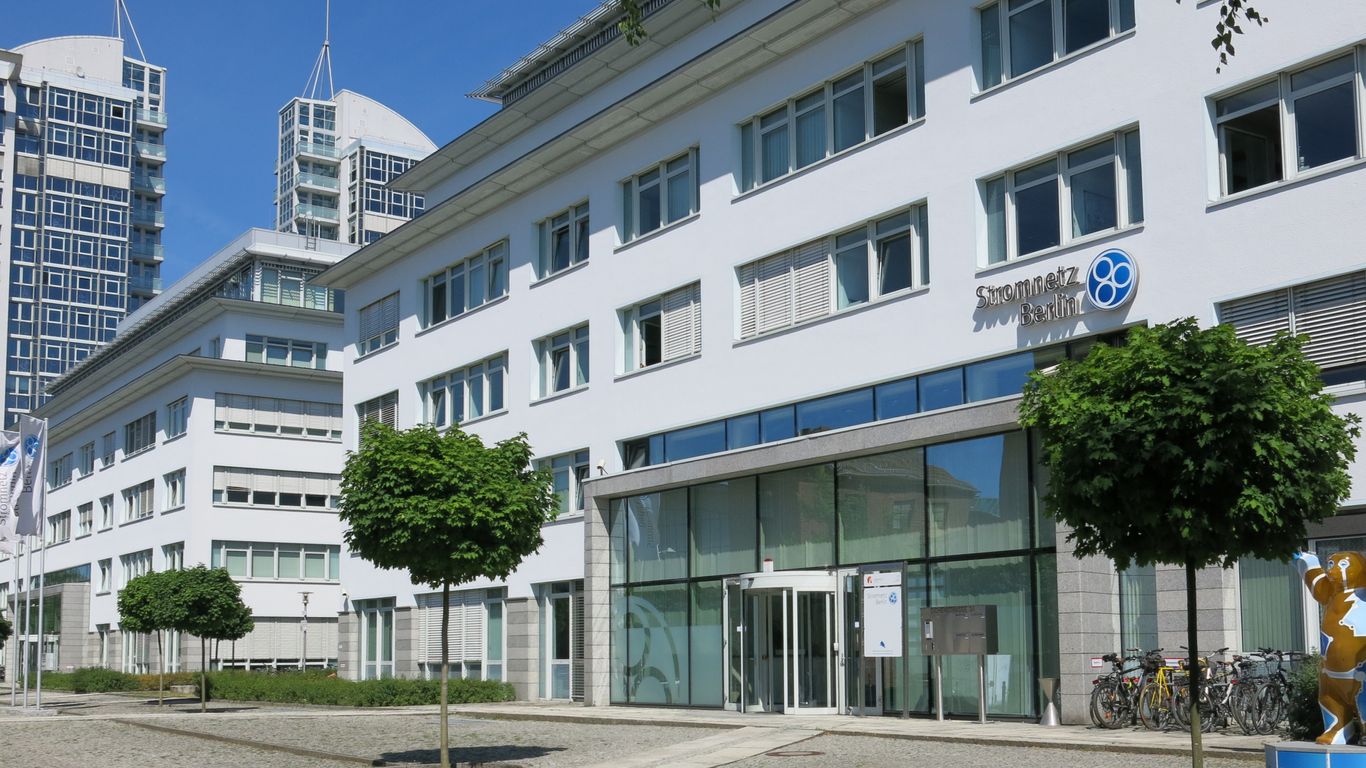
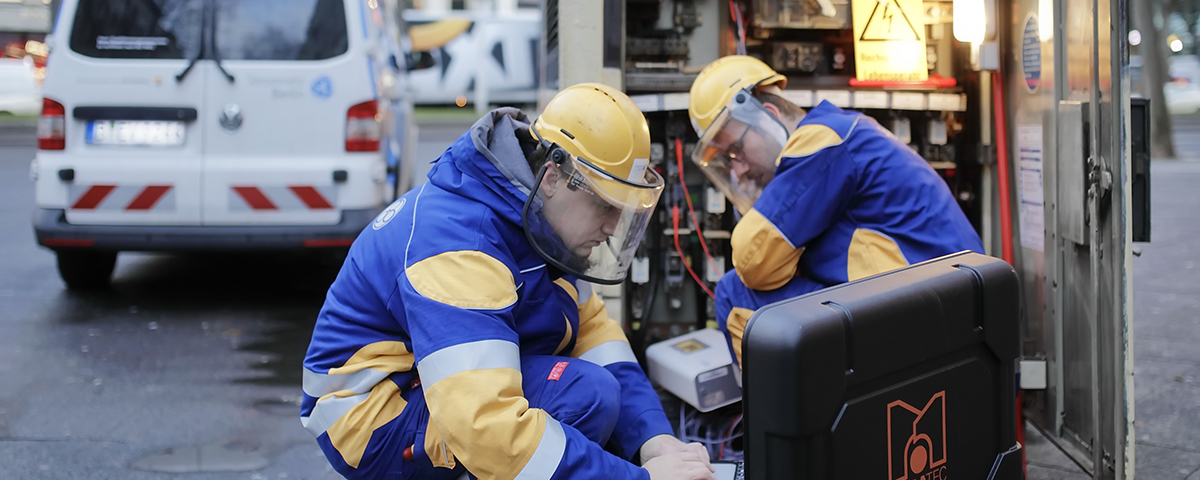
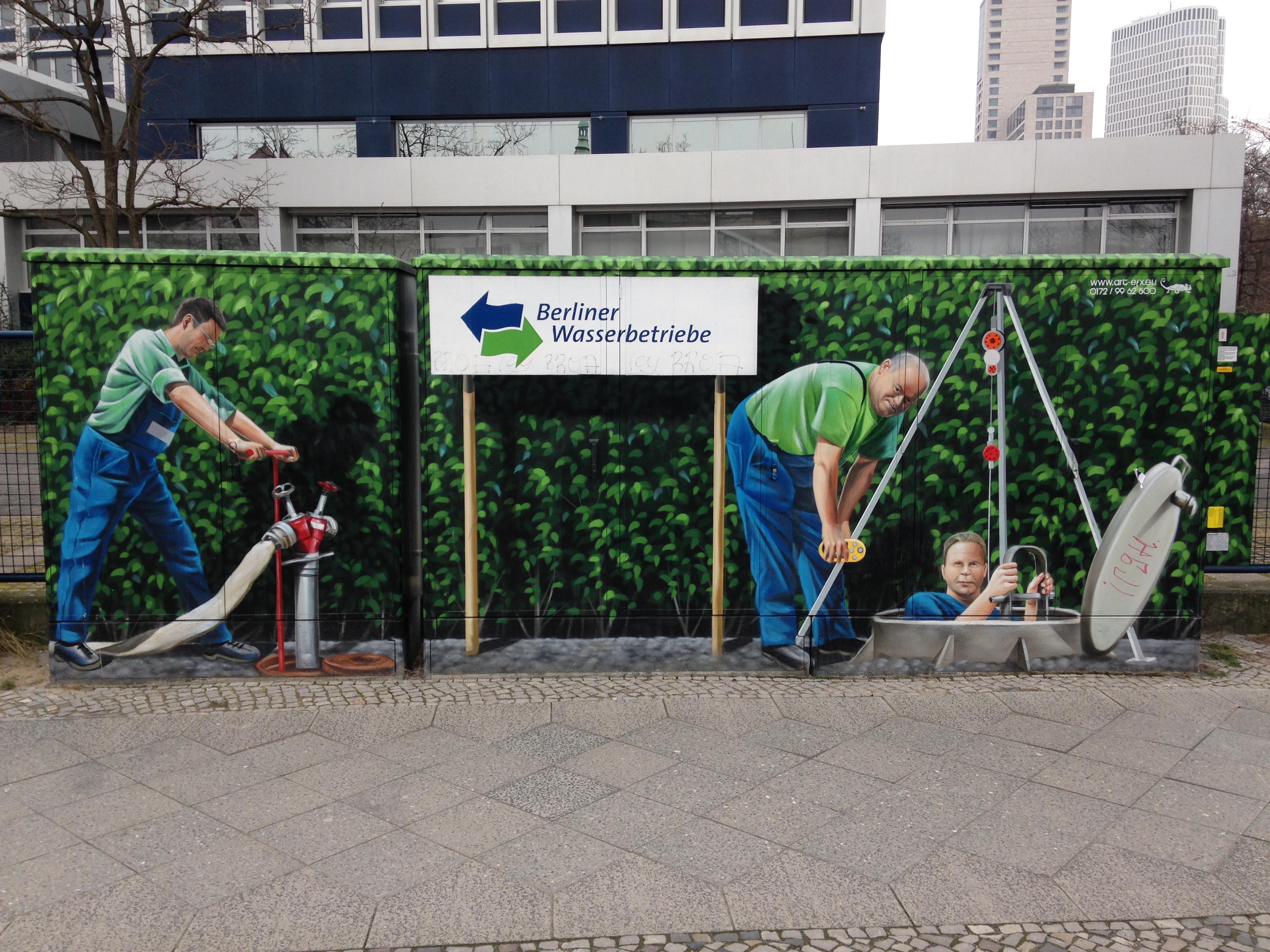
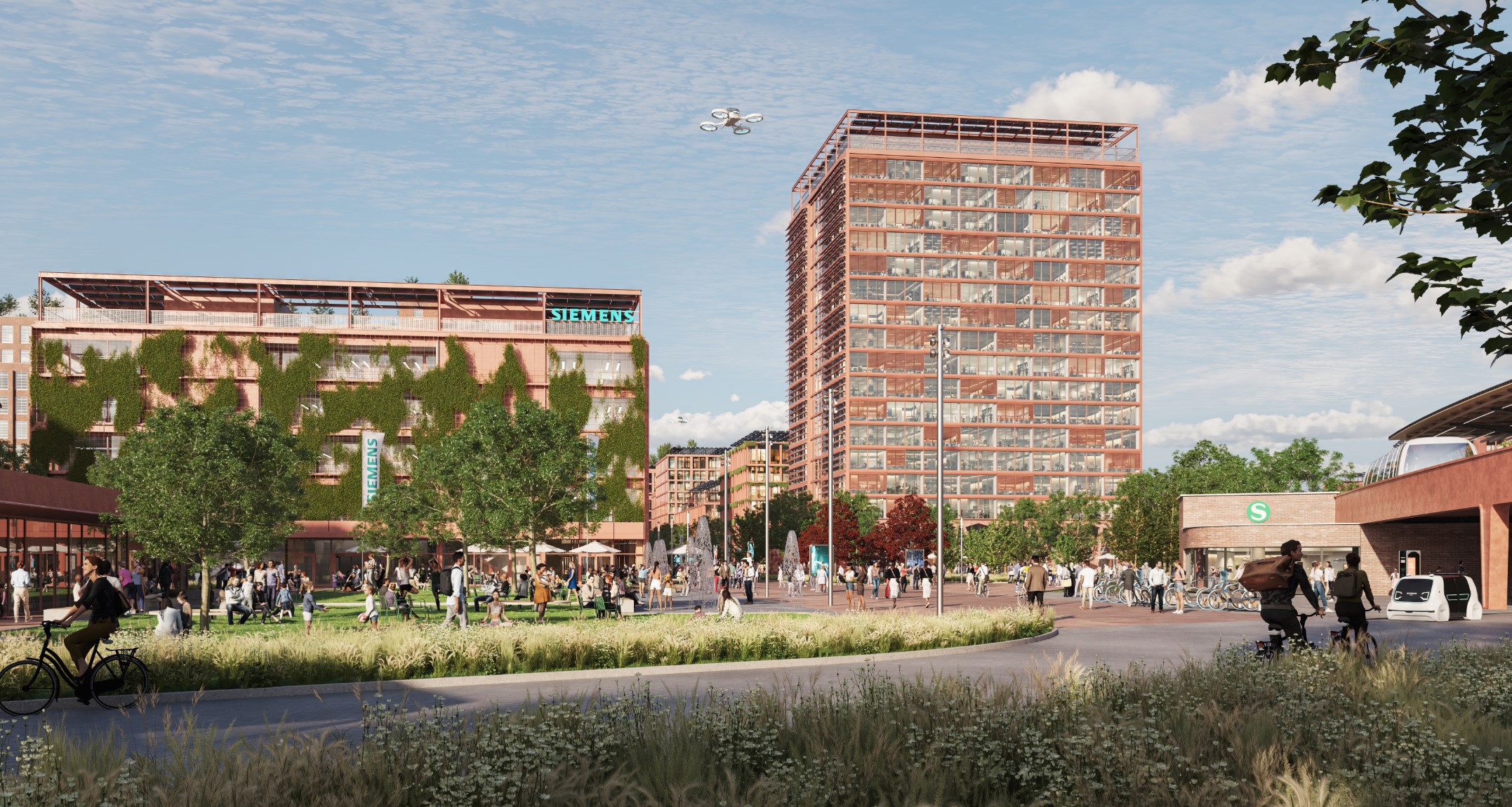
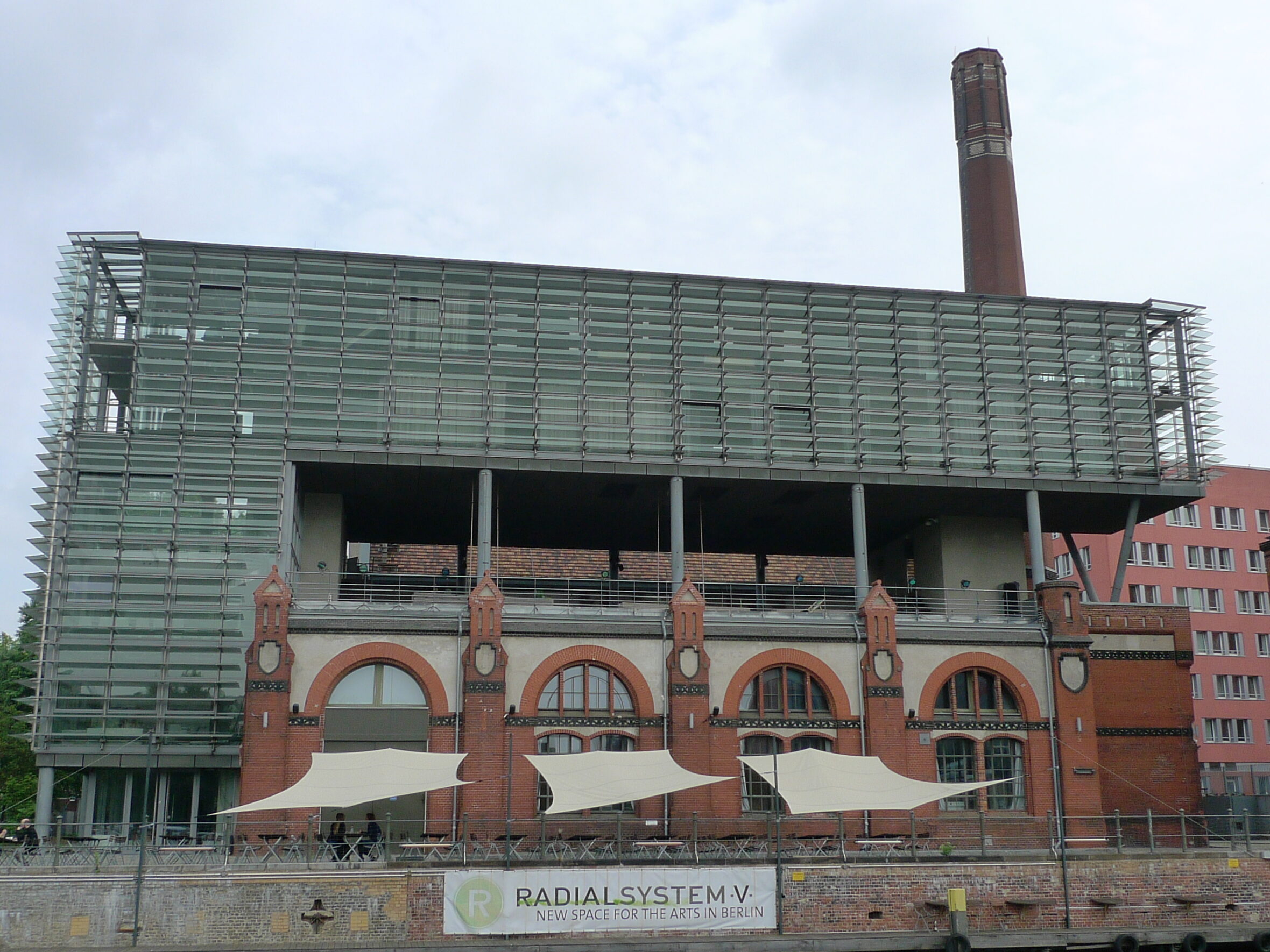
On the corporate and infrastructure side, Siemens AG — Siemensstadt Square is investing in Siemensstadt Square — Smart Urban Quarter, a €600-million urban regeneration project transforming a historic industrial campus into a smart mixed-use quarter by 2035. InfraLab Berlin brings together the city's major utilities — from Berliner Wasserbetriebe (water) and Berliner Stadtreinigung (BSR) (waste) to Stromnetz Berlin (electricity) and Vattenfall Wärme Berlin (heating) — to collaborate on cross-sector digital solutions. In the fast-growing cleantech space, Enpal and the IOTA Foundation represent a startup scene applying distributed ledger technology and solar energy platforms to urban challenges, while the Berlin Innovation Agency and Berlin Partner für Wirtschaft und Technologie connect startups with sustainable solutions to the city's pressing infrastructure needs.
From Digital Twins to Tree-Watering Apps
Berlin's lighthouse projects are distinctive for their civic character. The Berlin Digital Twin, a three-dimensional virtual model of the city integrating real-time data for urban planning and decision-making, is part of Germany's broader Connected Urban Twins programme linking Berlin, Hamburg, and Munich into a shared digital twin infrastructure.
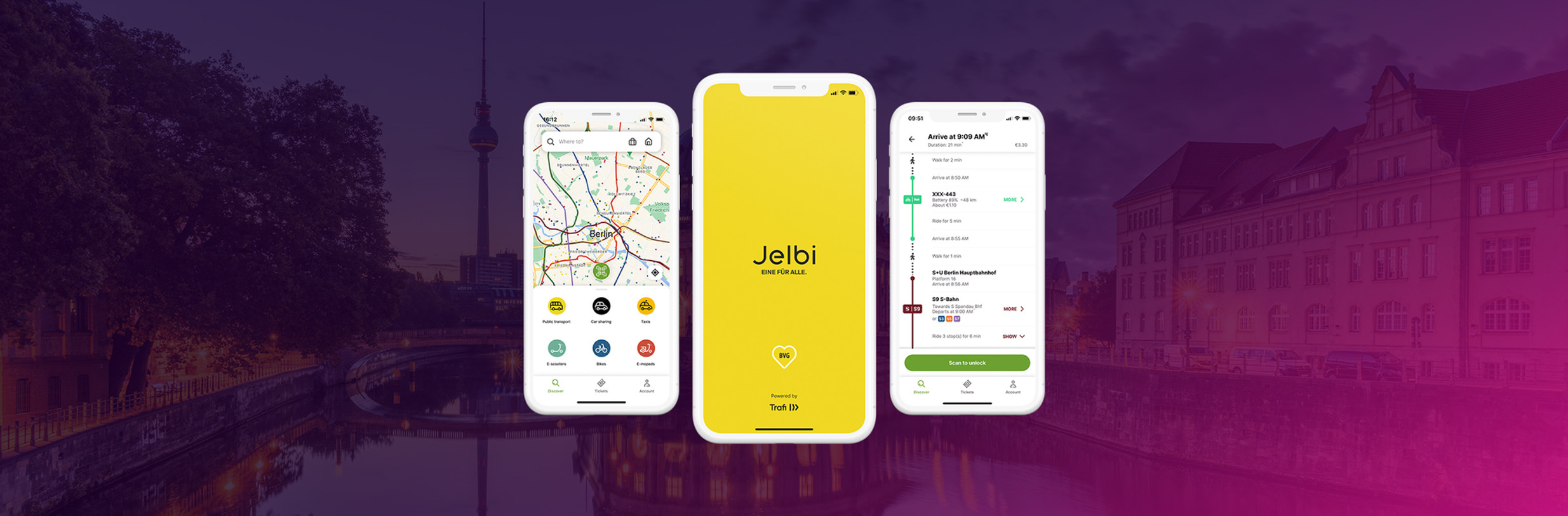
In mobility, Jelbi — Multimodal Mobility Platform has become one of Europe's most recognised Mobility-as-a-Service platforms, integrating public transport, bike-sharing, e-scooters, car-sharing, and ride-hailing into a single app operated by Berliner Verkehrsbetriebe (BVG). In 2023, Juniper Research ranked Berlin among Europe's top smart cities, citing Jelbi's MaaS integration as a standout and forecasting high emission-saving potential from smart city developments across the continent. The next chapter is already in motion: in autumn 2025, BVG began test runs for self-driving electric minibuses, and in the first half of 2026 test operation with closed passenger groups launched along a 55-kilometre route serving roughly 80 stops — described by BVG as the start of a "revolution" in urban mobility, with regular service targeted from 2027. The platform feeds into a broader mobility innovation ecosystem that includes FixMyBerlin — Cycling Infrastructure Platform, a civic tech project using data visualisation and citizen feedback to accelerate cycling infrastructure improvements, and Hardenbergplatz Smart Mobility Hub, a pilot redesigning one of Berlin's busiest transport hubs using real-time analytics.
Energy is another frontier. Vattenfall Fernwärme — Smart District Heating stretches across 2,000 kilometres and is being decarbonised using AI-optimised renewable sources. Stromnetz Berlin — Smart Grid Transformation is digitising electricity distribution with smart meters and predictive analytics. In the Adlershof science district, the Energienetz Adlershof runs a smart energy network serving more than 1,200 companies, complemented by intelligent LED street lighting and a Berliner Hauptbahnhof LoRaWAN-Gateway that quietly monitors passenger flows and environmental conditions.
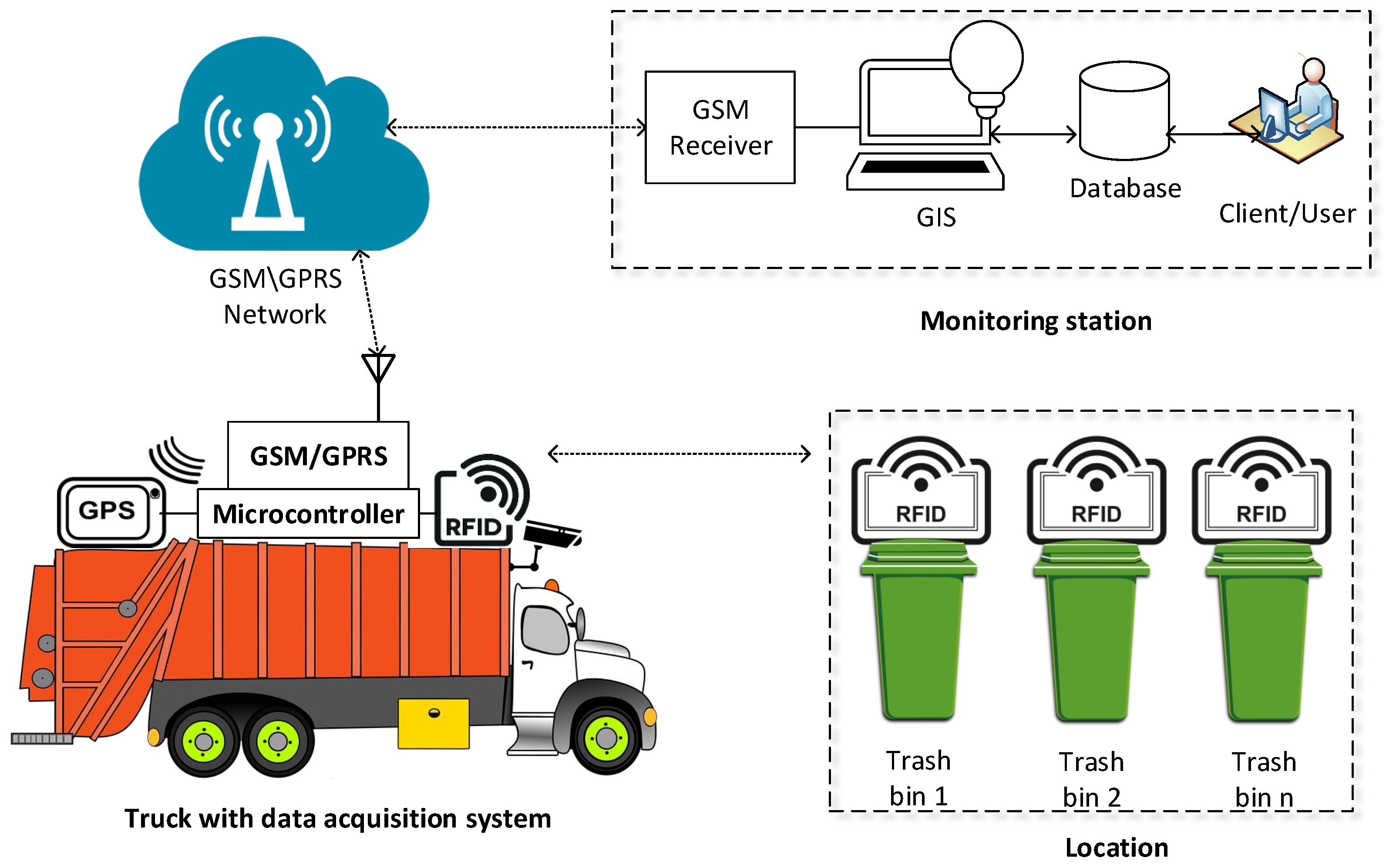
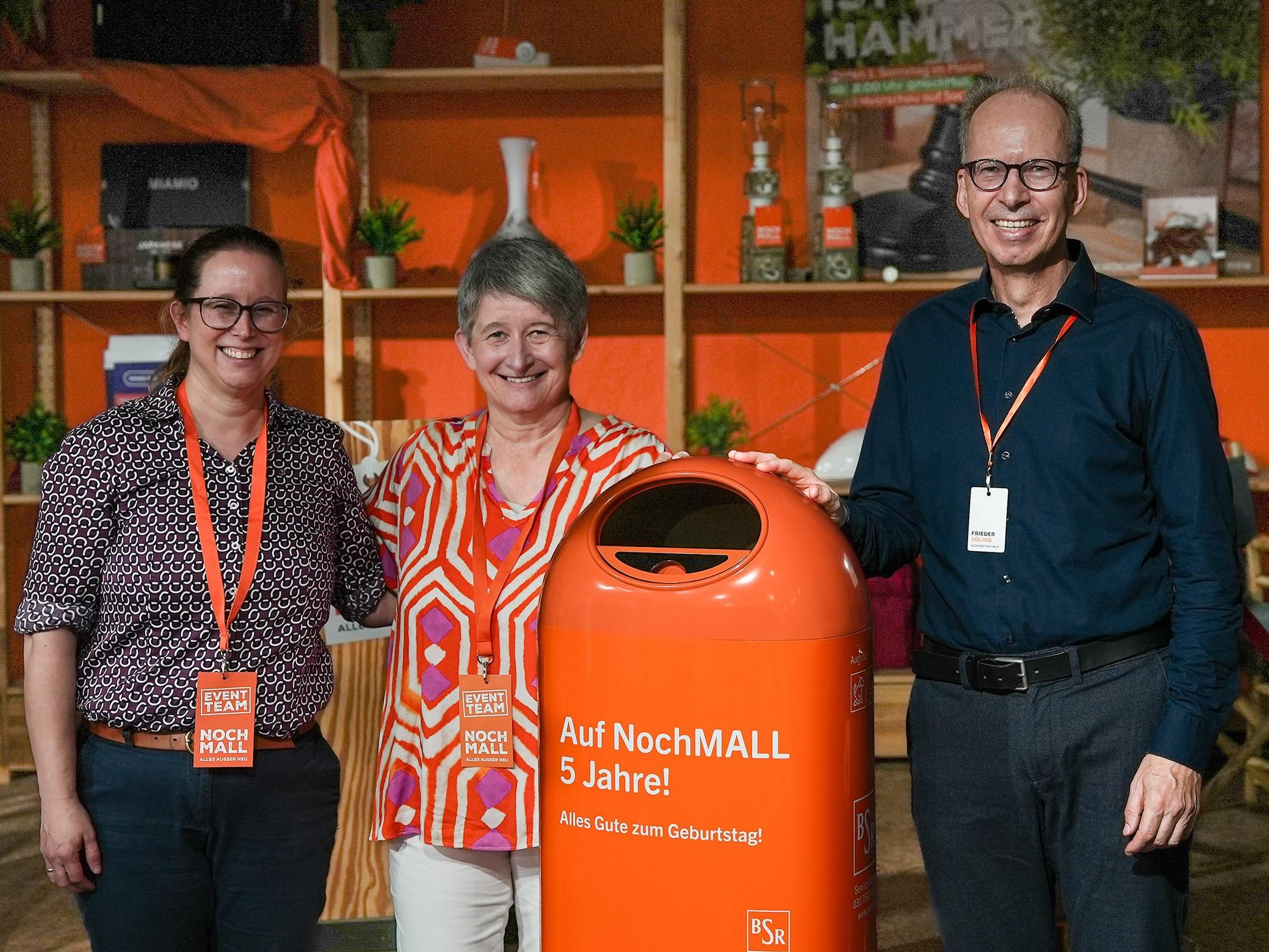
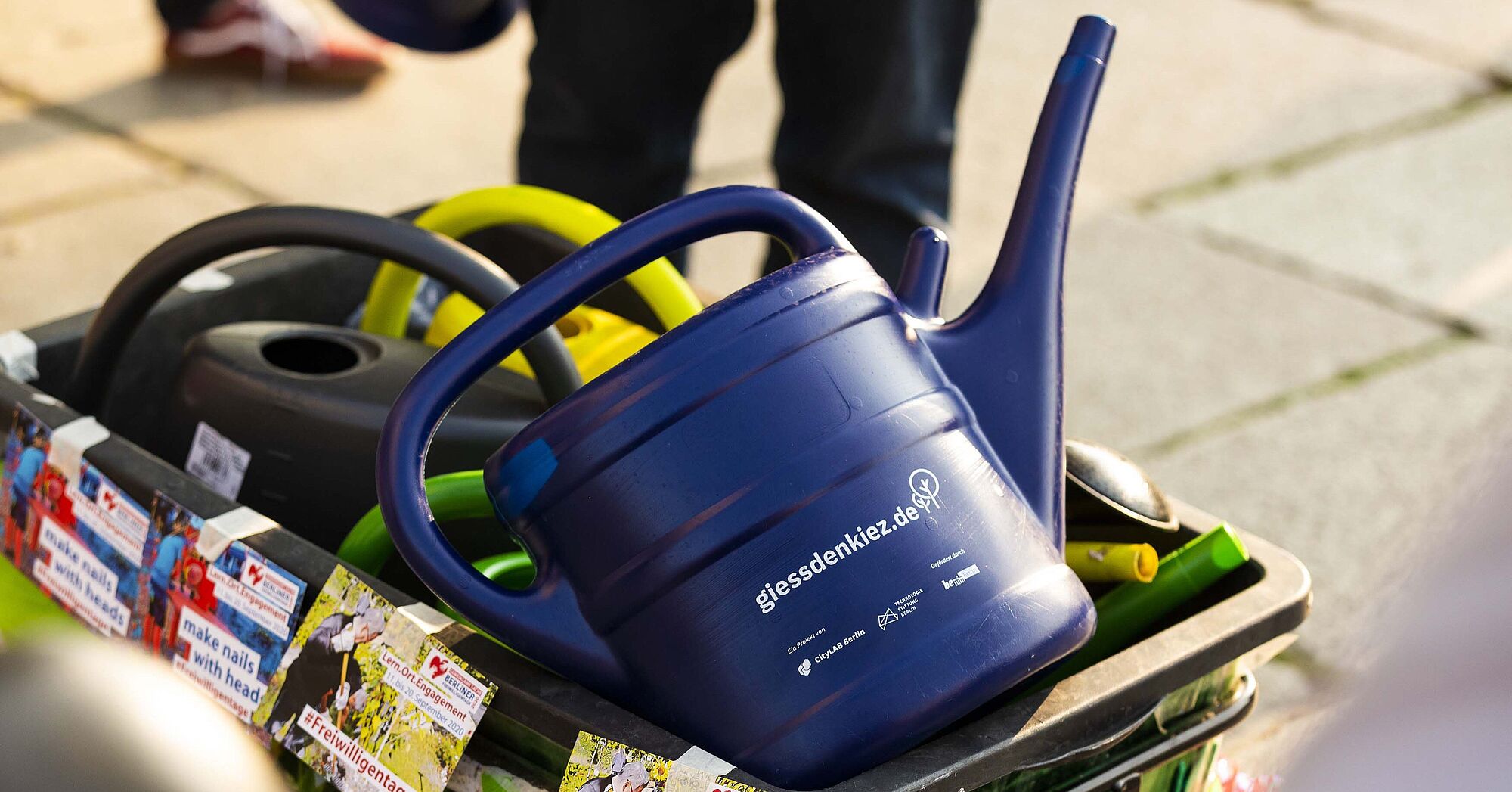
But perhaps the most quintessentially Berlin project is Gieß den Kiez — "Water Your Neighbourhood" — a civic tech tool built by Technologiestiftung Berlin that maps roughly 800,000 street trees by species, age, and water needs. Residents adopt trees, log watering, and track rainfall, turning drought response into a shared civic activity. Built entirely on open-source technology, it has been replicated in other German cities and inspired similar initiatives across Europe. Its sibling, QTrees — AI-Driven Urban Tree Care, uses machine learning to predict drought stress across the urban canopy, giving city arborists a head start on where to intervene. Meanwhile, BSR Smart Waste — Intelligent Waste Management uses IoT sensors and AI to optimise collection routes, cutting truck journeys by 30 per cent.
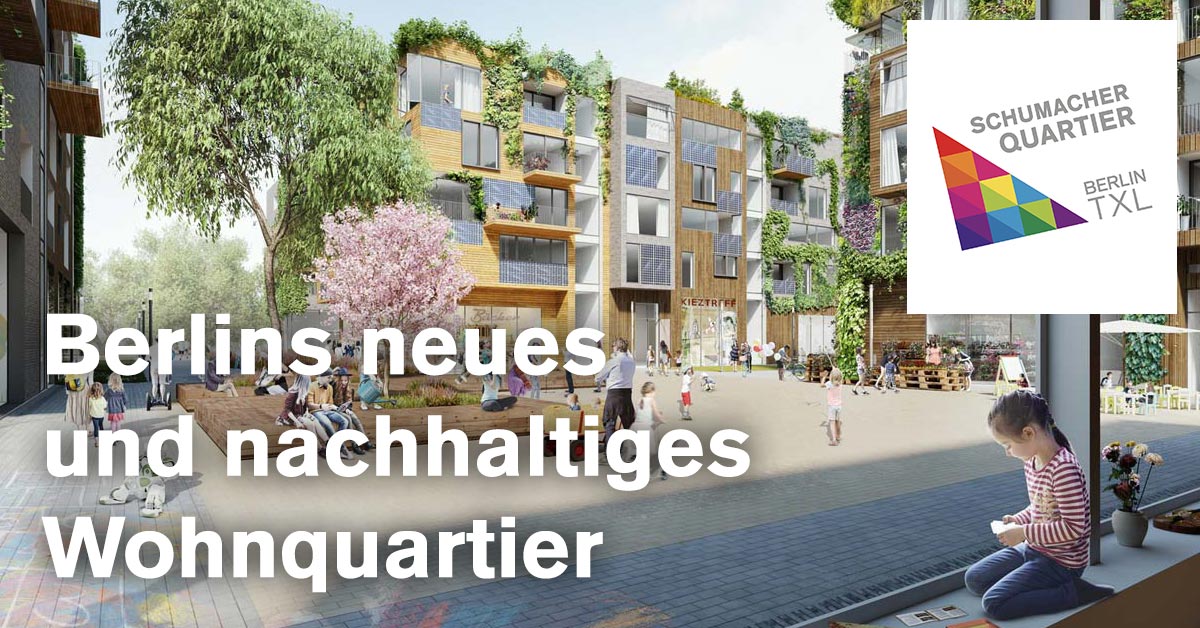
On the urban development scale, the former Tegel airport site is becoming the Urban Tech Republic — a 500-hectare campus for urban technology research and industry — alongside the Schumacher Quartier — Sustainable Timber City District, a 10,000-resident neighbourhood built primarily from timber, designed as a model for climate-neutral urban living.
Kiez by Kiez: Where You Can Touch the Smart City
The simplest way to experience Berlin's smart city ambitions is to do what Berliners do best: wander a Kiez — one of the city's fiercely individual neighbourhood communities, each with its own cafés, character, and local politics.
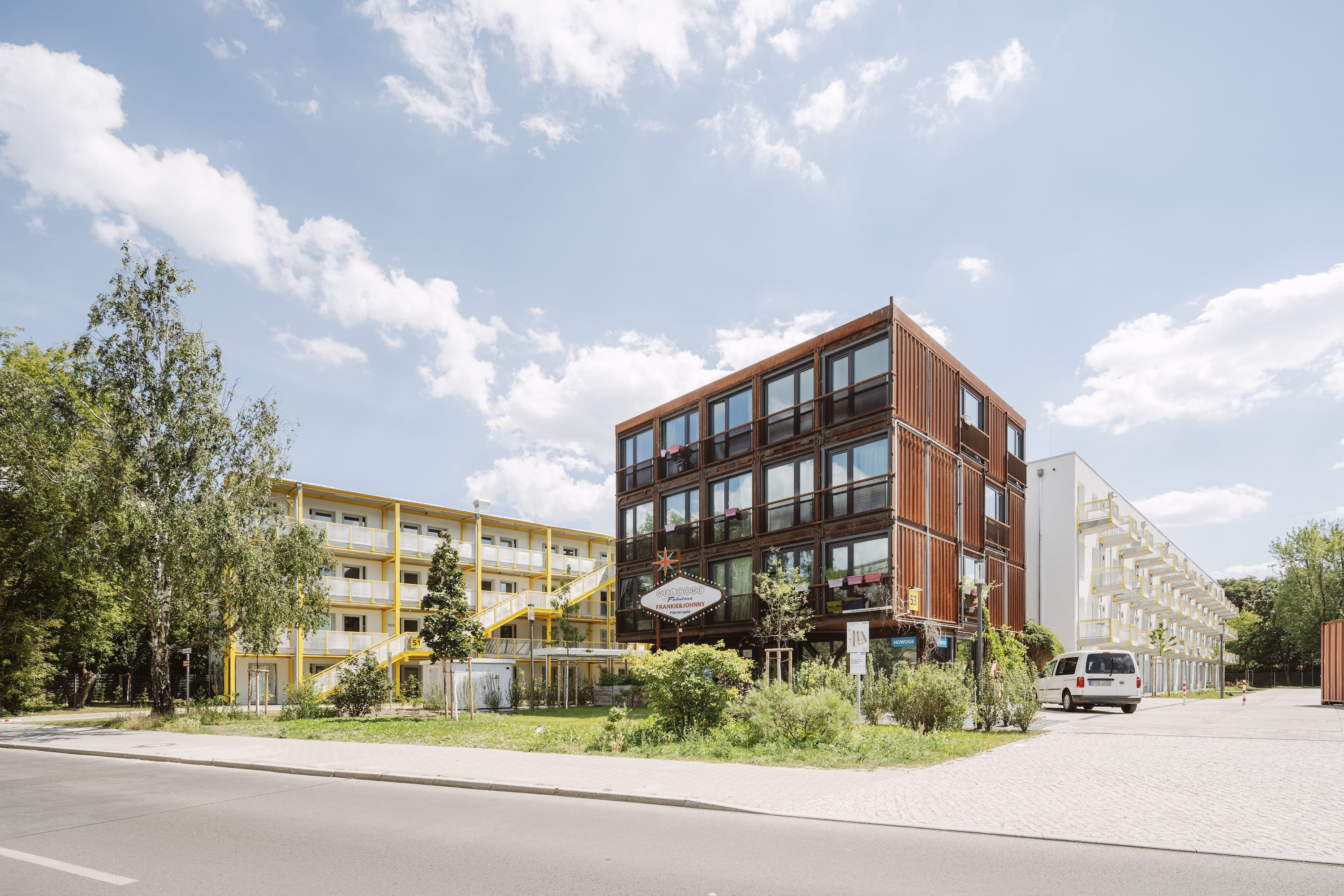
Start at CityLAB's public exhibition space in Tempelhof, where interactive installations let visitors explore urban data and prototype city services. Download Jelbi and cross the city on an e-scooter, a shared car, and the U-Bahn without switching apps. In Adlershof, smart infrastructure hums beneath the surface. At HOWOGE, one of Berlin's largest municipal housing companies with over 75,000 apartments, digital tools and smart building technologies are being woven into the everyday tenant experience. And in dozens of neighbourhoods, residents are keeping their street trees alive through Gieß den Kiez — one watering can at a time.
This connects to something deeper in Berlin's DNA. Berliners are famous for their Mitmachkultur — a culture of joining in, of making things together. The same instinct that fills community gardens, open-air flea markets, and Sunday Flohmärkte every weekend also fuels the civic tech scene. When Technologiestiftung asks residents to water street trees through an app, thousands show up. When CityLAB runs a participatory budgeting pilot, neighbourhoods engage. As Benjamin Seibel, Director of CityLAB Berlin, has argued, "public sector innovation needs more than just experiments" — it needs structures that let innovation become routine.
Berlin is building exactly that. Not through a single grand gesture, but Kiez by Kiez — in the same stubborn, participatory, slightly chaotic way the city has always reinvented itself.
References45 resources11 external