
Built Environment & Liveability
Urban Planning & Proximity Models
15-minute cities, regeneration, placemaking, and adaptive reuse.
The 15-minute city has become the de-facto vocabulary for proximity planning in Europe, popularised by Paris under Anne Hidalgo and Carlos Moreno's framework, and adopted in different forms by Milan, Madrid, Utrecht and dozens of others. The idea: most daily needs — shopping, schooling, healthcare, sport — within a short walk or cycle of home.
Delivering proximity requires zoning reform (mixed-use, smaller blocks, ground-floor activation), adaptive reuse of existing buildings, and the regeneration of brownfield and post-industrial areas. The New European Bauhaus, URBACT, the European Urban Initiative and EU Cohesion Policy all fund this work; Barcelona's Superilles, Vienna's Aspern Seestadt and Hamburg's HafenCity show what scaled delivery looks like.
This leaf gathers research, projects and organisations on proximity planning, urban regeneration and adaptive reuse, mixed-use development, placemaking, and the regulatory tools that translate spatial vision into outcomes — useful for planners, urban designers, regeneration agencies and city development teams.
Delivering proximity requires zoning reform (mixed-use, smaller blocks, ground-floor activation), adaptive reuse of existing buildings, and the regeneration of brownfield and post-industrial areas. The New European Bauhaus, URBACT, the European Urban Initiative and EU Cohesion Policy all fund this work; Barcelona's Superilles, Vienna's Aspern Seestadt and Hamburg's HafenCity show what scaled delivery looks like.
This leaf gathers research, projects and organisations on proximity planning, urban regeneration and adaptive reuse, mixed-use development, placemaking, and the regulatory tools that translate spatial vision into outcomes — useful for planners, urban designers, regeneration agencies and city development teams.
Key Aspects
15-minute city
Daily needs within a short walk or cycle — the spatial organising principle behind Paris, Milan and many others.
Urban regeneration
Brownfield redevelopment, neighbourhood renewal and the renewal of post-industrial districts at city scale.
Mixed-use & adaptive reuse
Converting offices to housing, industrial to cultural, and stitching uses back into single-use districts.
Placemaking
Public-space design, ground-floor activation and the tactical interventions that animate streets.
Knowledge Resources
Smart city startups reshape construction, mobility, energy, and governance—driving EU funding, equity, and regulatory challenges.
Urban Tech Revolution
Smart city report reveals 68% urban future, 75% energy use, focuses on inclusivity, resilience worldwide.
Urbanisation and Smart Cities

PropTech 3.0 maps three transformative waves, highlights AI‑driven analytics, blockchain land registries, and smart‑building energy savings.
PropTech and the Future of Cities
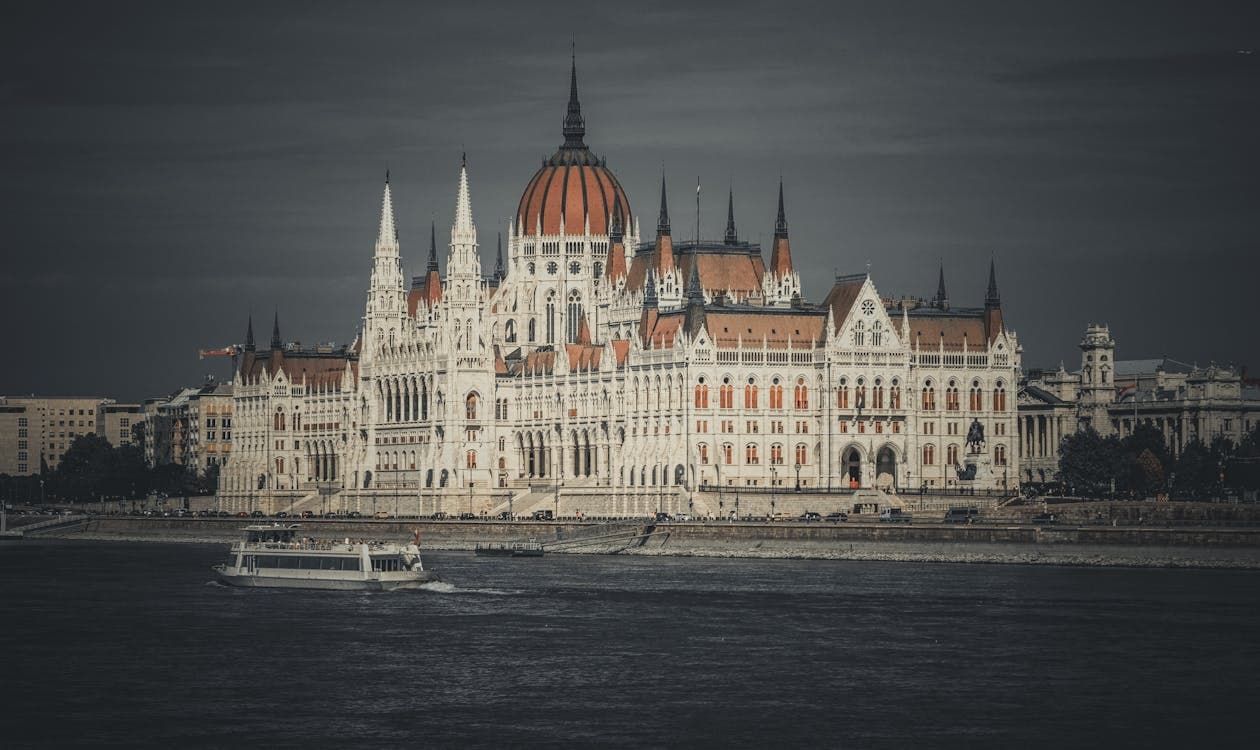
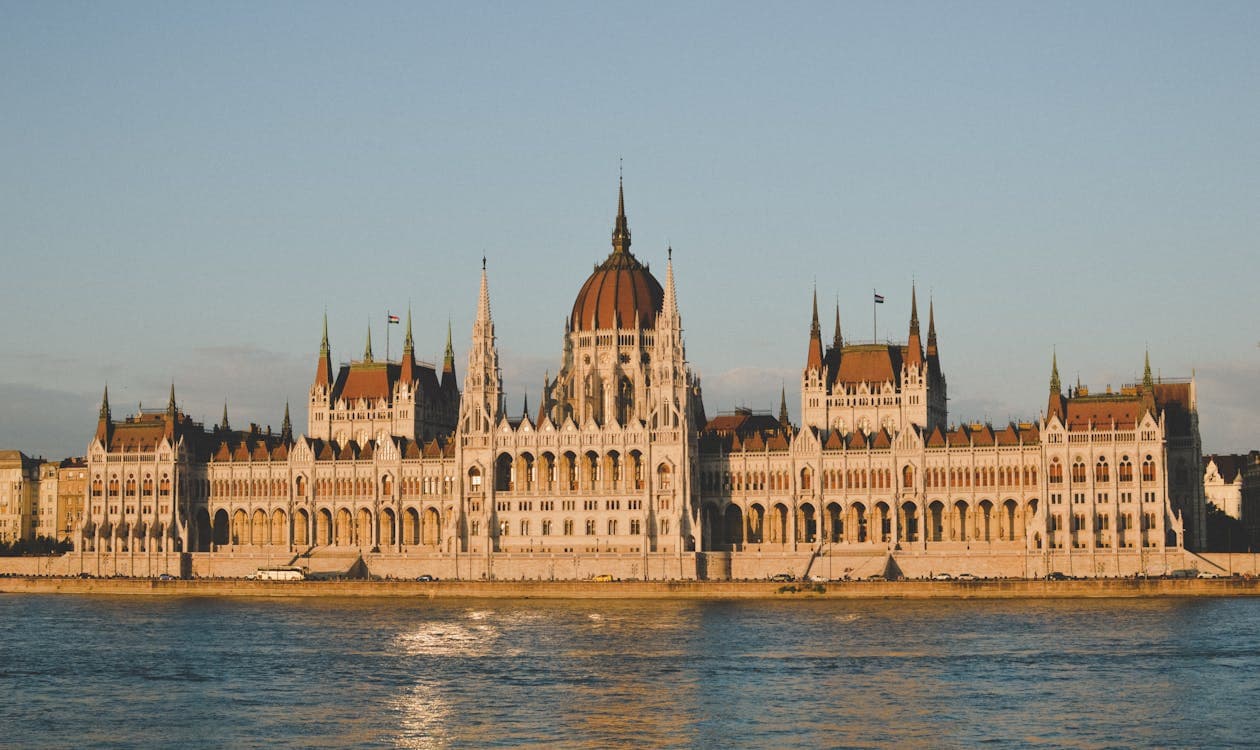
Budapest 2030 weaves post‑crisis resilience, Danube‑front revitalization, and smart‑city tech into a decade‑spanning urban vision.
Budapest 2030 Long-Term Urban Development Concept
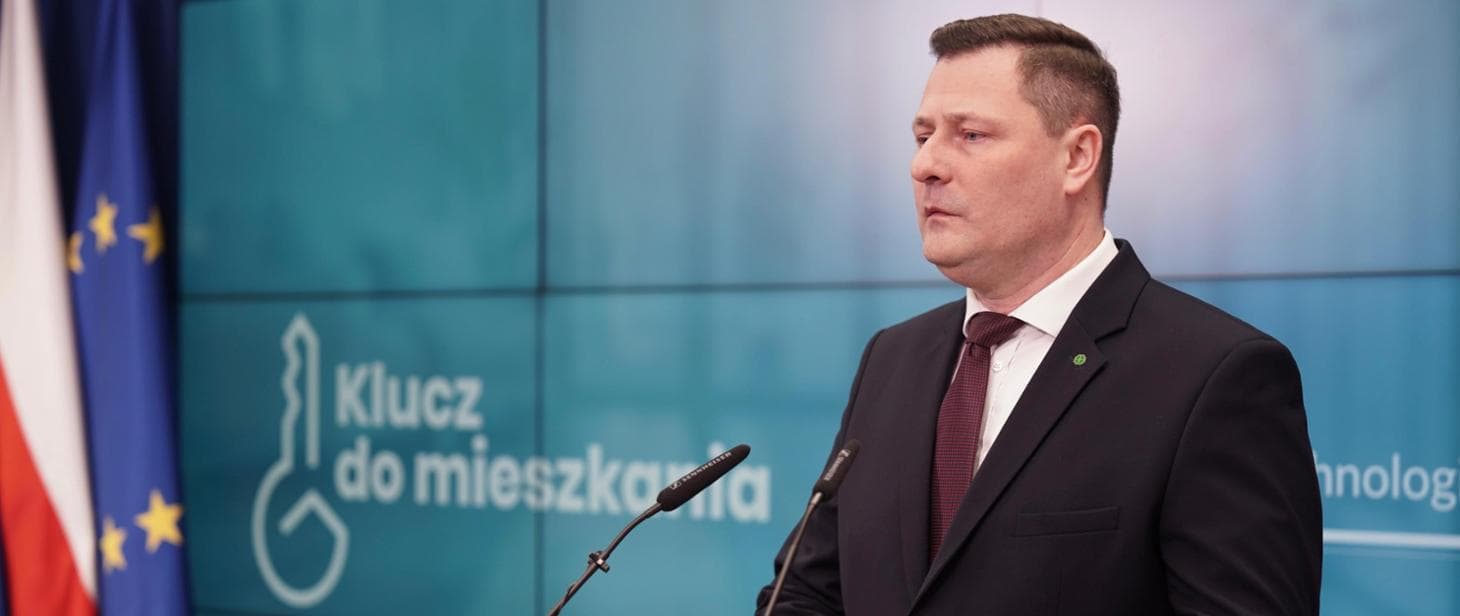
Polish housing strategy funds 15,000 new municipal units, caps prices, and prioritizes seniors, students, and first‑time buyers.
Key to Housing Programme (Klucz do Mieszkania)
Explore MIND district's innovative green tech, data-driven governance, community impact metrics, and unexpected policy lessons.
Smart Cities and Sustainable Development: The MIND District Case
Related Organisations
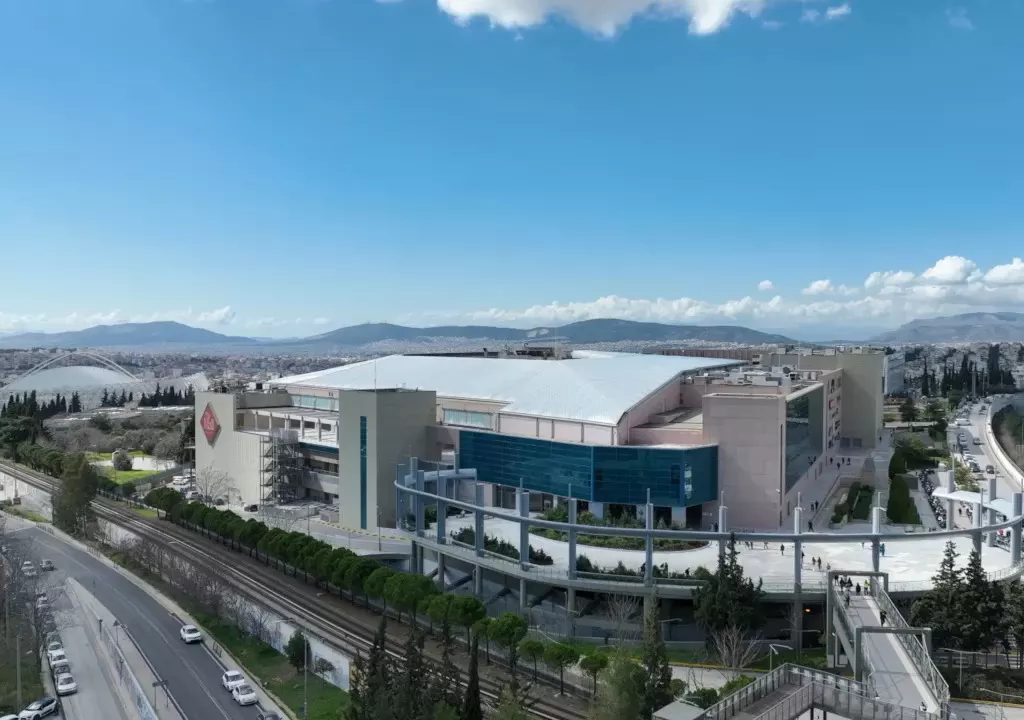
Lamda Development
Athens, Greece

Wiener Wohnen
Vienna, Austria
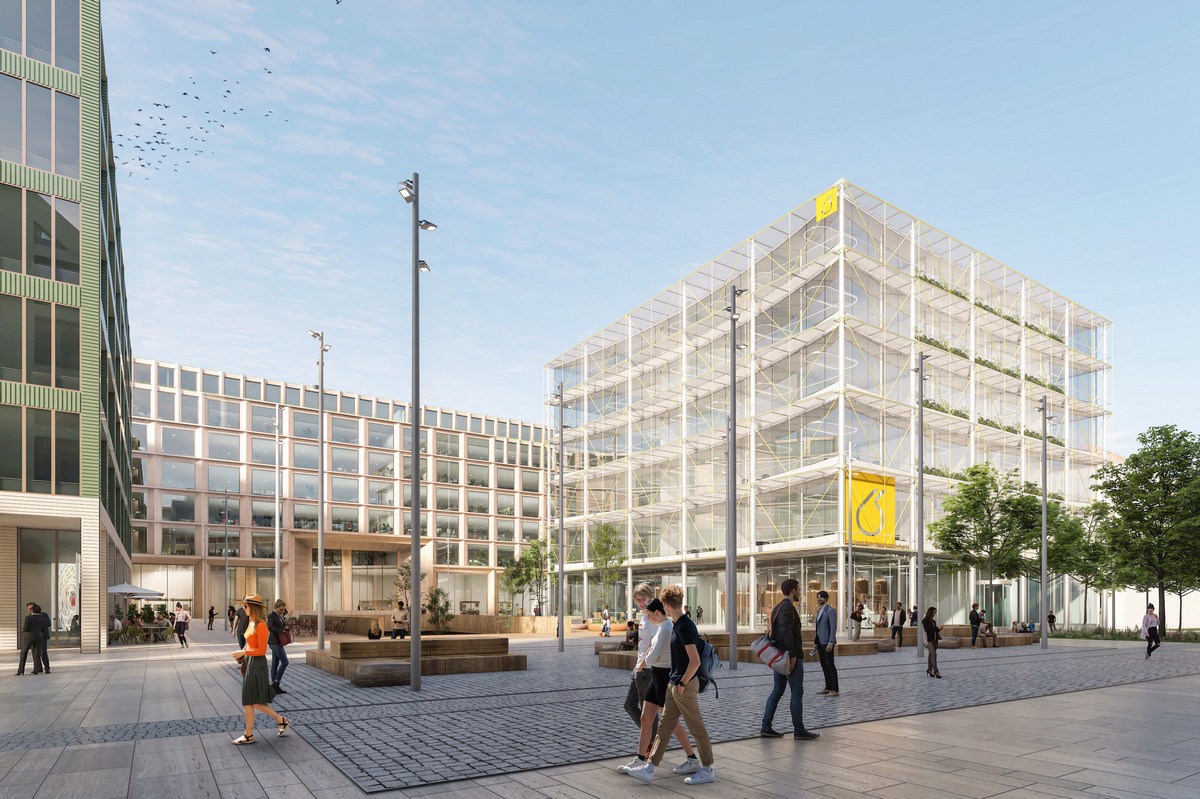
CAMP Prague — Centre for Architecture and Metropolitan Planning
Prague, Czechia
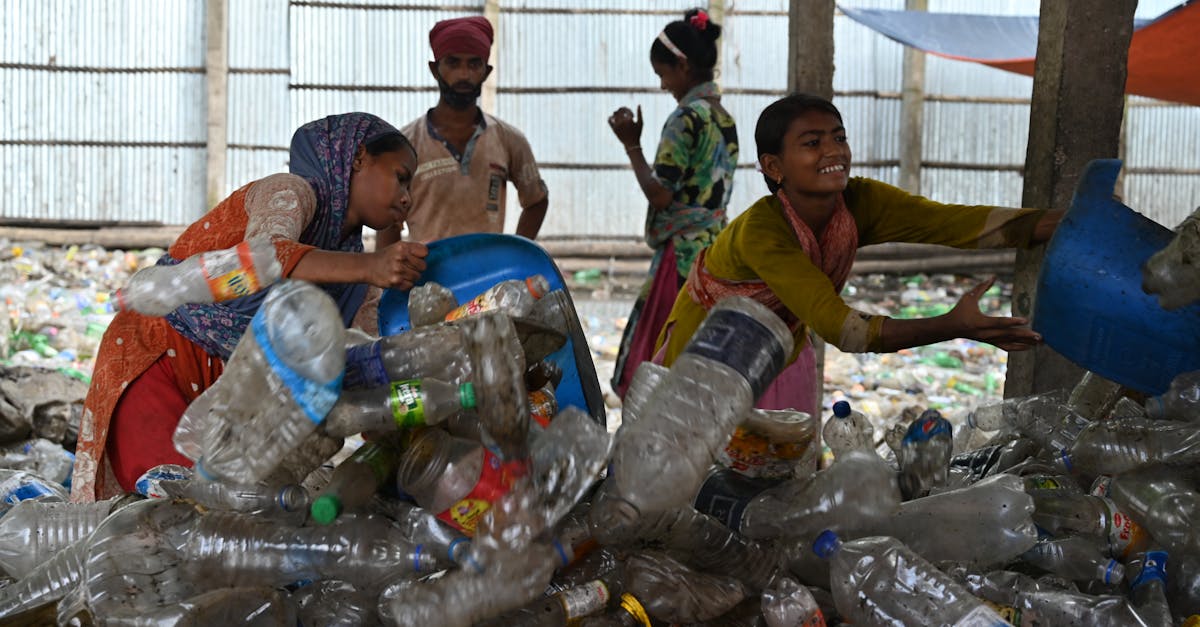
Circular Economy House (CRCLR)
Berlin, Germany
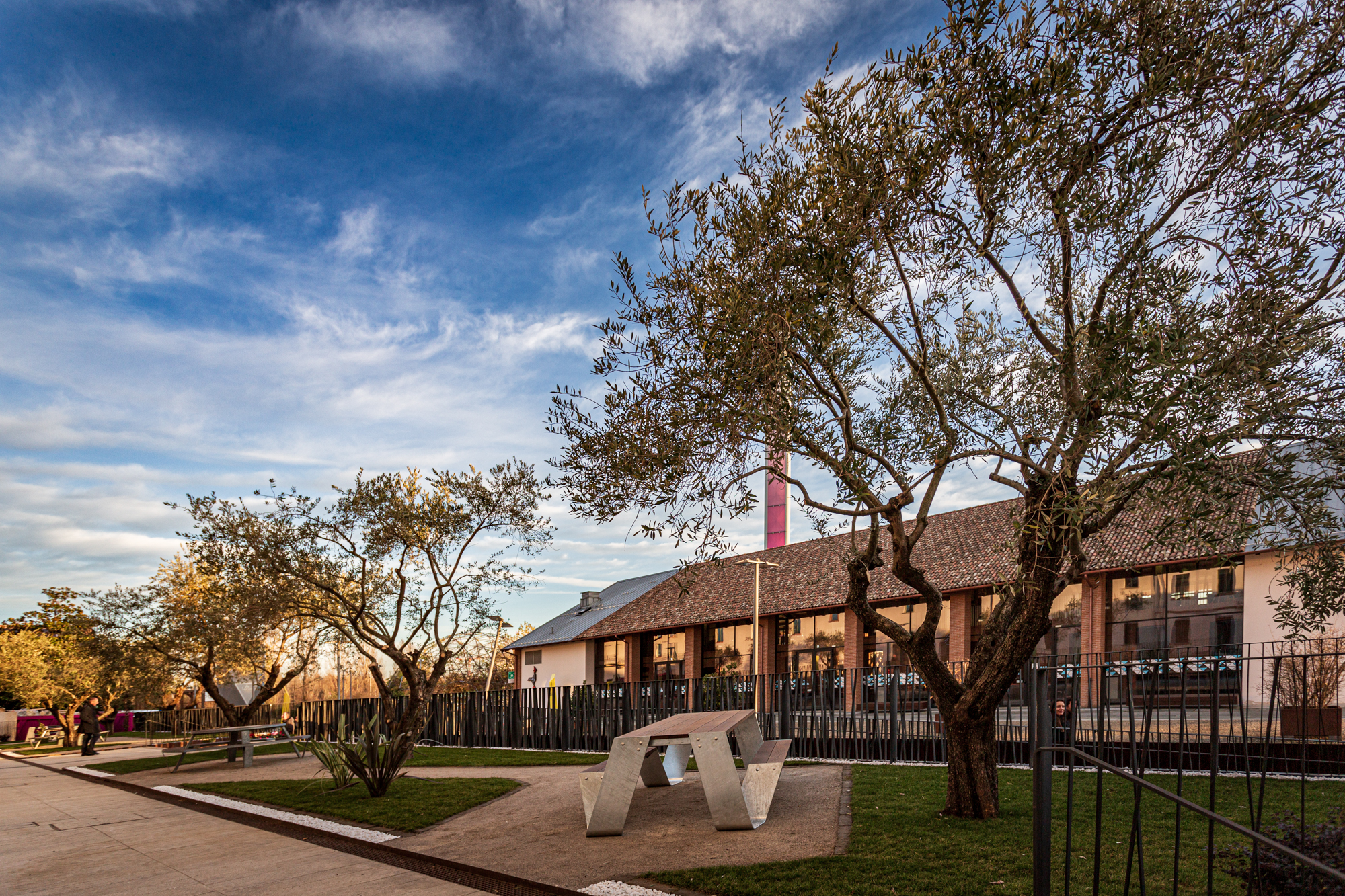
Fondazione Triulza
Milan, Italy
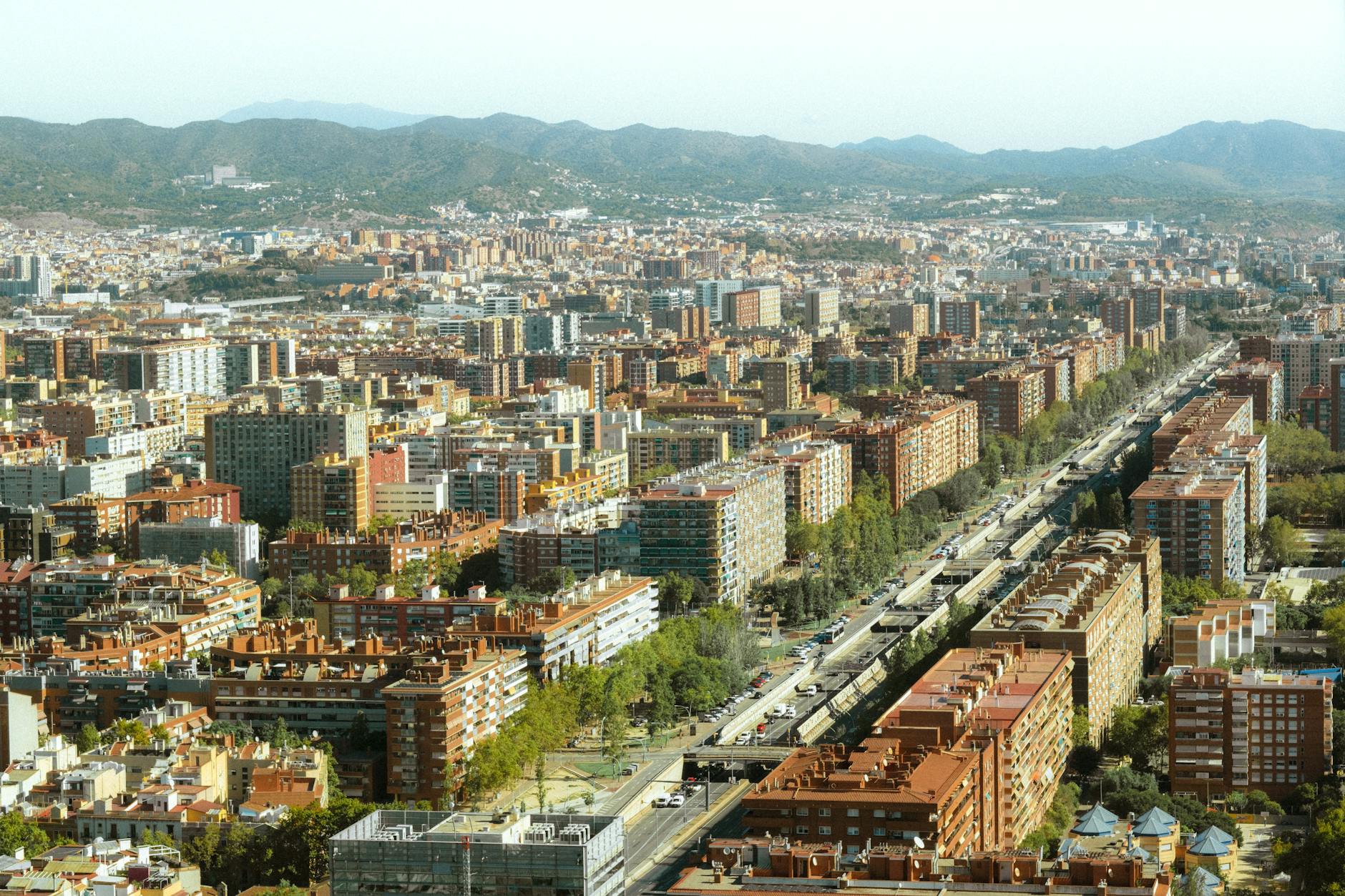
22@ Barcelona Innovation District
Barcelona, Spain
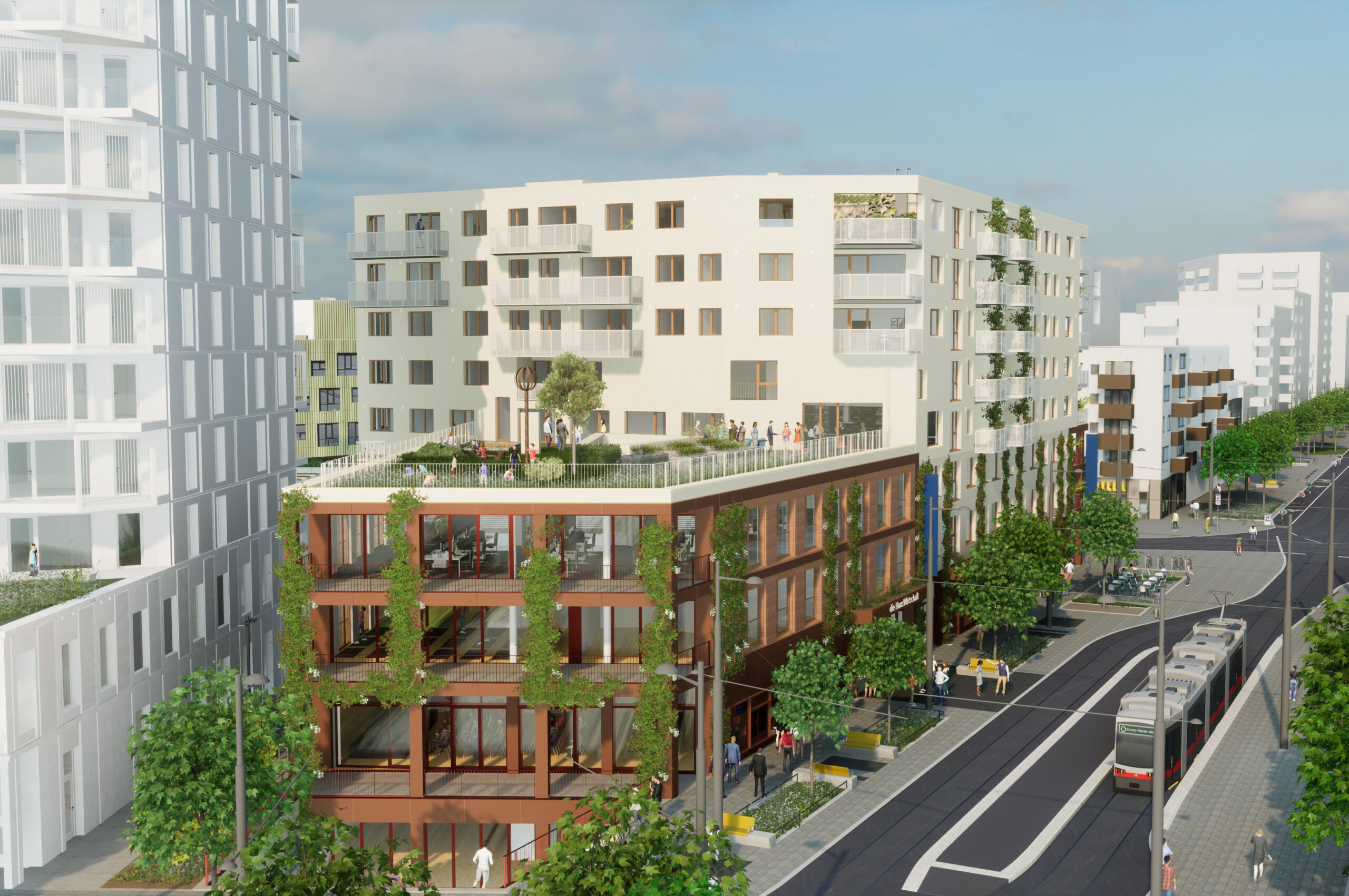
HausWirtschaft Vienna
Vienna, Austria

Barcelona Regional
Barcelona, Spain
Beato Creative Hub
Lisbon, Portugal
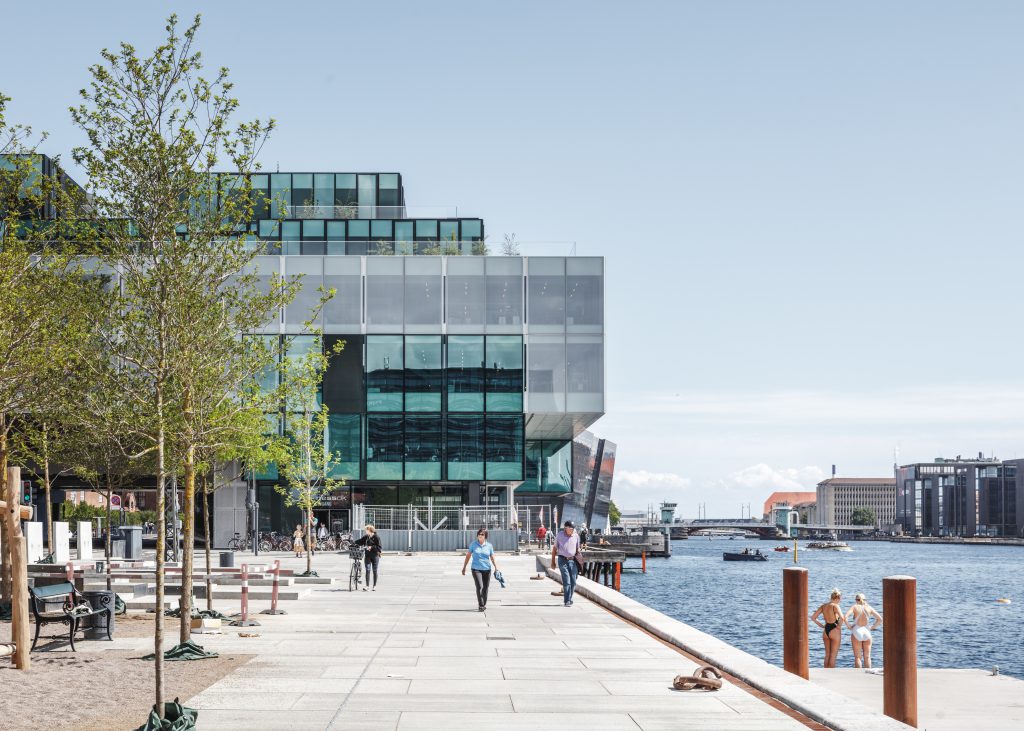
BLOXHUB
Copenhagen, Denmark
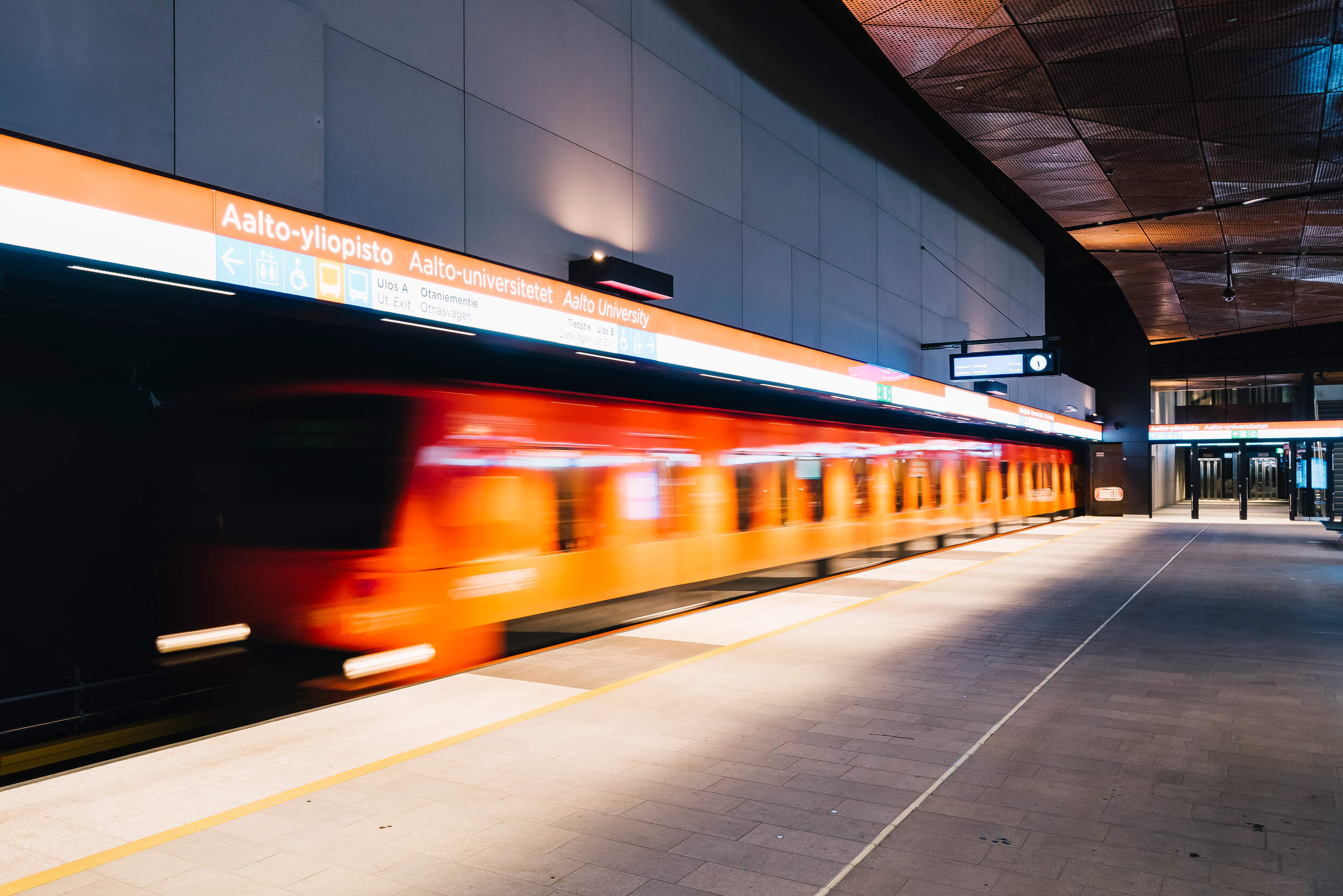
Aalto University — Urban Systems Research
Helsinki, Finland
AMS Institute
Amsterdam, Netherlands
Related Projects
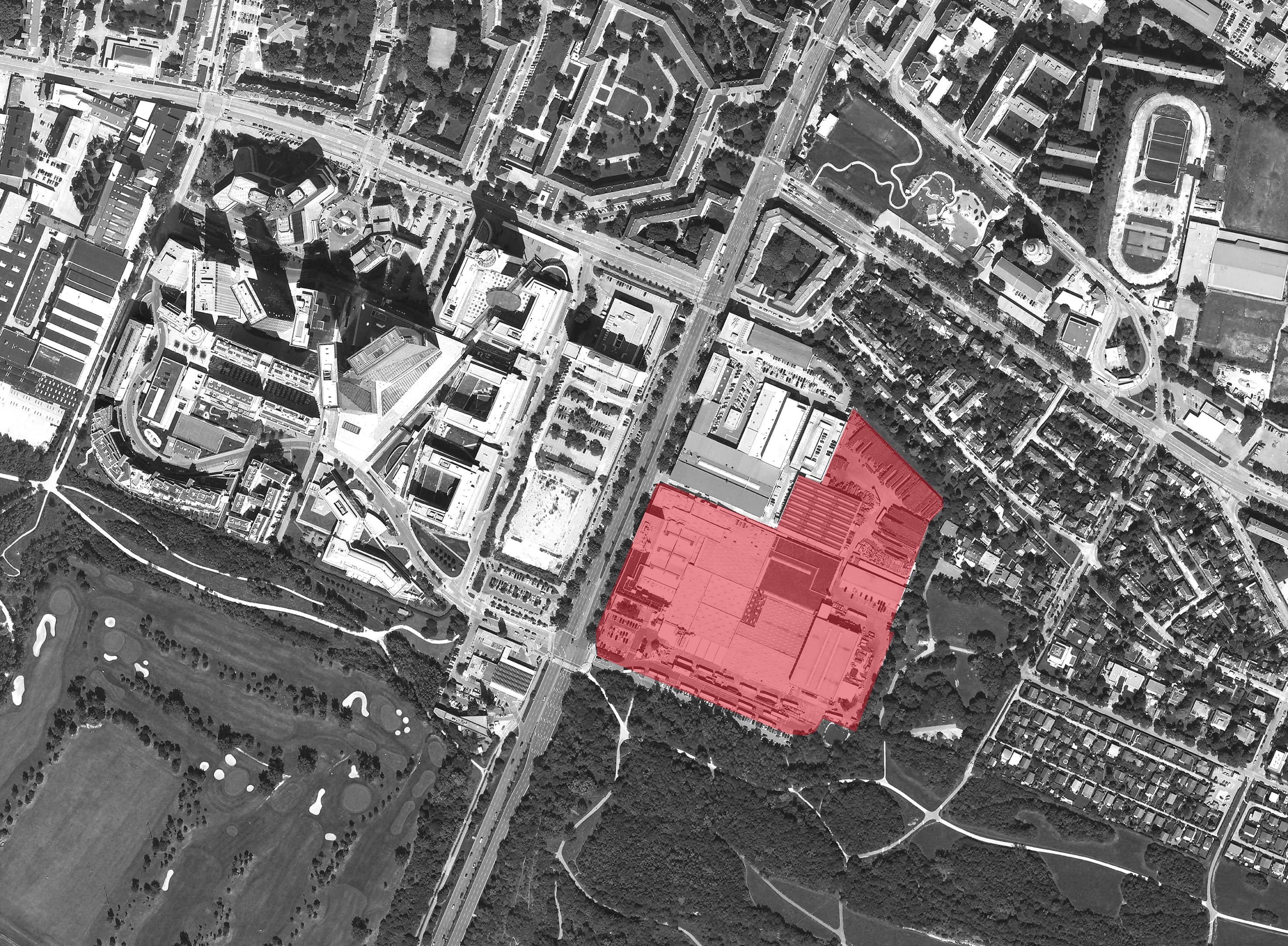
Former Coke factory turned 950‑unit district with two‑thirds affordable homes, green roofs, Platinum climate award.
Biotope City Wienerberg
Vienna, Austria
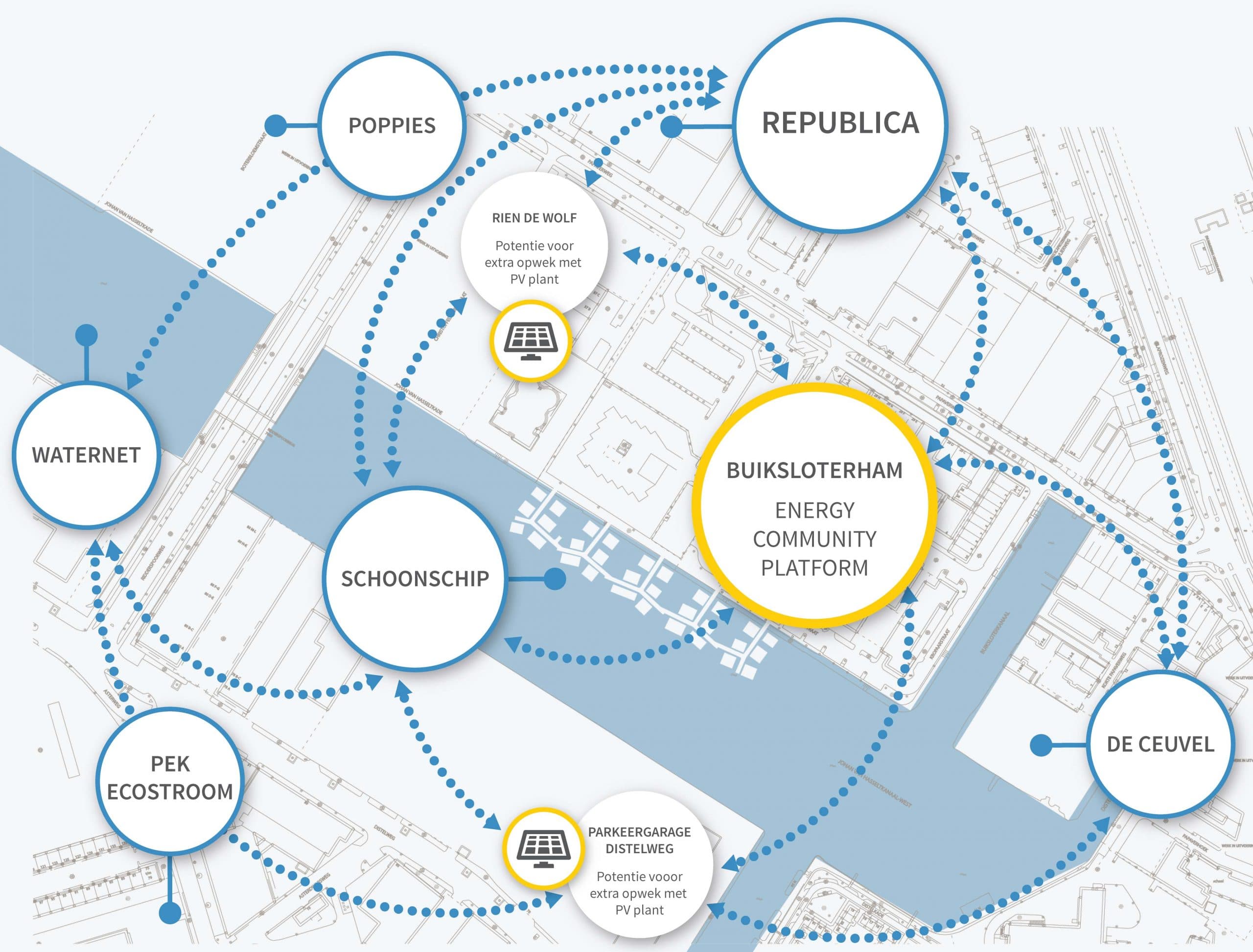
Circular Buiksloterham turns industrial ruins into a self‑sustaining neighborhood with on‑site water recycling and modular buildings.
Circular Buiksloterham
Amsterdam, Netherlands
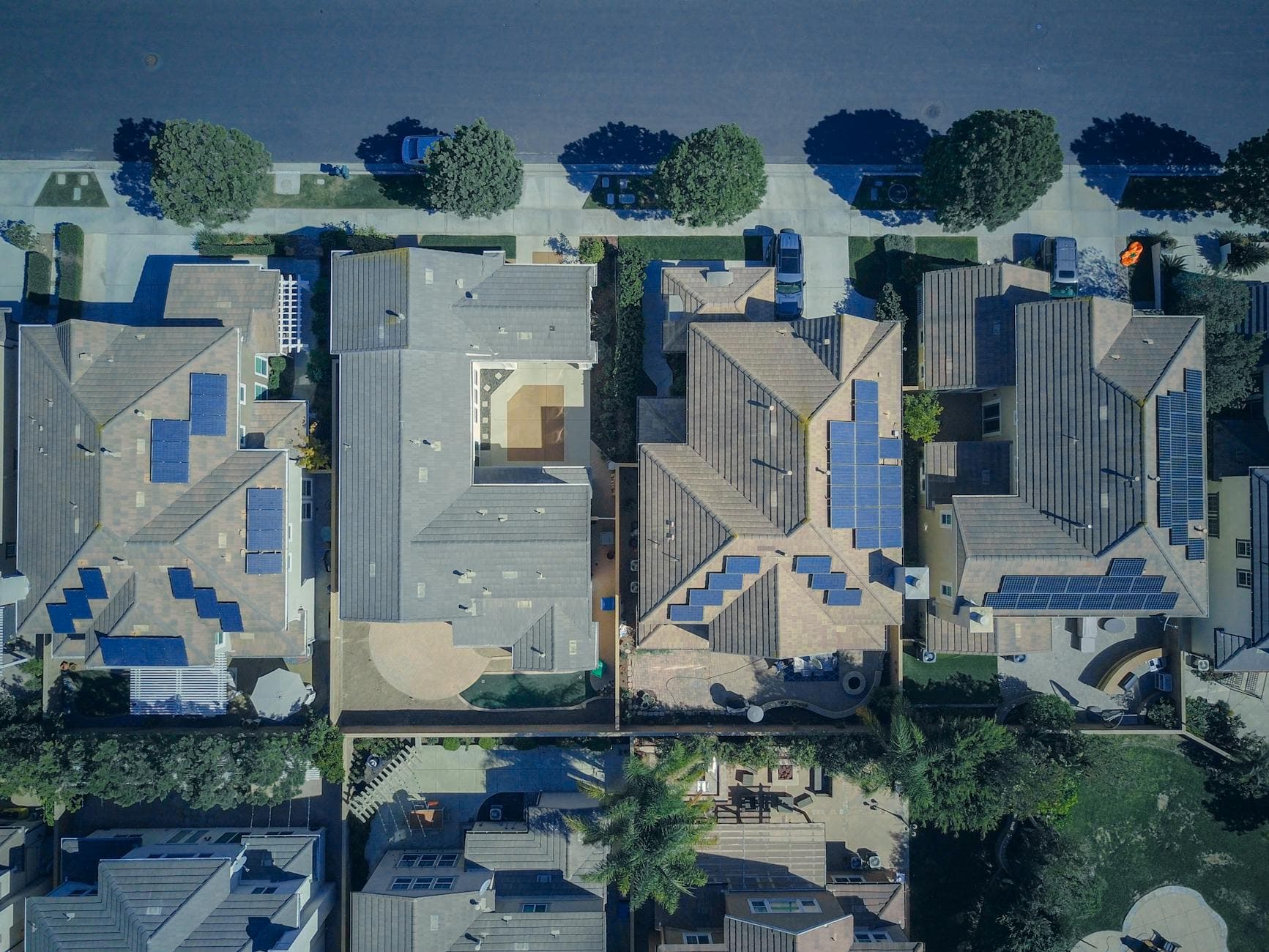
530 units rent €600, 32% built, €90M public‑private funding, EU NextGenerationEU support.
Distrito Universidad – Affordable Smart City
Madrid, Spain
AI predicts crowd flows, 5G expands, smart waste sensors keep Rome spotless during Jubilee.
Jubilee 2025 Smart Infrastructure
Rome, Italy
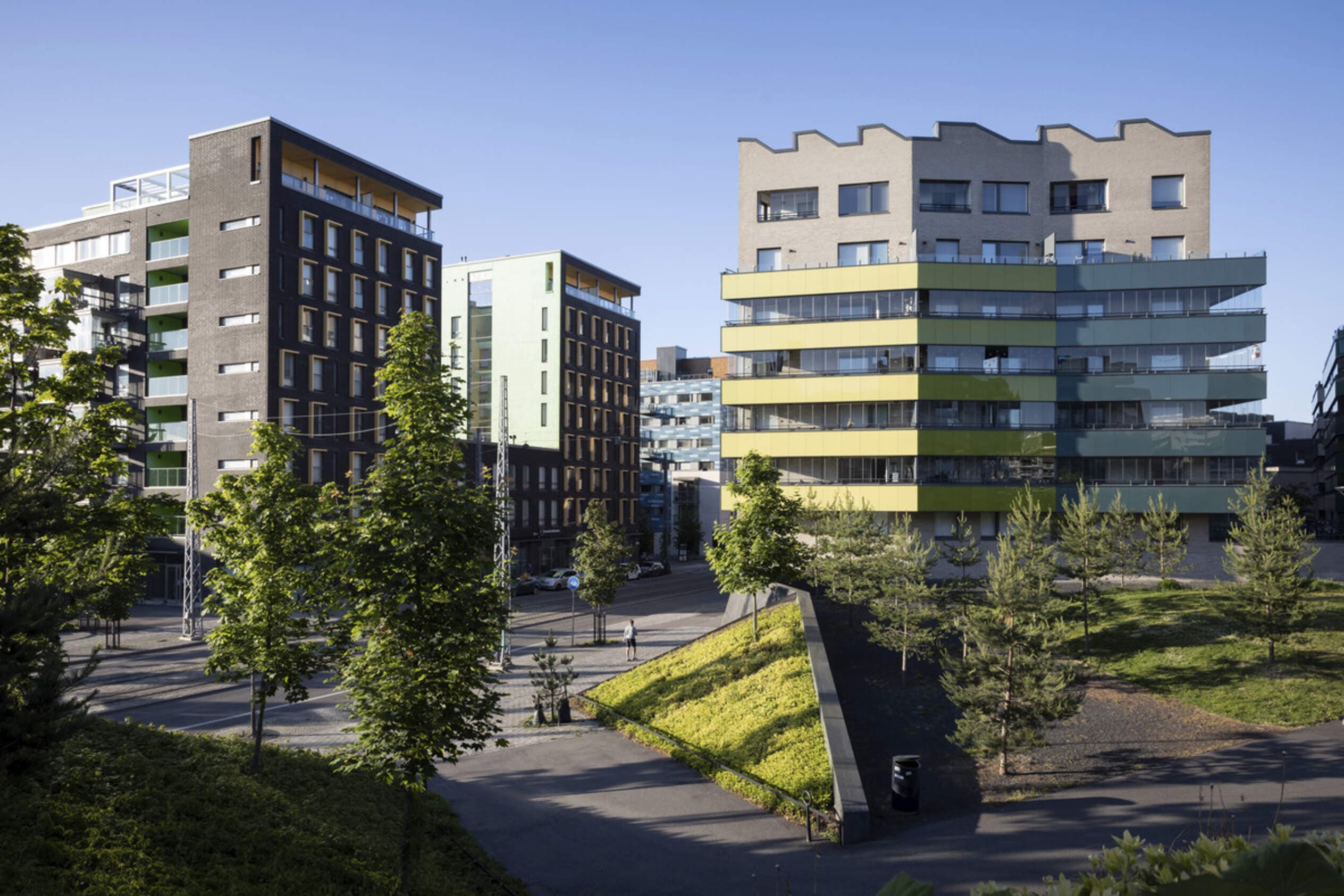
A former industrial harbour now hosts 17‑18 k residents, timber‑built offices, and a ferry to Tallinn.
Jätkäsaari Residential District
Helsinki, Finland
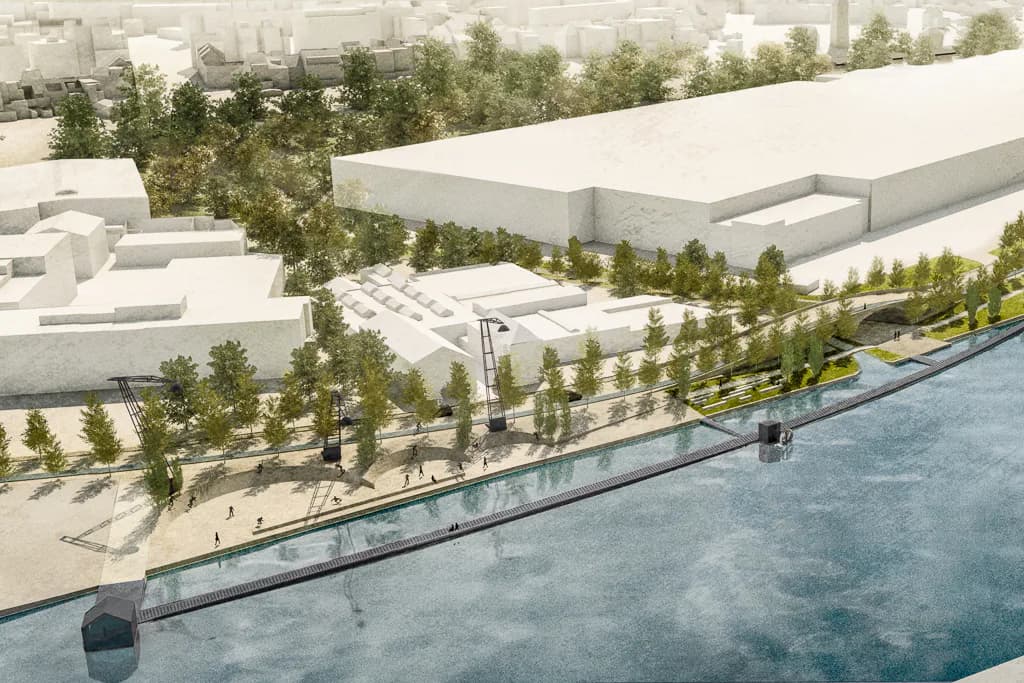
Former Citroën factory becomes a Pompidou museum, featuring smart energy, flood sensors, IoT homes.
Kanal - Brussels Canal Zone Regeneration
Brussels, Belgium
Related Events
Other topics in Built Environment & Liveability


Have resources to share?
Help grow our knowledge base by submitting research, case studies, or other resources related to urban planning & proximity models.
Submit a Resource