
Built Environment & Liveability
Smart Buildings & Retrofitting
Building-scale efficiency: BMS, heat pumps, deep renovation.
Buildings consume around 40% of EU energy and emit a third of greenhouse gases; the Renovation Wave aims to double annual renovation rates by 2030. The Energy Performance of Buildings Directive (EPBD, recast 2024) introduces minimum energy-performance standards and a zero-emission buildings trajectory; cities own delivery on social housing, schools, hospitals and municipal stock.
Deep retrofit combines fabric improvements (insulation, glazing, airtightness) with electrification (heat pumps, ventilation with heat recovery), digital controls (BMS, smart meters) and increasingly embodied-carbon accounting. Programmes like Horizon's Built4People, the Build Up portal, the Renovate Europe campaign and BPIE evidence work coordinate delivery; cities like Vienna, Copenhagen and Brussels run mature retrofit programmes at scale.
This leaf collects resources on building retrofit and renovation, heat pumps and electrification, smart-building tech and proptech, EPCs and energy performance, and embodied carbon — for energy planners, building managers, retrofit programmes and proptech operators.
Deep retrofit combines fabric improvements (insulation, glazing, airtightness) with electrification (heat pumps, ventilation with heat recovery), digital controls (BMS, smart meters) and increasingly embodied-carbon accounting. Programmes like Horizon's Built4People, the Build Up portal, the Renovate Europe campaign and BPIE evidence work coordinate delivery; cities like Vienna, Copenhagen and Brussels run mature retrofit programmes at scale.
This leaf collects resources on building retrofit and renovation, heat pumps and electrification, smart-building tech and proptech, EPCs and energy performance, and embodied carbon — for energy planners, building managers, retrofit programmes and proptech operators.
Key Aspects
Deep retrofit
Fabric upgrades, glazing, insulation and the systemic renovation that hits zero-emission standards.
Heat pumps & HVAC
Electrification of heating and cooling, heat recovery ventilation and the move off fossil-fuel boilers.
Smart-building tech
BMS, smart meters, sensor networks and the digital controls that make buildings observable and tunable.
Embodied carbon
Lifecycle assessment, low-carbon materials and the construction-phase emissions accounting now required.
Knowledge Resources
Smart city startups reshape construction, mobility, energy, and governance—driving EU funding, equity, and regulatory challenges.
Urban Tech Revolution
Public smart‑city hub launched 2026, showcasing Bavaria’s innovative citizen services, data platforms, and interactive urban solutions.
Smart Munich: A Beacon of Innovation in Bavaria

PropTech 3.0 maps three transformative waves, highlights AI‑driven analytics, blockchain land registries, and smart‑building energy savings.
PropTech and the Future of Cities
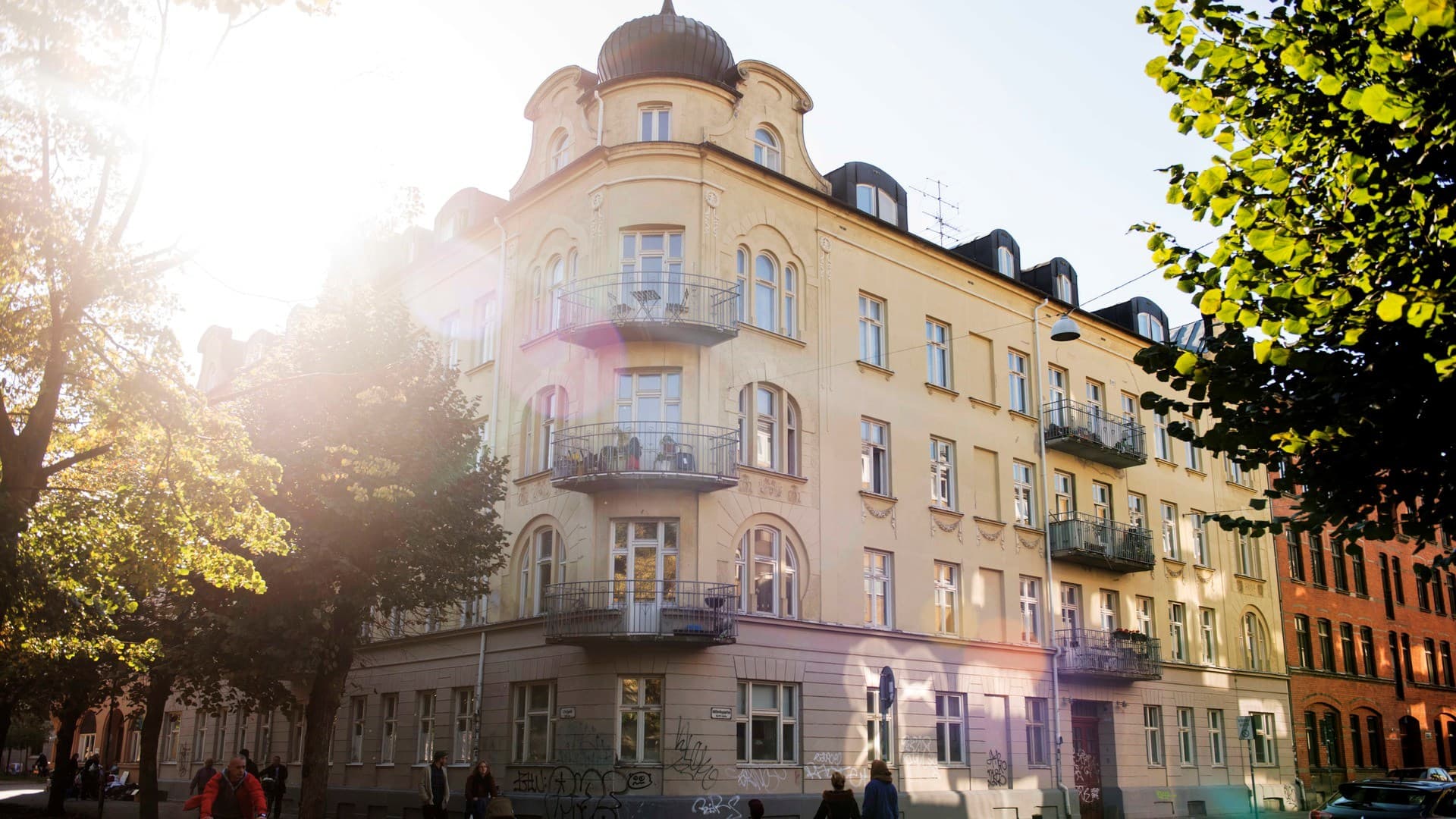
Swedish public housing adopts EU‑funded climate‑smart retrofits, revealing unexpected energy savings and resident benefits.
Between Smart Housing and Home: EU-Funded Climate Smart Interventions in Swedish Public Housing
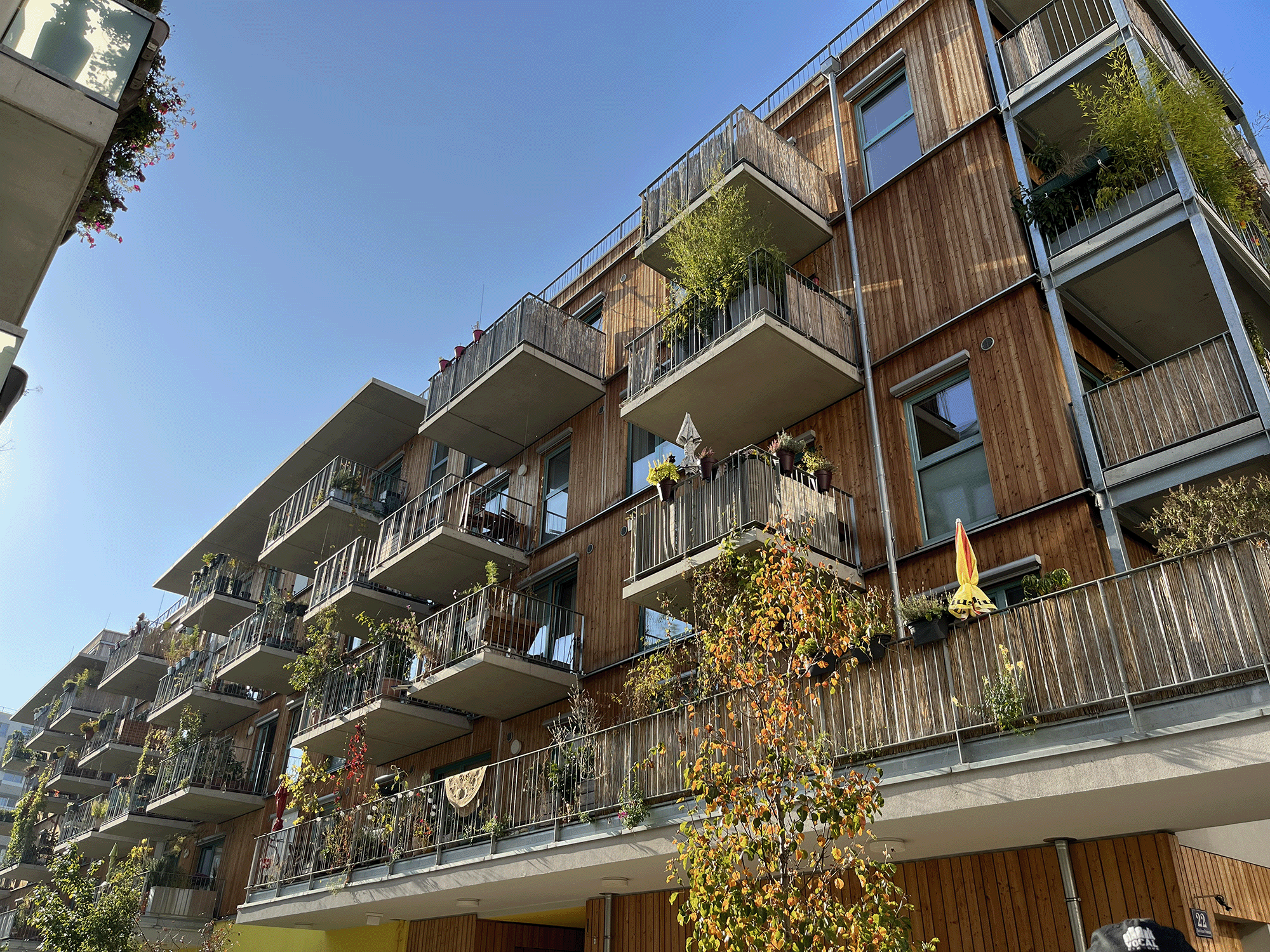
Vienna’s eco‑housing blends renewable energy, communal gardens, and affordable rents, reshaping urban sustainability.
Green Social Housing: Lessons from Vienna
Teaches Warsaw’s rigorous green‑building assessment, from blue‑green infrastructure indices to mandatory mechanical ventilation.
Warsaw Green Building Standard
Related Organisations

HUM-ID GmbH
Berlin, Germany
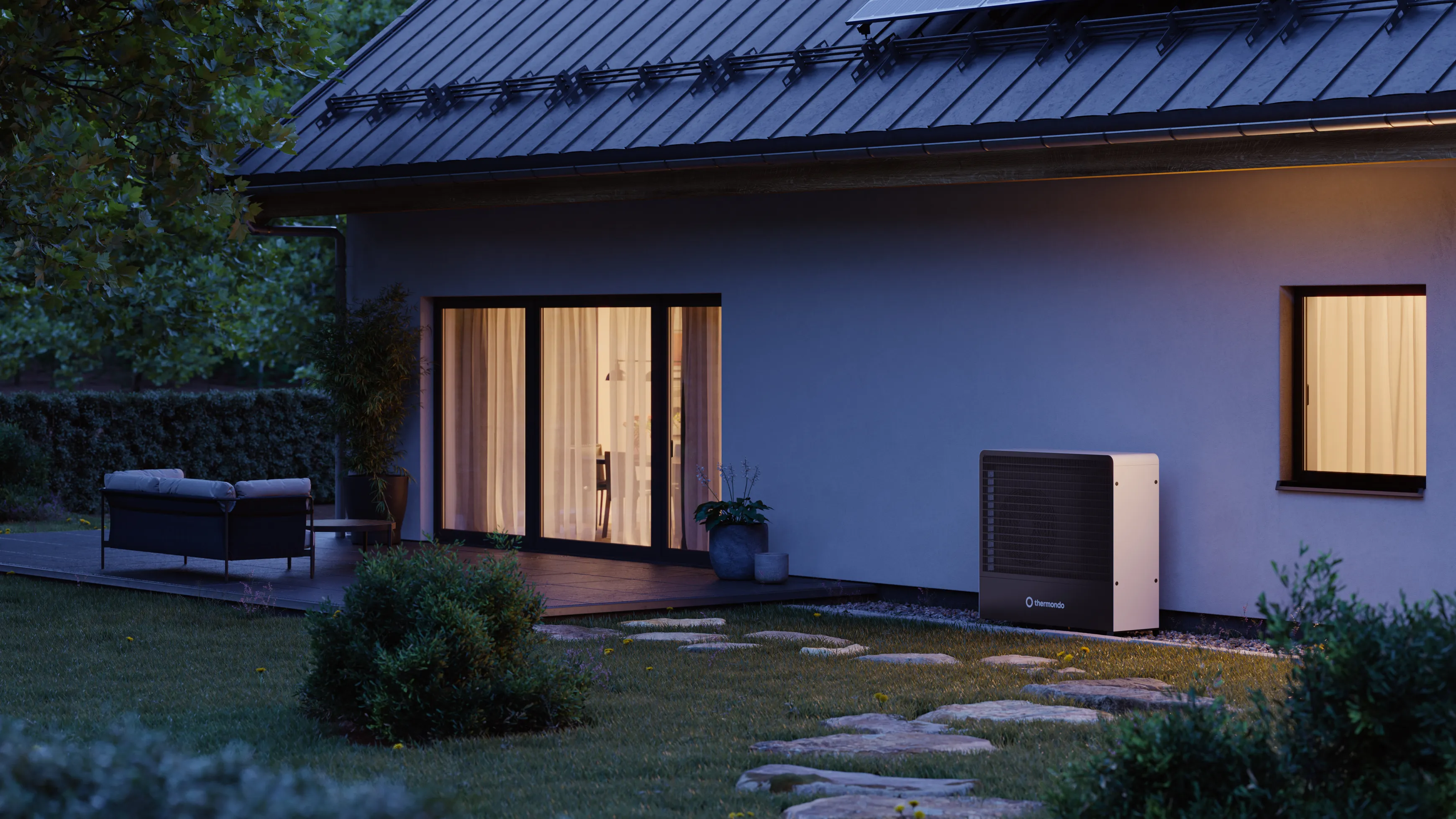
Thermondo
Berlin, Germany

BIM Berliner Immobilienmanagement
Berlin, Germany

ConcR GmbH
Berlin, Germany
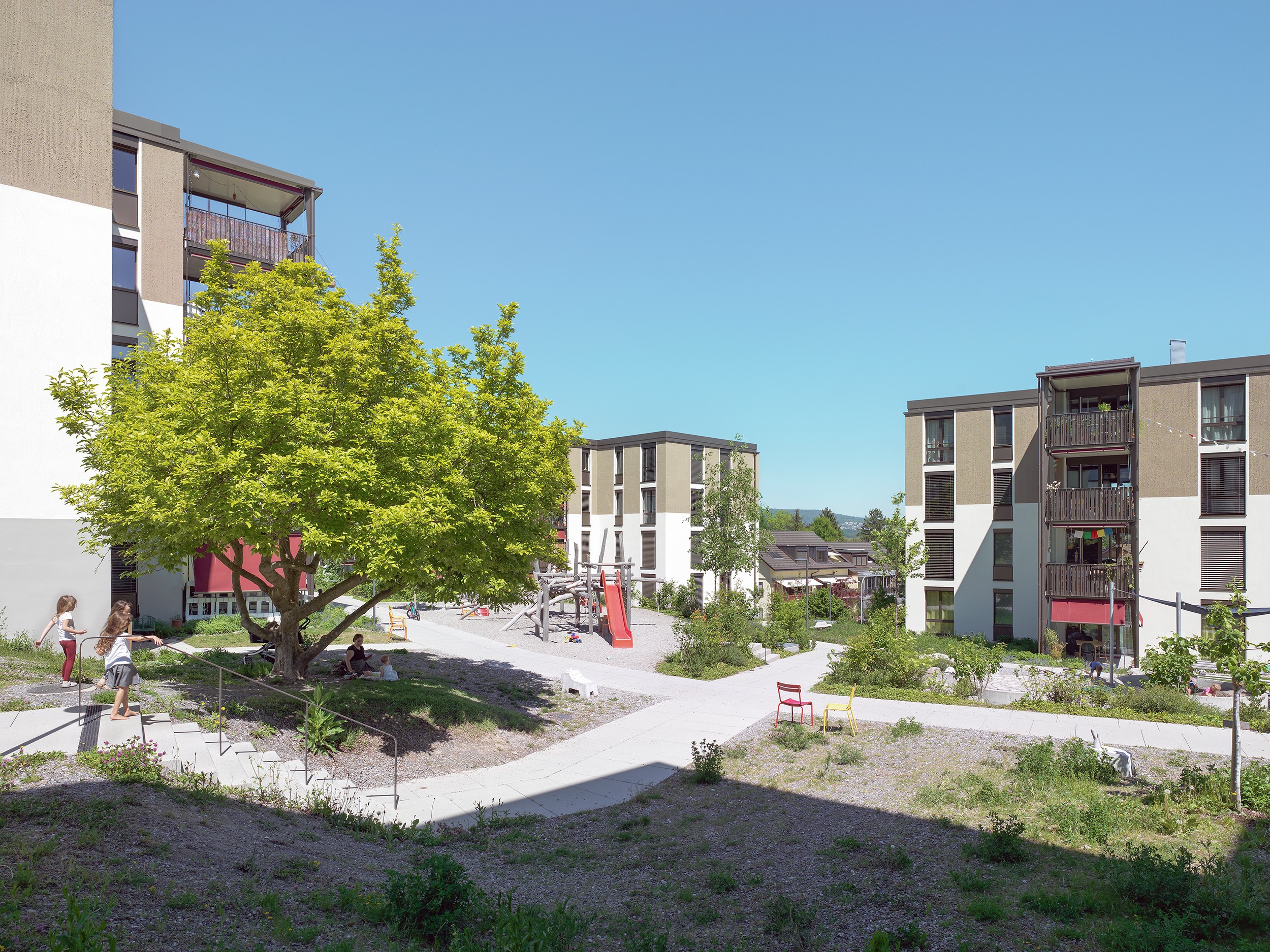
ABZ — Allgemeine Baugenossenschaft Zürich
Zurich, Switzerland

Qarnot Computing
Paris, France

Wiener Wohnen
Vienna, Austria
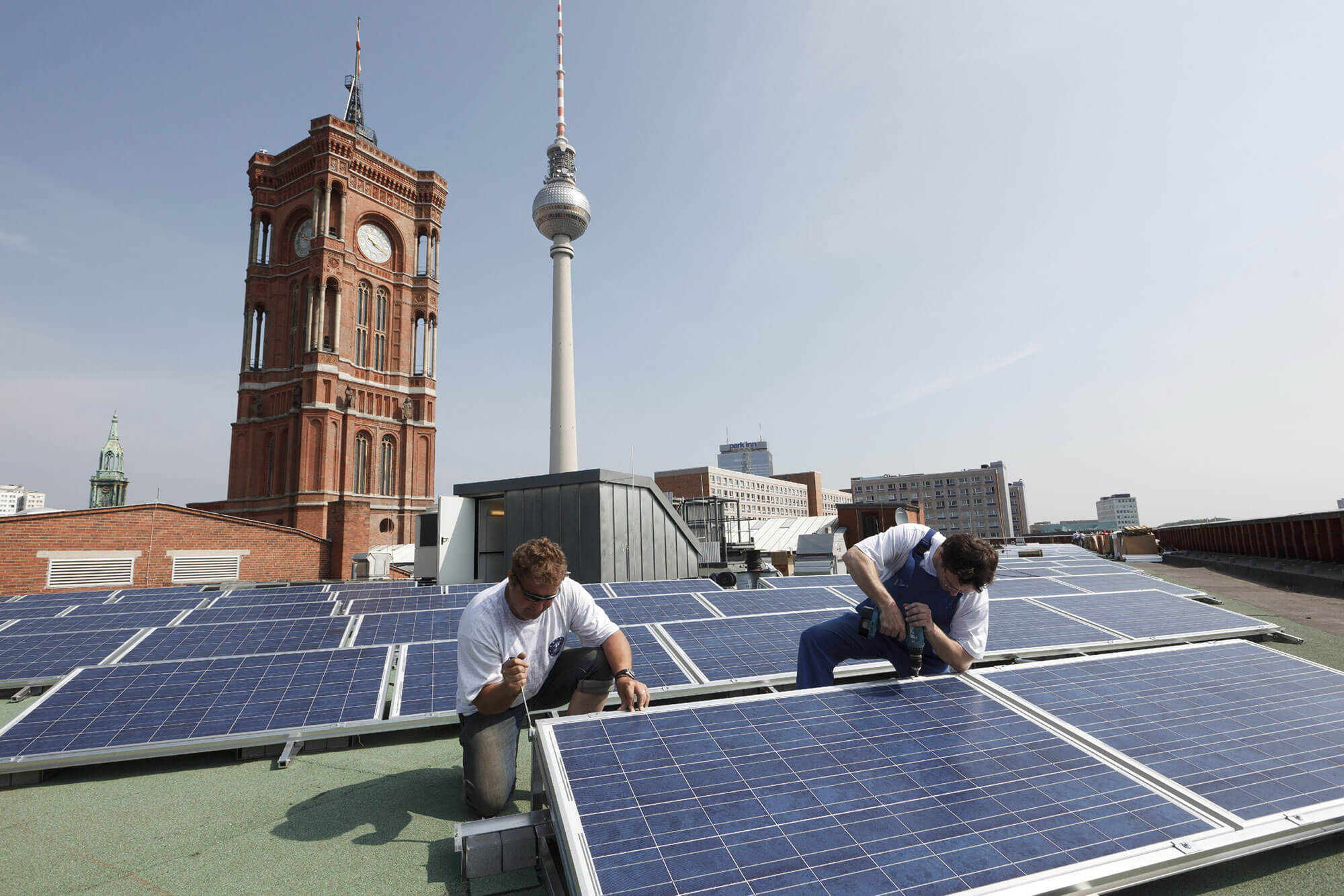
Berliner Energieagentur
Berlin, Germany
Lancey Energy
Brussels, Belgium
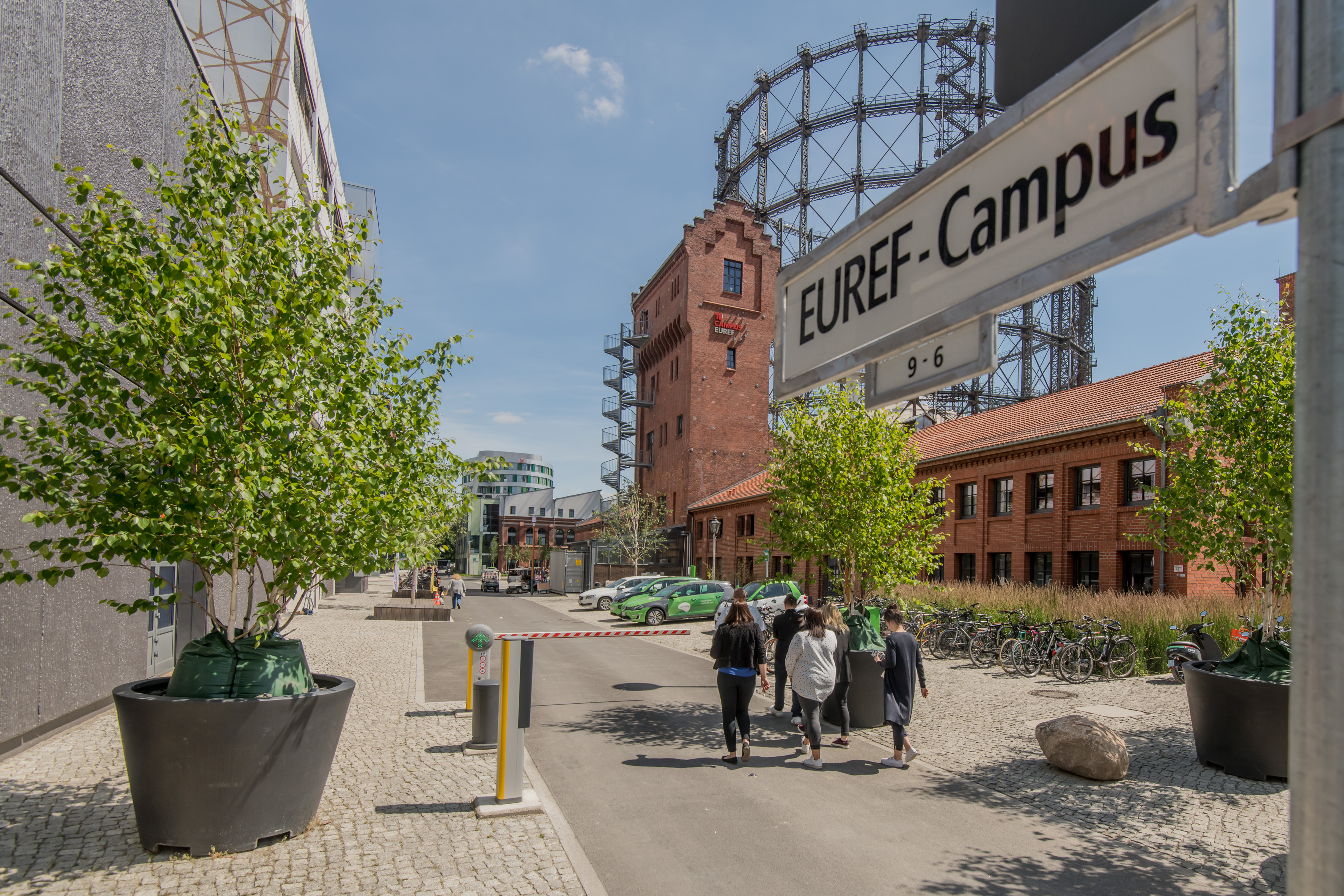
EUREF AG
Berlin, Germany
degewo AG
Berlin, Germany
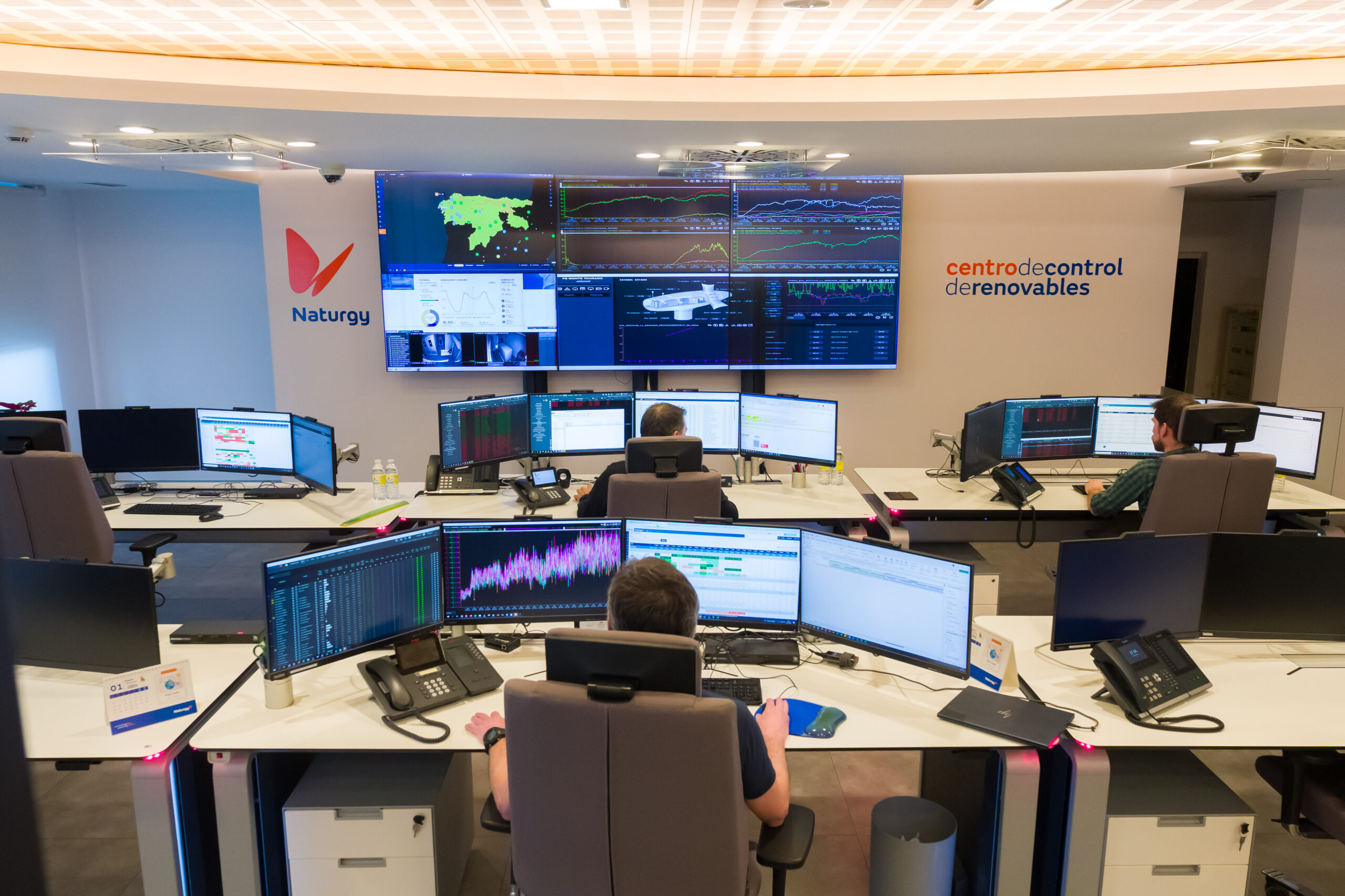
Naturgy
Barcelona, Spain
Related Projects
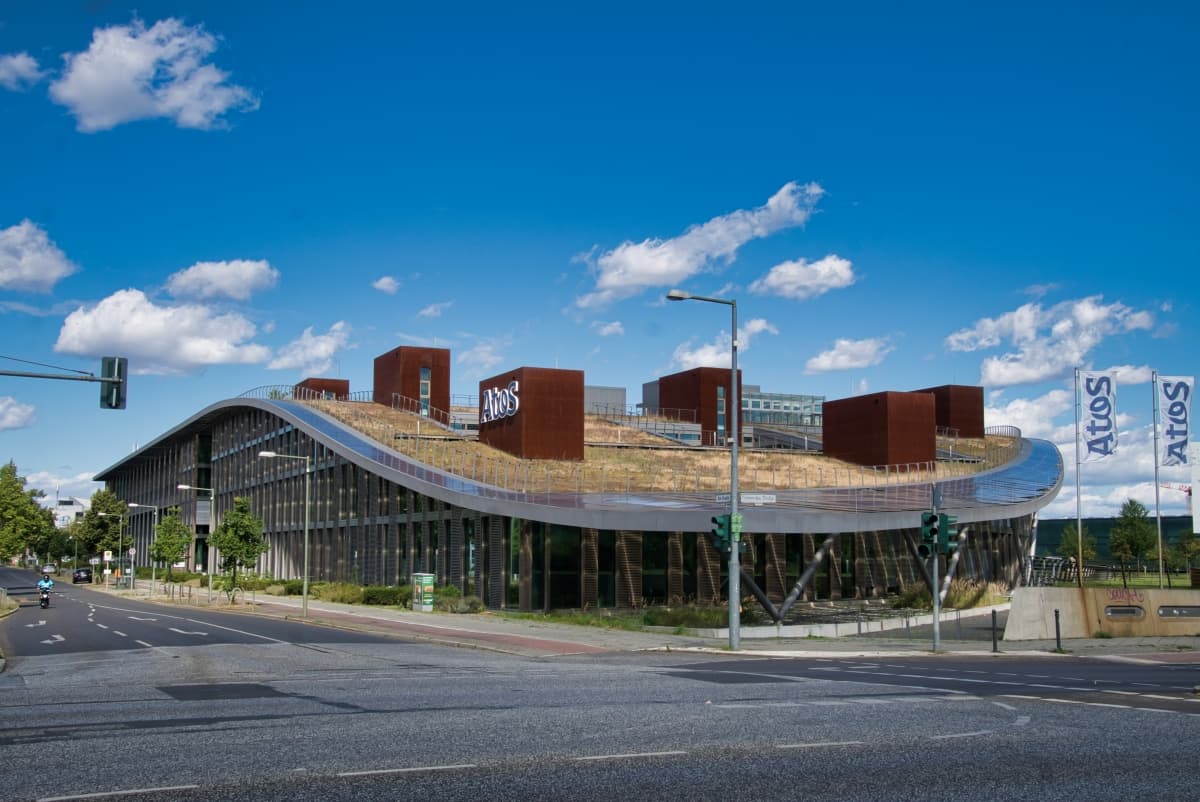
Former solar‑manufacturer HQ now hosts clean‑tech startups, research labs, and co‑working spaces.
Adlershof Ehemaliges Solon Gebäude
Berlin, Germany

Microalgae panels generate biofuel, harvest CO₂, and shade buildings in Berlin’s climate.
Algen-Fassadenreaktor — MINT Engineering
Berlin, Germany
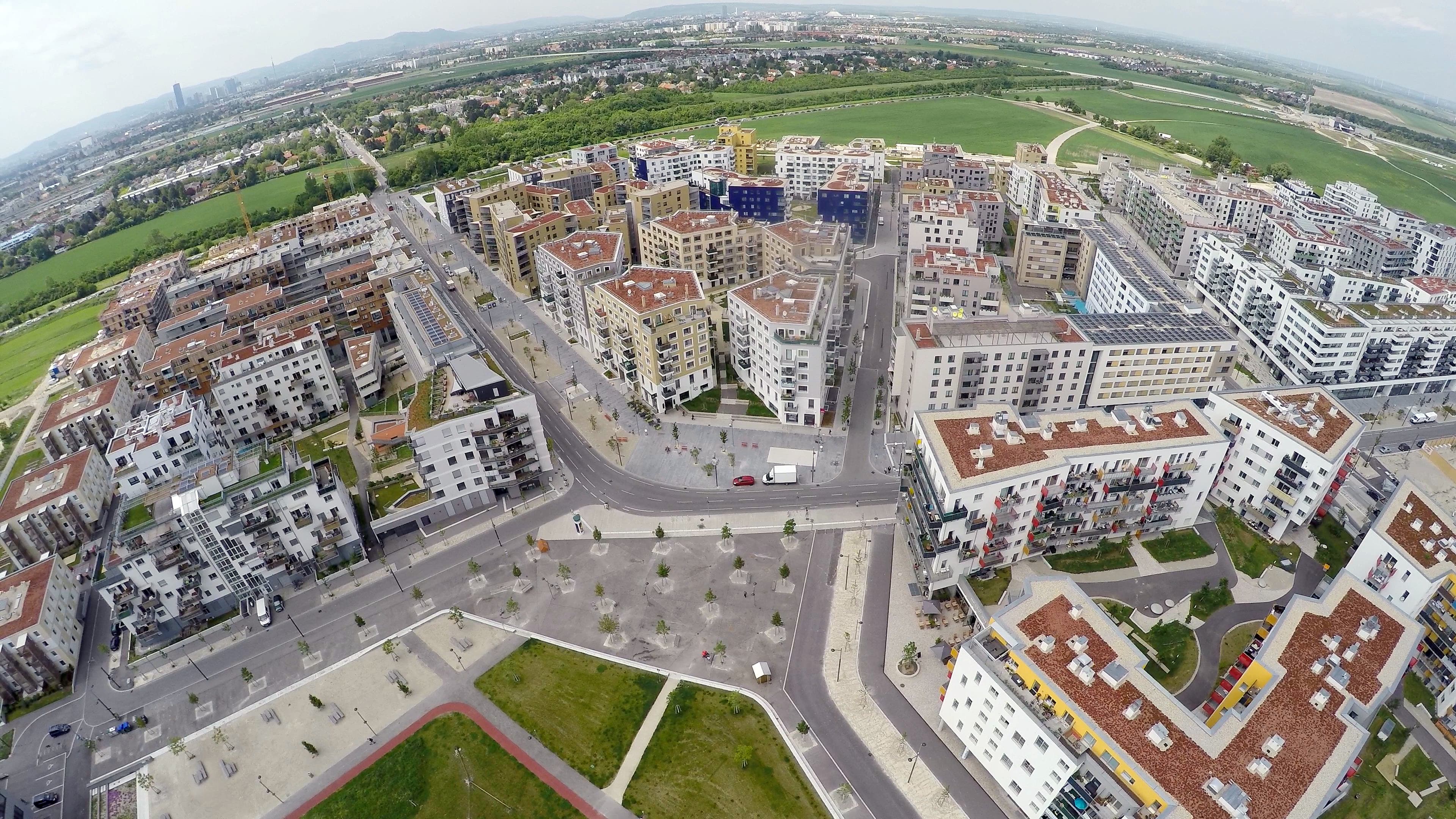
Live lab tests real‑time building photovoltaics, battery storage, and demand‑response with residents.
Aspern Smart City Research (ASCR)
Vienna, Austria
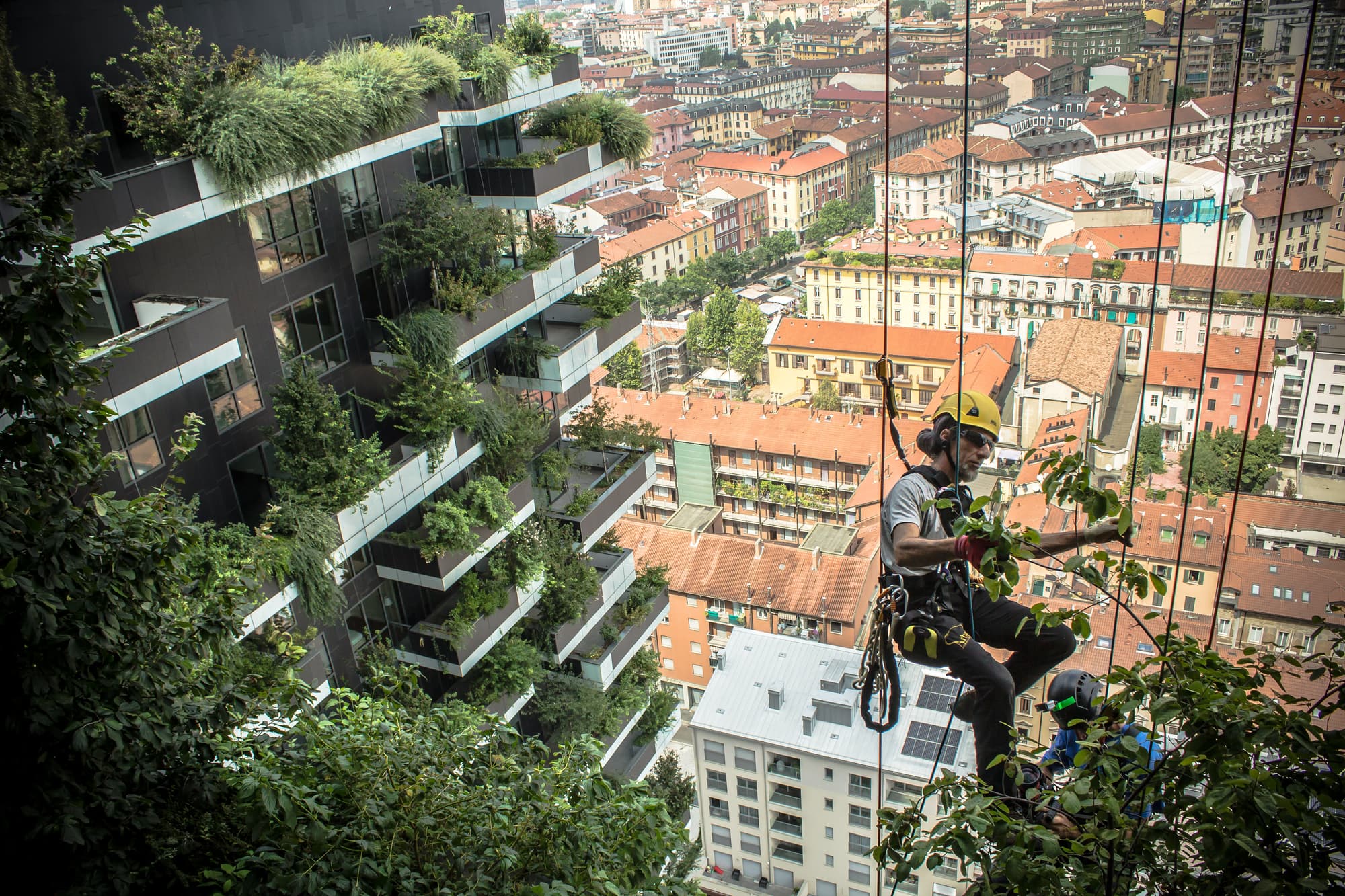
Two towers host 800 trees, 4,500 shrubs, and 15,000 plants, creating urban woodland.
Bosco Verticale
Milan, Italy
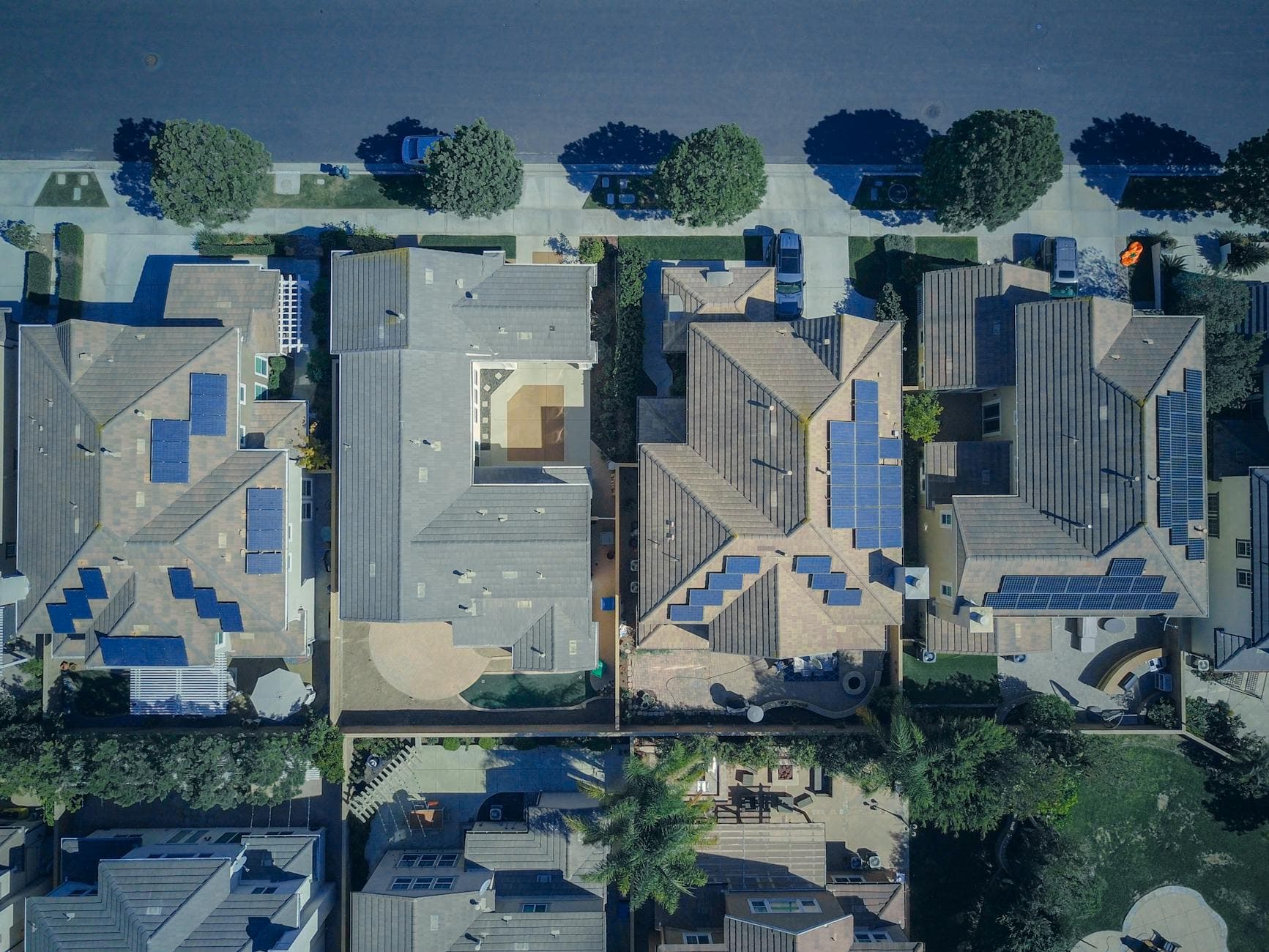
530 units rent €600, 32% built, €90M public‑private funding, EU NextGenerationEU support.
Distrito Universidad – Affordable Smart City
Madrid, Spain
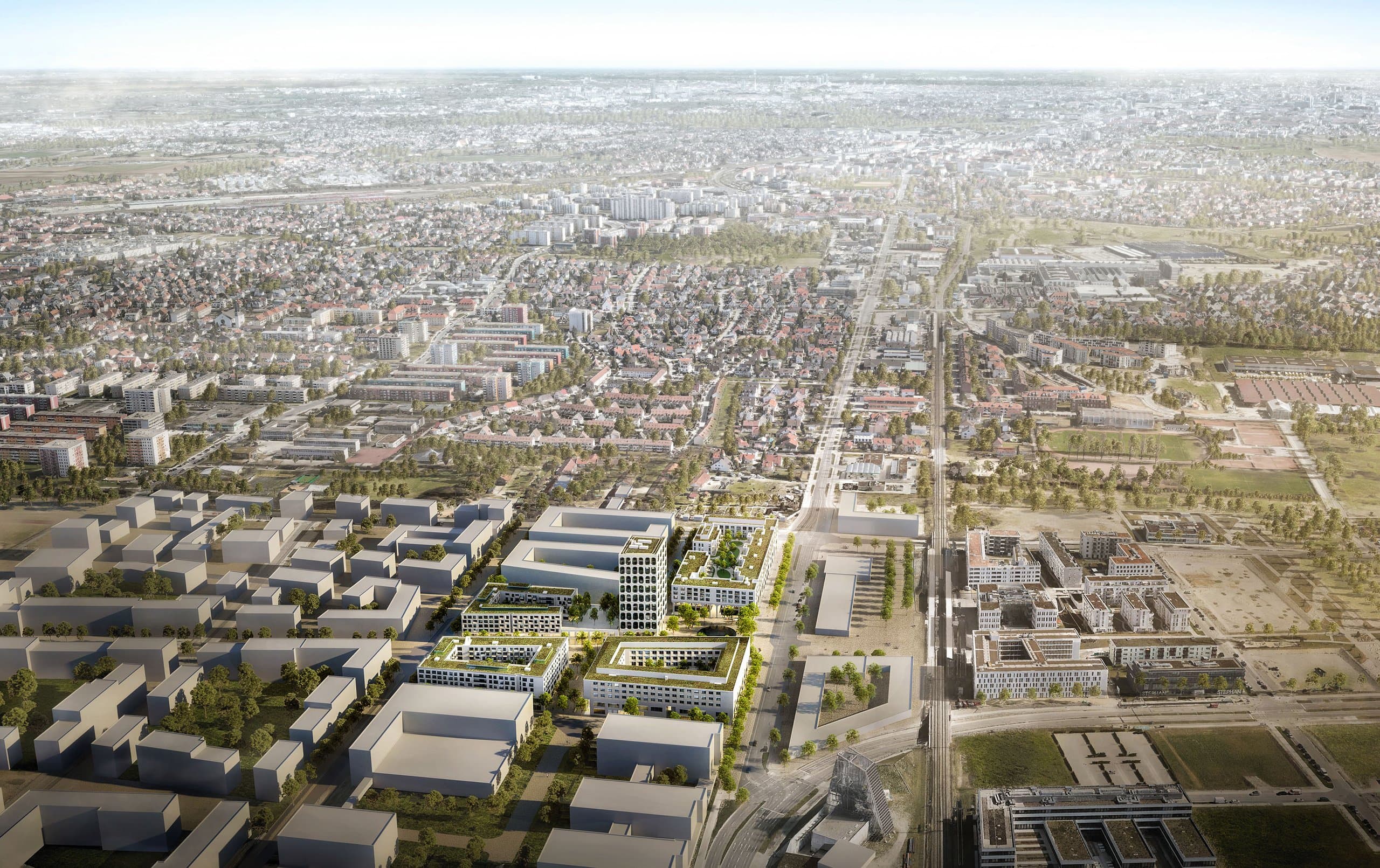
Synopsis: 350‑hectare district hosts 8,000 homes, 15,000 jobs, DGNB Gold‑aimed, mixed‑ownership housing.
Freiham – New Urban Quarter
Munich, Germany
Related Events
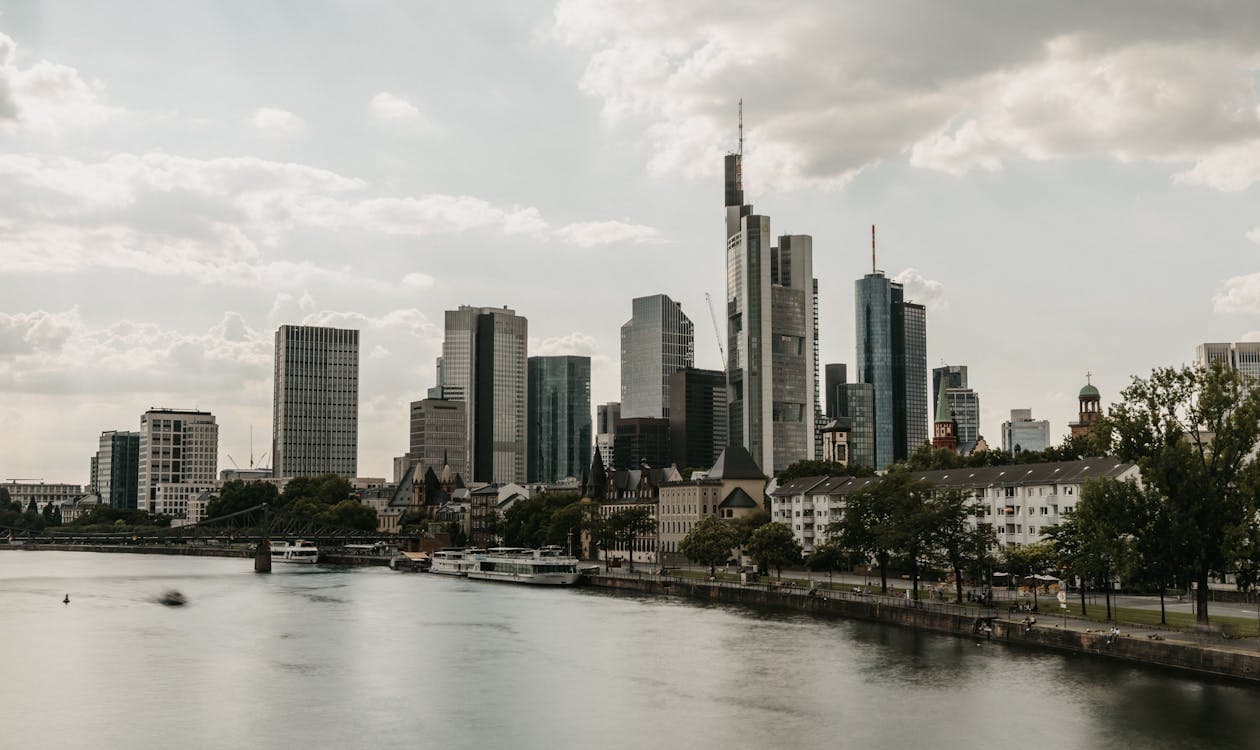
Professionals in lighting, building tech, and smart city planning; trade fair showcasing intelligent building innovations.
Light + Building Frankfurt 2026
Frankfurt am Main, Germany
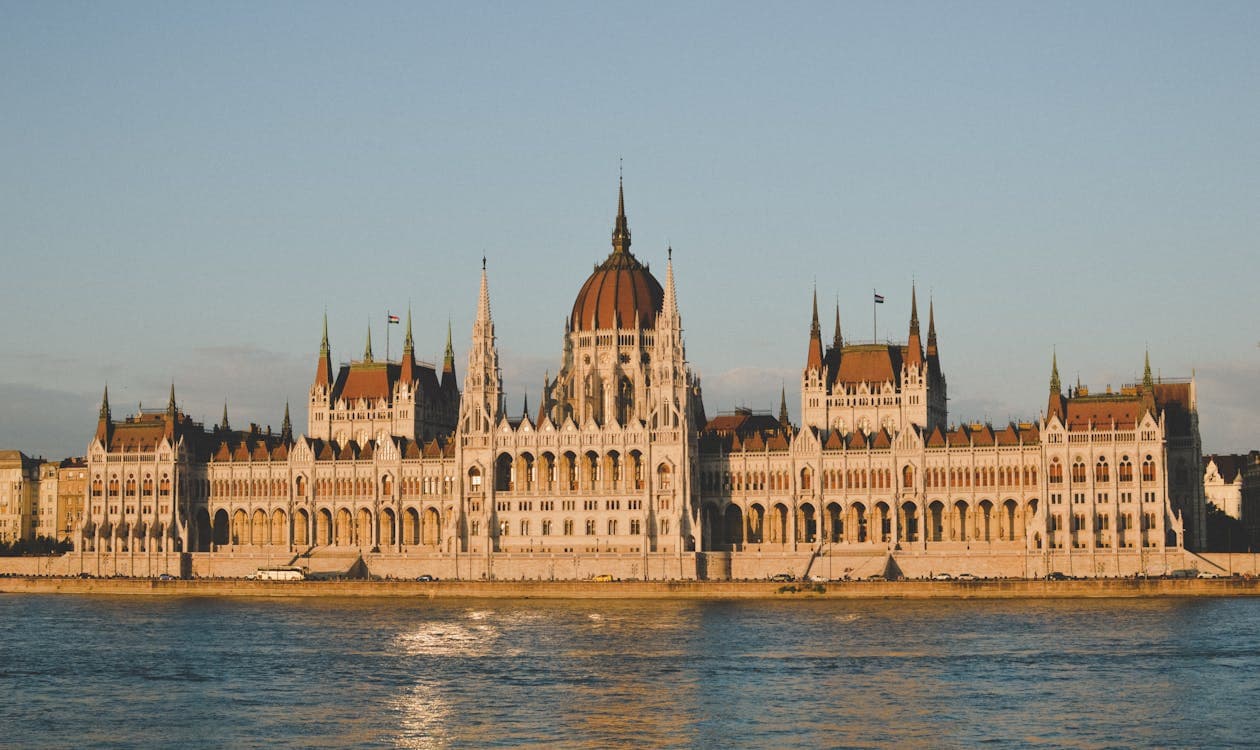
Real estate professionals and tech startups explore proptech innovations and smart city solutions.
PropTech Budapest Conference 2025
Budapest, Hungary

For architects, engineers, facility managers, and tech firms: explore smart building innovations and sustainability.
Messe Frankfurt Smart Building Technology Forum 2026
Frankfurt am Main, Germany

Professionals in architecture, engineering, construction, and urban planning exploring sustainable, smart, and innovative building solutions.
Tomorrow.Building Forum Barcelona 2025
Barcelona, Spain
Other topics in Built Environment & Liveability


Have resources to share?
Help grow our knowledge base by submitting research, case studies, or other resources related to smart buildings & retrofitting.
Submit a Resource