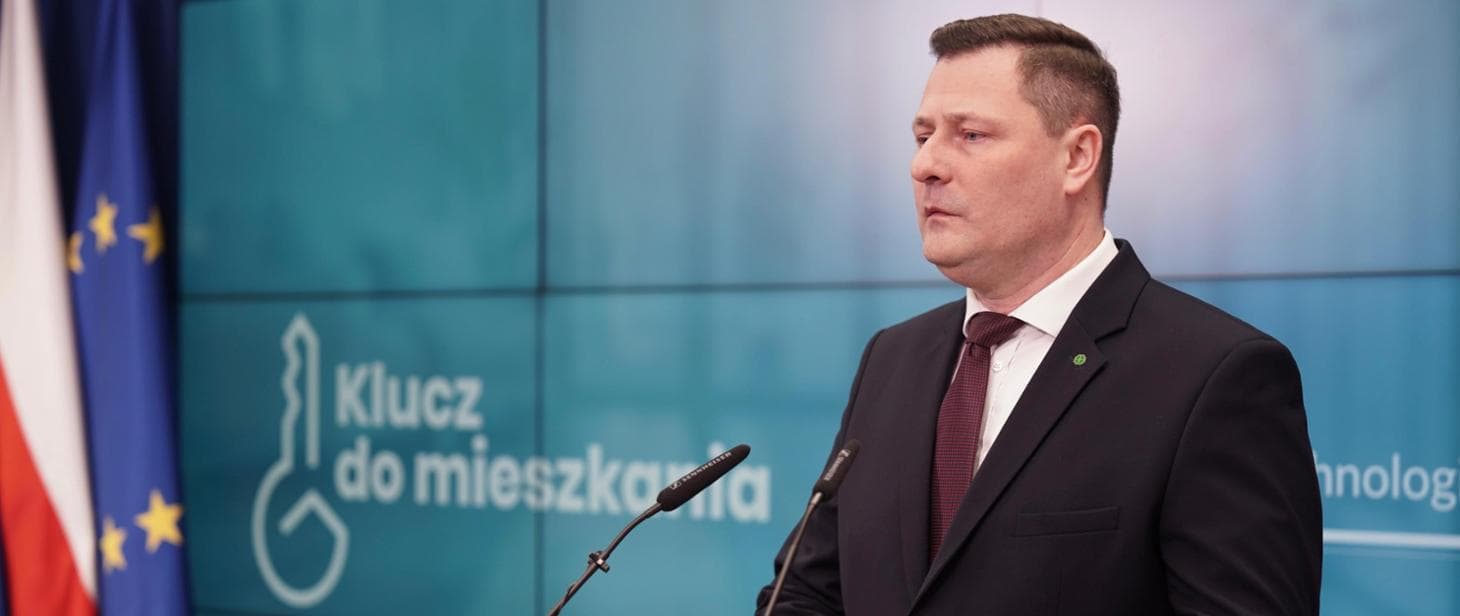
Overview of Poland’s National Housing Initiative
The “Key to Housing Programme” (Klucz do Mieszkania) is Poland’s flagship national housing strategy announced by Minister of Development and Technology Krzysztof Paszyk on 13 February 2025. Managed by the Ministry of Development and Technology, the programme seeks to address the country’s chronic housing shortage through a comprehensive, three‑pillar approach that combines municipal rental expansion, social‑housing support, and first‑time‑buyer assistance. It is publicly accessible via the government portal https://www.gov.pl/web/rozwoj-technologia/klucz-do-mieszkania.
Pillar 1 – Expanding Municipal Rental Stock
The first pillar targets the creation and renovation of municipal rental units for households in financial difficulty. In 2025 the government allocated PLN 2.5 billion (≈ €596 million) to fund up to 15 000 new or refurbished municipal and social homes. Local authorities may receive subsidies covering up to 80 % of construction or renovation costs. The long‑term objective is to deliver 40 000 municipal units per year by 2030, with annual funding expected to rise to roughly €2 billion.
Pillar 2 – Strengthening Social Housing Networks
The second pillar supports Social Housing Initiatives (SIM), Housing Association Societies (TBS), and cooperatives in delivering affordable rental housing for low‑ and moderate‑income families. These entities can develop units with rents set below market rates, expanding the supply of socially oriented rental stock across the country.
Pillar 3 – First‑Time Homeownership Support
The third pillar, known as “Pierwsze Klucze” (First Keys), assists individuals who have never owned property in purchasing existing homes or building new ones through self‑managed construction. Eligibility requires no prior homeownership and meeting income thresholds. Eligible properties must have been occupied for at least five years and owned by the current seller for at least three years, limiting speculative buying. Price caps are set at PLN 10 000 per square metre nationally and PLN 11 000 in Warsaw, Gdańsk, Kraków, Poznań, and Wrocław, with municipalities allowed to adjust caps locally.
Inclusive Measures for Seniors and Persons with Disabilities
The programme incorporates dedicated provisions for seniors and people with disabilities. Older residents gain priority access to adapted municipal housing and may lease private apartments to local governments in exchange for a suitable municipal unit, promoting age‑friendly living environments.
Student Housing Component
A student‑housing element provides up to 80 % government funding for constructing or renovating university dormitories. Rents for student accommodation are capped, ensuring affordable options for higher‑education participants.
“First Keys” Investment Mechanism
The “Inwestycje Pierwsze Klucze” mechanism enables housing cooperatives, TBS entities, and SIM organisations to develop and sell new‑build apartments with state support. Profit margins on these projects are limited to 25 %, and developers must commit to building affordable rental units alongside ownership units, reinforcing mixed‑tenure development.
Policy Context and European Relevance
Unlike earlier Polish programmes, Klucz do Mieszkania excludes purchases from the primary developer market, directing public funds toward households rather than developers and avoiding price inflation in new‑build markets. The strategy aligns with broader European trends that prioritize policy‑driven, inclusive, and sustainable housing solutions, integrating public rental expansion with targeted ownership assistance to foster social equity and environmental resilience.
Key Data at a Glance
- Total 2025 municipal funding: PLN 2.5 bn (≈ €596 m)
- Target municipal units by 2030: 40 000 per year
- Price caps: PLN 10 000/m² (nationwide), PLN 11 000/m² (five major cities)
- Subsidy coverage for municipal projects: up to 80 %
- Student‑housing funding: up to 80 % of construction/renovation costs The Key to Housing Programme represents a multifaceted, financially backed effort to expand affordable housing, improve social inclusion, and support sustainable urban development across Poland, offering a model of integrated housing policy for pan‑European audiences interested in sustainable, equitable housing solutions.