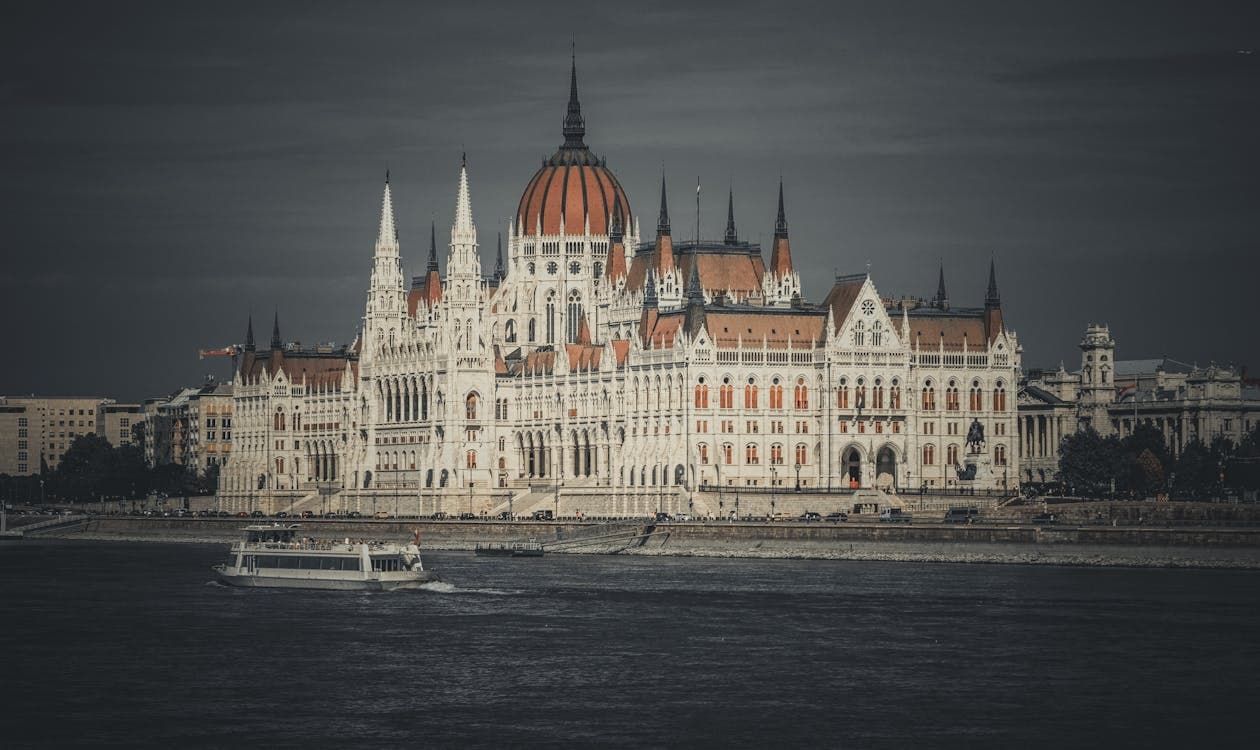
Overview of the Budapest 2030 Concept
The Budapest 2030 Long‑Term Urban Development Concept is the strategic planning document adopted by the Budapest General Assembly in April 2013. It outlines the city’s vision for more than a decade, addressing urban, social, economic and environmental challenges. The document is published by the Budapest General Assembly and reflects the collective work of city planners, policymakers and experts in urban development.
Global Objectives Guiding Development
The concept defines four overarching objectives: strengthening Budapest’s role in the European region, creating a harmonious and diverse urban environment, improving quality of life and social cohesion, and fostering a value‑ and knowledge‑based sustainable economy. These goals shape all subsequent priorities and actions.
Sustainable Housing and the “City as Home”
A key thematic area is “The City as Home,” which focuses on housing quality, affordability and neighbourhood livability. Budapest’s housing stock ranges from historic inner‑city apartments to socialist‑era estates and suburban family homes. The concept calls for differentiated strategies that address local needs, improve energy efficiency of buildings and promote socially inclusive neighbourhoods.
Public Spaces, Green Infrastructure, and the Danube Zone
The “City as Public Space” theme emphasizes enhancing streets, squares, parks and the Danube riverfront. The Danube zone is identified as the city’s greatest spatial asset, with plans for waterfront activation, increased public access and integration of green infrastructure to support climate resilience.
Economic Transition and Knowledge‑Based Growth
Under “The City as a Place to Work,” the concept supports a shift from manufacturing to knowledge‑intensive sectors, encouraging innovation, education and creative industries. This aligns with the objective of a sustainable, value‑driven economy and complements the Smart Budapest Vision, which adds digital and data‑driven solutions.
Integrated Infrastructure and Smart Systems
“The City as a System” addresses transport, energy, water, waste and digital networks as interconnected systems. Priorities include sustainable public transport, expanded cycling infrastructure, modernised utility networks and energy‑efficiency measures, all of which contribute to reduced emissions and improved urban resilience.
Spatial Strategy and Zone‑Specific Priorities
Five spatial zones are defined: Inner zone (historic core), Transitional zone (areas undergoing regeneration), Suburban zone (outer districts), Danube zone (river corridor) and Hilly zone (Buda hills). Each zone has tailored development priorities, such as heritage preservation in the Inner zone, transport connectivity in the Suburban zone, and environmental protection in the Hilly zone.
Smart Budapest Vision and Implementation
Building on the 2030 framework, the Smart Budapest Vision identifies six strategic areas and twelve actions where smart technologies accelerate goals, including smart mobility, energy efficiency, digital governance and citizen engagement. The concept underpins detailed implementation plans such as the Budapest 2020 Integrated Urban Development Strategy, the Balázs Mór sustainable transport plan (2014‑2030), climate and energy strategies, and nature‑based solutions for green infrastructure.
Relevance for Pan‑European Sustainable Housing Stakeholders
For a pan‑European audience interested in sustainable housing, the Budapest 2030 Concept provides a comprehensive example of integrating housing quality, energy‑efficient retrofits, mixed‑use neighbourhoods and social inclusion within a broader urban strategy. Key data include a city population of about 1.7 million (city proper) and nearly 3 million in the metropolitan area, a high‑priority focus on affordable, resilient housing, and concrete links between housing policies and climate‑adaptation measures. The document demonstrates how a central European capital aligns housing objectives with European competitiveness, environmental stewardship and smart‑city innovation.