Energy & Environment
Resource Management & Circularity
Smart water, waste, and the circular flow of urban materials.
The Circular Economy Action Plan and the EU Waste Framework Directive set the policy direction; European cities translate them into smart bin networks, deposit-return systems, water-leak monitoring and construction-waste reuse. Amsterdam's Donut Economics framework, Copenhagen's zero-waste roadmap and the Circular Cities Declaration (now signed by hundreds of European cities) show how ambition turns into procurement and operations.
Water is becoming as urgent as waste. The Drinking Water Directive and Urban Wastewater Treatment Directive set quality floors; cities are deploying smart-metering, sponge-city design and treated-wastewater reuse to manage scarcity and storm volatility. ICLEI Europe, Circle Economy, the European Environment Agency and the OECD water programme are the most useful evidence hubs.
This leaf collects resources on smart water and wastewater, circular waste management, construction and demolition reuse, industrial symbiosis, and the policy frameworks that make material loops financially viable.
Water is becoming as urgent as waste. The Drinking Water Directive and Urban Wastewater Treatment Directive set quality floors; cities are deploying smart-metering, sponge-city design and treated-wastewater reuse to manage scarcity and storm volatility. ICLEI Europe, Circle Economy, the European Environment Agency and the OECD water programme are the most useful evidence hubs.
This leaf collects resources on smart water and wastewater, circular waste management, construction and demolition reuse, industrial symbiosis, and the policy frameworks that make material loops financially viable.
Key Aspects
Circular waste systems
Smart bins, deposit-return schemes, sorting infrastructure and the pay-as-you-throw frameworks behind them.
Smart water networks
Leak detection, smart metering, demand management and resilient urban water supply.
Wastewater & reuse
Tertiary treatment, treated-water reuse for irrigation and industry, and sustainable drainage systems.
Materials & symbiosis
Construction-waste reuse, industrial symbiosis and material-flow accounting at city and district scale.
Knowledge Resources
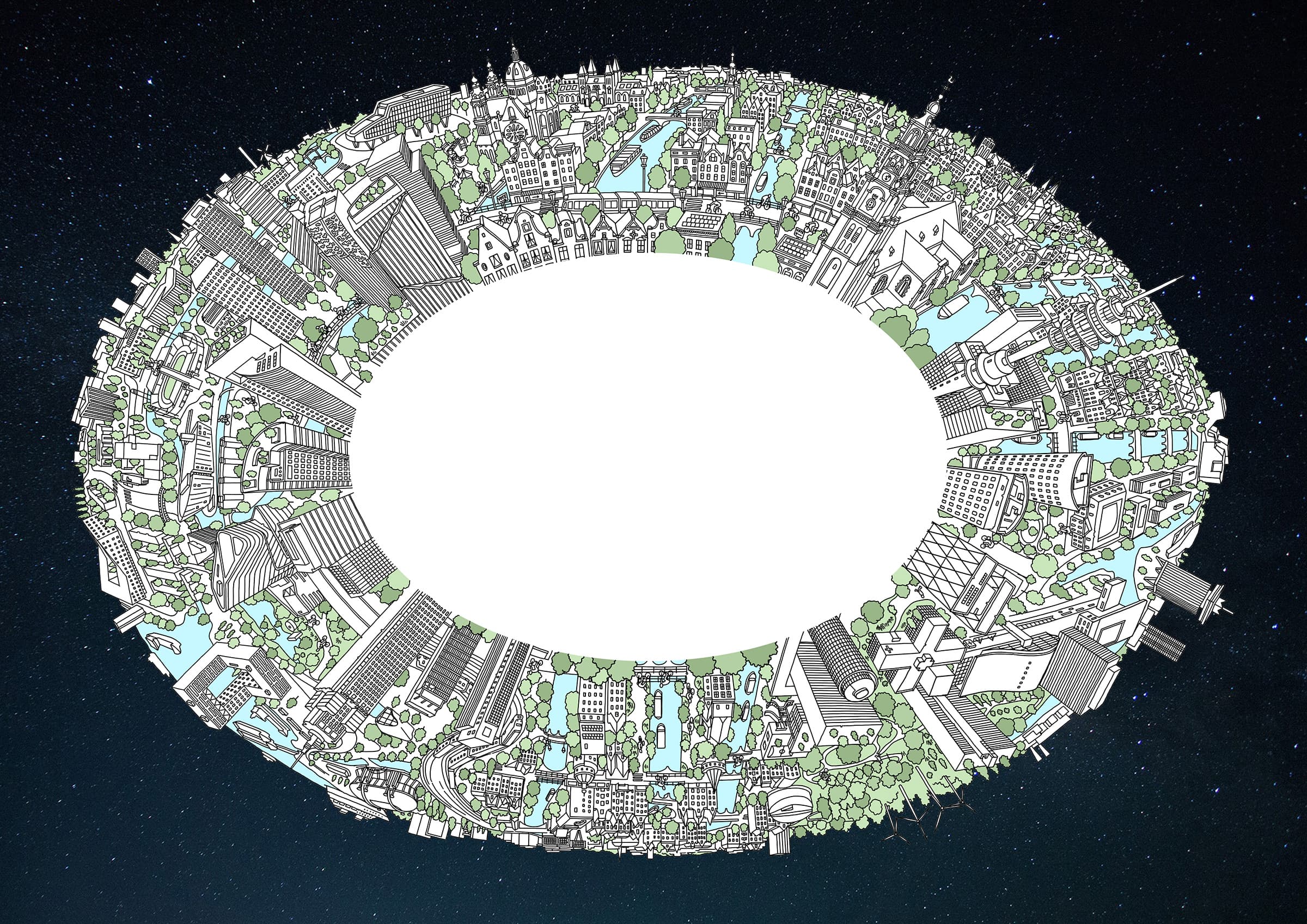
Amsterdam’s doughnut blends circular construction, food reform, and global equity, pioneering data‑driven sustainability metrics.
Amsterdam City Doughnut (Circular Economy)
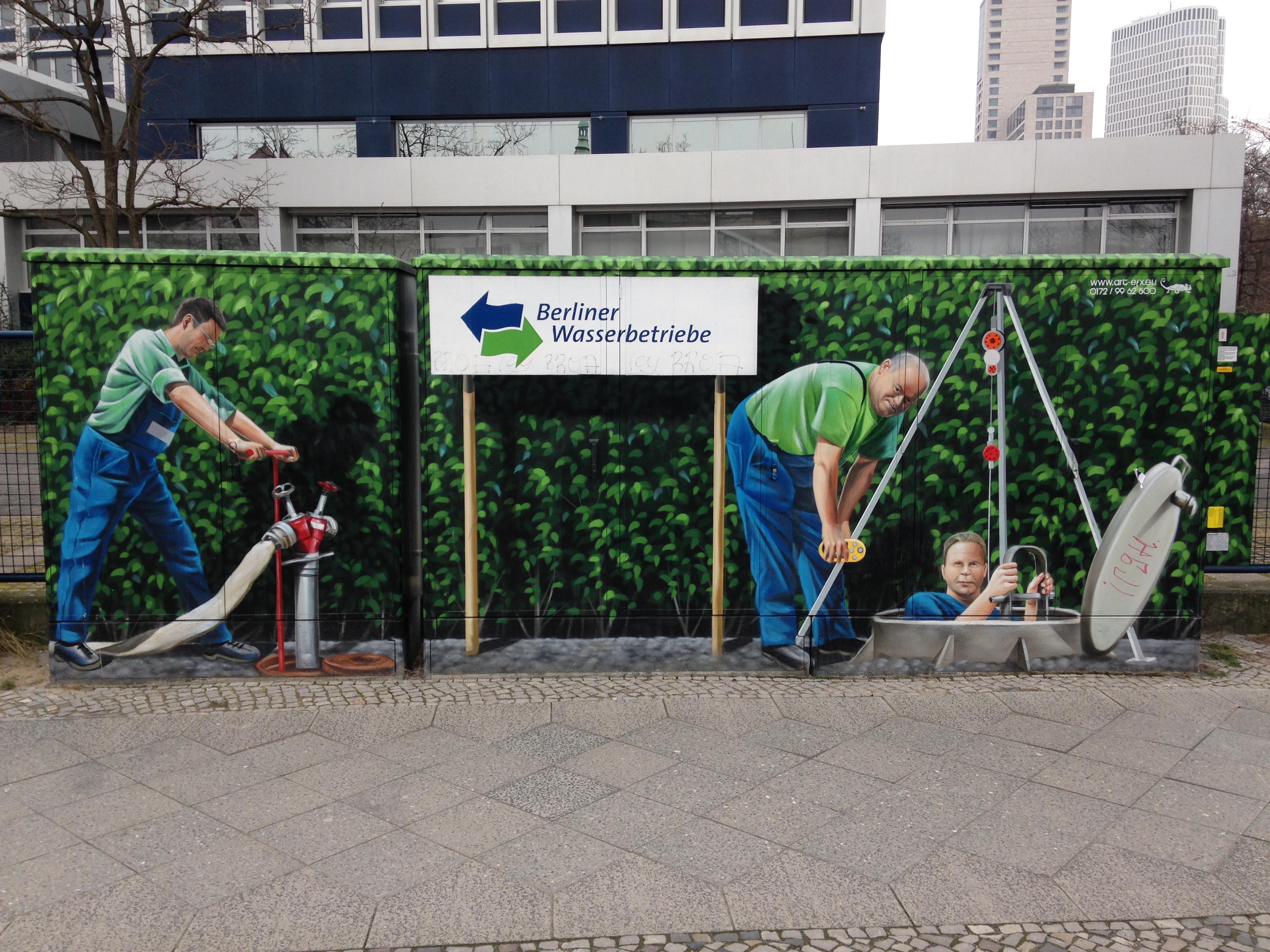
Smart IoT sensors, AI leak detection, digital twins, and sponge‑city tactics revolutionize Berlin’s aging water network.
Berlin's Smart Water Management: BWB Innovation Report
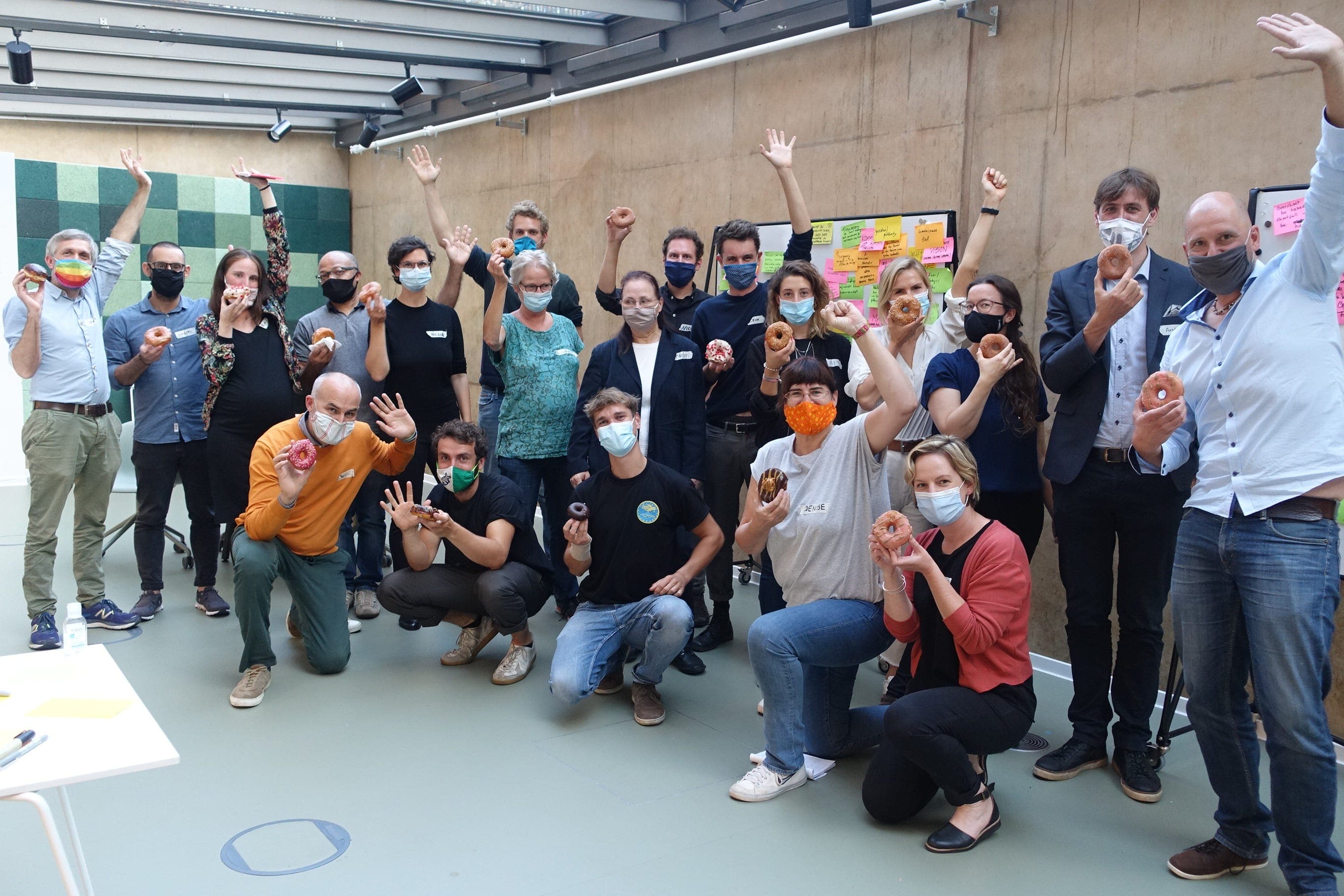
Explore how cities balance social wellbeing and planetary limits with tools, workshops, and impact metrics.
Doughnut Economics for Cities
Related Organisations
Related Projects

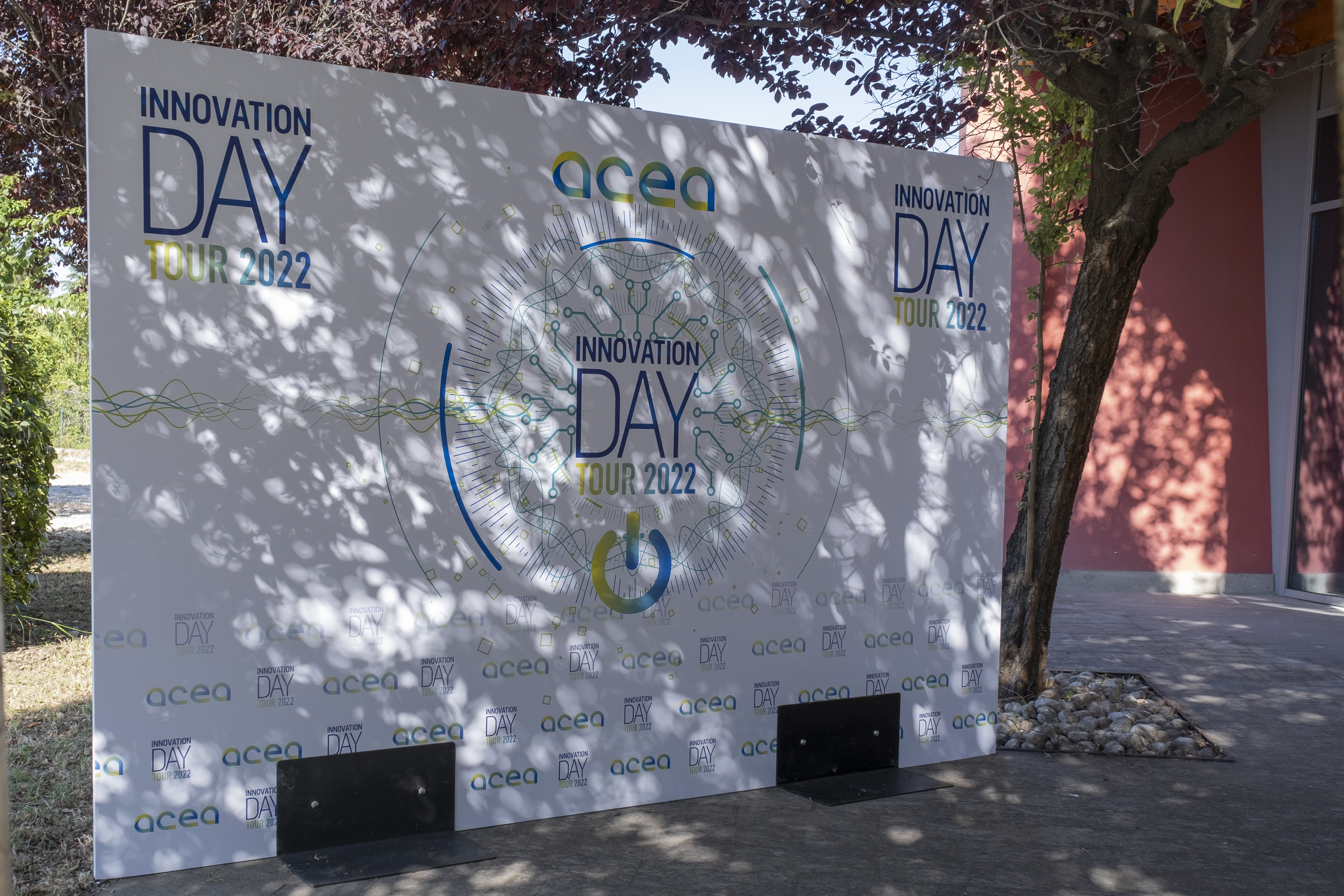
Smart meters, AI leak detection, 150k LED lights, microgrids—Rome’s utilities become predictive, water‑saving.
ACEA Smart Grid Rome
Rome, Italy
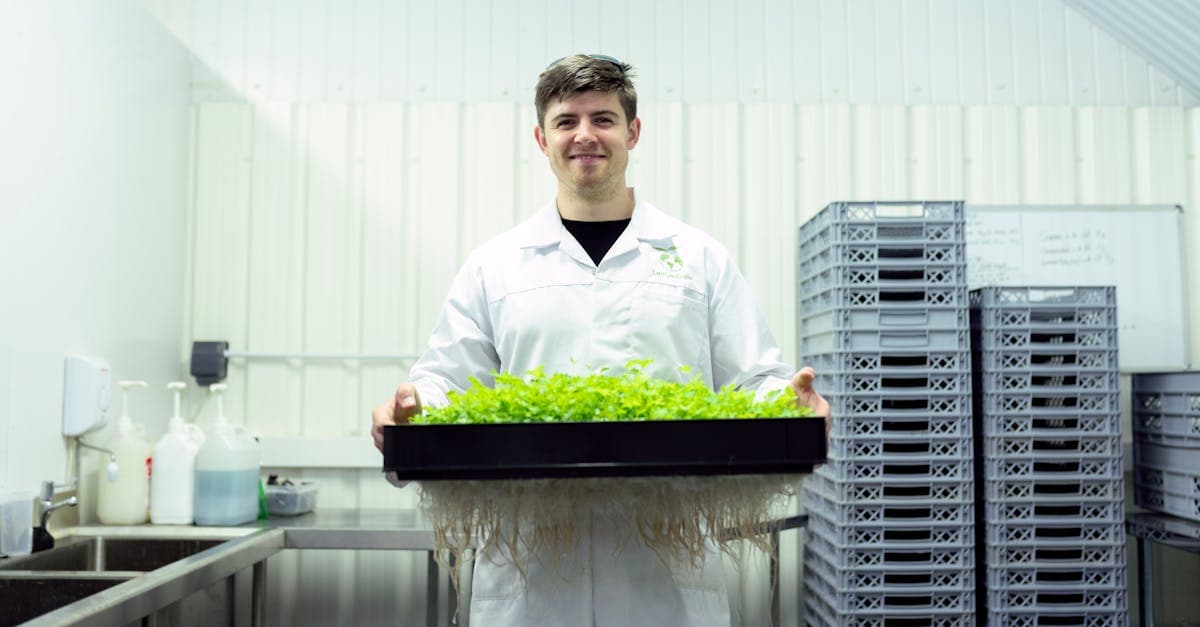
Berlin’s aquaponic farm cuts water use by 90%, merges fish and veg production, and offers IoT‑driven research.
Aquaponik ECF Farm
Berlin, Germany
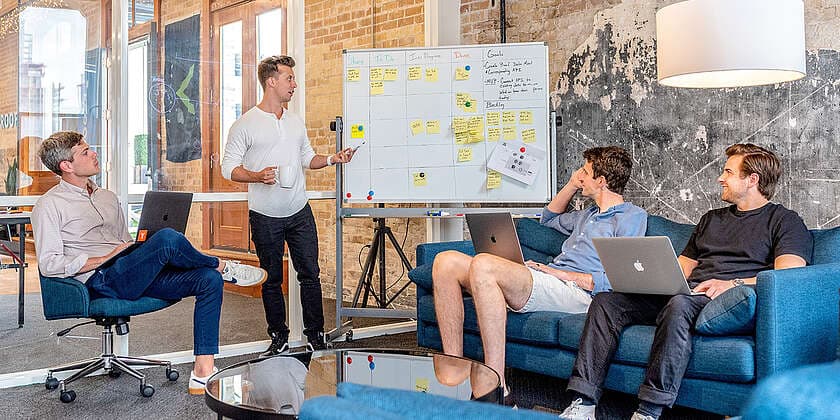
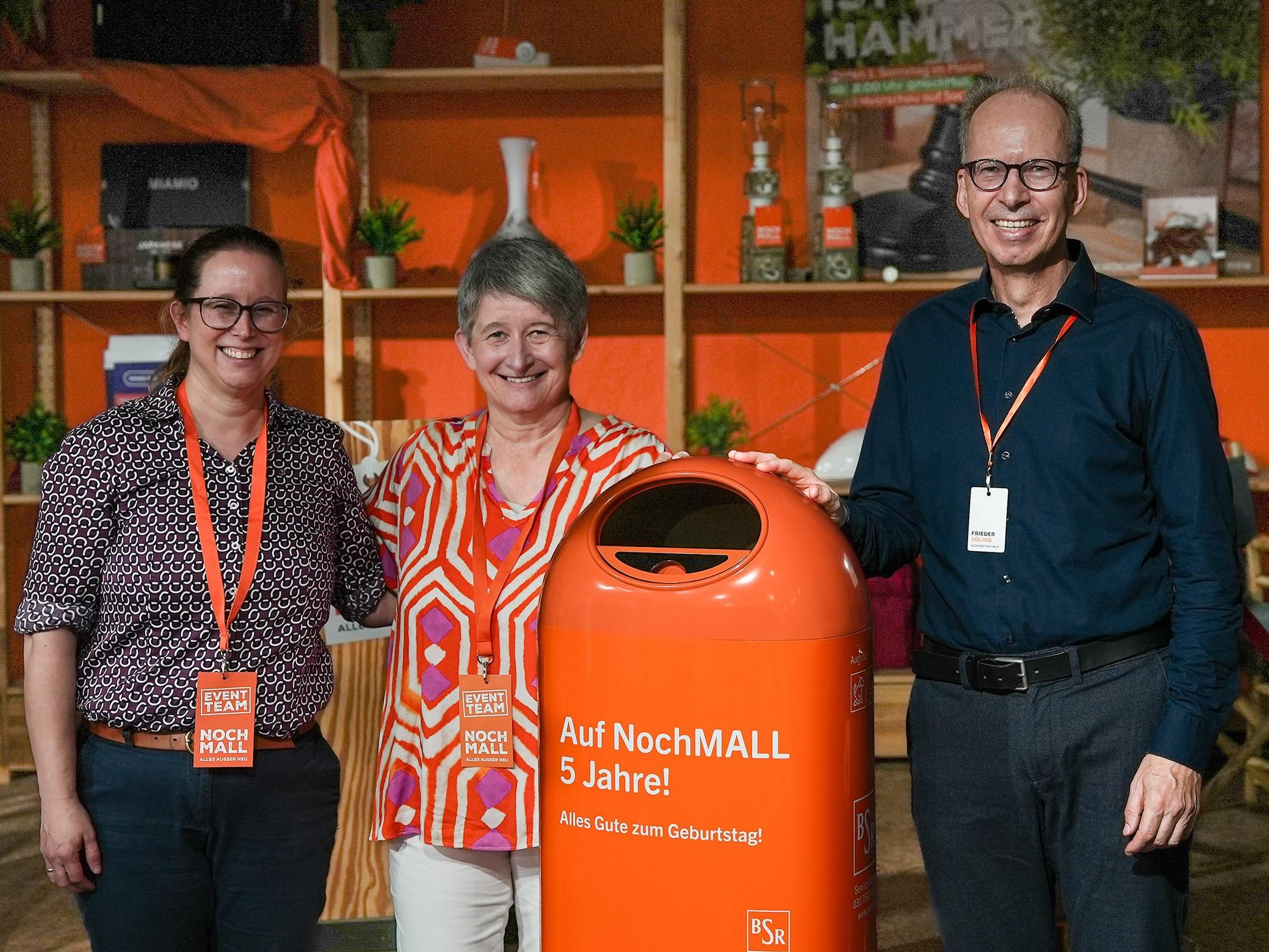
Teaser: Real‑time waste alerts, bulk‑pickup bookings, and geotagged citizen reports empower Berlin’s clean‑city efforts.
BSR-App
Berlin, Germany
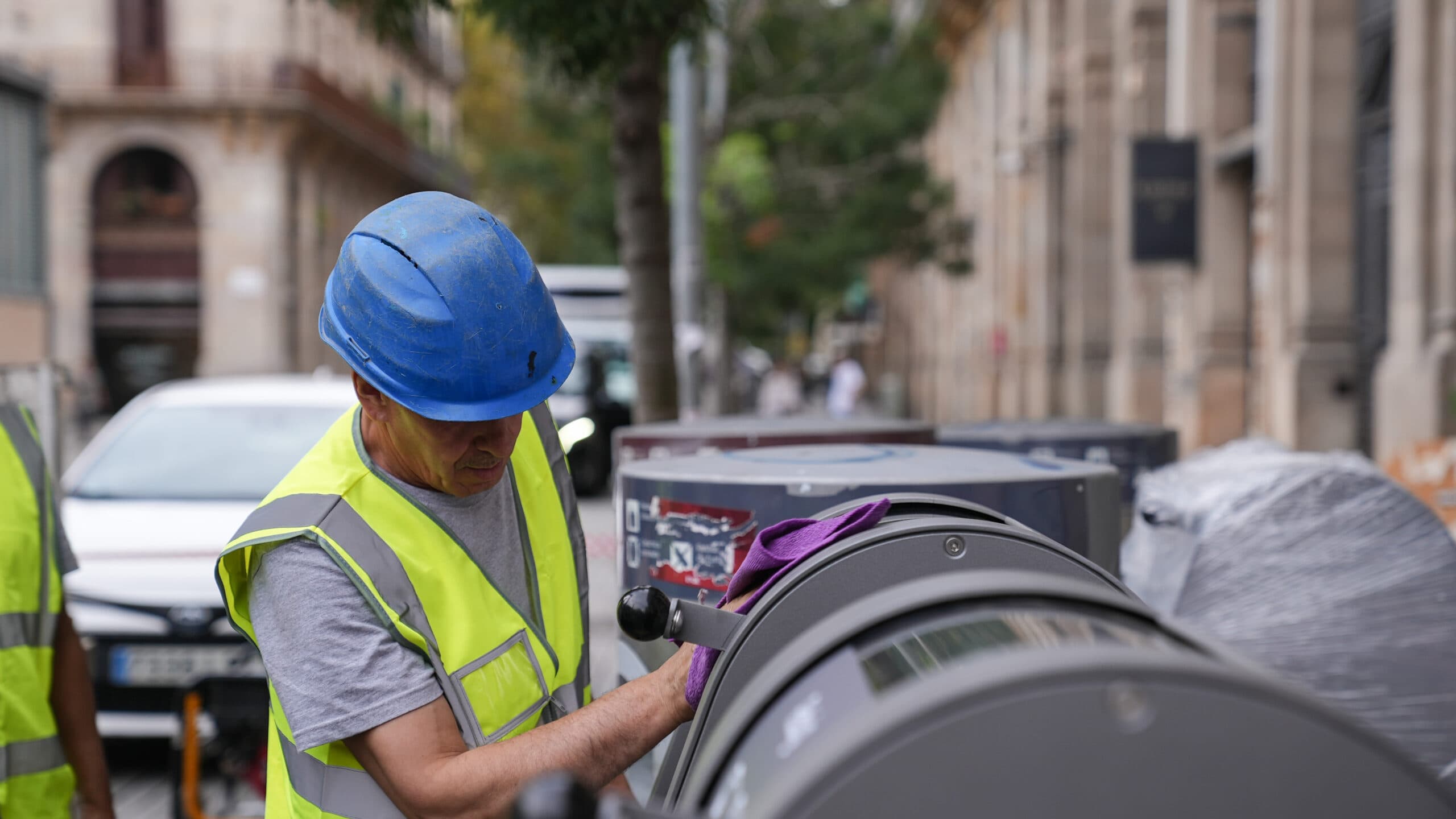
Underground pipes whisk waste at 70 km/h, cutting truck traffic and noise dramatically.
Barcelona Smart Pneumatic Waste Collection
Barcelona, Spain
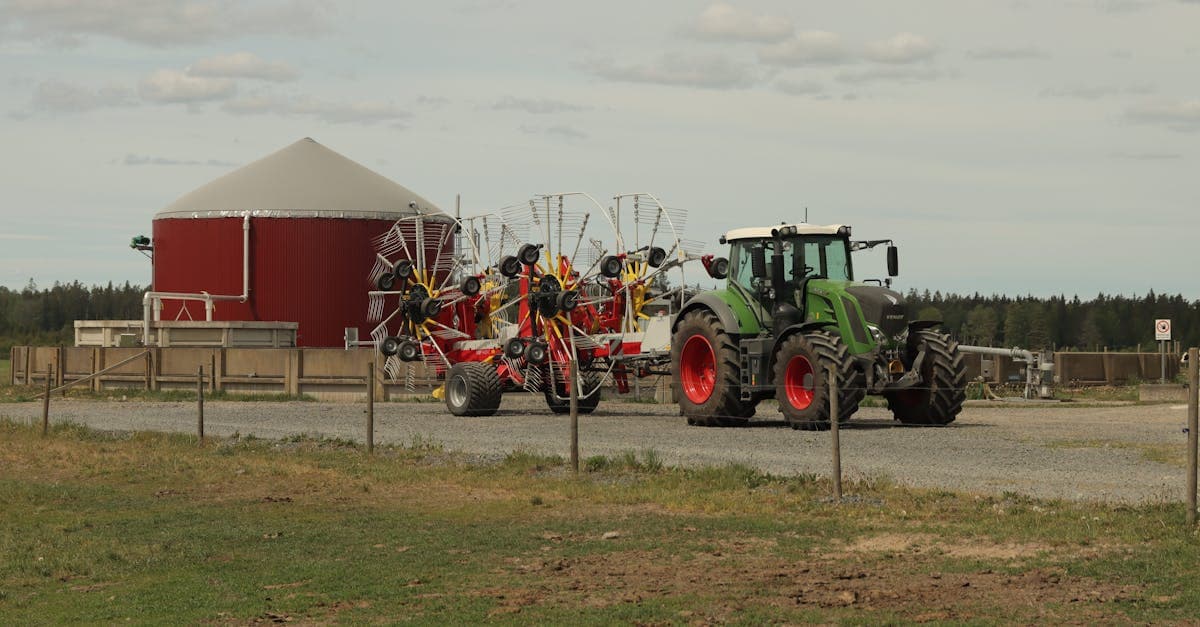
Berlin’s waste plant turns household scraps into vehicle fuel and high‑quality compost.
Biogasanlage der BSR Ruhleben
Berlin, Germany
111 projects cut waste, reuse building materials, and redirect surplus food across Brussels.
Brussels Circular Economy Programme
Brussels, Belgium
Related Events
Other topics in Energy & Environment


Have resources to share?
Help grow our knowledge base by submitting research, case studies, or other resources related to resource management & circularity.
Submit a Resource