Mobility & Urban Logistics
Active Mobility & Micromobility
Walking, cycling, scooters, and the streets that welcome them.
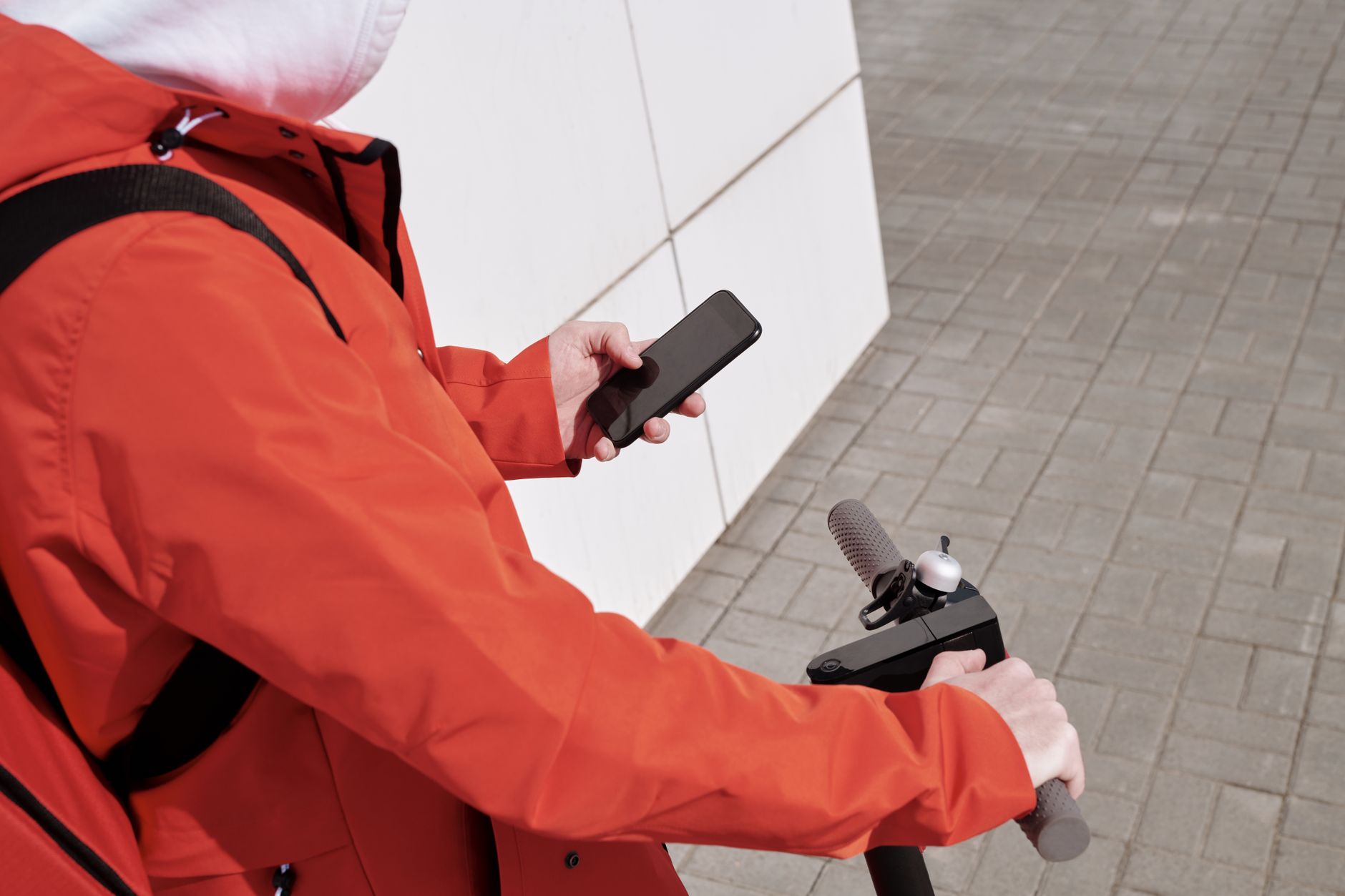
Active and micro-mobility deliver the highest mode-share gains per euro invested when streets are reallocated away from car traffic. European cities from Paris and Brussels to Seville have built protected cycle networks at unprecedented speed, with the EU's Declaration on Cycling (2024) committing member states to coherent national strategies.
Deployment combines hard infrastructure — segregated lanes, low-traffic neighbourhoods, school streets — with soft levers like e-scooter and e-bike share schemes, regulation of shared micromobility operators, and tactical urbanism. The European Cyclists' Federation, POLIS, and the Civitas Initiative document evaluated approaches; ELTIS hosts case studies on superblocks, 30 km/h cities, and walkable district design.
This leaf collects resources on cycling and pedestrian infrastructure, micromobility regulation, street redesign, and the urban-planning frameworks that make active travel safe and habitual — for transport planners, city engineers, advocacy organisations and operators.
Deployment combines hard infrastructure — segregated lanes, low-traffic neighbourhoods, school streets — with soft levers like e-scooter and e-bike share schemes, regulation of shared micromobility operators, and tactical urbanism. The European Cyclists' Federation, POLIS, and the Civitas Initiative document evaluated approaches; ELTIS hosts case studies on superblocks, 30 km/h cities, and walkable district design.
This leaf collects resources on cycling and pedestrian infrastructure, micromobility regulation, street redesign, and the urban-planning frameworks that make active travel safe and habitual — for transport planners, city engineers, advocacy organisations and operators.
Key Aspects
Cycling infrastructure
Protected lanes, cycle highways, secure parking and bike-friendly street networks at city and metropolitan scale.
Pedestrian environments
Pedestrianised streets, plazas, low-traffic neighbourhoods and school streets that reclaim space from cars.
Shared micromobility
E-scooter and e-bike fleets, regulation of operators, and parking infrastructure for dockless modes.
Street redesign
Tactical urbanism, 30 km/h zones, superblocks and tools for measuring the impact of street reallocation.
Knowledge Resources

Related Organisations


Related Projects

AI‑driven bike rebalancing, IoT‑enabled stations, and e‑bike placement transform Barcelona’s mobility.
Bicing 2.0 — Smart Bike-Sharing System
Barcelona, Spain
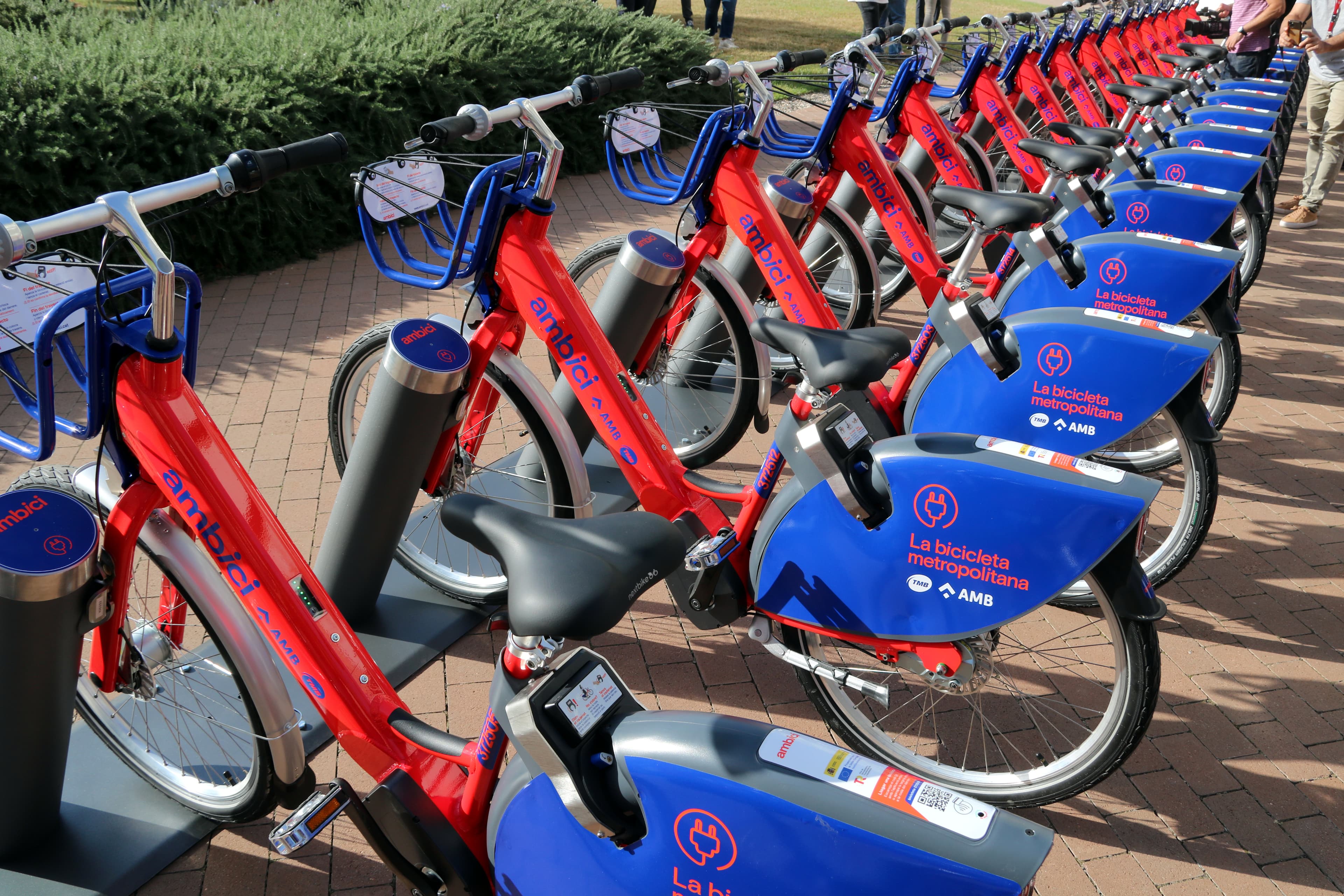
Over 6,000 bikes, electric models, and integration with Barcelona’s Superblocks and smart‑city IoT system.
Bicing — Barcelona Bike-Sharing
Barcelona, Spain
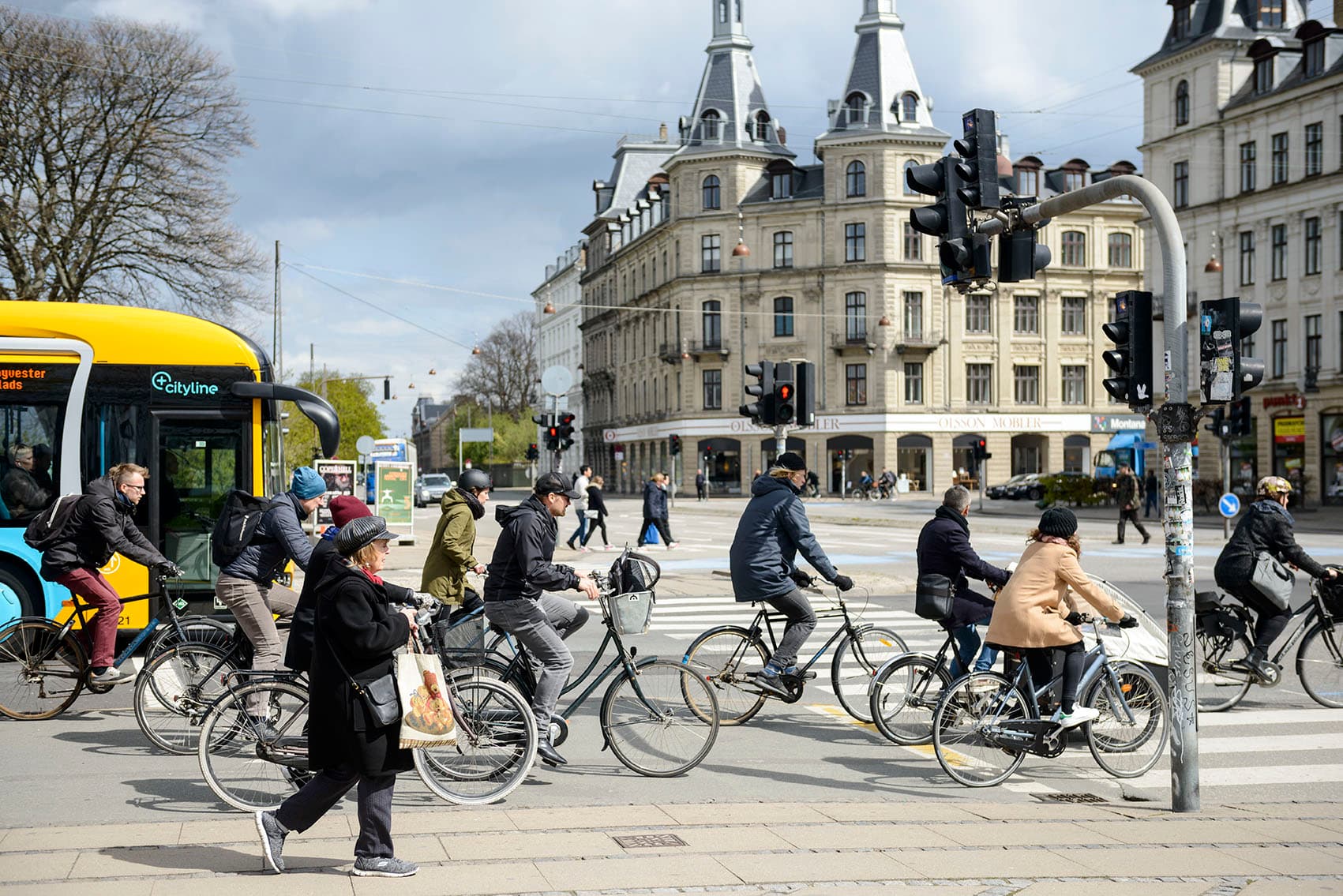
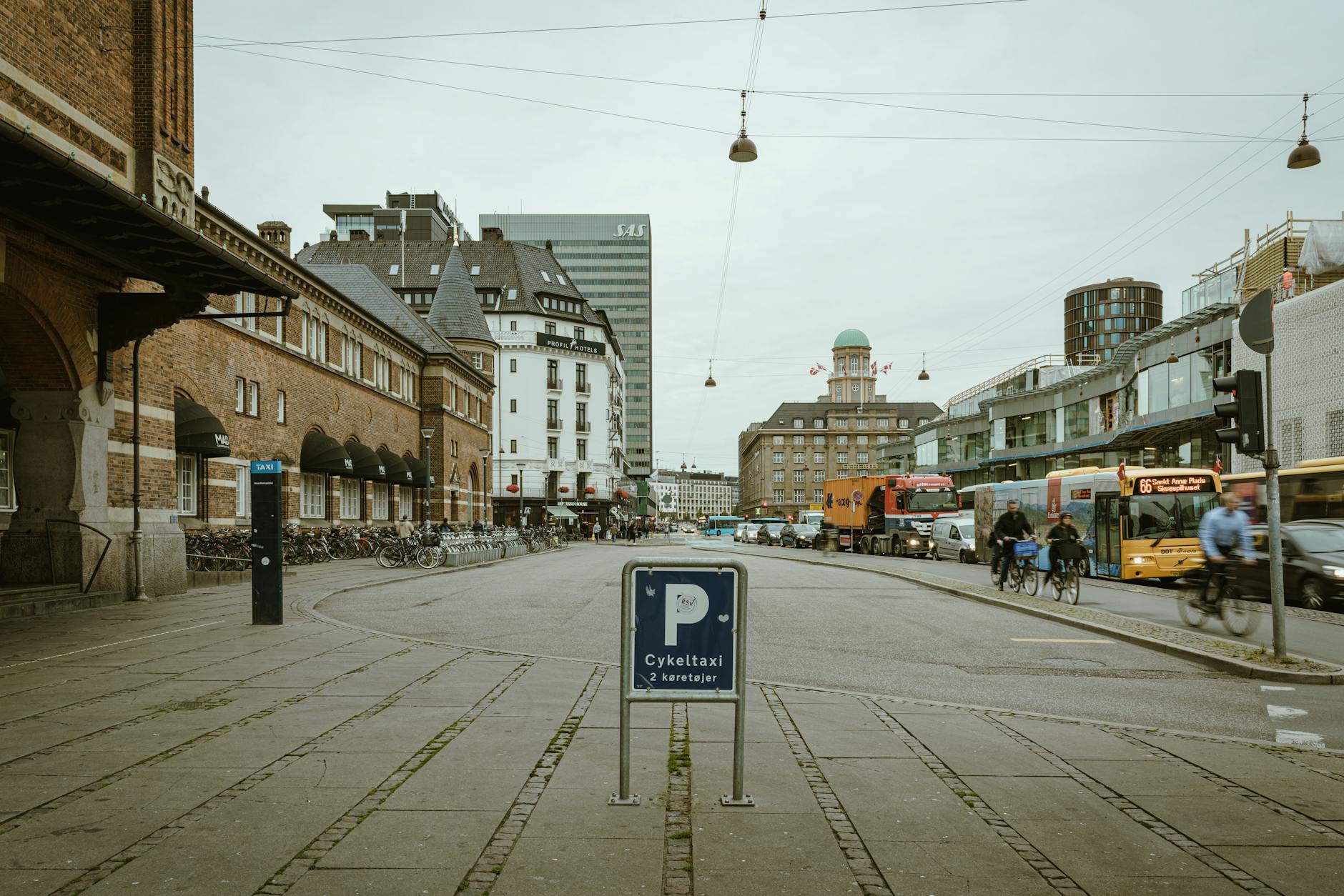
Smart signals turn green for cyclists, IoT counters track flow, snow‑clearing adapts to weather.
Cycle Super Highways Copenhagen
Copenhagen, Denmark
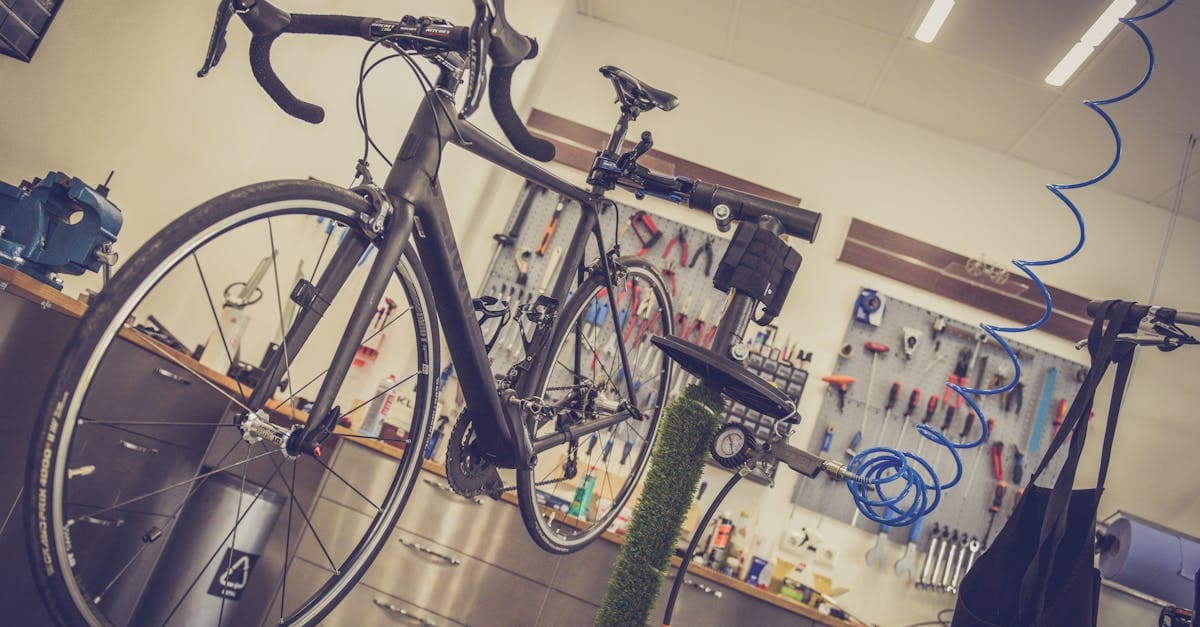
Berlin’s bike map blends official data, citizen reports, and a safety index for route planning.
FixMyBerlin — Cycling Infrastructure Platform
Berlin, Germany
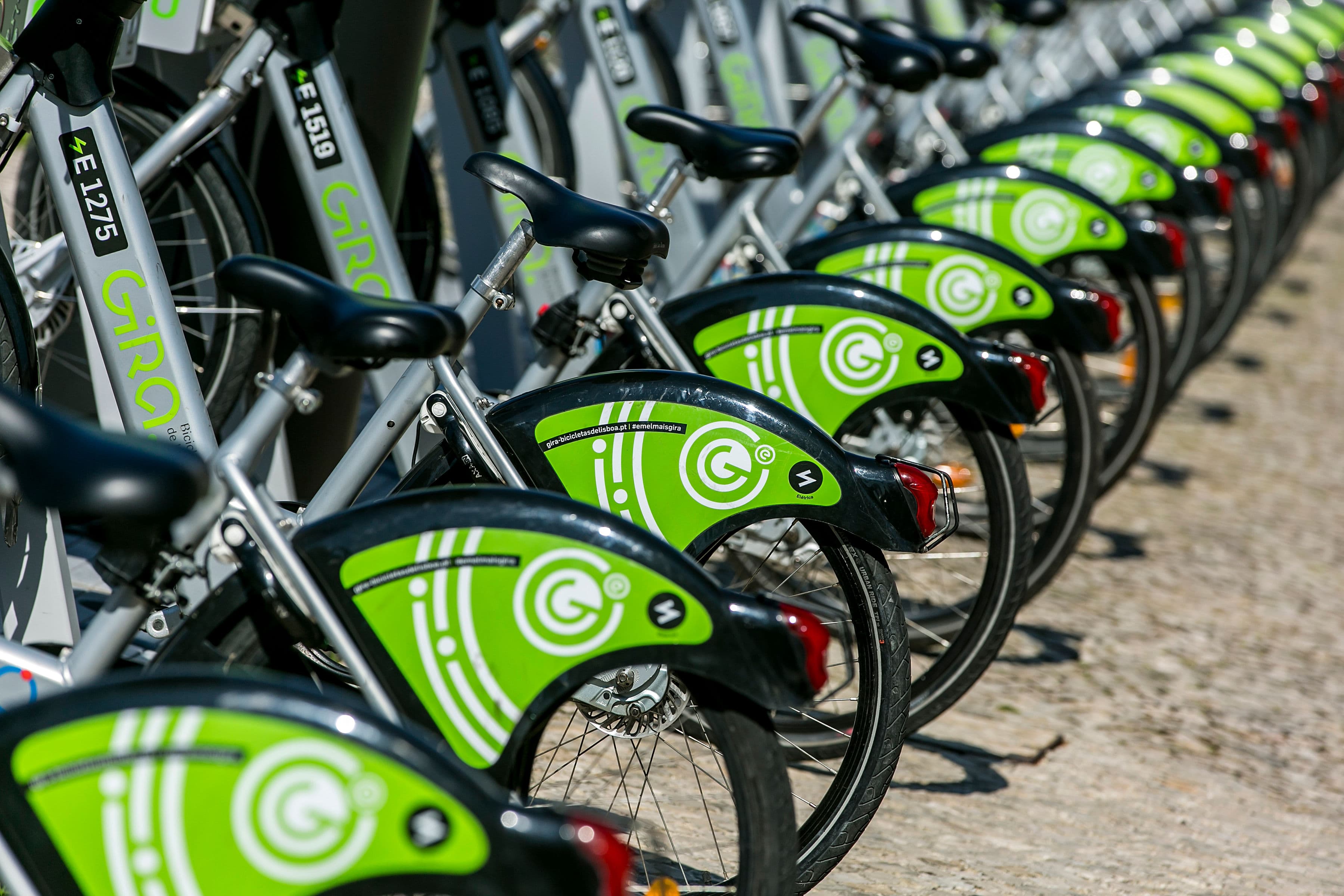
1,600 bikes—including 500 e‑bikes—use AI demand prediction and solar‑powered docks across Lisbon.
GIRA - bicicletas des Lisboa
Lisbon, Portugal

Local neighborhoods co‑design mobility, using real‑time data to cut car use and boost cycling.
INLOVE — Initiative lokale Verkehrswende
Berlin, Germany
Related Events
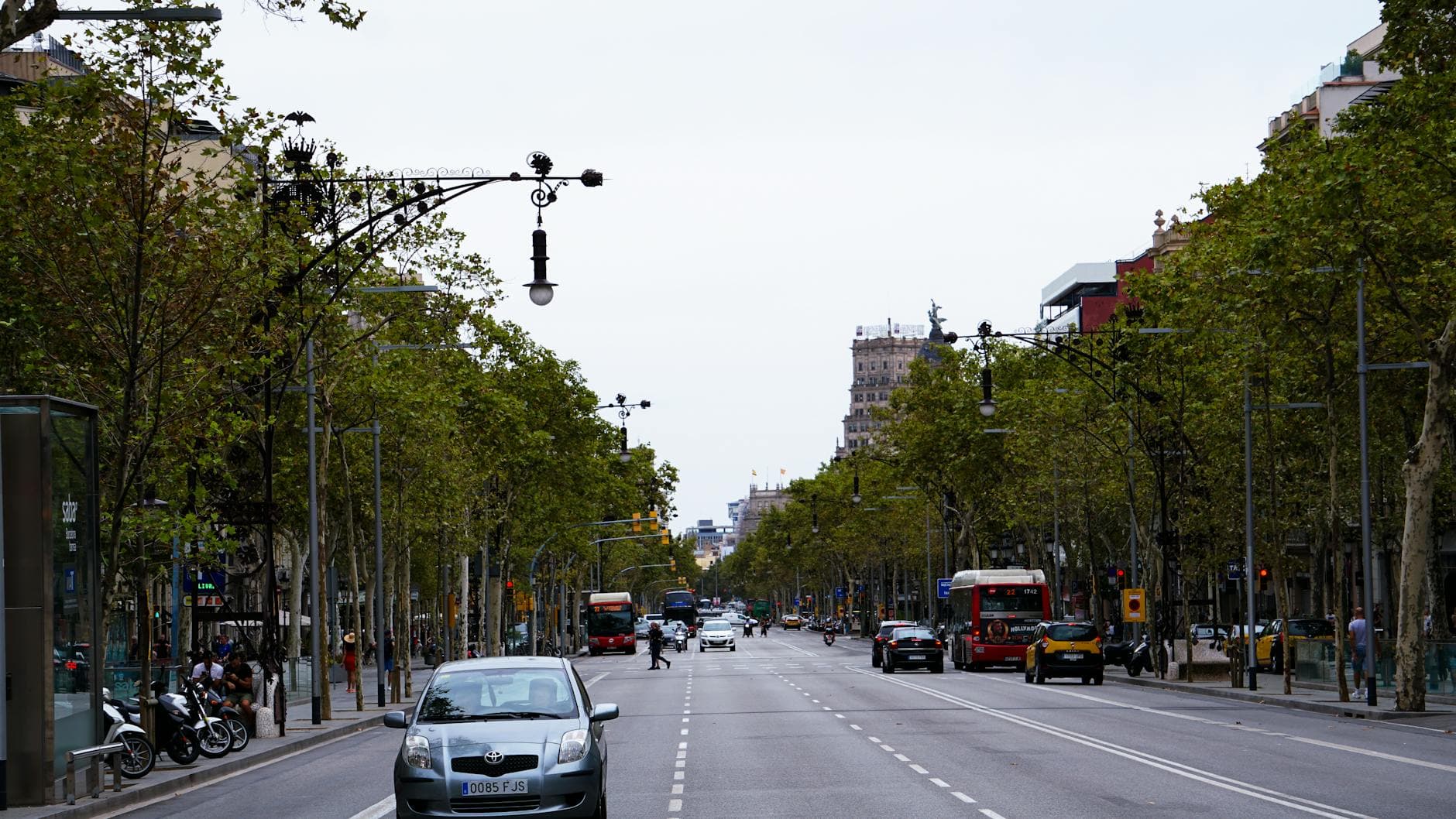
Urban planners, professionals, and citizens; promoting sustainable mobility and innovative transport solutions.
Barcelona Sustainable Mobility Week 2025
Barcelona, Spain

For urban mobility professionals and policymakers, promotes sustainable transport and city‑wide mobility transformation.
European Mobility Week 2025
Brussels, Belgium
Other topics in Mobility & Urban Logistics



Have resources to share?
Help grow our knowledge base by submitting research, case studies, or other resources related to active mobility & micromobility.
Submit a Resource