Loading...

Country
Netherlands
Population18M
Renting43%
Social/Public29%
Small Country, Deep Data: How the Dutch Build Smart Cities Below Sea Level
The Netherlands has always been an engineered country. A third of its territory lies below sea level, protected by a centuries-old infrastructure of dykes, polders, and pumping stations that represents one of humanity's longest-running exercises in collective water management. So when the Dutch turned their attention to smart cities, they brought something that technology alone cannot provide: a national instinct for managing complex systems collaboratively, and a blunt pragmatism about what works and what does not.
With 17.8 million people packed into one of Europe's most densely populated countries, the Netherlands punches well above its weight in urban innovation. Amsterdam consistently ranks among the world's top smart cities. Rotterdam is a European leader in climate resilience and digital twins. Eindhoven has become a global hub for design-driven technology. And across the country, a distinctive Dutch approach is taking shape — one that combines open innovation platforms, algorithmic accountability, circular economy thinking, and a commitment to civic rights that sets it apart from more techno-optimistic smart city models elsewhere.
"The Netherlands is a frontrunner in smart city innovation, with initiatives that prioritize citizens and urban livability, as well as a strong commitment to ethics and privacy," KickstartAI observed in an analysis of AI deployment across Dutch cities. That combination of ambition and restraint defines the Dutch approach.
Saying 'Nee' to the Black Box: How Government Governs Its Algorithms
The Netherlands' smart city governance operates at two levels. Nationally, the Netherlands Digitalisation Strategy (NDS), presented in July 2025 under the slogan "Accelerating together," aligns all layers of government — central, provincial, and municipal — around shared digital priorities including AI, cloud computing, cybersecurity, and digital sovereignty. In late 2025, the Association of Netherlands Municipalities (VNG) voted unanimously to address at least 80 per cent of digital transformation efforts jointly — a remarkable show of intergovernmental coordination.
The European Commission's 2025 Digital Decade Country Report confirms that the Netherlands has connectivity infrastructure "in good shape" and a clear national technology strategy covering semiconductors, AI, quantum, and cybersecurity — though it flags declining public investment in innovation as a risk.
But it is at the municipal level where the Netherlands has made its most distinctive contribution: algorithmic accountability. Amsterdam's Algorithm Register — one of the first of its kind globally — requires the city to publicly document every algorithm used in public decision-making, explaining what data it uses, how it works, and what safeguards are in place. The OECD has highlighted the register as a model for responsible AI governance.
This matters because the Netherlands has also learned hard lessons. The Dutch childcare benefits scandal (toeslagenaffaire), in which automated risk profiling devastated thousands of families, became one of Europe's most consequential cases of algorithmic harm. MIT Technology Review reported on how algorithmic systems used in welfare fraud detection had disproportionately targeted vulnerable communities, triggering a national reckoning. That painful experience catalysed the accountability frameworks now being built across Dutch municipalities.
The Gemeente Amsterdam - Smart City Team coordinates the capital's digital strategy, while Waag Futurelab — a foundation for art, science, and technology — provides an independent critical voice, advocating for technology in the interest of society and running public labs where citizens can interrogate how digital systems affect their lives.
Canals, Code, and Campuses: The Innovation Landscape
The Dutch smart city ecosystem forms a triangle. Amsterdam is the platform and policy leader. Rotterdam is the resilience and infrastructure innovator. Eindhoven is the hardware and design hub. Connecting them is one of Europe's densest networks of research institutions, applied universities, startups, and public-private partnerships.
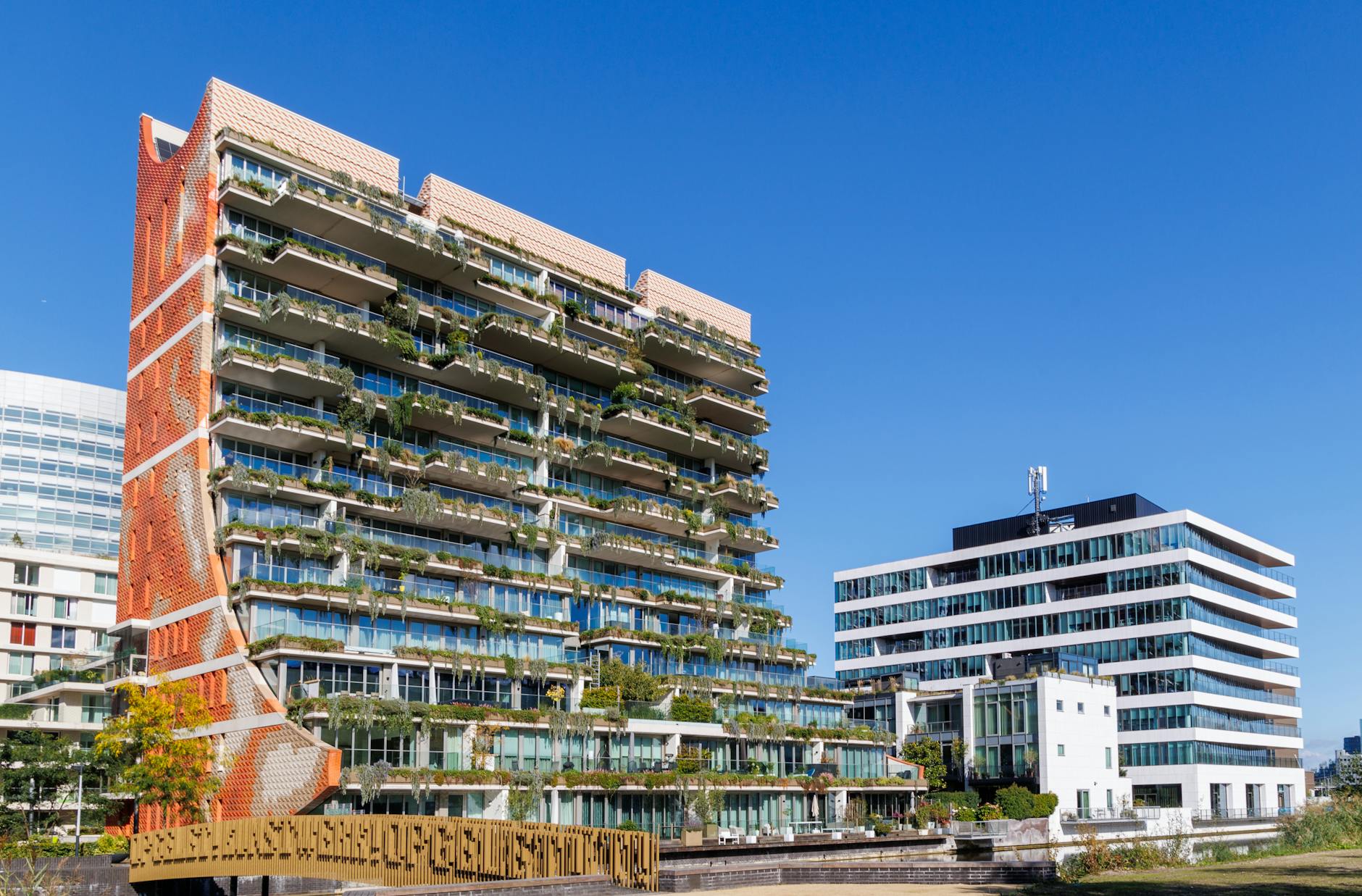
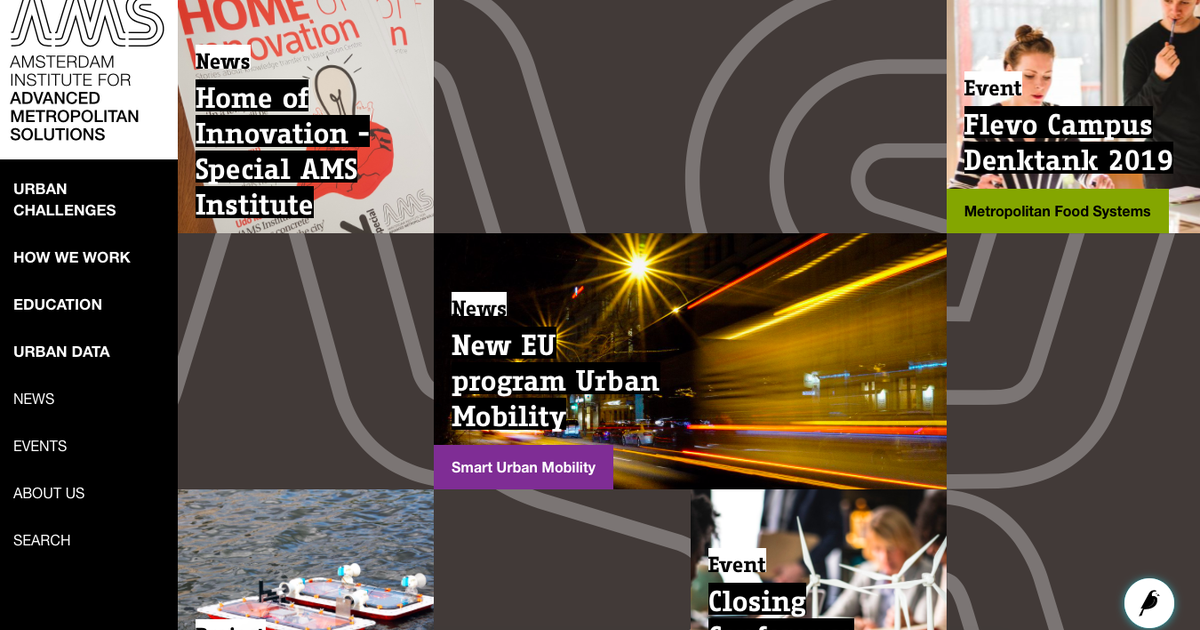
In Amsterdam, the Amsterdam Smart City Foundation — now rebranding as Amsterdam InChange — has operated since 2009 as one of Europe's oldest open innovation platforms, bringing together government, knowledge institutions, social organisations, and companies. The AMS Institute, a joint initiative of the City of Amsterdam, Delft University of Technology, Wageningen University, and MIT, conducts applied research on metropolitan challenges from circular construction to urban flooding. StartupAmsterdam connects the city's dense startup ecosystem — including deep-tech firms like Deeploy (responsible AI deployment), The Things Industries (LoRaWAN IoT networks), and Sensorfact (industrial energy monitoring) — with municipal innovation programmes.
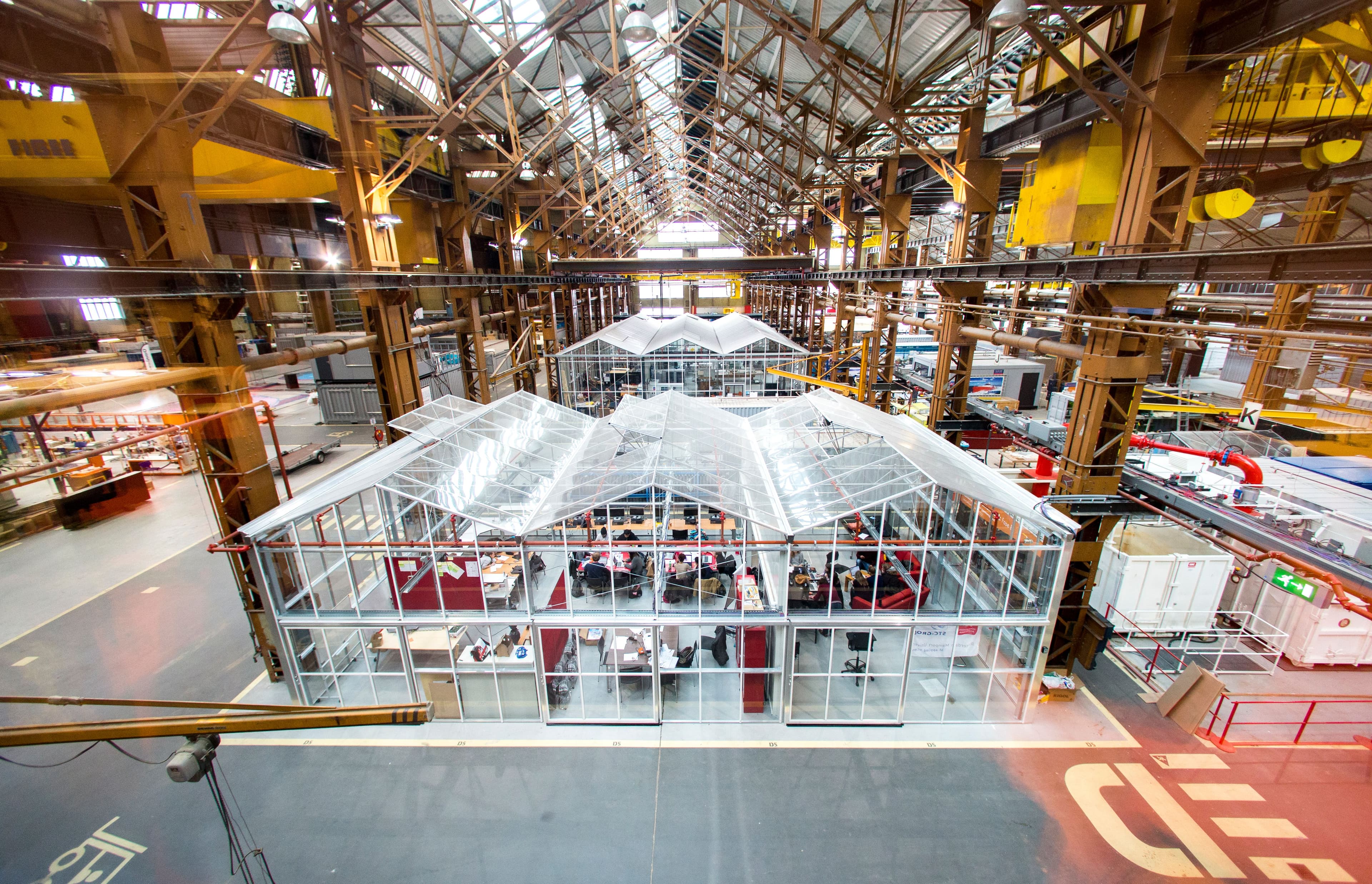
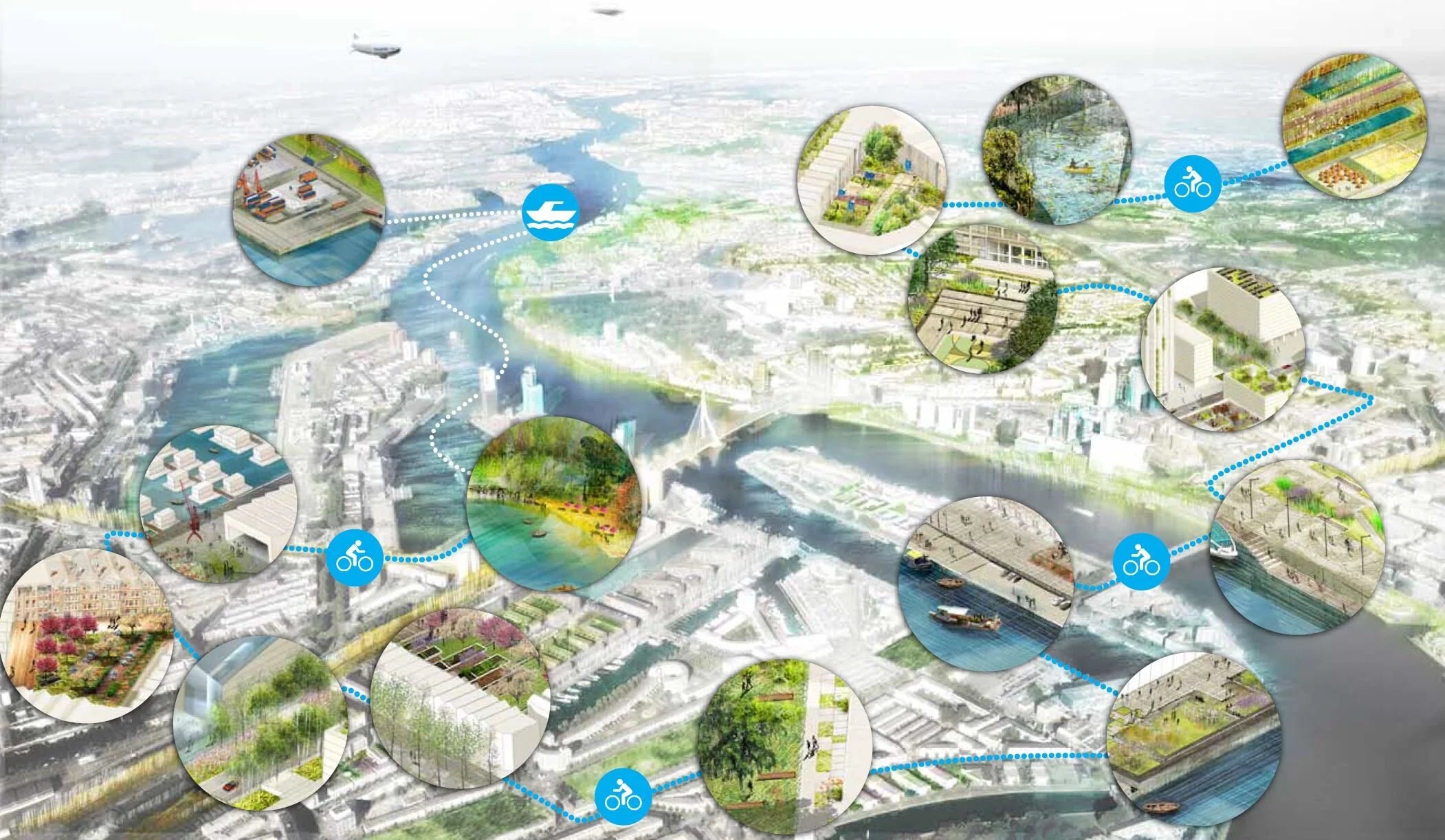
Rotterdam has built its smart city identity around climate resilience and port innovation. The city's Rotterdam Resilience Strategy, developed through the 100 Resilient Cities initiative, combines flood defences with IoT sensor networks, predictive modelling, and real-time monitoring across seven resilience goals. RDM Rotterdam — Research Design Manufacturing — Research, Design, Manufacturing — is an innovation campus on the former docklands where prototypes are tested at full scale. The Erasmus Centre for Urban, Port and Transport Economics provides the analytical backbone, while Rotterdam Partners markets the city's innovations internationally. Rotterdam also hosted the Urban Future Conference Rotterdam 2024 in 2024, one of Europe's largest gatherings of urban sustainability professionals.
Eindhoven — home of the Brainport region, Philips' historical R&D heartland, and a concentration of hardware startups and design-driven technology firms — complements Amsterdam's software focus with strengths in photonics, semiconductors, and physical-digital integration. Together, the three cities cover the full stack of smart city innovation.
The Rathenau Instituut, the Netherlands' independent advisory body on science and technology policy, has documented how the five largest Dutch cities pursue smart technology through three complementary aims: optimisation of city services, fostering innovation, and deepening public participation. This framework captures the pragmatic balance that characterises the Dutch approach.
Autonomous Boats, Circular Neighbourhoods, and Rooftop Intelligence
The Netherlands' lighthouse projects reflect the country's distinctive strengths: water, logistics, circular economy, and responsible data.
Roboat - Autonomous Boats Amsterdam, a collaboration between AMS Institute and MIT, is developing the world's first fleet of autonomous boats for Amsterdam's canals — designed not for tourist novelty but for practical urban logistics: waste collection, goods delivery, and temporary floating infrastructure. The project has become a global reference for autonomous maritime transport in urban waterways.
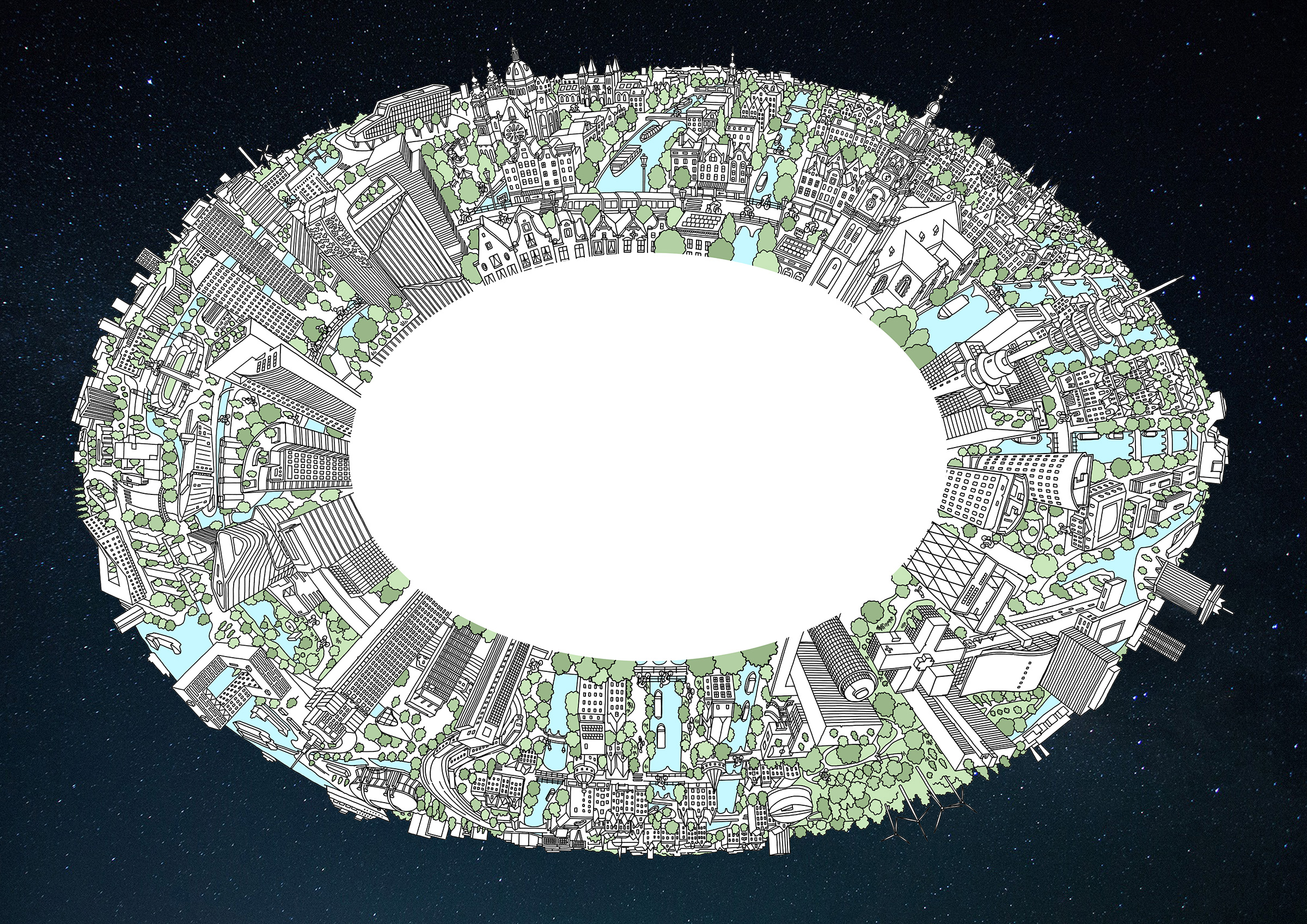
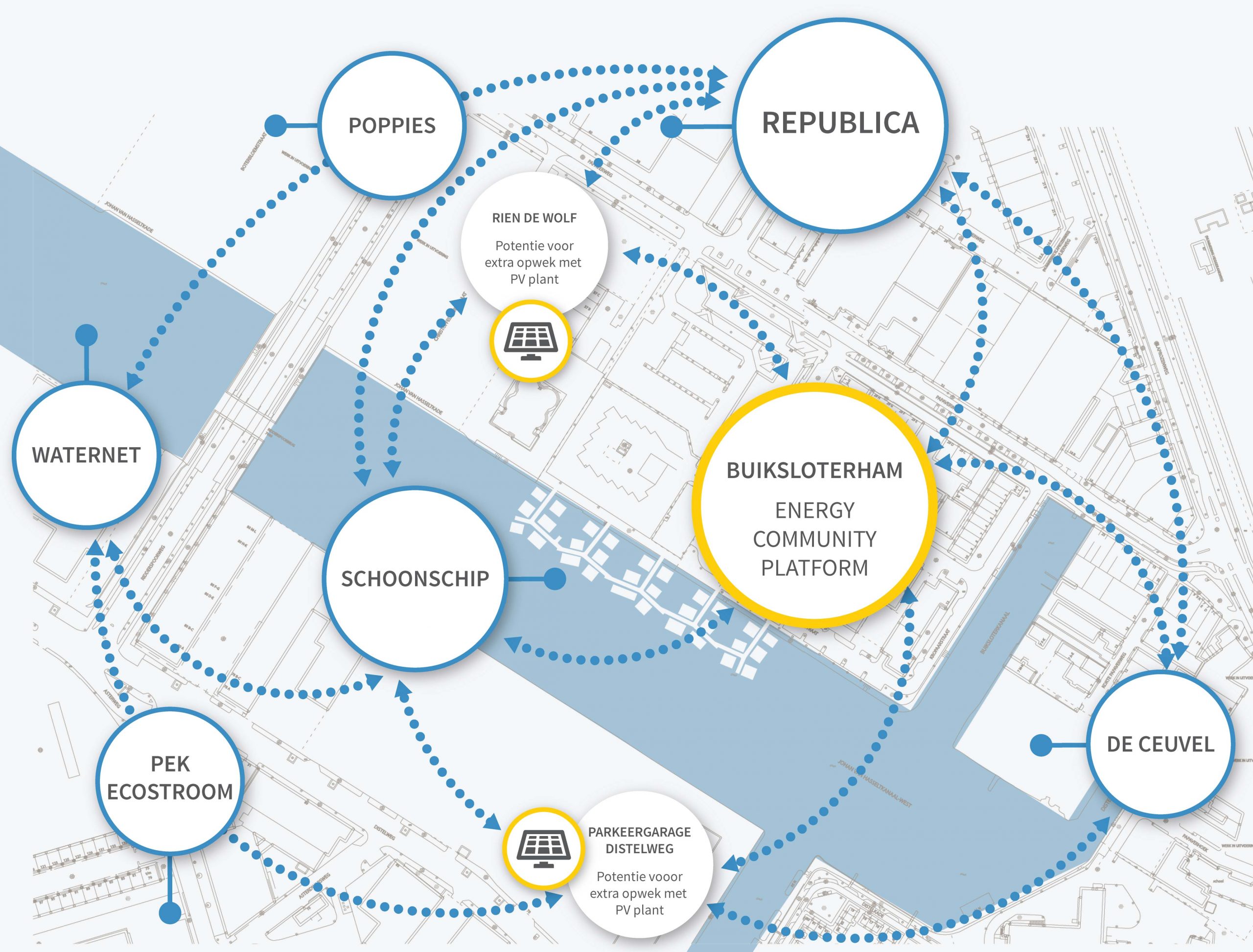
In Amsterdam-Noord, Circular Buiksloterham is transforming a former industrial area into a circular neighbourhood where buildings are designed for disassembly, waste streams become resources, and energy is generated and shared locally. The project draws on the Amsterdam City Doughnut (Circular Economy) — the city's adoption of economist Kate Raworth's doughnut economics model, making Amsterdam the first city worldwide to use it as a policy framework.
Amsterdam's Amsterdam IoT Living Lab and the broader Marineterrein testing ground provide physical space for experimenting with sensor networks, autonomous systems, and urban data platforms in a real city environment. The Smart Flow - Crowd Management Amsterdam uses real-time data to manage pedestrian flows in busy areas, while the Vehicle2Grid Amsterdam (Smart Energy) project explores how electric vehicles can feed energy back into the grid during peak demand.
Rotterdam's approach is more infrastructure-oriented. The city uses artificial intelligence to assess every rooftop's potential for solar panels, green roofs, or water retention — turning the fifth facade of buildings into a climate adaptation resource. Its Right to the Digital Twin City? Citizen Participation and Limits-by-Design in Rotterdam's Urban Digital Twin, documented in academic research, enables citizens to explore urban development scenarios and contribute to planning decisions. The Cities for Digital Rights Conference 2025 coalition, co-founded by Amsterdam, Barcelona, and New York, ensures that these deployments respect fundamental civic freedoms.
The Dutch also lead in smart mobility. The Smart Mobility Embassy describes the country as "a unique testing ground for Smart Mobility solutions," noting that "businesses, knowledge institutions and government are working on this together." With more bicycles than people — 23 million bikes for 17.8 million inhabitants — the Netherlands has physical infrastructure that most cities can only dream of, and is now layering digital intelligence on top: smart traffic lights that prioritise cyclists, real-time route guidance, and data-driven maintenance of cycling networks.
Gezellig and Digital: Where the Smart City Comes to Life
To experience the Dutch smart city, start where the Dutch start: on a bicycle. Ride through Amsterdam-Noord to see Circular Buiksloterham taking shape. Cross to the Marineterrein, where autonomous boats glide through canals alongside historic houseboats. In Rotterdam, walk across the Erasmusbrug to the rooftop gardens of the Dakakker — Europe's largest open-air rooftop farm — and look out over a city that treats every surface as an opportunity for climate adaptation. In Eindhoven, visit Strijp-S, the former Philips factory district turned creative technology campus, where light installations and sensor networks share space with design studios and street food markets.
What connects these experiences is gezelligheid — that untranslatable Dutch quality of warmth, togetherness, and convivial atmosphere that the Dutch consider essential to a good life. When the Algorithm Register publishes how a parking enforcement algorithm works, or when Waag Futurelab invites citizens to disassemble a smart device, they are expressing something fundamentally Dutch: a belief that transparency is not a burden on innovation but a precondition for trust. The Netherlands builds smart cities the way it has always built its country — collectively, pragmatically, and with a keen eye on where the water is rising.
References21 resources13 external
Resources
Organisation
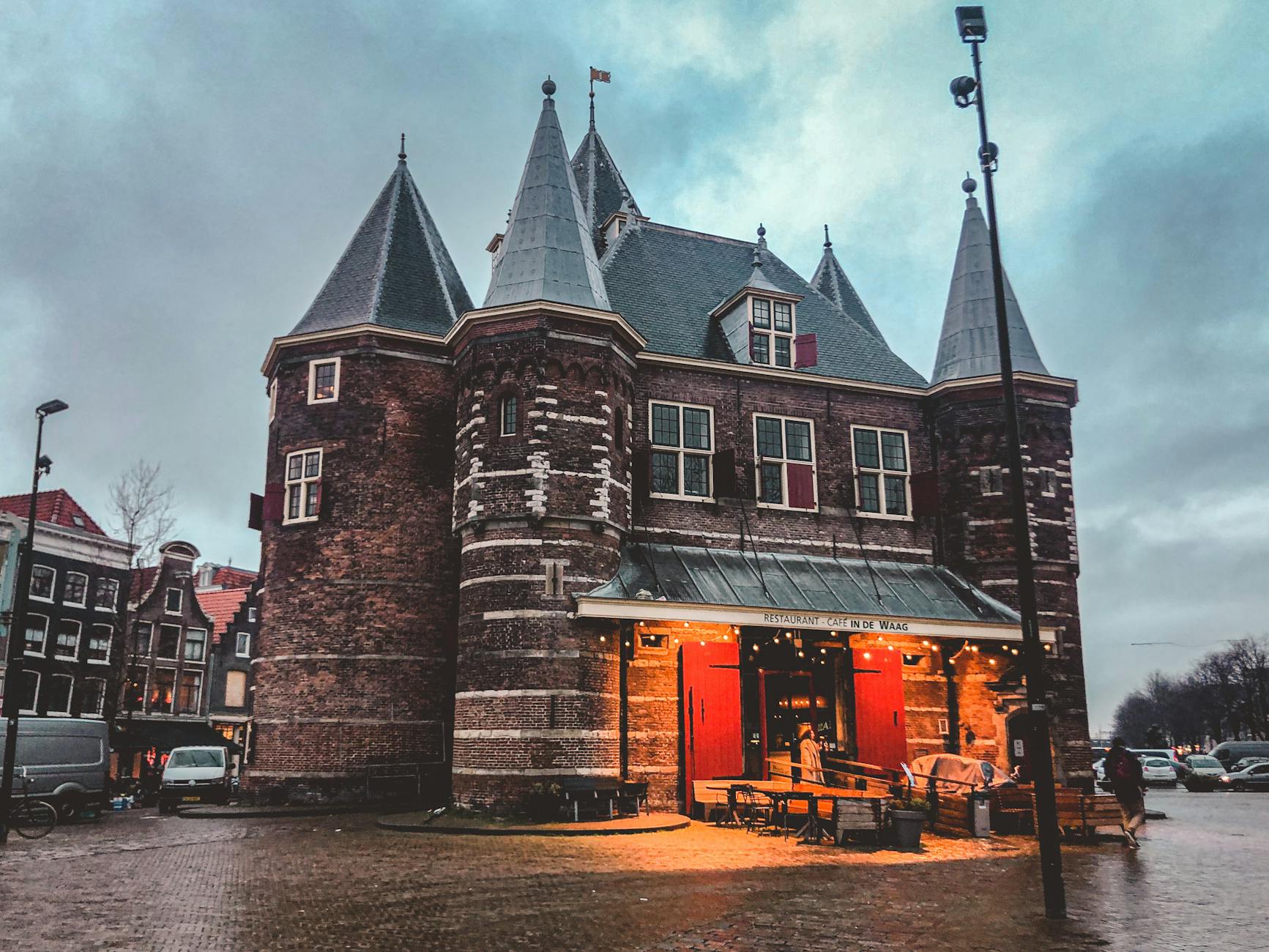
Waag Futurelab
Researches ethical civic tech, open‑source digital infrastructure, and inclusive smart cities solutions.
Organisation
Erasmus Centre for Urban, Port and Transport Economics
Conducts economic research on urban systems, ports, and transport to guide policy.
Project
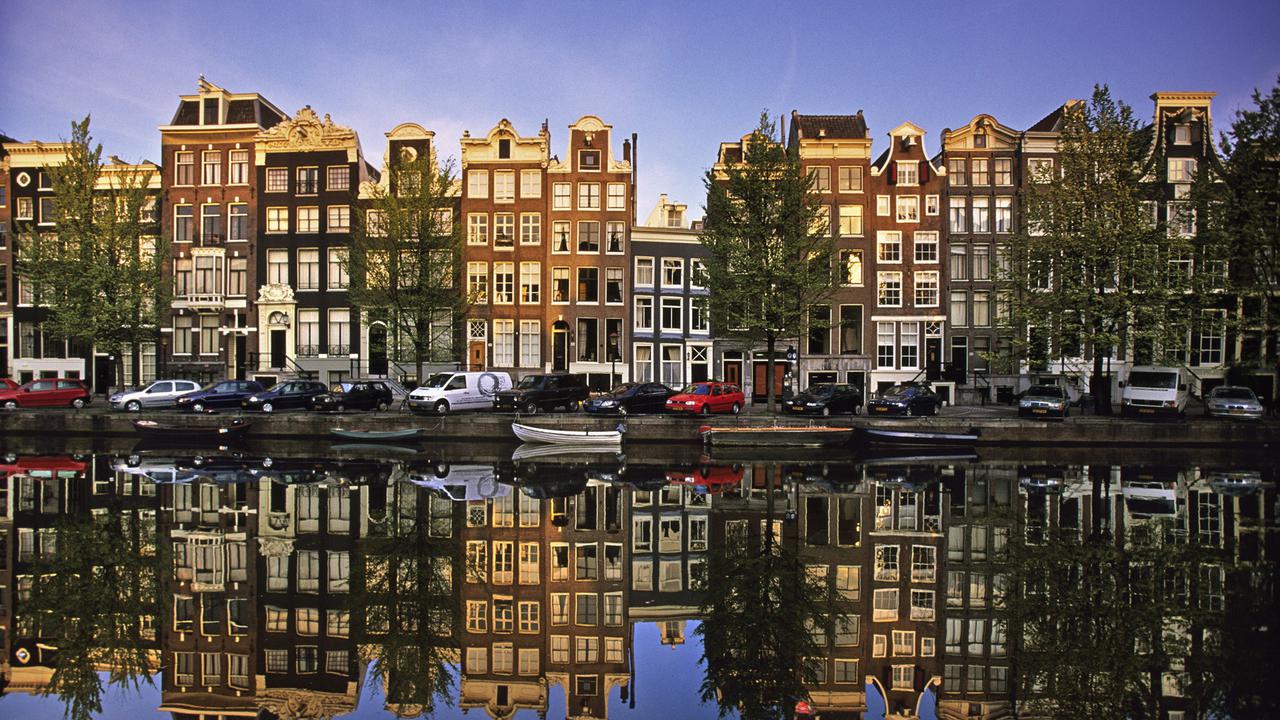
Amsterdam IoT Living Lab
12,000 IoT devices monitor air, noise, traffic, canals, and bridge health city‑wide.

Event
Cities for Digital Rights Conference 2025
City leaders, technologists, and civil society discuss ethical smart‑city technology and digital rights.
Knowledge
Amsterdam City Doughnut (Circular Economy)
Amsterdam’s doughnut blends circular construction, food reform, and global equity, pioneering data‑driven sustainability metrics.
Organisation
Amsterdam Smart City Foundation
Facilitates smart‑city solutions across energy, mobility, circular economy, digital infrastructure, governance.
Organisation
RDM Rotterdam — Research Design Manufacturing
A sustainable innovation campus transforming historic shipyard into research, education, and urban solutions.
Organisation
AMS Institute
Creates scalable urban solutions with data, AI, interdisciplinary research for resilient cities.

Project
Vehicle2Grid Amsterdam (Smart Energy)
EVs feed energy back, cutting fossil reliance and earning owners savings through grid‑balancing trades.

Organisation
Deeploy
Enables transparent, auditable AI deployment for smart city applications across Europe public sector.

Organisation
The Things Industries
Provides scalable LoRaWAN network infrastructure for global smart city IoT deployments solutions.
Project
Rotterdam Resilience Strategy
Seven resilience goals, water plazas, IoT sensors, and underground storage transform Rotterdam’s flood defenses.
Project
Circular Buiksloterham
Circular Buiksloterham turns industrial ruins into a self‑sustaining neighborhood with on‑site water recycling and modular buildings.
Project
Roboat - Autonomous Boats Amsterdam
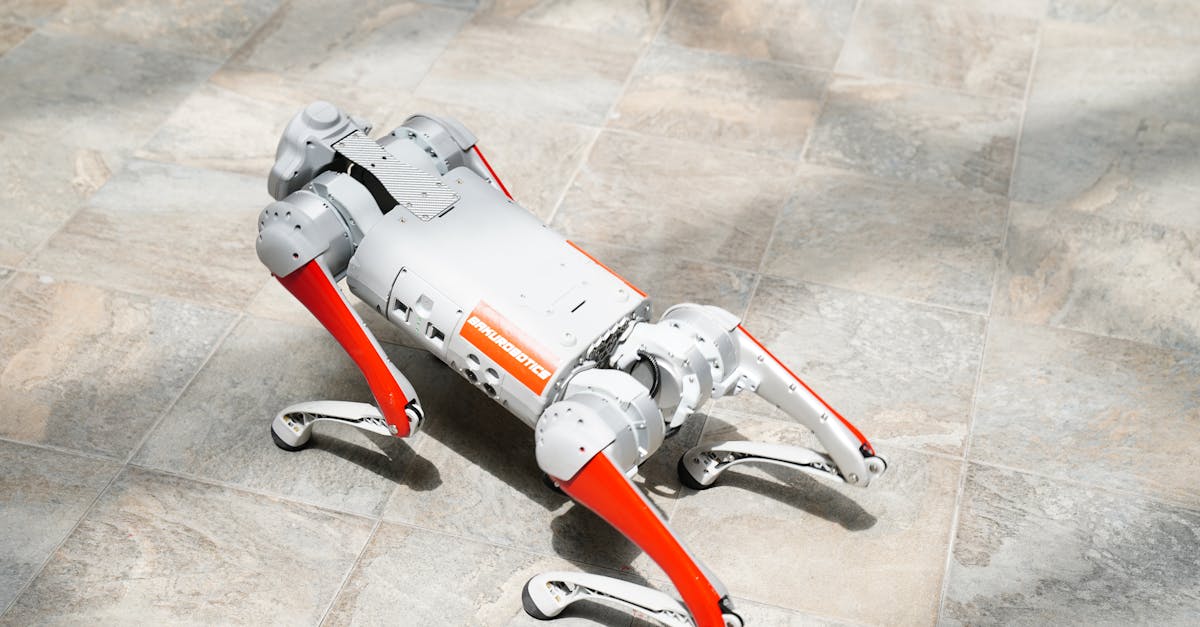
Autonomous boats transport goods, collect waste, and monitor water quality across Amsterdam’s canals.
Knowledge
Right to the Digital Twin City? Citizen Participation and Limits-by-Design in Rotterdam's Urban Digital Twin
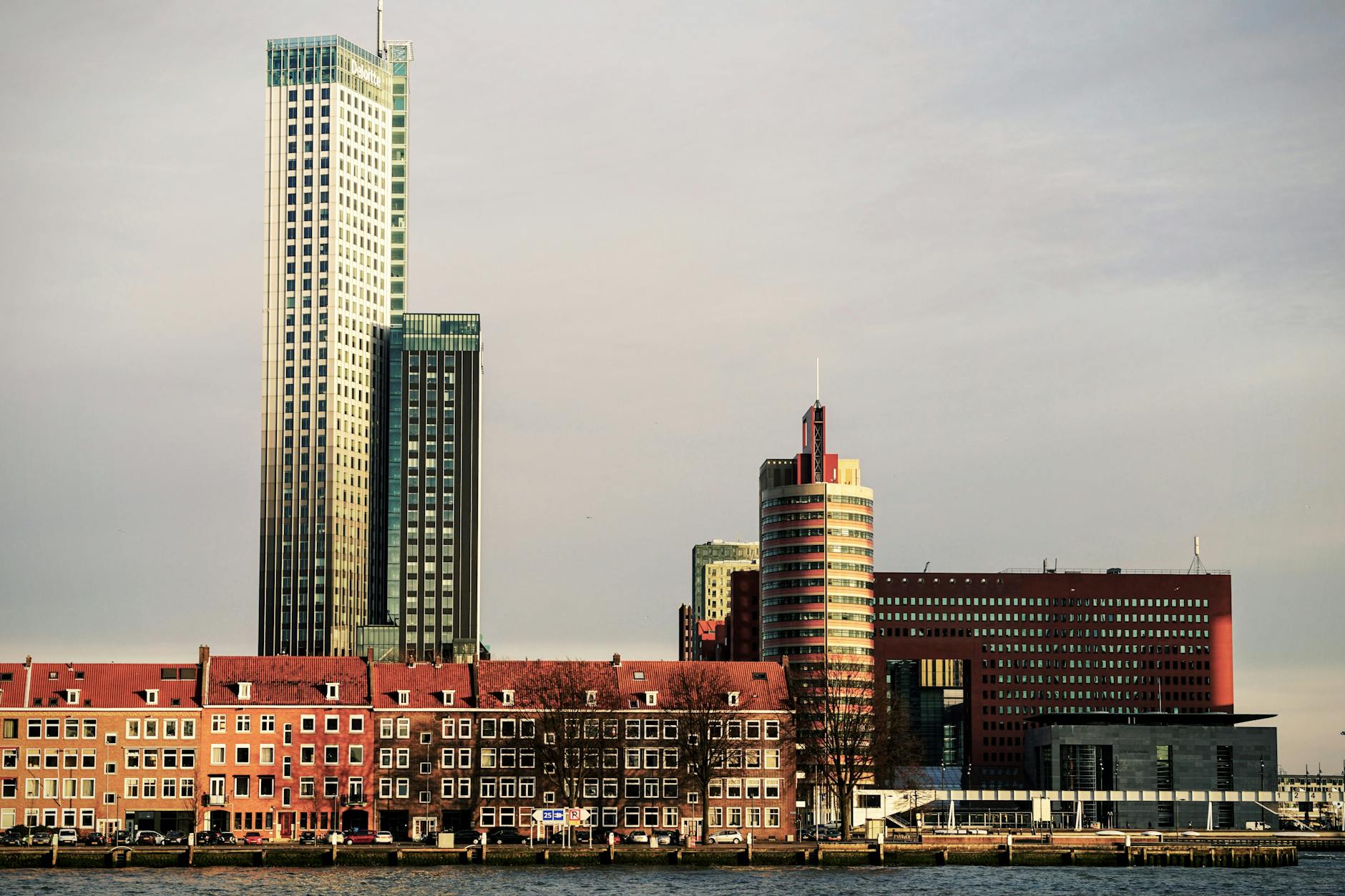
Explore how Rotterdam's digital twin embeds citizen input and hidden design limits shaping urban decision‑making.

Organisation
StartupAmsterdam
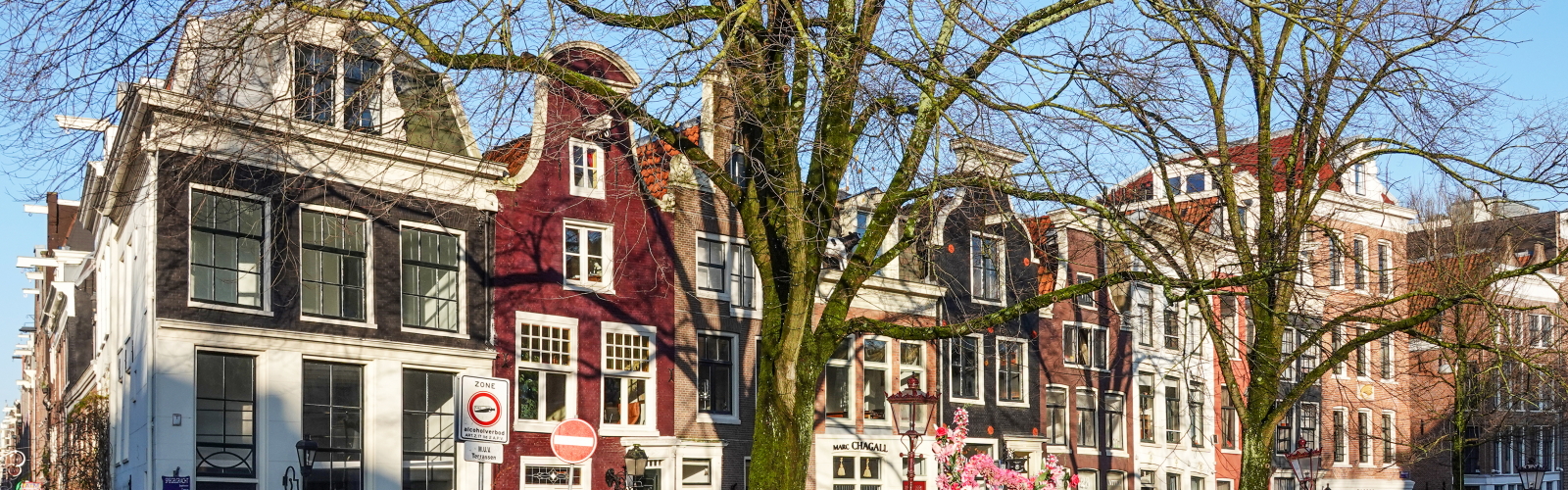
Supports Amsterdam startups with resources, mentorship, events, and international promotion.
Organisation
Gemeente Amsterdam - Smart City Team
Coordinates ethical digital transformation, open data, digital twins, and citizen‑centric innovation program.
Organisation
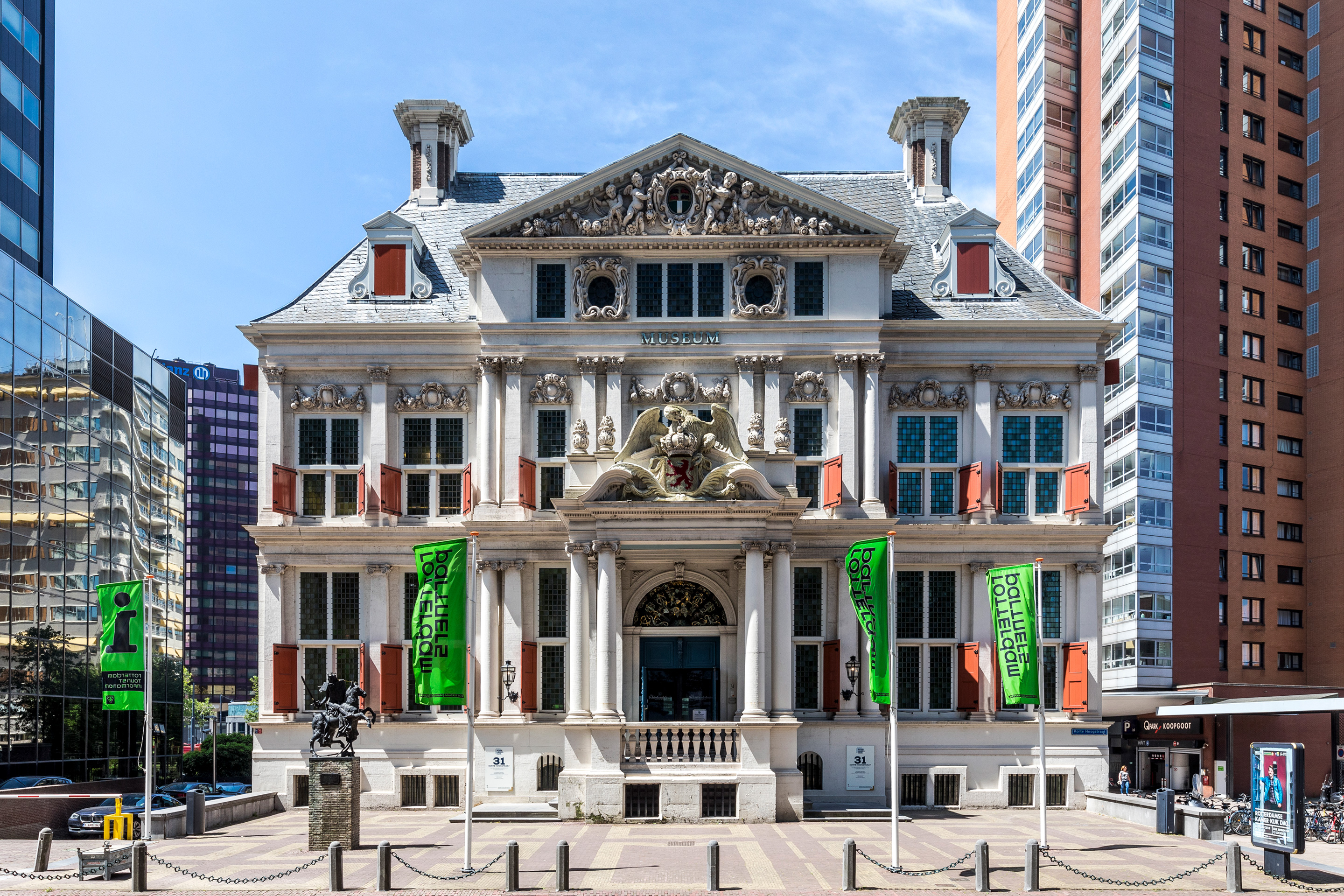
Rotterdam Partners
Drives Rotterdam's economic growth, innovation, and tourism through international partnerships and branding.

Project
Smart Flow - Crowd Management Amsterdam
Live IoT sensors cut circling traffic, lower emissions, and guide drivers to free spots.
Organisation
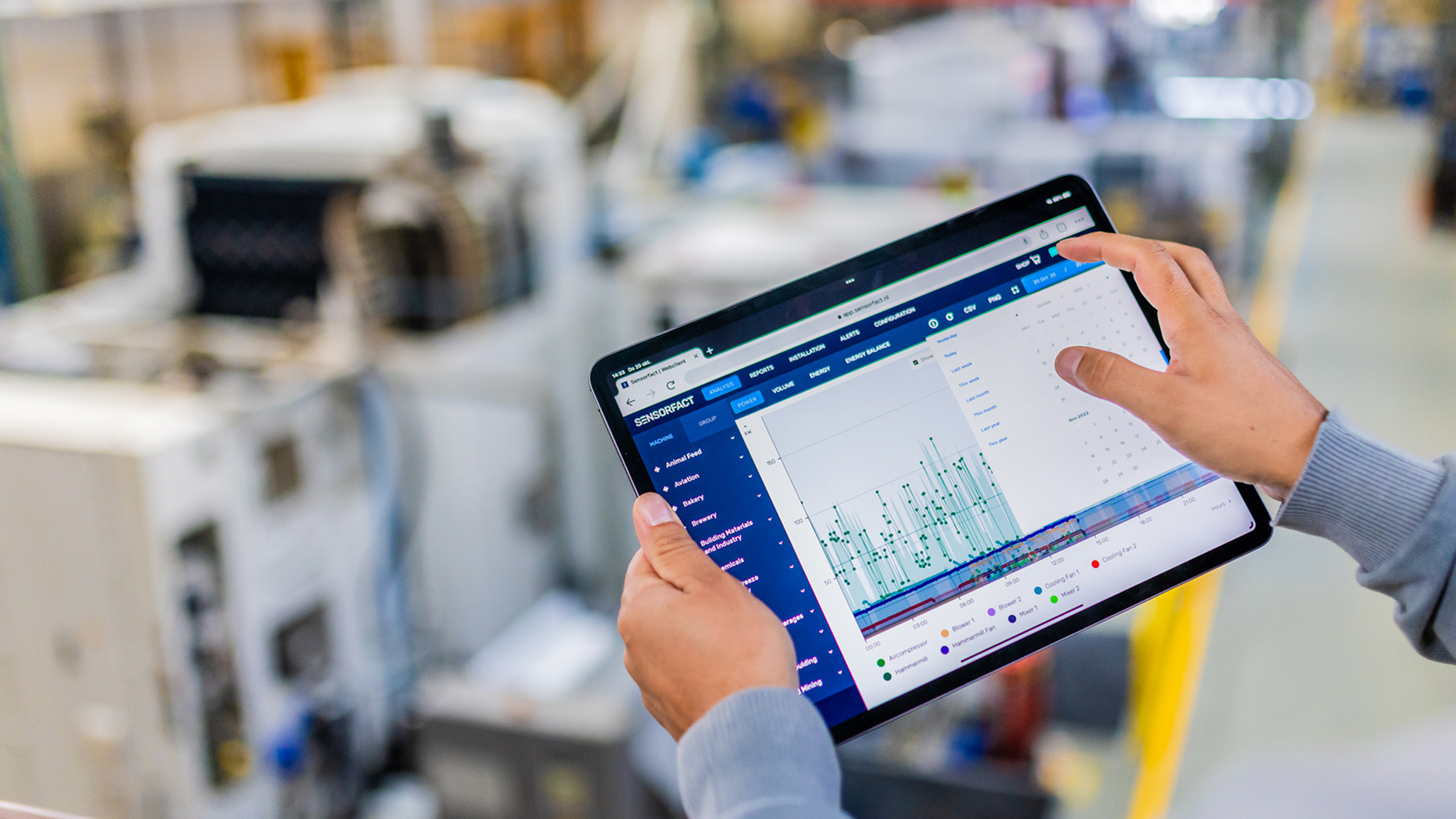
Sensorfact
Plug‑and‑play IoT sensors with AI analytics enable real‑time energy reduction for buildings.
Event
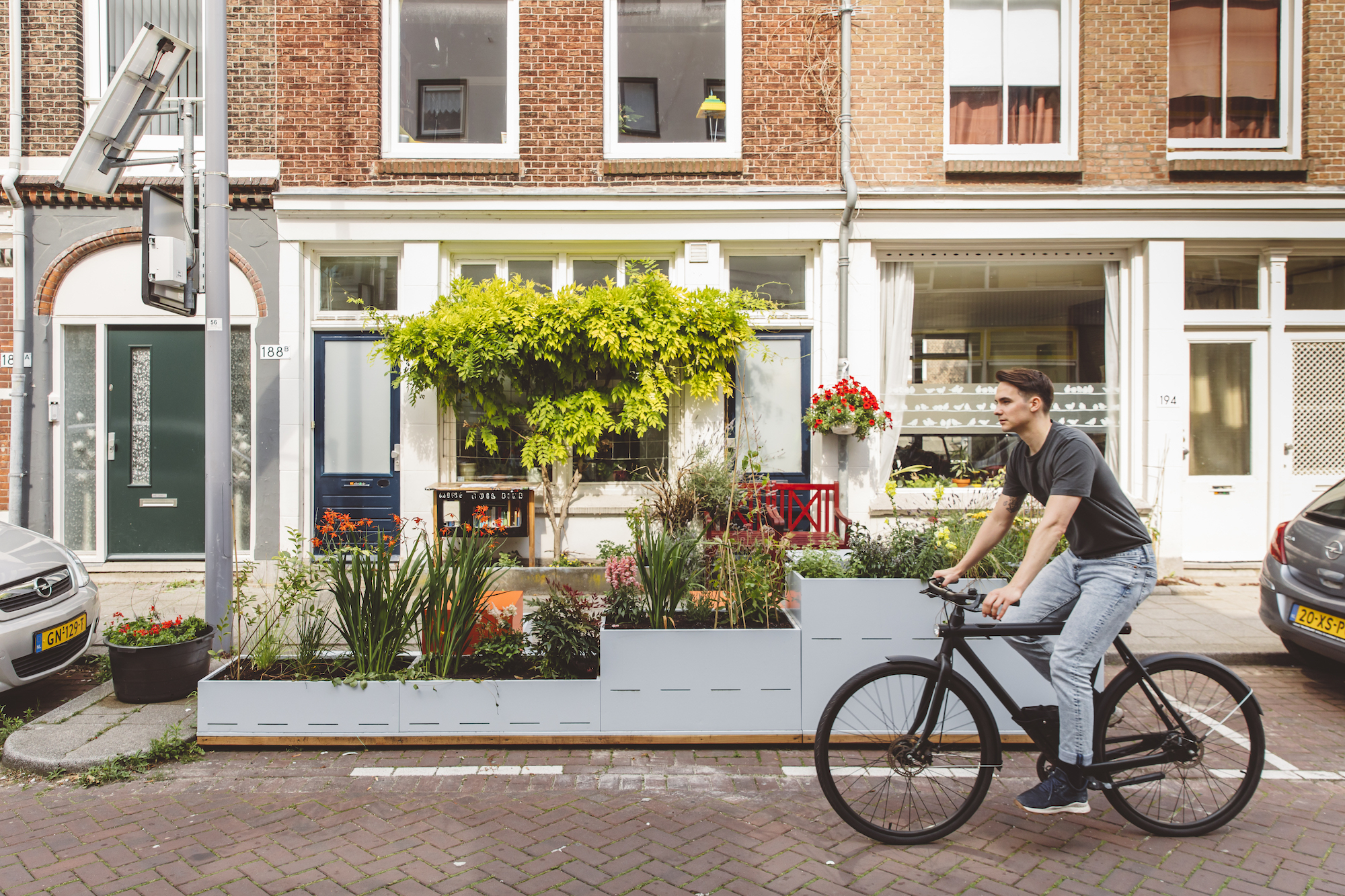
Urban Future Conference Rotterdam 2024
Urban leaders and professionals gathering to explore sustainable city development and innovative solutions.
External Sources
Amsterdam InChange (formerly Amsterdam Smart City)amsterdamsmartcity.comAlgorithm Register Amsterdamalgoritmeregister.amsterdam.nlInnovating the Netherlands: How AI Is Shaping Dutch Smart Citieskickstart.aiNetherlands Digitalisation Strategynldigitalgovernment.nlDutch Municipalities Jointly Address Digital Challengesnldigitalgovernment.nlWelfare AI in the Netherlandstechnologyreview.comData-Driven Cities in the Netherlandsrathenau.nlThe Netherlands as Smart Mobility Testing Groundsmartmobilityembassy.nlRotterdam Smart Cityrotterdaminnovationcity.comThe Netherlands 2025 Digital Decade Country Reportdigital-strategy.ec.europa.euNetherlands Smart Cities Strategytrade.govTrade.govtrade.govCities Coalition for Digital Rights — 2026 work programmecitiesfordigitalrights.org