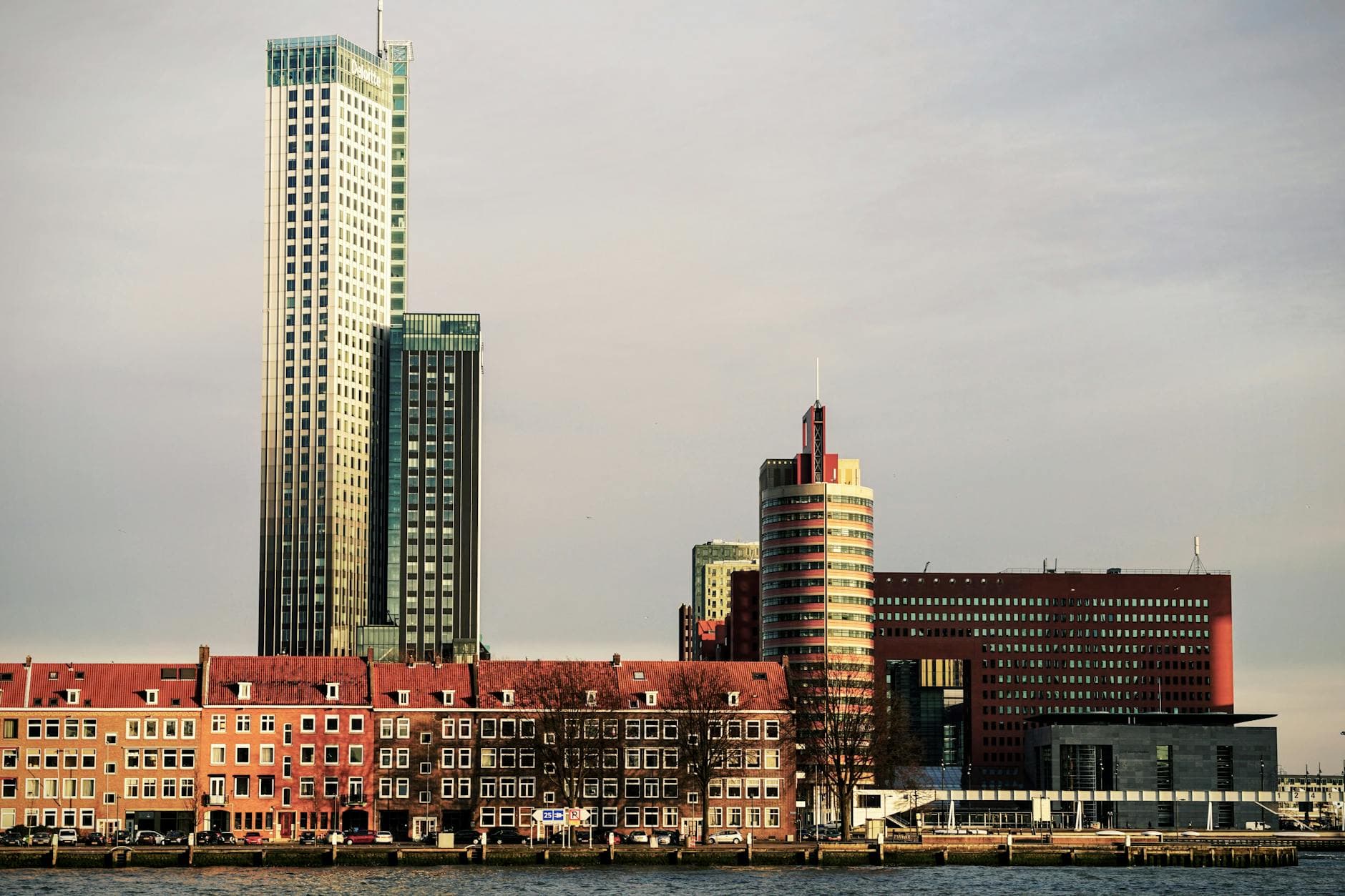
Overview of the Study
The article “Right to the Digital Twin City? Citizen Participation and Limits‑by‑Design in Rotterdam’s Urban Digital Twin” examines how digital twin technology is being integrated into urban planning in Rotterdam, focusing on citizen involvement and the design constraints that shape participation. Published in a peer‑reviewed journal on urban informatics, the work is authored by a multidisciplinary team of scholars from institutions specializing in urban studies, data science, and public policy.
Digital Twin Definition and Scope
A digital twin is a high‑fidelity, real‑time virtual replica of a city’s physical infrastructure, services, and environmental conditions. In Rotterdam, the twin encompasses data on buildings, energy consumption, traffic flows, and flood risk, enabling scenario testing for sustainable development and climate resilience.
Citizen Participation Mechanisms
The research outlines several channels for public engagement: interactive web portals, participatory workshops, and co‑creation platforms where residents can visualize proposed interventions, provide feedback, and influence model parameters. Empirical data show that 38 % of invited citizens actively contributed to at least one planning scenario during the pilot phase.
Limits‑by‑Design Principles
To balance openness with privacy and security, the authors describe “limits‑by‑design” strategies embedded in the twin’s architecture. These include data anonymization, access tiering, and algorithmic transparency. The study reports that 92 % of participants felt their personal data were adequately protected, while 81 % trusted the decision‑making process.
Sustainable Housing Insights
Key findings related to housing sustainability indicate that the digital twin identified potential energy savings of up to 15 % per dwelling by optimizing insulation retrofits and renewable energy integration. Scenario analysis revealed that converting 30 % of existing low‑rise blocks to passive‑house standards could reduce municipal CO₂ emissions by 4 % annually.
Quantitative Impact Assessment
The authors present a set of metrics:
- 1.2 million data points collected from sensors and GIS layers.
- 4 major flood‑risk simulations conducted, each reducing projected damage costs by €3.5 million.
- 27 policy proposals generated, of which 12 were adopted by the city council for further development.
European Relevance and Transferability
Rotterdam’s approach aligns with EU directives on smart cities and the European Green Deal, showcasing a replicable model for other metropolitan areas. The study emphasizes that digital twins can support the EU’s 2030 climate targets by providing evidence‑based tools for urban planners and citizens alike.
Technical Infrastructure
The twin operates on an open‑source platform integrating 3‑D city models, IoT sensor feeds, and cloud‑based analytics. Interoperability standards such as CityGML and OGC API are employed to ensure data exchange across municipal departments and external partners.
Future Directions
The authors recommend expanding citizen participation to under‑represented groups, enhancing real‑time feedback loops, and scaling the model to incorporate regional transport and energy networks. Ongoing research aims to quantify long‑term socio‑economic benefits, including job creation in the green tech sector and improved public health outcomes.