Loading...
City
Warsaw
Country🇵🇱 Poland
The Capital That Keeps Rebuilding Itself
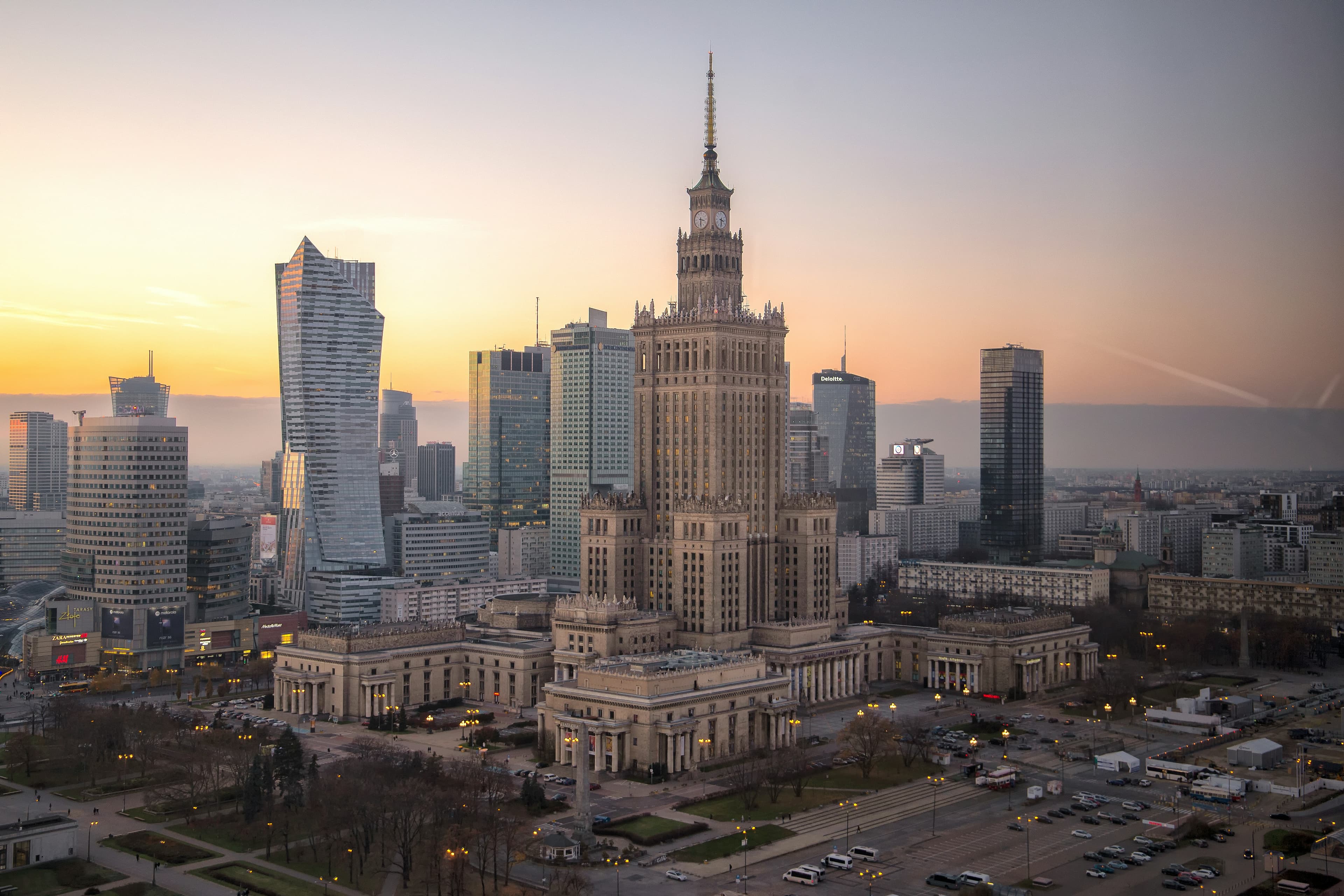
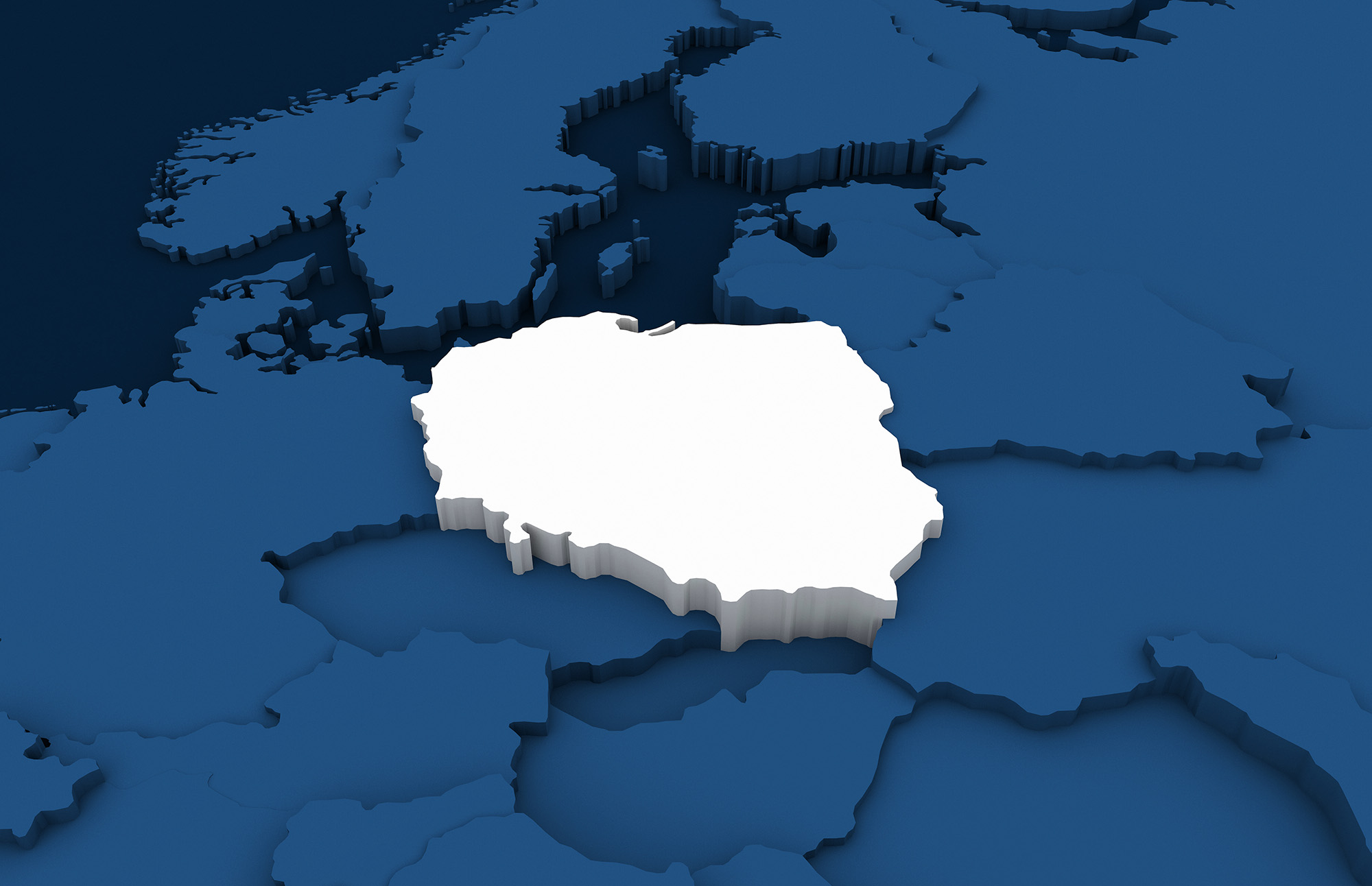
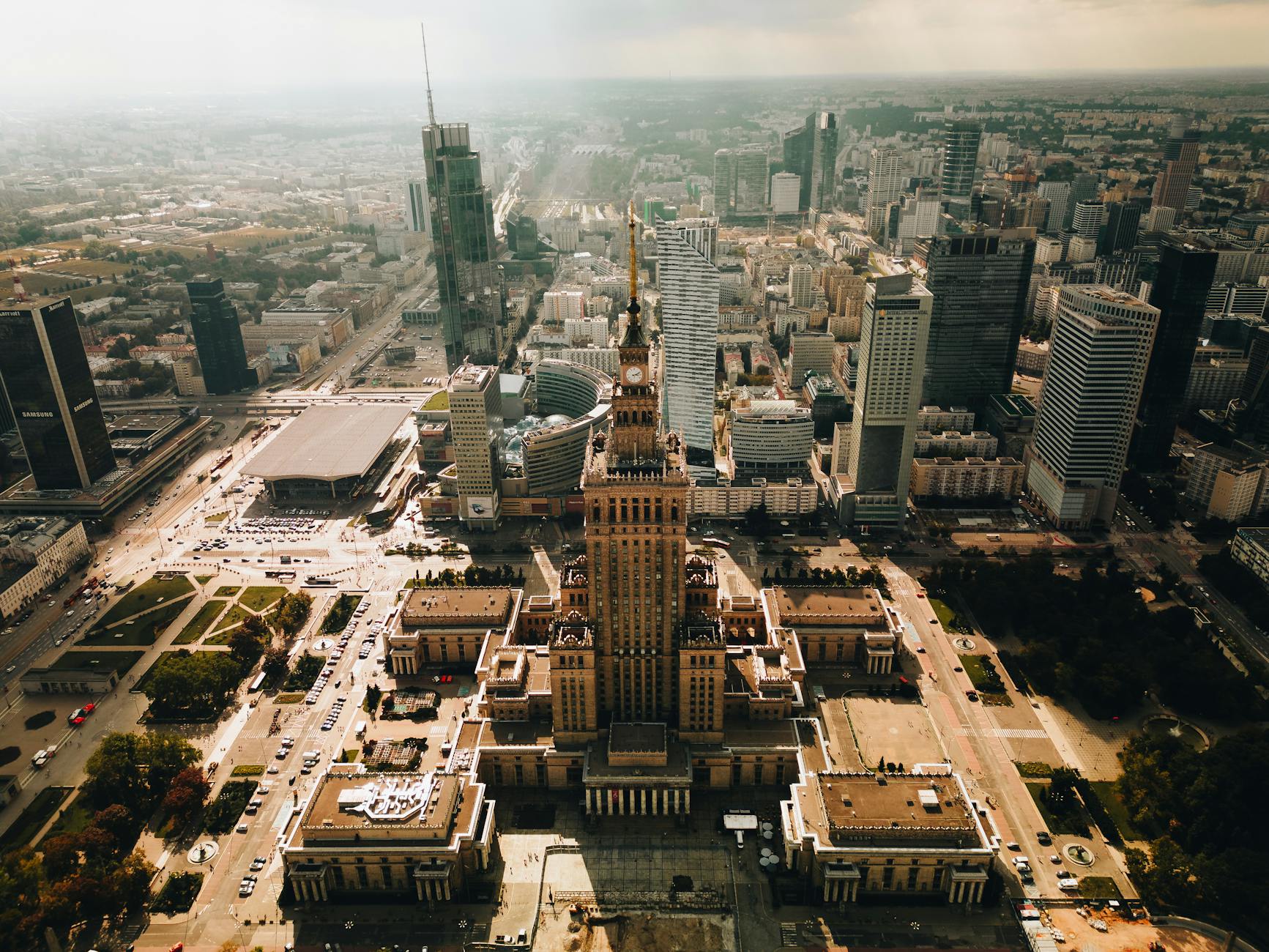
Warsaw has reinvented itself before. The city that was 85 per cent destroyed in the Second World War and rebuilt brick by painstaking brick — its Old Town now a UNESCO World Heritage Site — is once again in the middle of a transformation, this time driven by data, sensors, and code rather than masonry. With nearly 1.9 million inhabitants and a metropolitan area exceeding three million, Poland's capital has quietly become one of Central Europe's most dynamic technology cities, attracting international IT firms, cultivating a growing start-up ecosystem, and pushing municipal services into the digital age.
The catalyst is partly economic. Poland's GDP growth has consistently outpaced the EU average, and Warsaw sits at the centre of that momentum, hosting the headquarters of most major Polish tech firms and the European operations of global players from Google to Samsung. But the catalyst is also political: a generation of city leaders who see digital governance not as a luxury but as the fastest route to making a sprawling, rapidly growing capital feel manageable. Warsaw's smart city portal lists dozens of active projects spanning transport, energy, air quality, and citizen engagement — a breadth that reflects both ambition and the sheer scale of urban challenges the city faces.
GovTech, Open Data, and the Politics of Modernisation
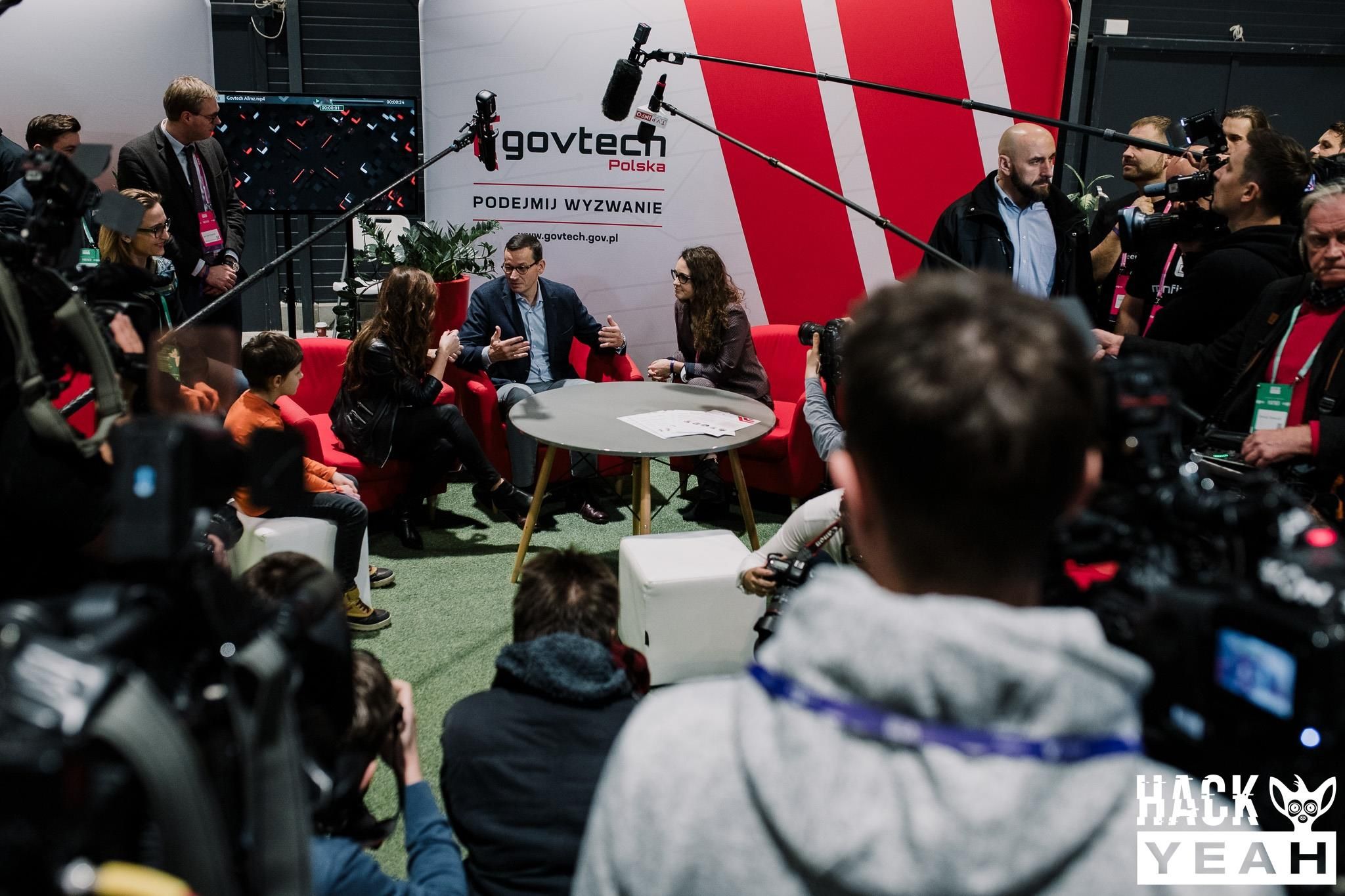
The Polish national government's GovTech Polska programme, headquartered in Warsaw, has become an unexpected engine of municipal innovation. Through open challenges and hackathons, GovTech Polska invites start-ups and civic technologists to solve specific public-sector problems — from digitising building permits to predicting potholes — with winning solutions piloted in real government agencies. The programme has drawn international attention for its pragmatic, procurement-friendly approach: "We don't buy technology," a GovTech programme lead told the Warsaw Institute, "we buy solutions to problems that citizens actually have."
At the city level, Warsaw's Digital Transformation Office manages an expanding portfolio of e-services, open data platforms, and IoT deployments. The city's open data portal publishes hundreds of datasets on transport, environment, demographics, and budgets, and an active civic tech community — concentrated around organisations like Code for Poland — uses this data to build tools ranging from air quality monitors to public transport journey planners.
The political context is not without friction. Poland's complex national-local political dynamics mean that Warsaw's progressive, digitally minded city government sometimes finds itself at odds with national priorities. Yet the city has used EU structural funds and Horizon Europe partnerships strategically, building cross-border networks that insulate its innovation agenda from domestic political cycles. The annual Smart City Expo Poland Warsaw 2025, held in the Łódź–Warsaw corridor, has become the largest smart city gathering in Central Europe, drawing municipal officials from across the region.
Start-Ups, Campuses, and the Ecosystem Taking Shape
Warsaw's smart city ecosystem is younger and less institutionalised than those of Vienna or Stockholm, but it is growing fast. Warsaw University of Technology — Smart City Research, one of Central Europe's leading engineering schools, operates research groups in urban computing, energy systems, and intelligent transport, and its graduates feed directly into the city's tech workforce. The university's collaboration with the city on sensor-based air quality monitoring — a politically charged issue in a country still heavily reliant on coal heating — has produced one of the densest urban monitoring networks in the EU.
SmartCity Lab Poland, based in Warsaw, functions as a connector between municipalities, technology providers, and researchers, organising workshops and pilot programmes that help Polish cities navigate the smart city landscape. The lab's emphasis on replicability — ensuring that solutions tested in Warsaw can be adapted for Kraków, Wrocław, or Gdańsk — reflects a growing awareness that Poland's smart city future depends on national ecosystems, not isolated urban experiments.
The private sector is increasingly present. International firms such as Siemens, Bosch, and Ericsson have established smart city-focused operations in Warsaw, attracted by competitive labour costs, strong engineering talent, and proximity to EU decision-making corridors. A cluster of co-working spaces and incubators — many concentrated in the Praga district on the east bank of the Vistula — provides a home for start-ups working on mobility, energy, and civic tech solutions. The Digital Poland Foundation has documented how Warsaw's combination of talent, infrastructure, and ambition is positioning the city as an emerging digital leader in the EU's eastern flank.
From the New Centre to the Heat-Island Challenge
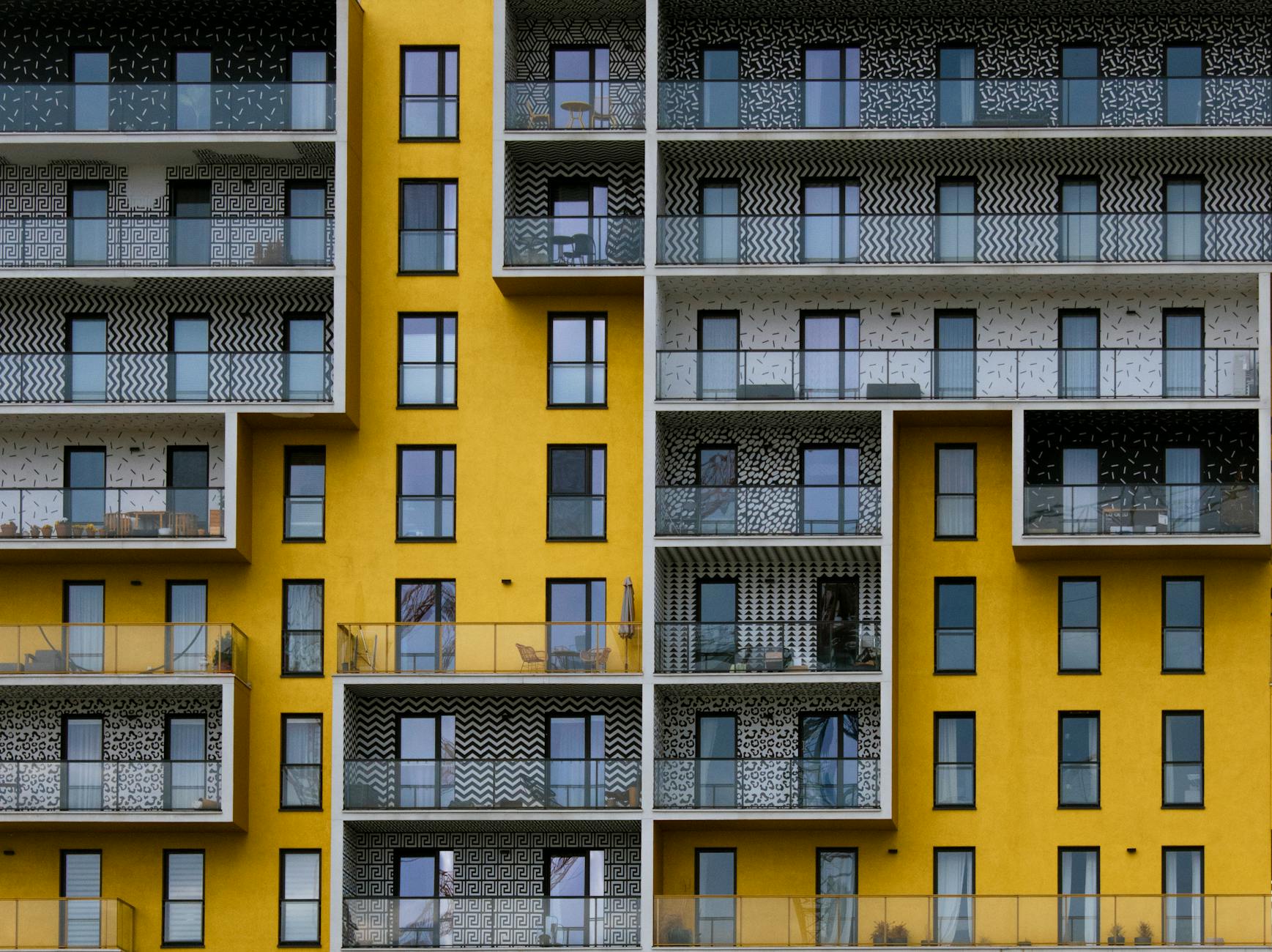
Warsaw's flagship urban regeneration project, the New Centre of Warsaw Revitalisation, is transforming a post-industrial zone near the central railway station into a mixed-use district designed with smart city principles from the outset. The masterplan integrates green infrastructure, smart energy systems, and digital connectivity into a dense urban neighbourhood intended to demonstrate what data-informed planning can achieve in a Central European context. The project is closely watched by other Polish cities as a potential template for brownfield regeneration.
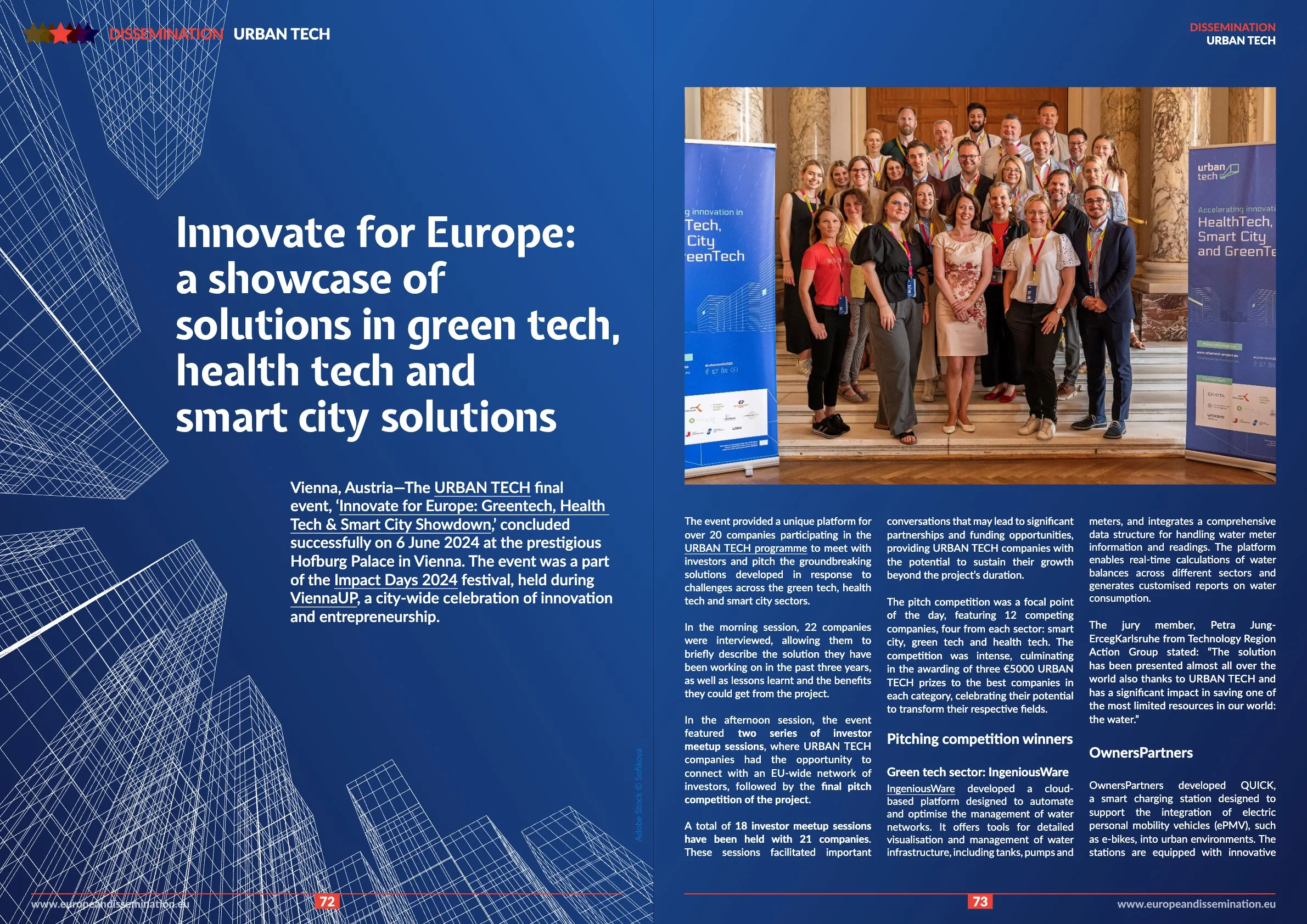
Beyond showcase projects, Warsaw is grappling with challenges common to fast-growing cities in the region. Urban heat islands — exacerbated by rapid construction and the loss of green cover — have become a serious public health concern during increasingly frequent heatwaves. A cross-border research challenge run by the FinEst Centre for Smart Cities in Tallinn selected Warsaw as a case study for developing sensor-based heat mapping and green infrastructure planning tools, connecting the city to a Nordic-Baltic innovation network. The Innovate for Europe: a showcase of solutions in green tech, health tech and smart city solutions initiative has further positioned Warsaw as a testing ground for European urban technology solutions.
Air quality remains Warsaw's most politically visible smart city issue. A network of low-cost sensors, supplemented by reference-grade monitoring stations, provides real-time data that feeds into public alert systems and school notification protocols. The data has also been used to support the city's campaign for a regional coal-heating ban — a policy that, when fully implemented, is expected to reduce particulate pollution by up to 40 per cent. The The State of European Smart Cities: Exploring and showcasing models, solutions, and financing for European replication to achieve climate neutrality report by the European Commission highlighted how cities like Warsaw are using smart monitoring infrastructure not only to track environmental conditions but to build the political case for regulatory change.
Pierogi, Parks, and the App That Changed the Commute
Warsaw's progress is no longer a local story. In the IMD Smart City Index 2025, the Polish capital jumped ten positions to 28th out of 146 cities worldwide — one of the largest single-year climbs in the index's history. The Digital Poland Foundation credits the leap to a combination of mature municipal apps (the 19115 citizen contact platform and the MobiWawa mobility planner are now used by a majority of residents) and the integration of national e-government services into city workflows. The next showcase moment is the Smart City Expo Poland 2026 at Warsaw EXPO XXI on 16–17 September, which will host Central Europe's largest gathering of municipal officials, vendors, and researchers — with Warsaw using the event to present a refreshed open-data strategy and the first results of the BUILDSPACE Horizon Europe project on building-data interoperability.
Ask a Varsovian where the smart city becomes real, and the answer is likely to involve a bus. The Jakdojade app — developed by a Polish start-up and now used by millions across the country — integrates real-time public transport data, cycling routes, ride-sharing options, and walking directions into a single journey planner that has become as essential to daily life in Warsaw as the pierogi stalls in Hala Koszyki market. The city's investment in real-time vehicle tracking, smart traffic signals, and bus-priority lanes has shortened average commute times and made public transport a genuinely competitive alternative to the car.
In summer, the revitalised Vistula riverbanks — once neglected industrial strips — fill with joggers, kayakers, and families picnicking on grass that was, a decade ago, concrete. Smart irrigation systems and environmental sensors help maintain the riverside parks that have become the city's great democratic gathering places, free and open and stubbornly resistant to the commercial pressures reshaping other European waterfronts. As Smart City Expo Poland organisers put it, Warsaw's story is about "turning the infrastructure of survival into the infrastructure of a good life."
Warsaw's talent for reinvention has always been rooted in a specific kind of stubbornness: the determination to build something lasting out of whatever is at hand. Today, that spirit manifests in code and sensor networks and open data portals as much as in brick and plaster. The city is still rebuilding itself — and this time, it is building smart.
References7 resources9 external
Resources
Project
New Centre of Warsaw Revitalisation
Green boulevards replace traffic, IoT monitors air, noise, and microclimate across Warsaw.
Knowledge
The State of European Smart Cities: Exploring and showcasing models, solutions, and financing for European replication to achieve climate neutrality
Teasing climate‑neutral city models, €345 M EU funding, 120 cities, 550+ solutions, and groundbreaking financing insights.
Organisation
GovTech Polska
Accelerates sector digital transformation via innovation challenges, capacity building, smart city support.
Event
Smart City Expo Poland Warsaw 2025
Synopsis: Polish city officials, planners, and tech firms gather to explore smart city solutions.
Organisation
SmartCity Lab Poland
Evaluates, certifies, and promotes smart city technologies for Polish municipalities.
Knowledge
Innovate for Europe: a showcase of solutions in green tech, health tech and smart city solutions
Over 300 challenges tackled, 160 companies mentored, and €2 M+ funding spurred groundbreaking green, health, and smart‑city innovations.
Organisation
Warsaw University of Technology — Smart City Research
Researches digital infrastructure, urban innovation, and smart city technologies via education programs.
External Sources
Warsaw Smart Cityen.um.warszawa.plGovTech Polska Programmegov.plPoland's Digital Transformationwarsawinstitute.orgFinEst Centre Urban Heat Island Challengefinestcentre.euSmart City Expo Poland 2025smartcityexpo.plDigital Poland Foundationdigitalpoland.orgSmart City Warsaw — How Technology Is Changing Residents' Lives (IMD 2025)digitalpoland.orgSmart City Expo Poland 2026 (16–17 Sept)events.smartcitiescouncil.comWarsaw — EU Smart Cities Marketplace (BUILDSPACE)smart-cities-marketplace.ec.europa.eu