Loading...
City
Zurich
Country🇨🇭 Switzerland
The Quiet Powerhouse at the Top of the Index
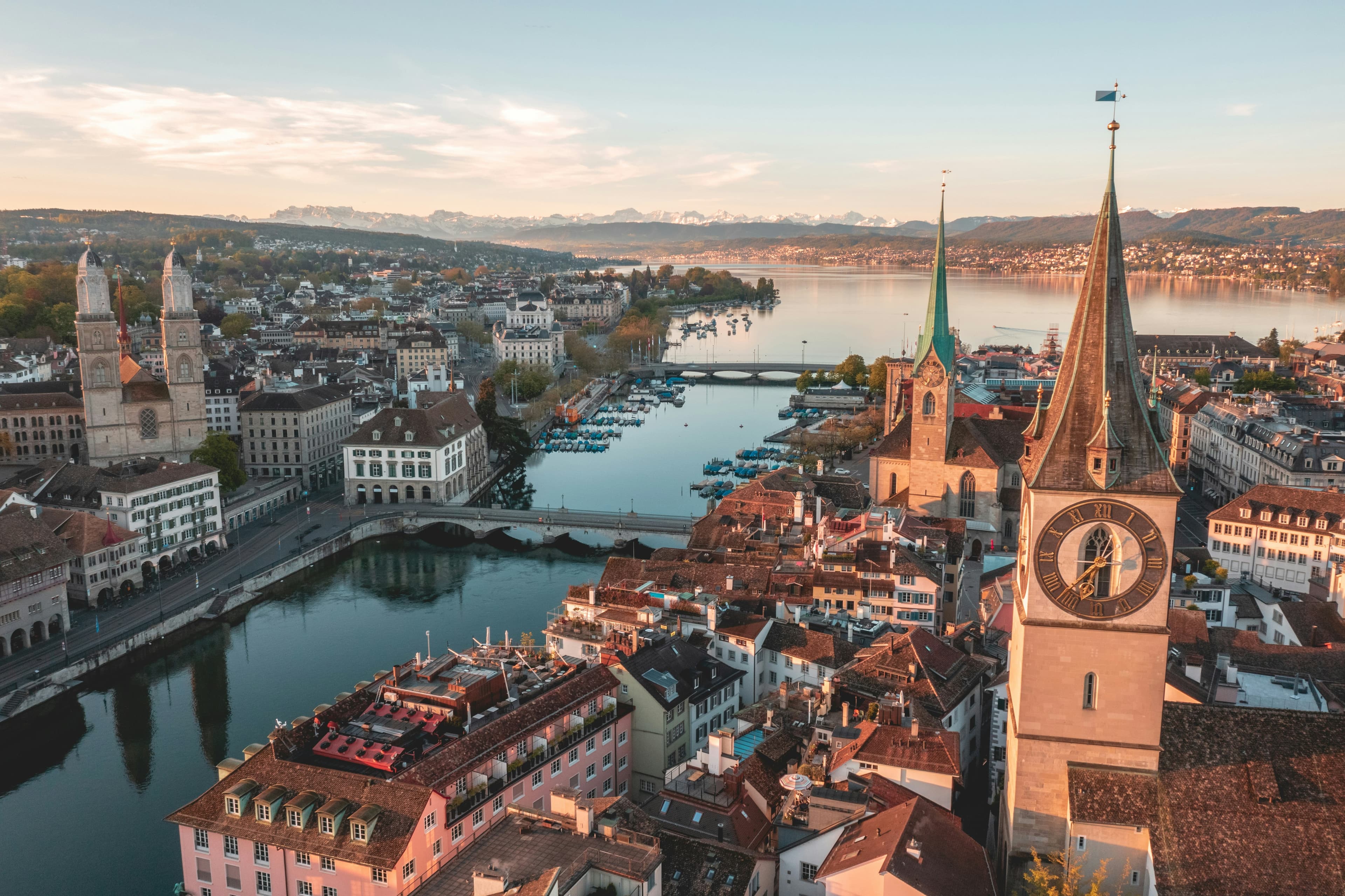
When the IMD World Competitiveness Center published its IMD Smart City Index in 2024, Zurich sat at number one — for the second consecutive year. The Swiss city of 434,000 residents, 1.4 million in the metropolitan area, had overtaken Singapore, Oslo, and Copenhagen, not through grand gestures or billion-euro flagship projects, but through the steady, systematic application of technology to the mundane mechanics of urban life. Zurich's streets are clean, its trams run on time, its tap water is drinkable from any fountain, and behind all of it lies a digital infrastructure that most residents never see and rarely think about.
That invisibility is, in many ways, the point. "Our approach is not about putting technology on display," David Weber, Head of Smart City Zurich, told Mayors of Europe in a 2024 interview. "It is about connecting people, organisations, and infrastructure in ways that make the city work better for everyone." The remark captures something essential about Zurich's smart city philosophy: it is resolutely pragmatic, deeply Swiss in its preference for consensus over spectacle, and anchored in a municipal tradition that prizes long-term planning over political quick wins.
A City Council That Voted for Net Zero
Zurich's climate ambitions are enshrined in the Zurich 2040 Strategies, a framework adopted by the city council that sets a binding target of net-zero greenhouse gas emissions by 2040. The strategy integrates energy, mobility, buildings, and digitalisation into a single policy architecture, overseen by a dedicated Smart City coordination unit within the city administration.
The political landscape is characteristically Swiss: coalition-based, deliberative, and shaped by direct democracy. Zurich's voters have repeatedly backed climate measures at the ballot box, including a landmark 2022 referendum approving stricter building energy standards. The city's Green and Social Democratic majority on the council provides a stable political base for the smart city agenda, though the conservative opposition — and Switzerland's powerful property lobby — ensure that every major investment faces public scrutiny. This accountability, while sometimes slowing implementation, produces policies with a durability rare in European urban governance.
Energy policy is where Zurich's ambition is most visible. The city-owned utility, EWZ, is accelerating the expansion of district heating networks, solar installations, and smart grid infrastructure. A programme to phase out fossil-fuel heating in municipal buildings by 2035 is already ahead of schedule. Hitachi Energy, which maintains its European grid technology centre in the Zurich area, collaborates with EWZ on power-grid digitalisation, contributing to a smart grid ecosystem that is unusually advanced for a city of Zurich's size.
Where ETH Meets City Hall
If there is one institution that shapes Zurich's innovation landscape more than any other, it is ETH Zurich — consistently ranked among the world's top ten universities and a prolific generator of spin-off companies, research partnerships, and urban technology talent. The ETH Zurich — Future Cities Laboratory Global programme brings together architects, engineers, data scientists, and social researchers to develop new models for sustainable urban development, with Zurich itself as both laboratory and beneficiary.
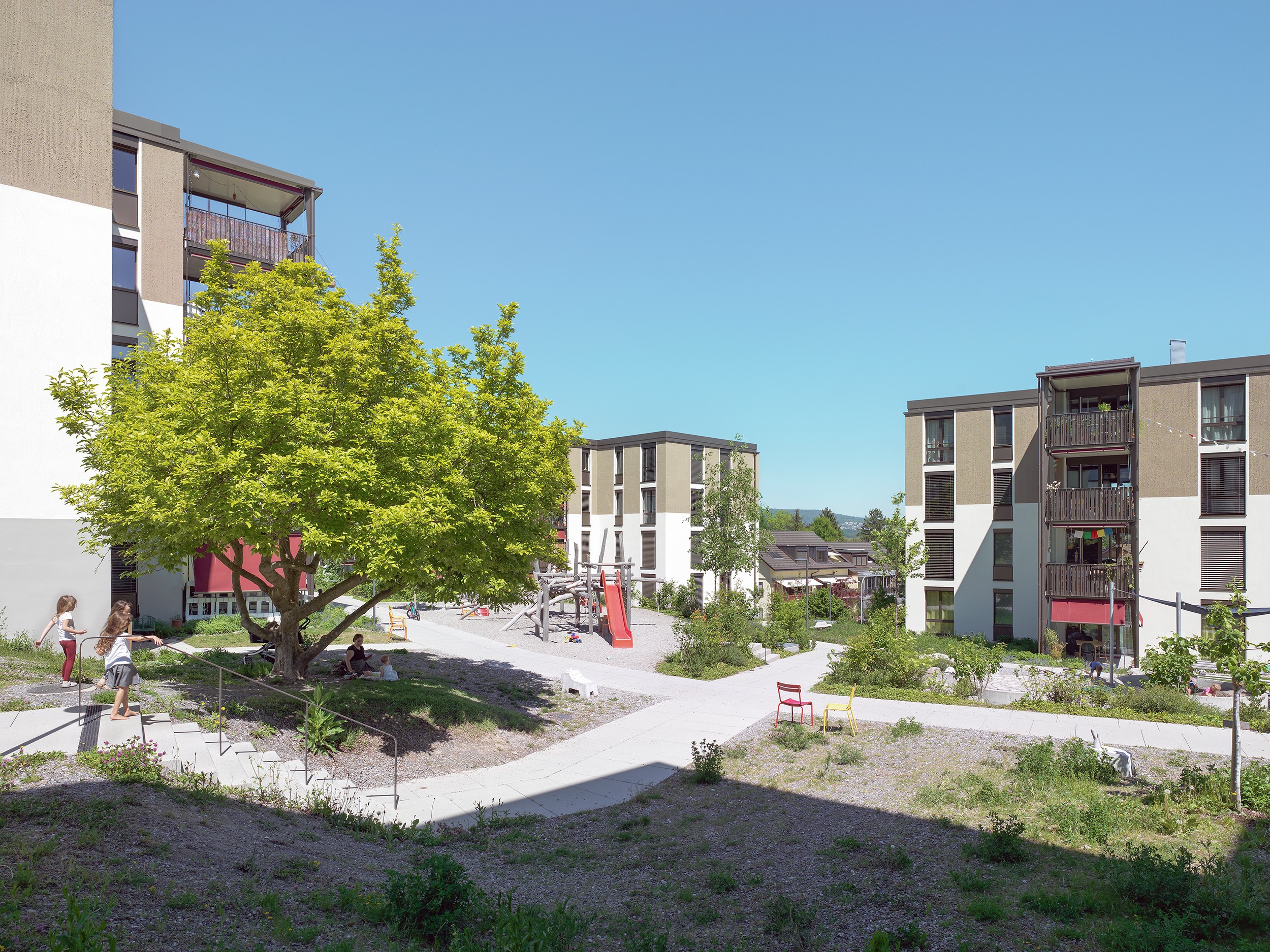
The ecosystem around ETH extends outward in concentric circles. Innovation Zurich acts as the city region's innovation promotion agency, connecting start-ups with established industry and public-sector partners. ABZ — Allgemeine Baugenossenschaft Zürich, one of Switzerland's largest housing cooperatives, collaborates with researchers on smart building management and community energy systems, demonstrating how Zurich's distinctive cooperative housing tradition — cooperatives house roughly a quarter of the city's population — can be a vehicle for, rather than a brake on, digital innovation.
The Zurich Smart City Programme, coordinated by the city administration, operates as a portfolio manager for urban innovation projects rather than a top-down strategy. It runs calls for proposals, funds pilot projects, and — crucially — manages the process of scaling successful pilots into city-wide services. The programme's emphasis on interoperability and open standards reflects a broader Swiss commitment to vendor-neutral technology choices. Switzerland Global Enterprise attributed Zurich's top ranking in the IMD index partly to this institutional capacity: "The city's ability to translate research into functioning urban services is what sets it apart."
Digital Twins, District Energy, and the Zürich-West Transformation
Zurich's use of digital twin technology for urban planning has attracted international attention. The city's 3D urban model integrates building data, transport flows, energy consumption patterns, and environmental measurements into a single platform that planners use to simulate the impact of development proposals before a single foundation is laid. The model has been particularly valuable in the densification debates that dominate Zurich's planning discourse — a city hemmed in by lake and mountains must grow upward, and digital simulation helps residents visualise what that means for their neighbourhoods.
The Zürich-West Innovation District, built on former industrial land along the Limmat river, exemplifies the city's approach to smart urban development. The district combines creative industries, technology companies, university facilities, and residential buildings in a dense, transit-oriented neighbourhood connected by tram and S-Bahn. Its energy systems — integrating lake-water cooling, waste-heat recovery, and solar generation — are managed through an intelligent energy platform that optimises supply and demand across the district in real time. The Atlas of Urban Tech profiles Zürich-West as one of Europe's most successful examples of post-industrial innovation district development.
EWZ's district energy networks are expanding rapidly. The utility's partnership with Entsorgung + Recycling Zürich recovers waste heat from the city's incineration plant and data centres, distributing it through a growing network of pipes to heat homes and businesses. Smart metering and predictive load management allow the system to balance supply and demand dynamically, reducing both emissions and costs. A deep geothermal exploration programme is investigating the potential for carbon-free heat from underground reservoirs beneath the city.
A comparative study published in Towards Inclusive and Sustainable Strategies in Smart Cities: Zurich, Oslo, and Copenhagen analysing the smart city strategies of Zurich, Oslo, and Copenhagen found that Zurich's approach was distinguished by its strong institutional embedding, its emphasis on citizen participation, and its integration of housing cooperatives into the innovation ecosystem — features the authors attributed to Switzerland's distinctive political culture of direct democracy and subsidiarity.
Trams, Lake Baths, and the Quiet Intelligence of a Well-Run City
In spring 2026, Zurich's standing was reconfirmed once more: the IMD Smart City Index 2026, published 31 March, placed Zurich first for the seventh consecutive year out of 148 cities, with Geneva third and Lausanne climbing to seventh — a Swiss sweep that the Smart Country Berlin briefing attributed not to technology spend but to "trust, governance and quality of life." Switzerland Global Enterprise noted that the 2026 ranking puts unprecedented weight on transparency, public-trust indicators, and infrastructure resilience — dimensions where Zurich's institutional approach is structurally advantaged. The city's ongoing Smart Mobility strategy work with EBP and the EWZ smart-grid programme continue to translate that institutional capacity into measurable infrastructure outcomes.
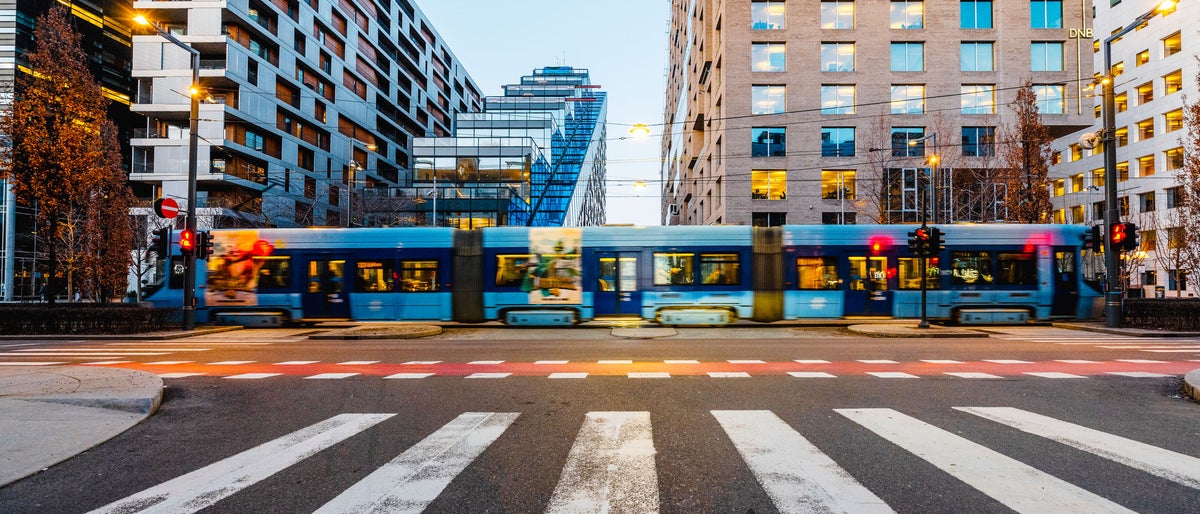
Where does the smart city become tangible in Zurich? Perhaps on the number 4 tram, which glides through the city centre on a signal-priority corridor managed by algorithms that keep headways even and delays rare. Or in the ZüriCity app, which bundles parking, library services, event information, and city notifications into a single digital interface. Or in the quiet hum of the lake-water cooling pipes beneath Seefeld, keeping offices comfortable in summer without a single air-conditioning compressor.
But the most characteristically Zurich experience of the smart city might be found in one of the city's Badi — the public bathing facilities along the lake and river that are as central to Zurich's identity as the Kaffeehaus is to Vienna's. Water quality sensors feed real-time data to a public dashboard, and on summer evenings the Badi fill with swimmers who take it entirely for granted that the water is clean, the information is accurate, and the city simply works. That taken-for-grantedness is, perhaps, the highest compliment a smart city can receive.
As Mingothings observed in its 2025 review of Zurich's smart city ecosystem, the Swiss approach "asks not whether technology can be deployed, but whether it genuinely improves the experience of living in a place." Zurich does not promise a revolution. It promises that things will work — reliably, equitably, and sustainably — and then it quietly makes sure they do. In a European landscape crowded with smart city visions, that Swiss precision turns out to be the most compelling vision of all.
References7 resources12 external
Resources
Knowledge
Towards Inclusive and Sustainable Strategies in Smart Cities: Zurich, Oslo, and Copenhagen
Explores how Zurich, Oslo, and Copenhagen integrate equity, tech, and green policies for future‑ready smart cities.
Organisation
Hitachi Energy
Provides smart grid, AI-driven digital infrastructure for resilient, renewable‑integrated energy systems worldwide.

Knowledge
IMD Smart City Index
Citizen‑perception rankings, three‑year moving averages, Swiss dominance, no North American top‑20, housing as smart foundation.
Organisation
ABZ — Allgemeine Baugenossenschaft Zürich
Provides affordable, high-quality Zurich housing with cost-based rents, democratic governance, sustainable renovations.

Organisation
ETH Zurich — Future Cities Laboratory
Advances interdisciplinary urban sustainability through digital twins, smart technologies, and innovative governance.
Project
Zurich Smart City Programme
Zurich blends smart mobility, energy grids, and citizen‑driven digital services for urban sustainability.

Organisation
Innovation Zurich
Connects innovators, provides resources, events, and ecosystem development for sustainable urban innovation.
External Sources
IMD Smart City Index 2024: Zurich Tops the Rankings-ge.comDavid Weber Interview: Connecting People and Infrastructuremayorsofeurope.euDigital Twin Technology for Urban Planningliving-in.euLiving-in.EUliving-in.euZürich-West Innovation Districtatlasofurbantech.orgZurich 2040 Strategiesstadt-zuerich.chZurich Smart City 2025mingothings.comZurich Retains Top Spot in IMD Smart City Index (2026)smartcitiesworld.netZurich Tops the IMD Smart City Index Once Again (2026)s-ge.comTrust & Technology: Zurich Named the World's Smartest City Once Againsmartcountry.berlinSmart Mobility Strategy for the City of Zurichebp.globalSmart Grids of the Futureewz.ch