Loading...
City
Vienna
Country🇦🇹 Austria
Where Liveability Meets Ambition
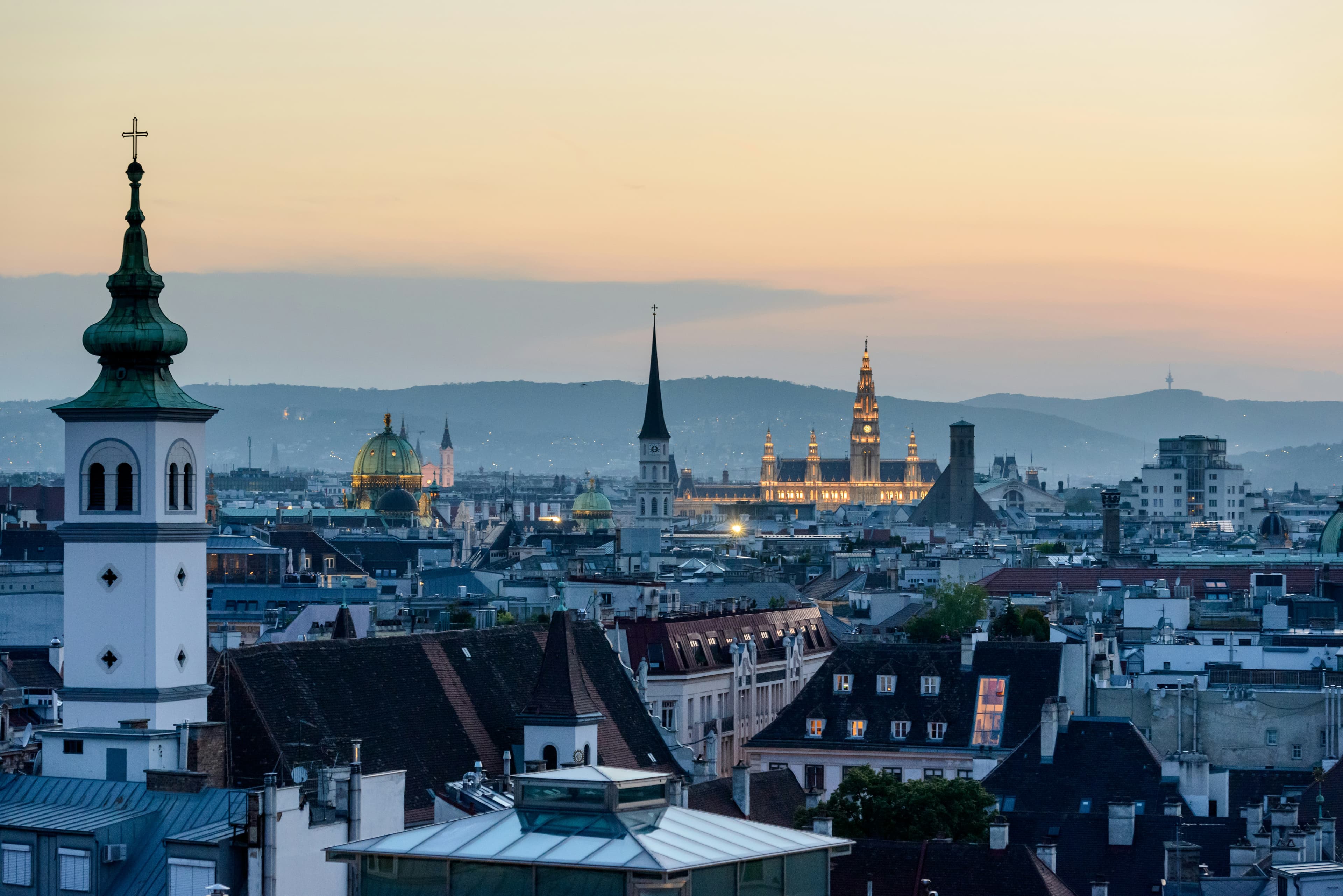
Vienna has a habit of topping liveability rankings — the Economist Intelligence Unit placed it first globally in 2024 for the third time in six years — and then quietly raising its own bar. The Austrian capital of nearly two million inhabitants is not content to rest on the reputation of its coffeehouses and concert halls. In 2022, the city council adopted the Smart Climate City Strategy, committing Vienna to carbon neutrality by 2040, a full decade ahead of the European Union's target. That pledge has become the organising principle of a smart city agenda that stretches from underground district heating networks to the largest urban development site in Central Europe.
What makes Vienna distinctive in the European smart city landscape is the scale of its public infrastructure. Roughly 62 per cent of the city's residents live in subsidised housing — a figure unmatched anywhere on the continent — and the municipality remains the largest residential landlord in Europe through Wiener Wohnen, which manages more than 220,000 apartments. When Vienna talks about digital transformation, it is not speaking about a start-up layer laid on top of private real estate markets; it is speaking about rewiring the systems that house, heat, and move the majority of its population.
A Strategy Woven into the Fabric of City Government
The political backbone of Vienna's smart city approach is the Smart Climate City Strategy, embedded in the city's constitutional framework and setting more than 50 measurable targets across energy, mobility, buildings, and digitalisation, monitored through a public dashboard. Mayor Michael Ludwig's social-democratic administration frames the agenda as an extension of Vienna's tradition of municipal socialism — Rotes Wien — arguing that climate action and social equity are not competing goals but the same goal viewed from different angles.
Not everyone agrees the pace is fast enough. The Austrian Court of Audit has questioned whether the city's investment pipeline for building renovation can deliver results before 2040, and environmental groups such as GLOBAL 2000 have pressed for faster reductions in car traffic. The city's response has been the €365 annual Klimaticket for all public transport — one euro per day — which has driven ridership to record levels and become a symbol of Vienna's willingness to use pricing as a behavioural lever.
The The State of European Smart Cities: Exploring and showcasing models, solutions, and financing for European replication to achieve climate neutrality report by the European Commission documented how Vienna's Smarter Together project adopted a pioneering "Learning Governance" concept — and found that "the people involved did not only produce highly-innovative solutions but went far beyond the previously agreed KPIs. They also continued to pursue the project's goals after its completion, by scaling up solutions either in other areas of the city or in their private enterprises." That capacity for institutional learning, the report concluded, was itself Vienna's most scalable export.
The Quiet Infrastructure of Innovation
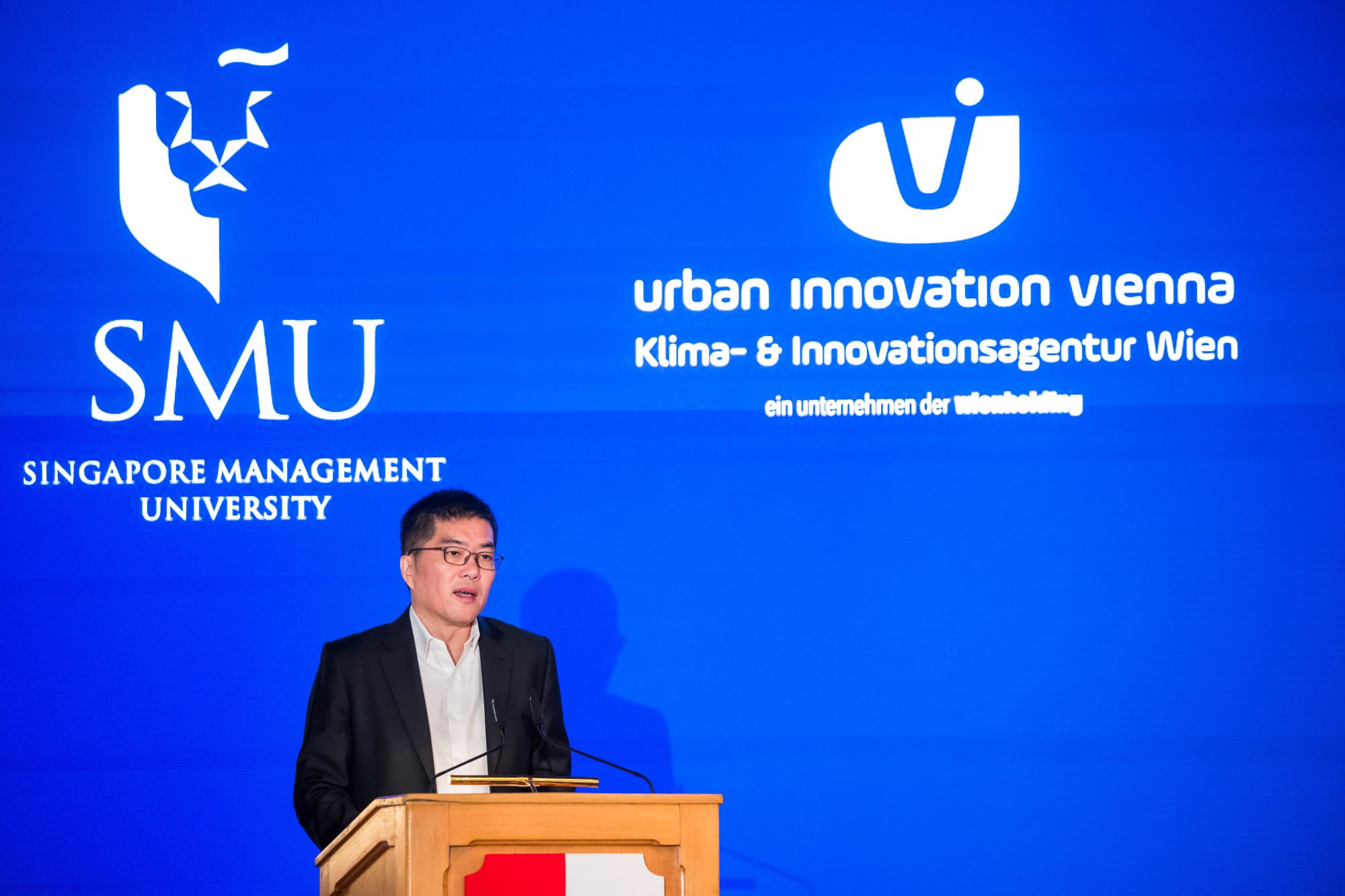
Vienna's smart city ecosystem operates with a distinctive institutional tidiness. At its centre sits Urban Innovation Vienna (UIV) (UIV), the city-owned agency responsible for coordinating innovation, energy, and urban renewal programmes. UIV acts as a bridge between the municipality, research institutions, and the private sector, managing EU-funded projects and running Vienna's energy advisory services. It is not a flashy accelerator but a deliberate, long-term infrastructure — the kind of institution that ensures pilot projects do not end when funding cycles do.
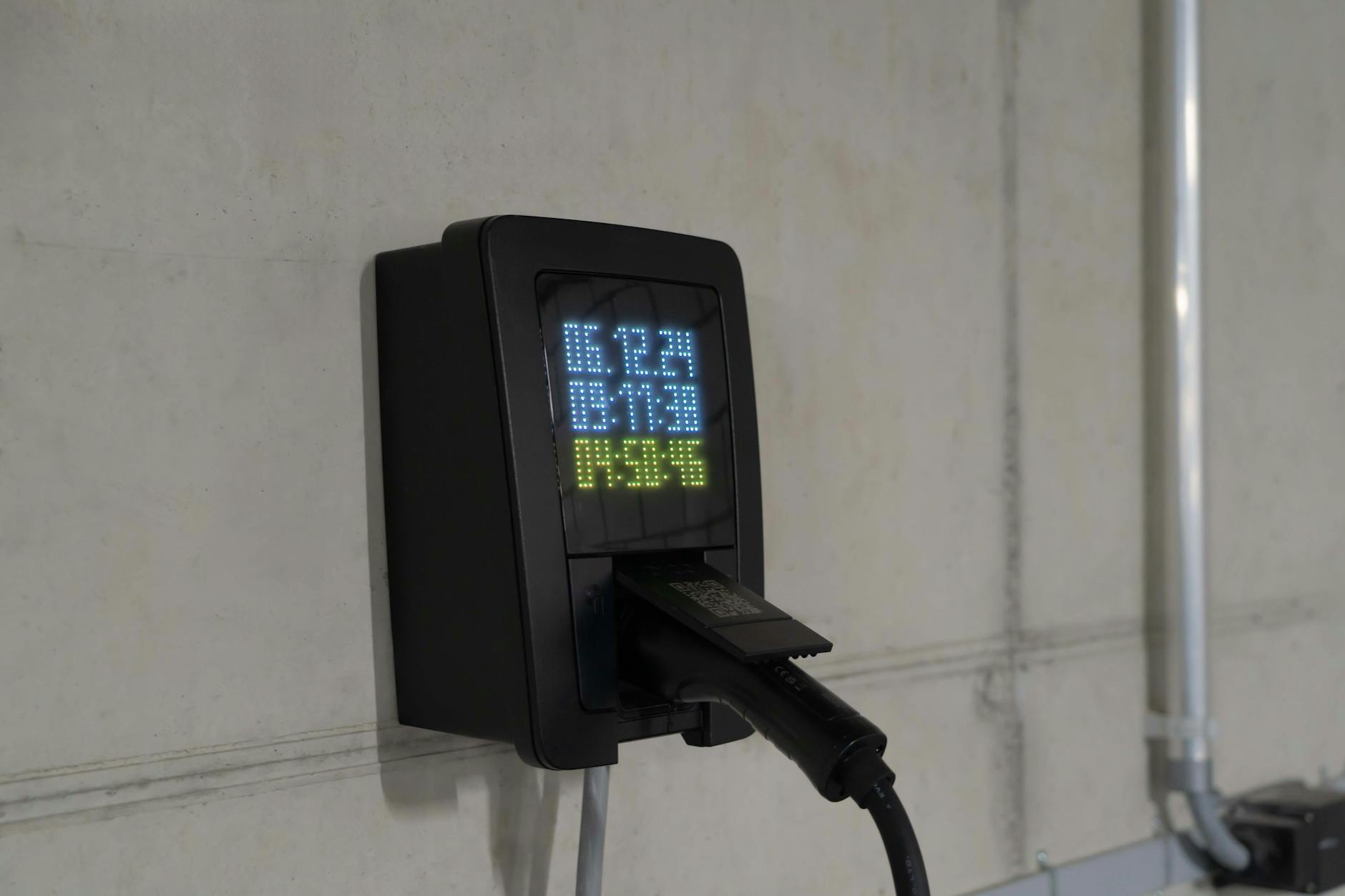
The energy utility Wien Energie — Smart Grid & Digital Energy, one of Austria's largest, has become a central actor in the smart grid transition. It operates a growing network of district heating and cooling systems, a large-scale photovoltaic programme — including citizen solar power plants that allow residents to buy shares in rooftop installations — and one of Central Europe's most extensive EV charging networks. Wien Energie's role illustrates a broader Viennese pattern: public utilities as platforms for innovation rather than obstacles to it.
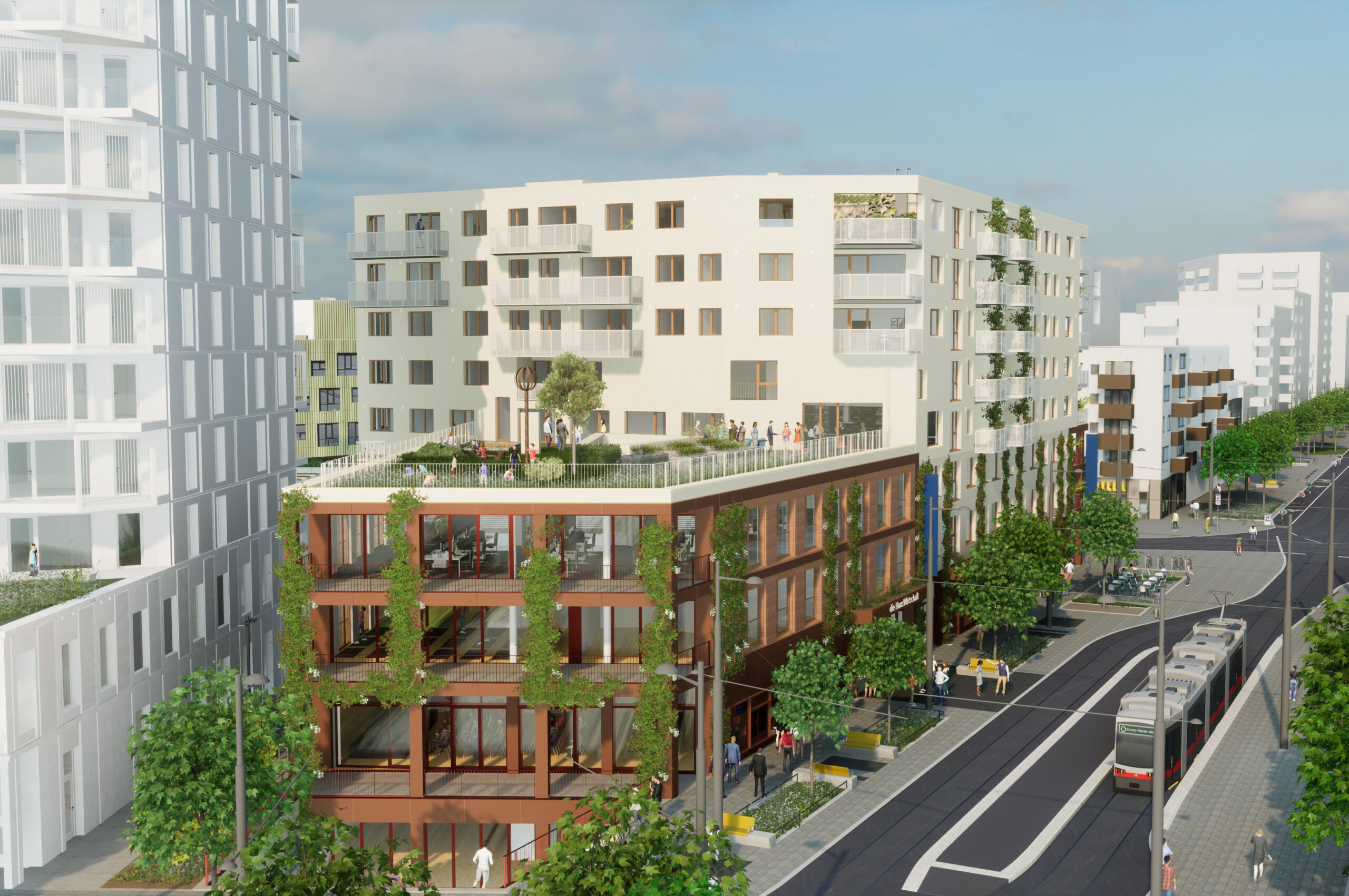
On the research side, the Vienna University of Technology, the Austrian Institute of Technology (AIT), and the University of Natural Resources and Life Sciences all maintain active smart city research groups. The annual ViennaUP 2025 festival draws thousands of entrepreneurs and investors, providing a counterweight to the city's sometimes bureaucratic image. And cooperative housing innovators like HausWirtschaft Vienna are experimenting with shared resource systems and community-led building management, adding a grassroots dimension to a landscape otherwise dominated by public institutions.
From a Lakeside Laboratory to the City's Oldest Pipes
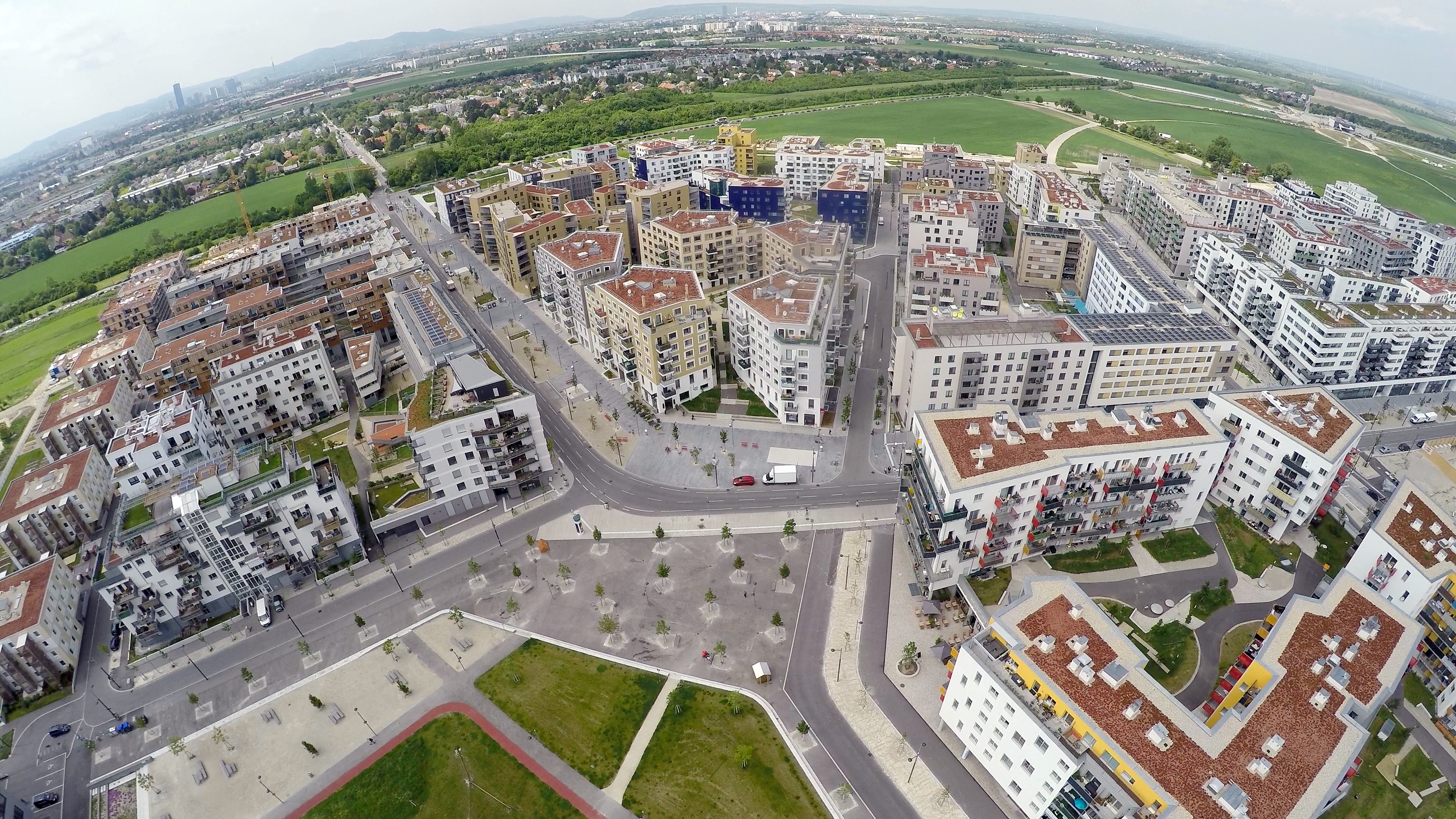
The most visible showcase of Vienna's smart city ambitions sits on a former airfield in the north-east of the city. Aspern Seestadt is one of Europe's largest urban development projects — a new district for more than 20,000 residents built around an artificial lake and designed from the ground up as a testing ground for smart energy systems. The Aspern Smart City Research (ASCR) (ASCR) initiative, a partnership between Wien Energie, Siemens, Wiener Netze, and the Vienna Business Agency, uses the district as a living laboratory for building-integrated photovoltaics, battery storage, flexible grid management, and real-time energy monitoring. Preliminary results show energy savings of up to 40 per cent compared with conventional new-build districts.
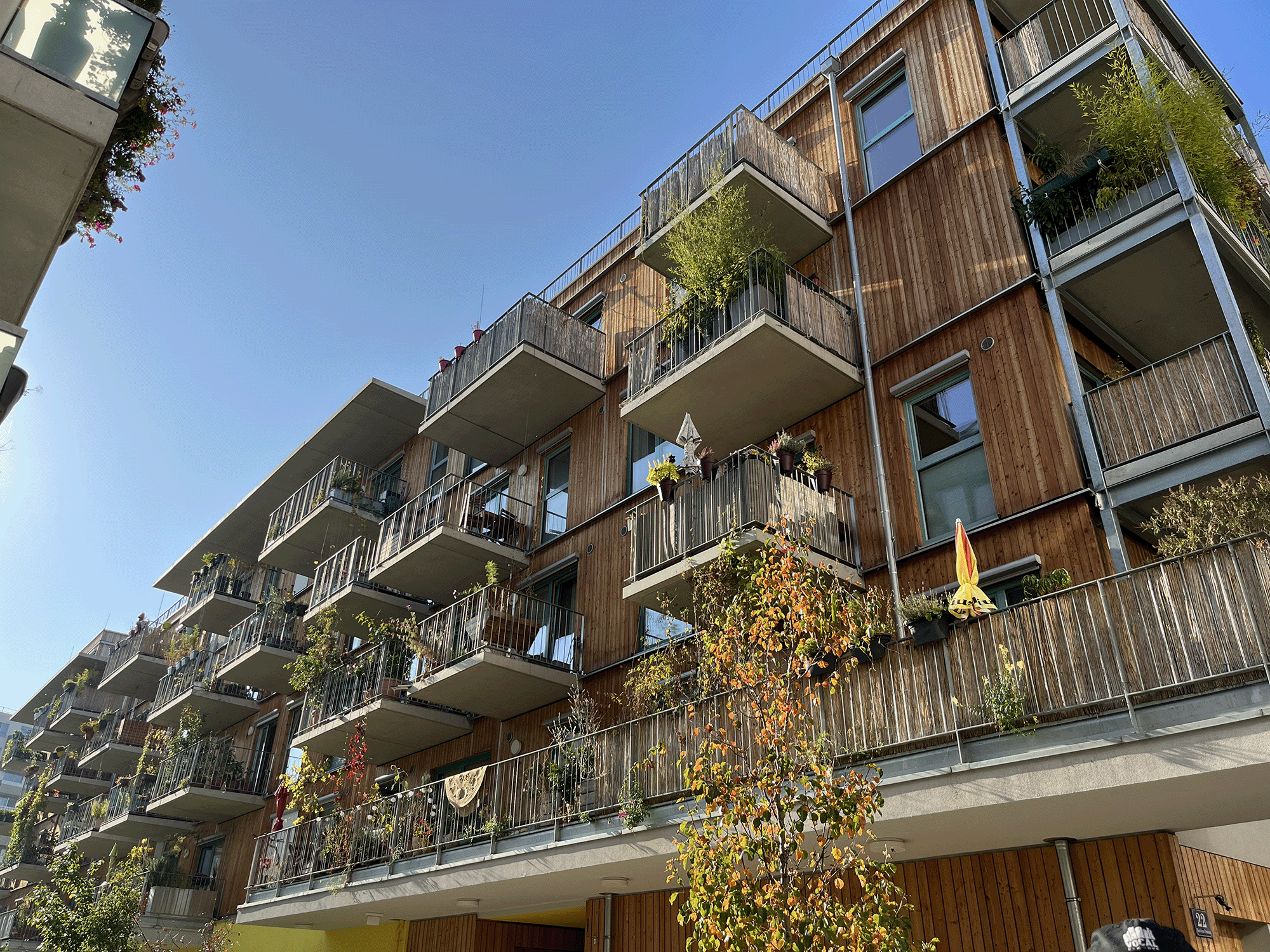
But Vienna's smart city story is not only about new construction. A city where roughly half the building stock predates 1945 faces enormous retrofit challenges. The municipal programme WieNeu+ targets comprehensive neighbourhood renewal — combining thermal insulation, smart metering, green courtyards, and social infrastructure upgrades — in some of the city's densest working-class districts. The Green Social Housing: Lessons from Vienna report documents how Wiener Wohnen is integrating sensor-based heating optimisation and digital tenant services into its vast portfolio, a process that is slower and less glamorous than Aspern but arguably more consequential for the city's overall emissions trajectory.
Wien Energie's smart district heating network, which supplies heat to over 440,000 households, is undergoing a digital overhaul. Predictive algorithms now adjust supply temperatures based on weather forecasts, building-specific demand profiles, and grid constraints, reducing energy losses and enabling the gradual integration of waste heat from data centres and industrial processes. The utility's partnership with the city on deep geothermal exploration — targeting hot water reservoirs beneath Vienna — could eventually provide a carbon-free heat source for a significant share of the network.
Kaffeehaus, Cobblestones, and the City That Runs on Data
Vienna's calendar is dense in 2026. ViennaUP 2026 (18–22 May) is back as the city's open, decentralised festival for the start-up and innovation community, anchored across more than fifty venues and timed to draw international investors to Aspern, the inner districts, and the city's growing deep-tech labs. The Digital Humanism Conference 2026 (24–26 June, MuseumsQuartier) extends Vienna's distinctive contribution to the European debate on AI and urban governance, building on the Vienna Manifesto on Digital Humanism. Both events sit inside the Smart Climate City Strategy framework and feed the city's current flagship pipeline — from the aspern.mobil LAB (running until June 2026) to the Mobility Policy Innovation Lab — documented in Vienna's 2030 Flagship Projects portfolio.
For all its institutional ambition, Vienna's smart city agenda is most tangible in the small, daily experiences that residents rarely think to label as "smart." The Wiener Linien app — used by the city's 2.7 million daily public transport passengers — provides real-time departures, journey planning, and mobile ticketing across all modes, including the extensive tram network. The Sag's Wien citizen reporting app allows residents to flag potholes, graffiti, and broken streetlights with a photograph and GPS pin; the city claims an average resolution time of under five days. Smart traffic signals on the Ringstraße give priority to trams and buses, quietly reshaping the flow of one of Europe's most iconic boulevards.
And then there is the distinctly Viennese habit of the Kaffeehaus. The city's UNESCO-listed coffee-house culture — a tradition of lingering for hours over a Melange and a newspaper — might seem at odds with the urgency of digital transformation. But as Eurocities noted in its Vienna profile, "the city's deliberate, consensus-driven approach to innovation is precisely what gives its smart city investments such staying power." Vienna does not shout about being a smart city. It simply builds one, cup by cup, district by district, and invites you to sit down and see for yourself.
References8 resources8 external
Resources
Knowledge
Green Social Housing: Lessons from Vienna
Vienna’s eco‑housing blends renewable energy, communal gardens, and affordable rents, reshaping urban sustainability.
Project
Aspern Smart City Research (ASCR)
Live lab tests real‑time building photovoltaics, battery storage, and demand‑response with residents.
Knowledge
The State of European Smart Cities: Exploring and showcasing models, solutions, and financing for European replication to achieve climate neutrality
Teasing climate‑neutral city models, €345 M EU funding, 120 cities, 550+ solutions, and groundbreaking financing insights.
Organisation
HausWirtschaft Vienna
Participatory cooperative creating mixed-use, affordable housing with democratic resident governance.

Organisation
Wiener Wohnen
Manages extensive affordable housing, integrating smart sustainability and community services across Vienna.
Organisation
Urban Innovation Vienna (UIV)
Coordinates smart‑city and climate innovation projects, aligning them with Vienna’s sustainability goals.
Organisation
Wien Energie — Smart Grid & Digital Energy
Smart grid leader integrating renewables, digital meters, and citizen energy communities.
Event
ViennaUP 2025
Entrepreneurs, investors, and researchers gather to explore urban tech, smart city, and climate innovation.
External Sources
Smart Climate City Strategy Viennasmartcity.wien.gv.atViennaeurocities.euVienna Sustainability and the €365 Climate Ticketmedill.northwestern.eduGlobal Liveability Index 2024eiu.comGLOBAL 2000 Climate Campaignglobal2000.atVienna Smart Citywien.infoViennaUP 2026 (18–22 May)vienna.businessVienna 2030 Flagship Projectsvienna.business