Loading...
City
Amsterdam
Country🇳🇱 Netherlands
A City Built on Water, Running on Data
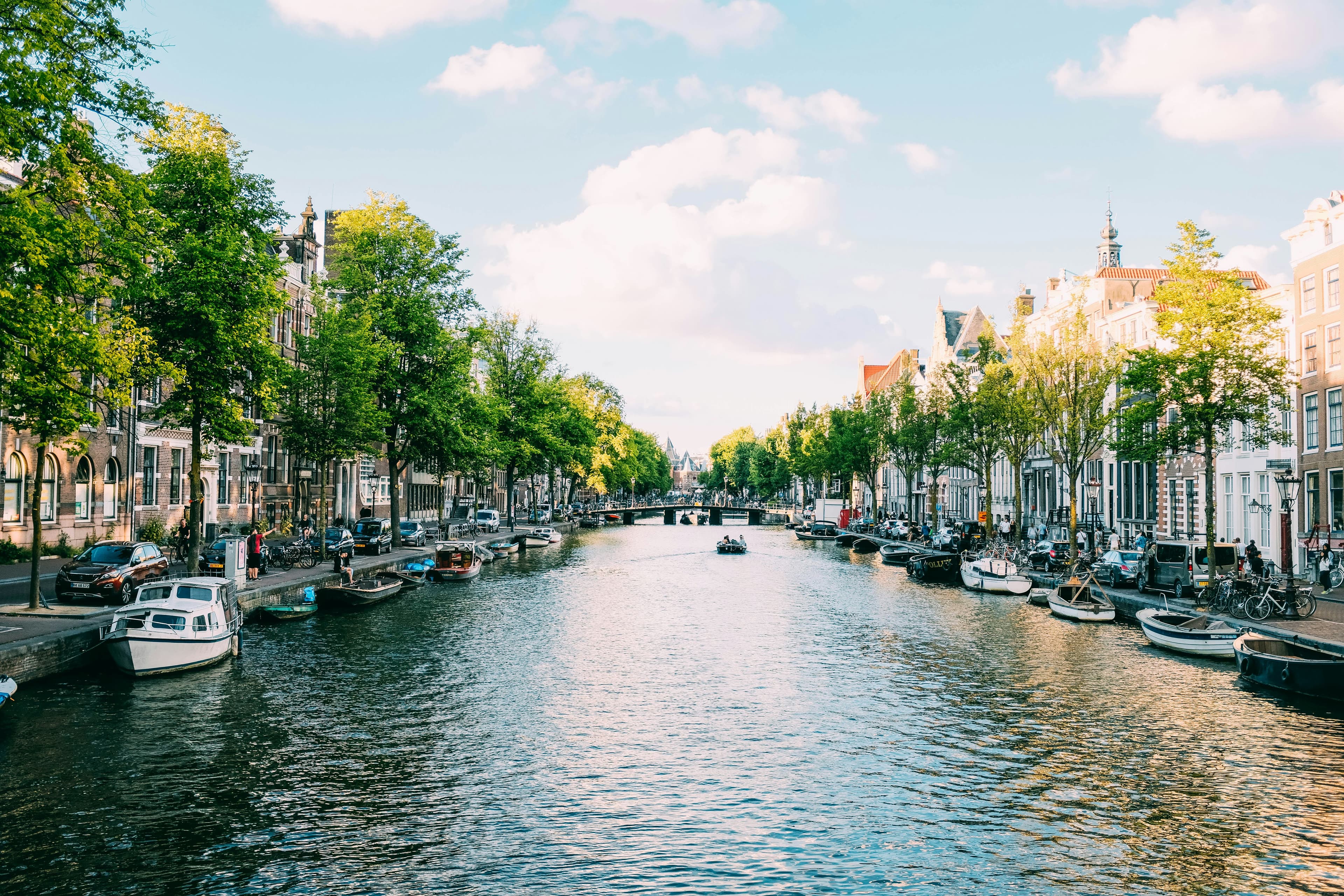
Amsterdam has been engineering its survival since the thirteenth century, when the first dam across the Amstel created a city from marshland. That pragmatic instinct — turning constraint into opportunity — defines how the Dutch capital approaches smart city innovation today. With 921,000 residents, a housing shortage of approximately 45,000 homes, and some of Europe's most ambitious climate targets, Amsterdam treats technology not as a buzzword but as infrastructure — as essential and unglamorous as the pumps that keep the city dry.
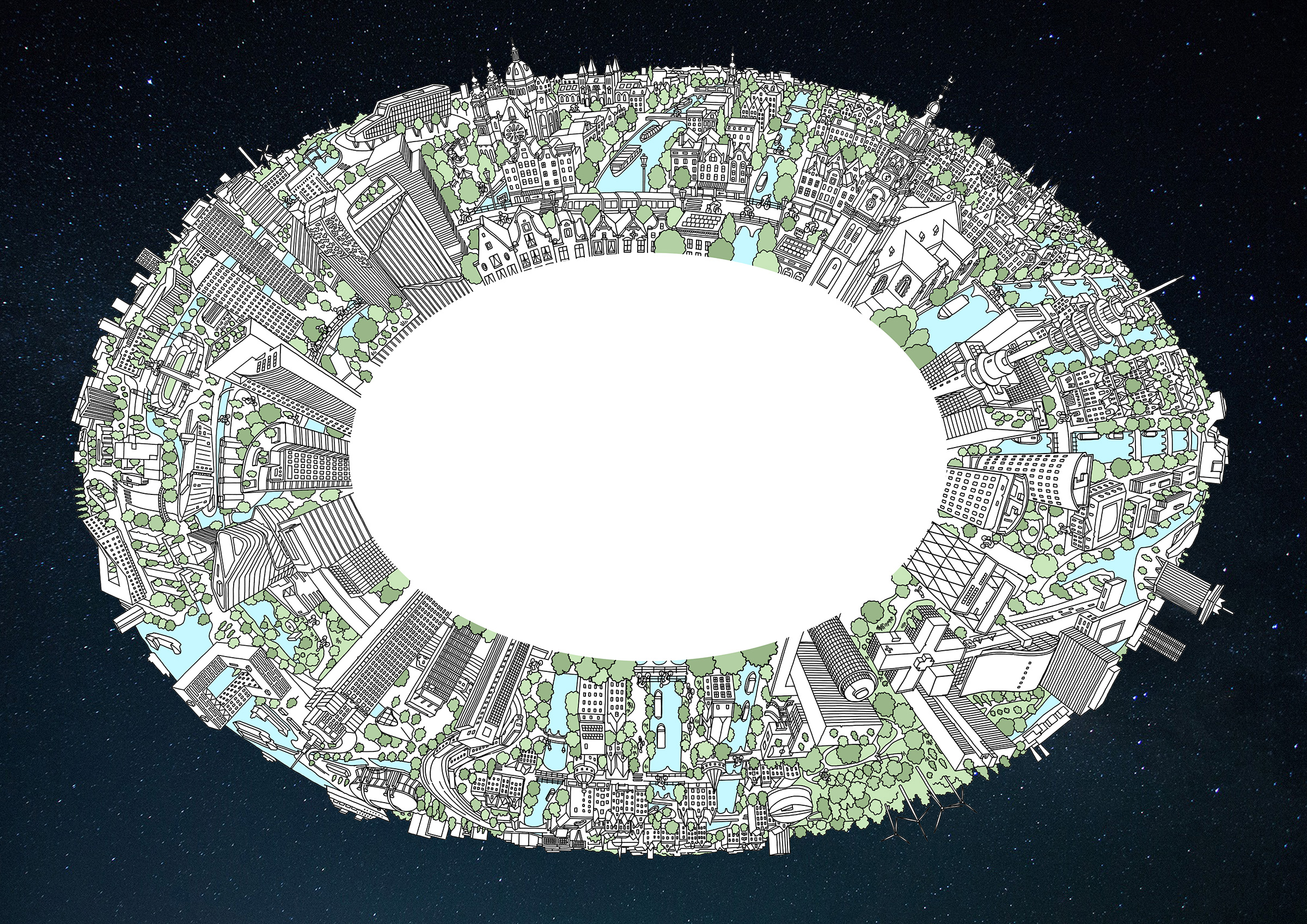
The Amsterdam Smart City Foundation platform, launched in 2009 as one of Europe's first public-private partnerships for urban innovation, set the tone early. Now rebranded as Amsterdam InChange, it remains a collaborative ecosystem connecting government, knowledge institutions, social organisations, and companies across the metropolitan region. The city's Digital City Agenda sets out the policy framework, while the Amsterdam City Doughnut (Circular Economy) — based on Kate Raworth's Doughnut Economics for Cities model, adopted in April 2020 — provides the ethical compass, ensuring that digital and economic development stays within both social foundations and planetary boundaries. Amsterdam was the first city in the world to formally adopt the Doughnut model for urban policy — a move that has since inspired cities from Brussels to Nanaimo.
Responsible by Design: How City Hall Governs Its Algorithms
What sets Amsterdam apart from many smart city frontrunners is its insistence on governing technology, not just deploying it. The Gemeente Amsterdam - Smart City Team coordinates digital transformation across the municipality with an explicit mandate for ethical technology use, citizen participation, and responsible innovation.
The most visible expression of this is the Amsterdam Algorithm Register, launched in September 2020 — one of the first public-facing databases of municipal algorithmic systems in the world. Born out of the city's "Tada" manifesto for responsible digital governance, the register allows citizens to inspect the logic, data sources, and human oversight mechanisms behind automated decisions affecting their lives. As the OECD has documented, it has become a reference model for cities worldwide grappling with algorithmic transparency.
The approach has not been without tension. MIT Technology Review reported in detail on the city's "high-stakes experiment" with Smart Check, a welfare fraud detection algorithm. Internal testing showed a 20 per cent improvement in accuracy over human caseworkers. Yet for critics, the city's extensive assessments "represented a profound misunderstanding: that fairness could be engineered." The episode illustrates Amsterdam's willingness to have the difficult public conversations that many cities avoid — and its understanding that transparency is not a one-time achievement but an ongoing negotiation.
Amsterdam also co-founded the Cities for Digital Rights Conference 2025 alongside Barcelona and New York, a growing network of cities committed to protecting residents' digital rights in an era of pervasive data collection.
In February 2026, the Amsterdam City Council took that logic of governance one step further by adopting a Multiyear Digital Autonomy Strategy 2026–2035 — a three-phase roadmap to migrate critical municipal systems away from proprietary, non-European cloud providers toward open-source workspaces and partly or wholly Dutch-owned infrastructure. Built on the principle of "autonomous, unless", it makes explicit what was previously implicit in Amsterdam's digital agenda: that sovereignty is a precondition for democratic control, and vendor lock-in is a governance problem, not just a procurement one.
Where Canals Meet Code: The Innovation Landscape
Amsterdam's innovation ecosystem benefits from the Netherlands' famously dense web of research institutions, startups, and pragmatic public agencies.
AMS Institute, a joint venture between TU Delft, Wageningen University & Research, and MIT, anchors the research side — developing sustainable urban solutions from its base at the Marineterrein Amsterdam Living Lab, a former naval base in the city centre repurposed as a testing ground for urban technologies. The Atlas of Urban Tech describes the Marineterrein as "an emerging hub of innovation" that combines smart infrastructure, sustainability experiments, and collaborative workspaces. In October 2025, AMS Institute opened CRCL Park on the site — a new hub for circular innovation using the city as its testing ground.
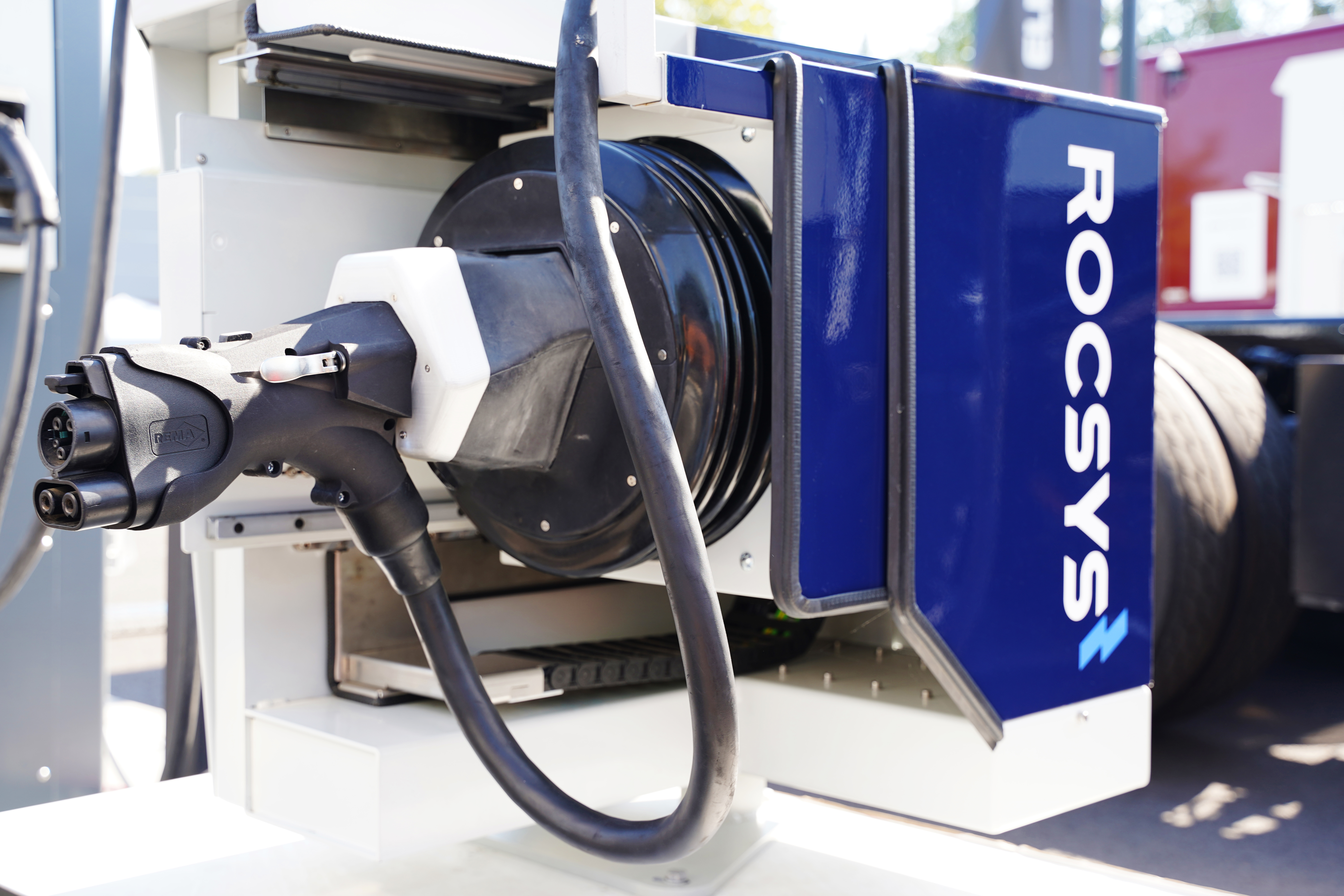
Waag Futurelab provides an independent, citizen-centred voice, advocating for ethical technology, open-source solutions, and the intersection of art, technology, and society. On the enterprise side, a cluster of Dutch startups has emerged at the frontier of urban tech: The Things Industries provides enterprise LoRaWAN network infrastructure for large-scale IoT deployments worldwide; Tiler uses IoT sensors for smart parking and mobility analytics; Sensorfact offers plug-and-play energy monitoring for industrial users; Rocsys develops autonomous robotic charging systems for electric vehicles; and Deeploy builds responsible AI deployment platforms that emphasise auditability and trust. StartupAmsterdam, a City of Amsterdam initiative, supports this ecosystem with resources, networking, and acceleration programmes, while Startup in Residence Amsterdam embeds startups directly within municipal departments to co-develop solutions for specific urban challenges.
Autonomous Boats and Circular Neighbourhoods
Amsterdam's flagship projects reflect the city's dual obsession with water and waste — and its talent for turning both into opportunities.
Roboat - Autonomous Boats Amsterdam, developed by AMS Institute and MIT, is piloting autonomous electric boats on Amsterdam's canals for passenger transport, waste collection, and water quality monitoring — reimagining the city's historic waterways as twenty-first-century infrastructure. Over 12,000 IoT devices deployed through the Amsterdam IoT Living Lab monitor air quality, noise, traffic, water levels, and infrastructure conditions in real time, feeding data into urban planning and operations.
The Smart Flow - Crowd Management Amsterdam crowd management system uses AI to manage pedestrian flows in the city centre, tackling the impacts of overtourism while protecting residents' quality of life — a balance Amsterdam has struggled with for years. Vehicle2Grid Amsterdam (Smart Energy) is deploying bidirectional charging infrastructure that enables electric vehicles to feed energy back into the grid, supporting renewable energy integration and grid stability during peak demand.
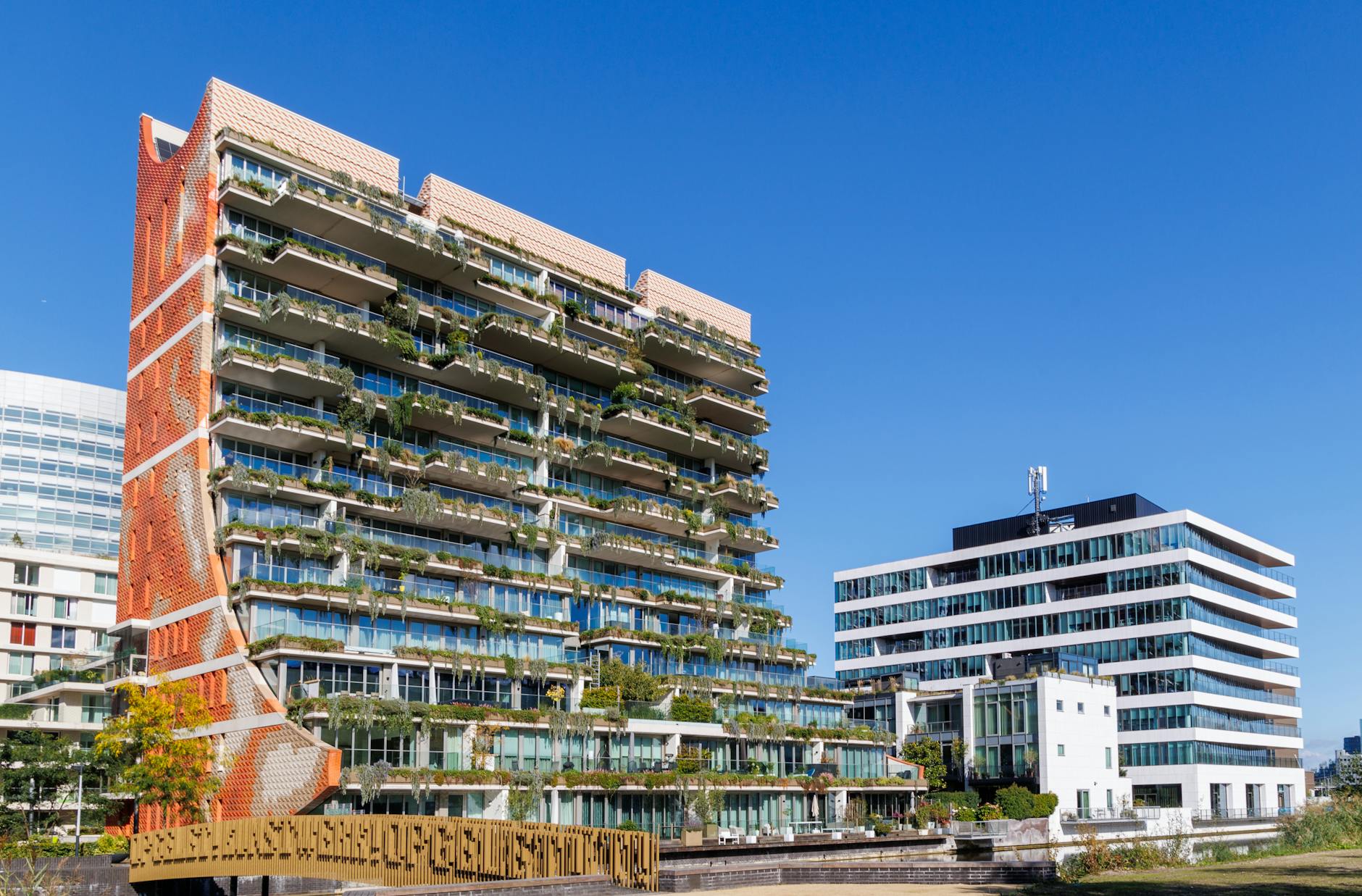
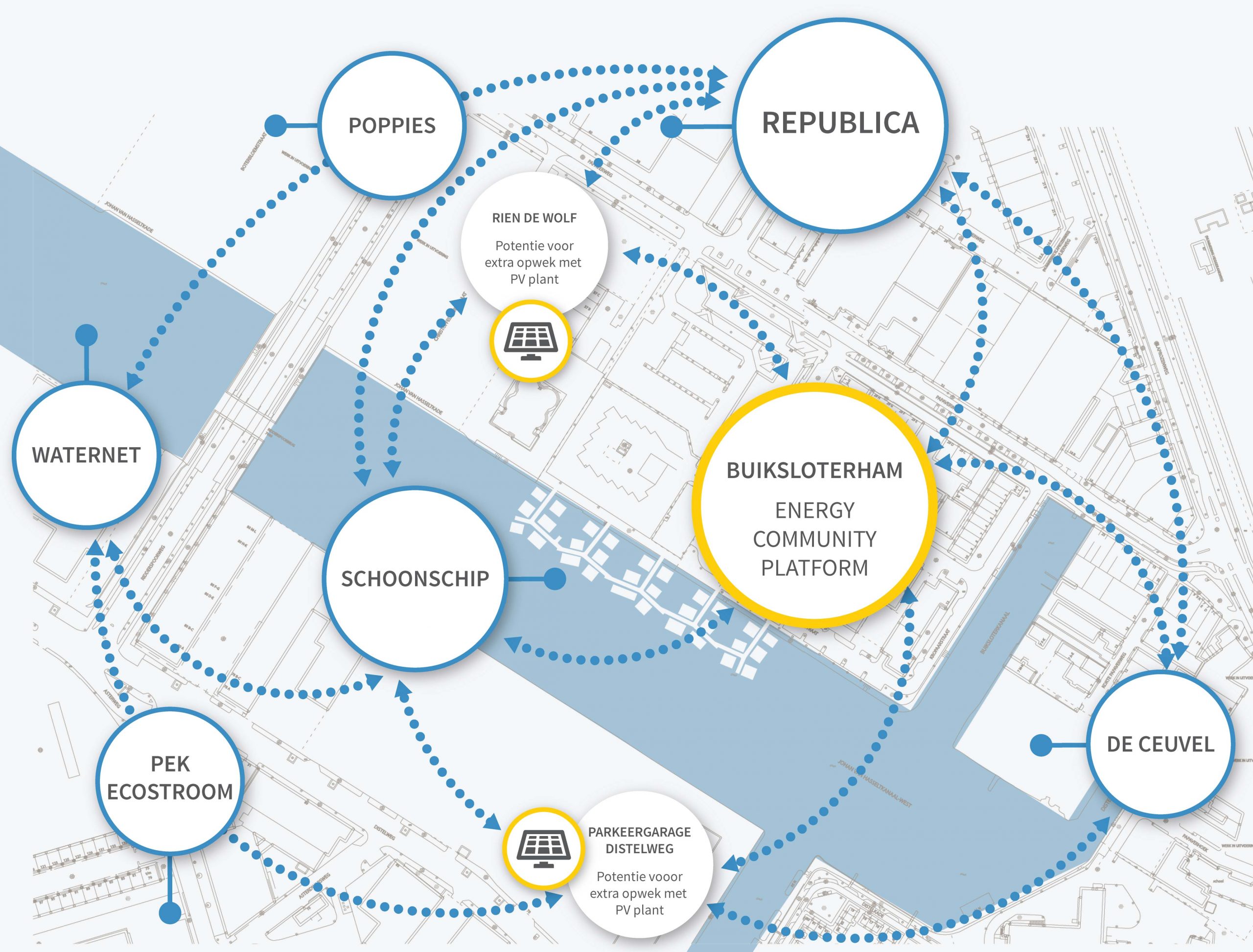
On the circular economy front, Circular Buiksloterham stands out as one of Europe's most ambitious urban experiments. This former industrial area in Amsterdam-Noord is being transformed into a circular district where buildings are designed for disassembly, waste is minimised by design, and water and energy systems are closed-loop. The city's broader goal — 100 per cent circularity by 2050 — has produced open-access tools like CircuLaw, developed with Dark Matter Labs, which helps policymakers identify legal instruments within existing legislation to accelerate the circular transition. From January 2025, a zero-emission zone in the city centre restricts polluting vehicles — one of the most progressive clean air measures in Europe.
Gezelligheid Goes Digital
Ask any Amsterdammer what makes the city special, and sooner or later you will hear the word gezelligheid — that untranslatable Dutch concept of warmth, cosiness, and togetherness. It is the atmosphere of a brown café on a rainy evening, a crowded King's Day boat parade, a neighbourhood market on a Saturday morning. And increasingly, it is the feeling when smart city technology works so seamlessly that it disappears into everyday life.
You can experience it at the Marineterrein Amsterdam Living Lab, wandering between experimental green rooftops, circular pavilions, and smart benches where researchers test urban innovations in the open. You feel it cycling across the city — Amsterdam's roughly 900,000 bicycles outnumber its residents — past smart traffic lights that give cyclists priority, along routes optimised through the city's Smart Mobility Programme. You encounter it on the canals themselves, where autonomous Roboats are quietly learning to navigate the same waterways that have defined the city for four centuries.
The Dutch have always been builders of consensus — polderen, as they call it — and Amsterdam's smart city approach extends that tradition into the digital realm. The Algorithm Register exists because Amsterdammers expect to know what the machines deciding about their welfare are actually doing. The Doughnut model was adopted because residents demanded that growth serve people and planet, not the other way around. In Buiksloterham, former warehouses are becoming circular apartments because the city believes waste is a design failure, not an inevitability. A 2024 study in Transportation Research noted that Amsterdam has set itself the goal of becoming the world's leading smart mobility city — and the data suggests it is well on its way, with near-perfect scores in safety, convenience, and cost-effectiveness.
In Amsterdam, the smart city is not imposed from above. It is negotiated, debated, and — in the most gezellig way possible — lived together.
References19 resources17 external
Resources
Organisation
Waag Futurelab
Researches ethical civic tech, open‑source digital infrastructure, and inclusive smart cities solutions.
Project
Amsterdam IoT Living Lab
12,000 IoT devices monitor air, noise, traffic, canals, and bridge health city‑wide.

Event
Cities for Digital Rights Conference 2025
City leaders, technologists, and civil society discuss ethical smart‑city technology and digital rights.
Knowledge
Amsterdam City Doughnut (Circular Economy)
Amsterdam’s doughnut blends circular construction, food reform, and global equity, pioneering data‑driven sustainability metrics.

Organisation
Startup in Residence Amsterdam
Incubates startups to solve municipal challenges via six‑month residencies, mentorship, pilots.
Organisation
Amsterdam Smart City Foundation
Facilitates smart‑city solutions across energy, mobility, circular economy, digital infrastructure, governance.
Organisation
AMS Institute
Creates scalable urban solutions with data, AI, interdisciplinary research for resilient cities.

Project
Vehicle2Grid Amsterdam (Smart Energy)
EVs feed energy back, cutting fossil reliance and earning owners savings through grid‑balancing trades.

Organisation
Deeploy
Enables transparent, auditable AI deployment for smart city applications across Europe public sector.

Organisation
The Things Industries
Provides scalable LoRaWAN network infrastructure for global smart city IoT deployments solutions.
Project
Circular Buiksloterham
Circular Buiksloterham turns industrial ruins into a self‑sustaining neighborhood with on‑site water recycling and modular buildings.

Project
Roboat - Autonomous Boats Amsterdam
Autonomous boats transport goods, collect waste, and monitor water quality across Amsterdam’s canals.

Organisation
StartupAmsterdam
Supports Amsterdam startups with resources, mentorship, events, and international promotion.
Organisation
Gemeente Amsterdam - Smart City Team
Coordinates ethical digital transformation, open data, digital twins, and citizen‑centric innovation program.
Organisation
Rocsys
Autonomous robots charge electric vehicles hands‑free, enabling fleet electrification in urban environments.
Organisation
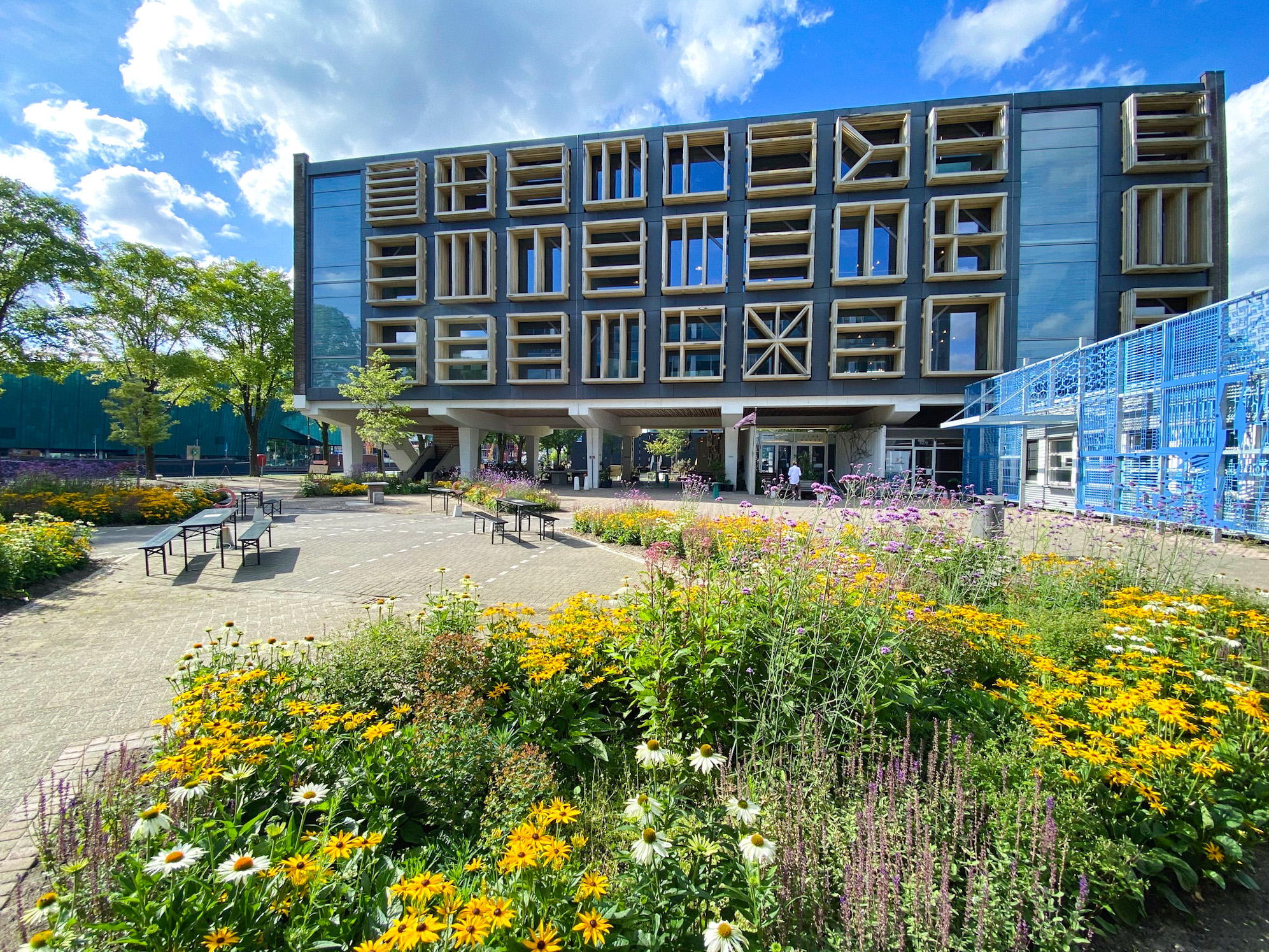
Marineterrein Amsterdam Living Lab
Transforms historic naval base into urban innovation hub testing sustainable technologies.
Knowledge
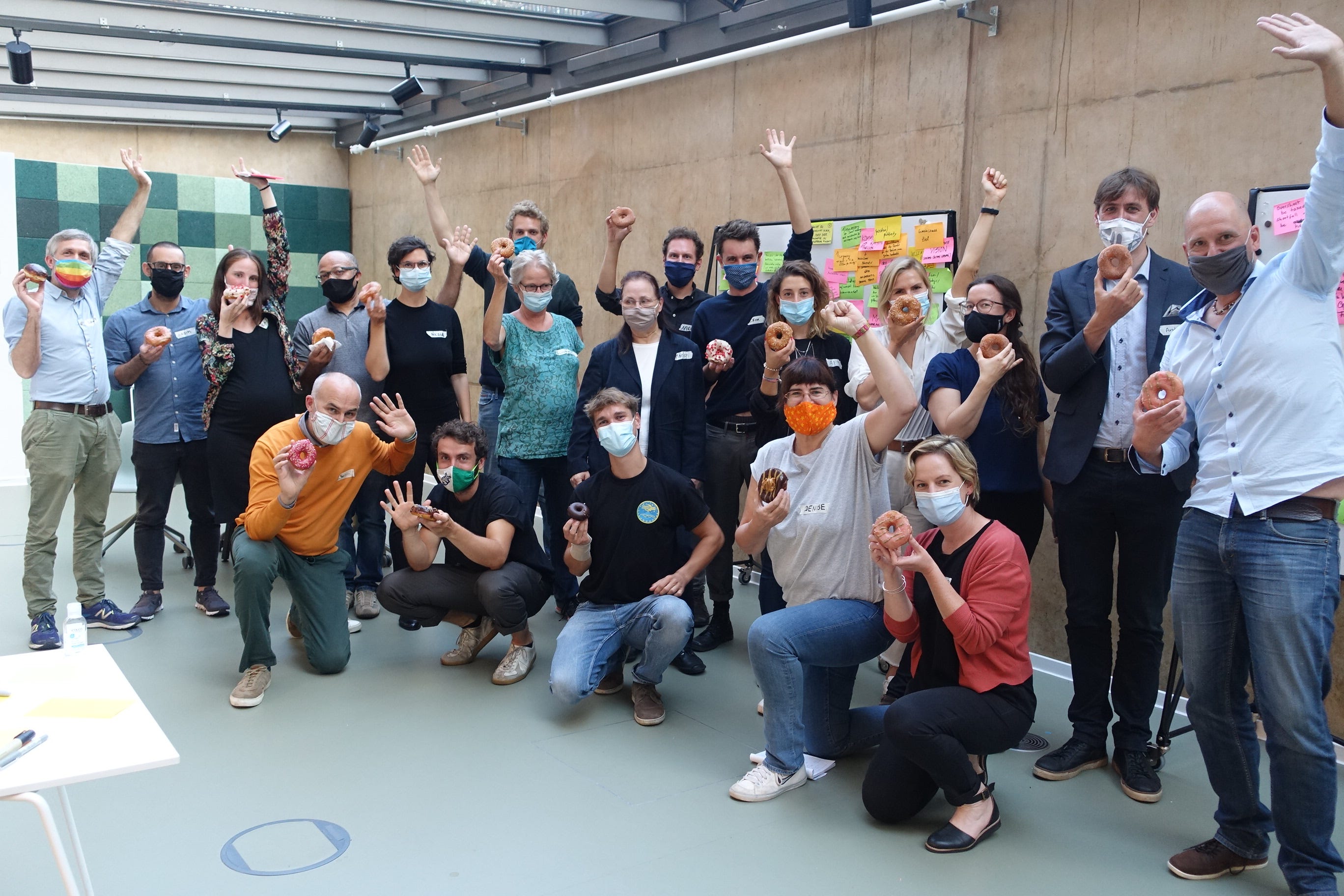
Doughnut Economics for Cities
Explore how cities balance social wellbeing and planetary limits with tools, workshops, and impact metrics.

Project
Smart Flow - Crowd Management Amsterdam
Live IoT sensors cut circling traffic, lower emissions, and guide drivers to free spots.

Organisation
Sensorfact
Plug‑and‑play IoT sensors with AI analytics enable real‑time energy reduction for buildings.
External Sources
Amsterdam Smart City / Amsterdam InChangeamsterdamsmartcity.comDigital City Agendaassets.amsterdam.nlAmsterdam Algorithm Registeralgoritmeregister.amsterdam.nlAlgorithm Register in the city of Amsterdamoecd.aiInside Amsterdam's high-stakes experiment to create fair welfare AItechnologyreview.comAiming for 100% circularity: Amsterdamellenmacarthurfoundation.orgMarineterrein — The Atlas of Urban Techatlasofurbantech.orgThe Opening of CRCL Park: A New Hub for Circular Innovationams-institute.orgAssessing Amsterdam's urban mobility through the lens of smart mobility goalssciencedirect.comSmart Mobility Programme 2019–2025ai4cities.euCircuLawcirculaw.nlZero-emission zone Amsterdamamsterdam.nlPolicy: Circular economyamsterdam.nlAmsterdam's Multiyear Digital Autonomy Strategy kicks off in 2026interoperable-europe.ec.europa.euThe Municipality of Amsterdam opts for digital autonomycio-platform.nlMeerjarenstrategie Digitale Autonomie 2026–2035openresearch.amsterdamProgress Report — Circular Economy Implementation Agenda 2023–2026openresearch.amsterdam