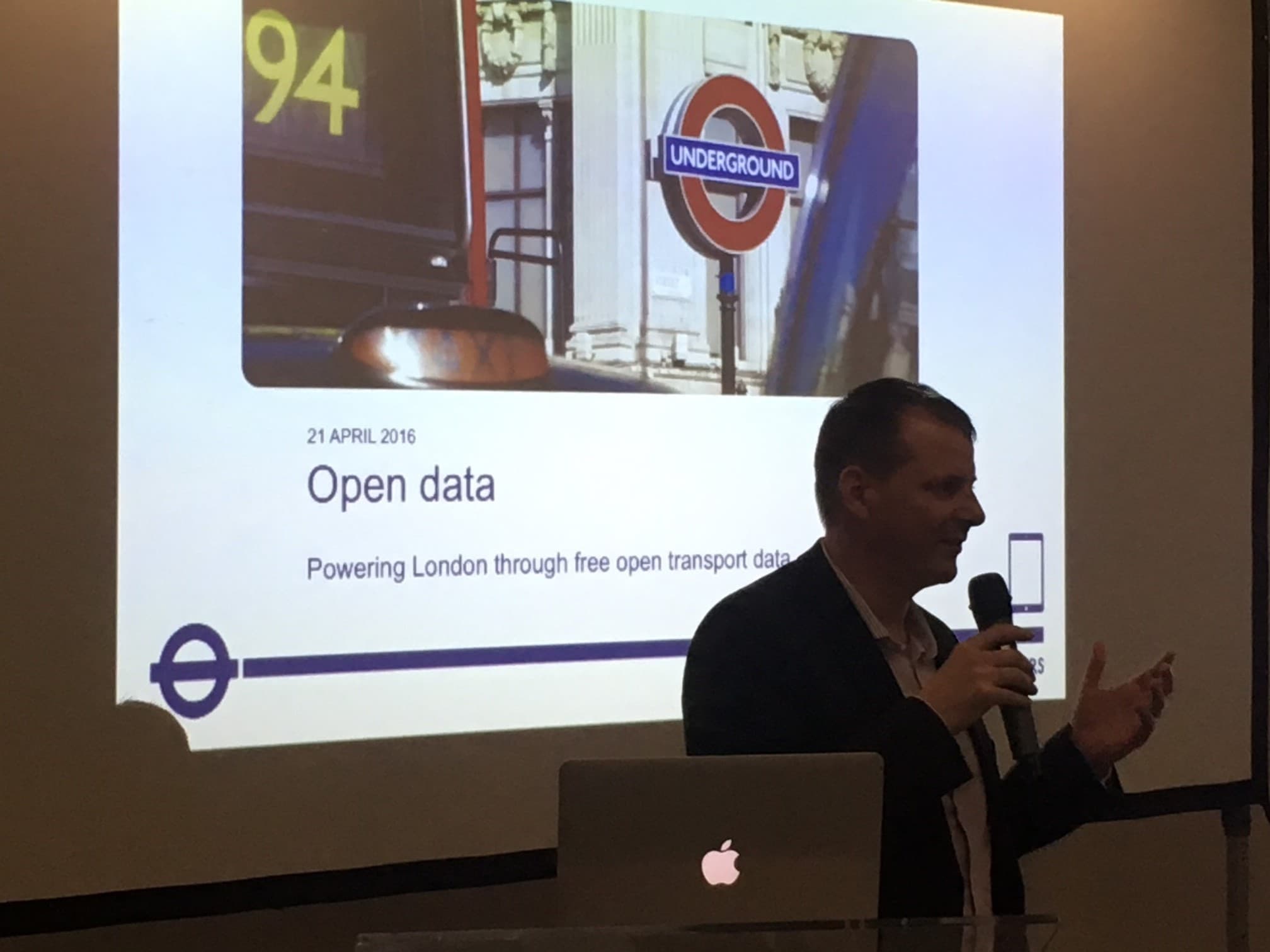
Overview of TfL Open Data Platform
The TfL Open Data Platform, managed by Transport for London, offers free access to a wide range of real‑time and static transport datasets. It serves developers, businesses, and the public, enabling the creation of over 700 applications that reach an estimated 42 % of London’s residents. The platform’s open‑data approach generates up to £130 million in annual economic benefits, according to an independent Deloitte assessment.
Core Data Streams Available
The platform consolidates diverse transport information through a unified RESTful API. Key streams include live arrivals for Tube, bus, Overground, Elizabeth line, DLR, and National Rail; multimodal journey planning; Santander Cycles docking availability; real‑time road traffic, camera feeds, and congestion charge data; step‑free access and lift status; anonymised Oyster and contactless travel statistics; air‑quality monitoring; and extensive GIS datasets covering routes, stations, and boundaries.
Technical Architecture and Access
All data feeds are merged into a single, well‑documented API accessible via api.tfl.gov.uk. Developers register for an Application ID and Key, then query endpoints organised by categories such as AccidentStats, AirQuality, BikePoint, Journey, Line, Mode, Occupancy, Place, Road, Search, StopPoint, and Vehicle. An interactive Swagger UI supports testing and exploration of the endpoints.
Economic and Social Impact
Deloitte’s assessment highlights four benefit areas:
- Customer benefits: Real‑time information helps travellers save time and avoid disruptions.
- Road user benefits: Drivers receive traffic updates that reduce journey times and fuel consumption.
- Business and innovation: The ecosystem, including apps like Citymapper, creates high‑value tech jobs and contributes roughly £130 million annually to London’s economy.
- TfL internal savings: Open data eliminates the need for TfL to develop its own apps and lowers contact‑centre call volumes as users self‑serve through third‑party tools.
Developer Community and Ecosystem
The platform fuels a vibrant community of commercial, specialist, academic, and civic developers. Notable commercial integrations include Citymapper, Google Maps, and Apple Maps. Specialist tools address accessibility navigation, cycling routes, freight logistics, and tourism. Universities use the data for transport modelling and AI training, while hackathons sponsored by TfL generate innovative new applications.
Global Influence and Benchmarking
TfL’s open‑data programme is regarded as a benchmark for transport authorities worldwide. Cities such as New York, Paris, Berlin, and Singapore study the London model for its executive commitment to openness, robust API infrastructure, active developer engagement, and measurable economic value. The platform demonstrates how open data can drive sustainable urban mobility solutions across diverse contexts.
Relevance to Sustainable Housing
For a pan‑European audience interested in sustainable housing, the TfL Open Data Platform provides essential transport intelligence that can be integrated into housing development planning. Real‑time and predictive travel data enable planners to assess connectivity, reduce car dependency, and design mixed‑use neighbourhoods with efficient public‑transport access. By leveraging open data, cities can create housing projects that align with climate‑friendly mobility goals, improve resident quality of life, and support broader sustainability targets.