Overview of Tallinn Master Plan 2026
The Tallinn Master Plan 2026 is a public spatial development framework for Estonia’s capital, presented by the city’s Urban Planning Department. It aims to create a high‑quality, human‑centred living environment where everyday services are easily reachable, while accelerating planning procedures and embedding digital tools in decision‑making.
Accelerated Planning Processes
Since spring 2025, a new work model introduced by Deputy Mayor Madle Lippus and department head Martin Karro has cut average processing times by roughly 700 days. In the first half of 2025, 44 detailed plans were approved, matching the total number for the whole of 2023. The city also prepares a new comprehensive plan (üldplaneering) to streamline building‑rights decisions and set clear expectations for high‑quality urban spaces.
Old City Harbour Redevelopment
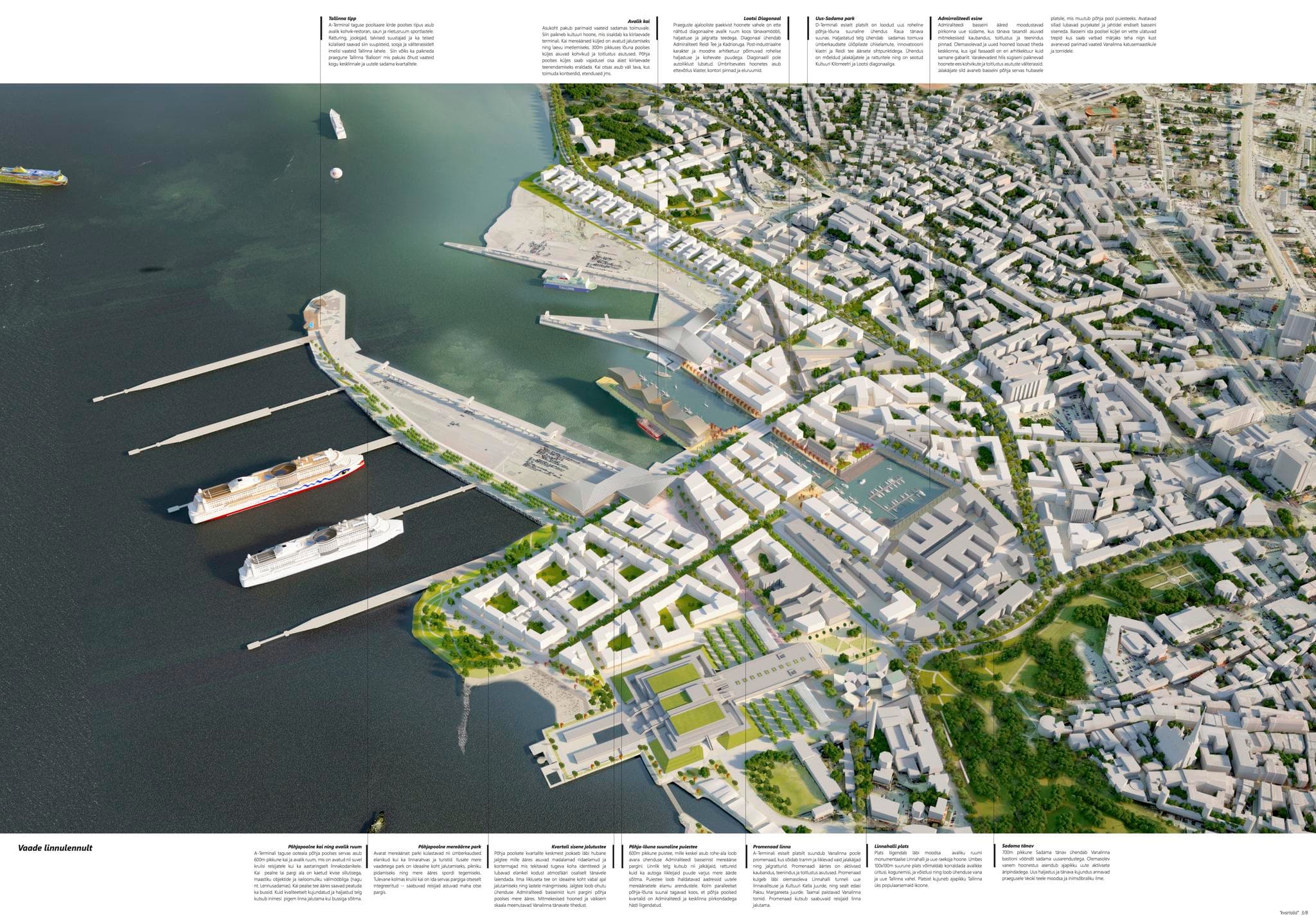
A flagship project is the 54‑hectare Old City Harbour transformation, guided by a masterplan from Zaha Hadid Architects (Masterplan 2030+). The proposal envisions over 800,000 m² of gross floor area, including offices, hotels, ground‑floor retail, market‑rate and affordable housing, schools, cultural venues, and institutional facilities. The development seeks to reconnect the port with the city centre and position real‑estate development alongside shipping as a core economic driver for the Port of Tallinn.
Pattern Buildings and Circular Construction
The Tallinn Pattern Buildings initiative promotes sustainable, circular construction for public buildings. Developed by the Estonian Academy of Arts’ Faculty of Architecture, the 3‑cycle modular system uses standardized, reusable timber components for kindergartens, schools, and small offices. Competitions for wooden modular kindergartens are already underway. An experimental phase (2026‑2027) led by the Academy will extend this knowledge across the public sector, reducing waste, shortening build times, and supporting climate goals.
Digital Planning and Data‑Driven Decisions
Digital tools are increasingly embedded in Tallinn’s planning workflow. Map‑based forecasting models predict demand for kindergartens, schools, and sports infrastructure, enabling smarter land‑use choices. A new planning register, slated for summer 2026, will provide public access to planning data and an open‑data statistics module, enhancing transparency and citizen participation. These efforts align with Tallinn’s broader smart‑city strategy, positioning it among Europe’s most digitally advanced planning authorities.
Pan‑European Relevance for Sustainable Housing
For a pan‑European audience focused on sustainable housing, the Master Plan demonstrates concrete steps toward circular construction, modular timber building, and integration of affordable housing within large‑scale urban regeneration. Key figures include a 54‑hectare harbour site, 800,000 m² of mixed‑use floor area, and a 700‑day reduction in planning timelines. The modular Pattern Buildings system exemplifies scalable, low‑carbon construction that could be replicated in other cities seeking to meet climate targets while delivering high‑quality residential and public spaces.