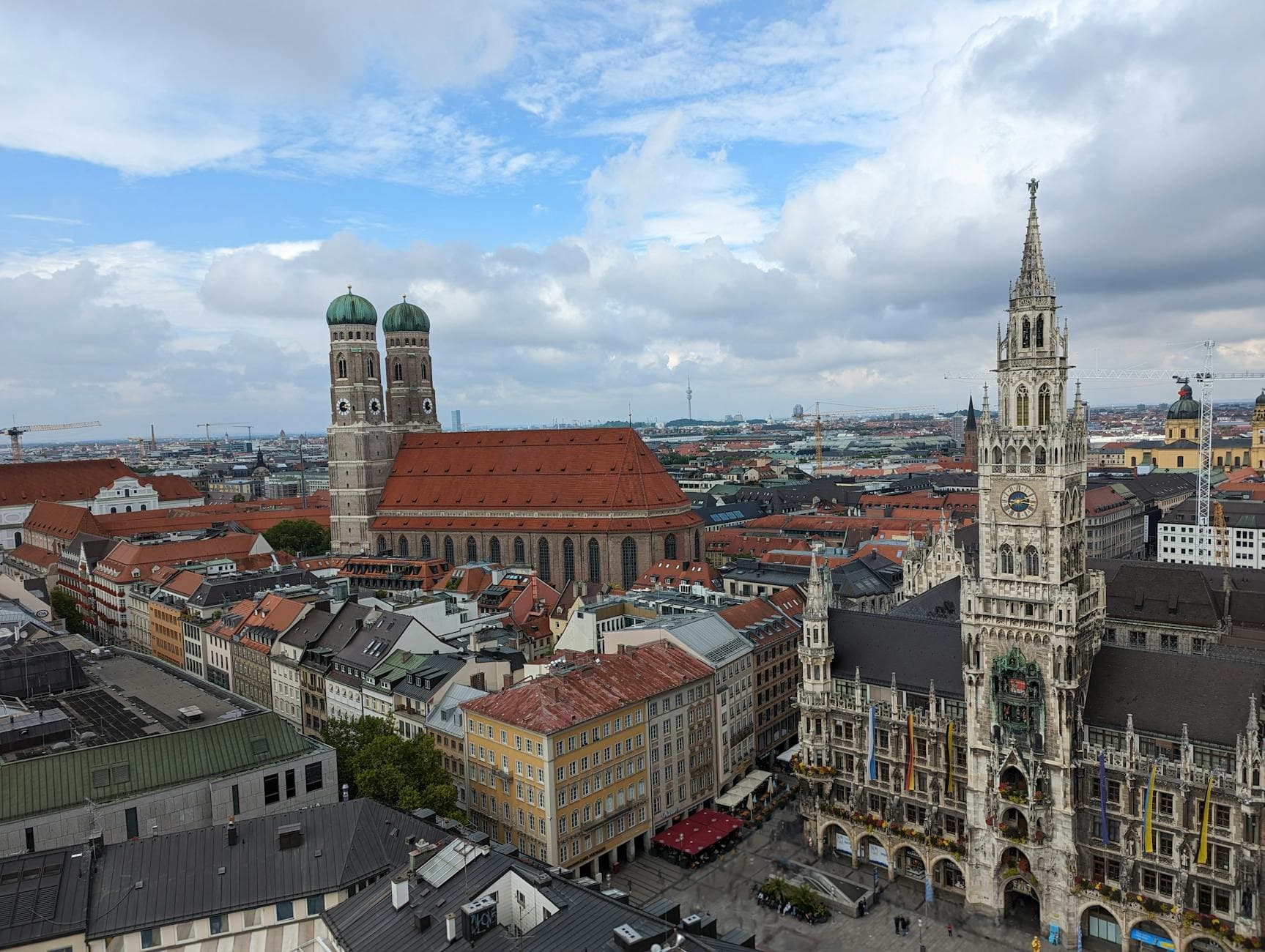
Overview of the Study
The resource “Smart City Initiatives: A Comparative Study – Munich Case” is a publicly available document hosted on the mymarshallplan Squarespace platform. It presents a detailed analysis of Munich’s smart city projects, focusing on how digital technologies, data-driven governance, and innovative urban planning are integrated to improve city life. The study is part of a broader database of smart‑city research and was submitted to the database on April 29 2026.
Munich’s Smart‑City Framework
Munich’s approach combines high‑speed fiber networks, open data portals, and citizen‑centric services. The city has deployed an extensive sensor network that monitors traffic flow, energy consumption, and air quality in real time. These data streams feed into a central platform that supports predictive analytics for traffic management and energy optimization, reducing congestion and lowering municipal energy use.
Sustainable Housing Initiatives
A core component of Munich’s smart‑city agenda is the promotion of sustainable housing. The study highlights several projects that integrate renewable energy systems, such as photovoltaic façades and district heating networks powered by biomass. Energy‑efficient retrofitting programs target existing apartment blocks, aiming to reduce heating demand by up to 30 %. Smart meters installed in over 80 % of residential units enable real‑time consumption monitoring and dynamic pricing, encouraging residents to shift usage to off‑peak periods.
Mobility and Urban Design
The document details Munich’s multimodal transport strategy, which links electric bike‑sharing stations, low‑emission bus fleets, and a fully integrated public‑transport ticketing system. A dedicated “green corridor” connects new residential districts with existing neighborhoods, prioritizing pedestrian and cyclist pathways. The mobility plan is designed to cut private car trips by 15 % within five years, directly supporting lower emissions from the housing sector.
Data‑Driven Policy Making
Munich utilizes an open‑data portal that publishes anonymized datasets on housing energy performance, water usage, and waste generation. Policymakers access these datasets to benchmark progress against EU sustainability targets. The study notes that, as of the latest reporting period, Munich’s residential buildings have achieved a 12 % reduction in CO₂ emissions compared with the national average, illustrating the impact of data‑informed interventions.
Public‑Private Partnerships
The research outlines several collaborations between the city administration, technology firms, and housing developers. Notable examples include a joint venture with a leading renewable‑energy provider to install solar panels on new social‑housing projects, and a partnership with a smart‑building platform that offers automated climate control for tenant‑owned apartments. These partnerships are structured to share risk and accelerate the rollout of sustainable technologies.
Key Findings for Pan‑European Audiences
- Munich’s integrated sensor network covers over 1,200 km of city streets, delivering continuous environmental data.
- Sustainable retrofitting targets a cumulative savings of 45 GWh of electricity annually across the housing stock.
- Smart‑meter penetration in residential units exceeds 80 %, enabling demand‑response programs that have lowered peak loads by 5 %.
- The city’s multimodal transport initiatives have reduced car‑kilometres travelled by 7 % per capita since 2022.
- Public‑private collaborations have attracted €250 million in investment for energy‑efficient housing projects between 2023 and 2025.
Conclusion and Outlook
The comparative study demonstrates that Munich’s smart‑city model effectively blends digital infrastructure with sustainable housing policies. By leveraging real‑time data, fostering public‑private cooperation, and prioritizing low‑carbon building practices, the city provides a replicable framework for other European municipalities seeking to meet climate goals while enhancing urban livability. Continued monitoring and the expansion of open‑data initiatives are essential to sustain progress and to inform future policy decisions across the continent.