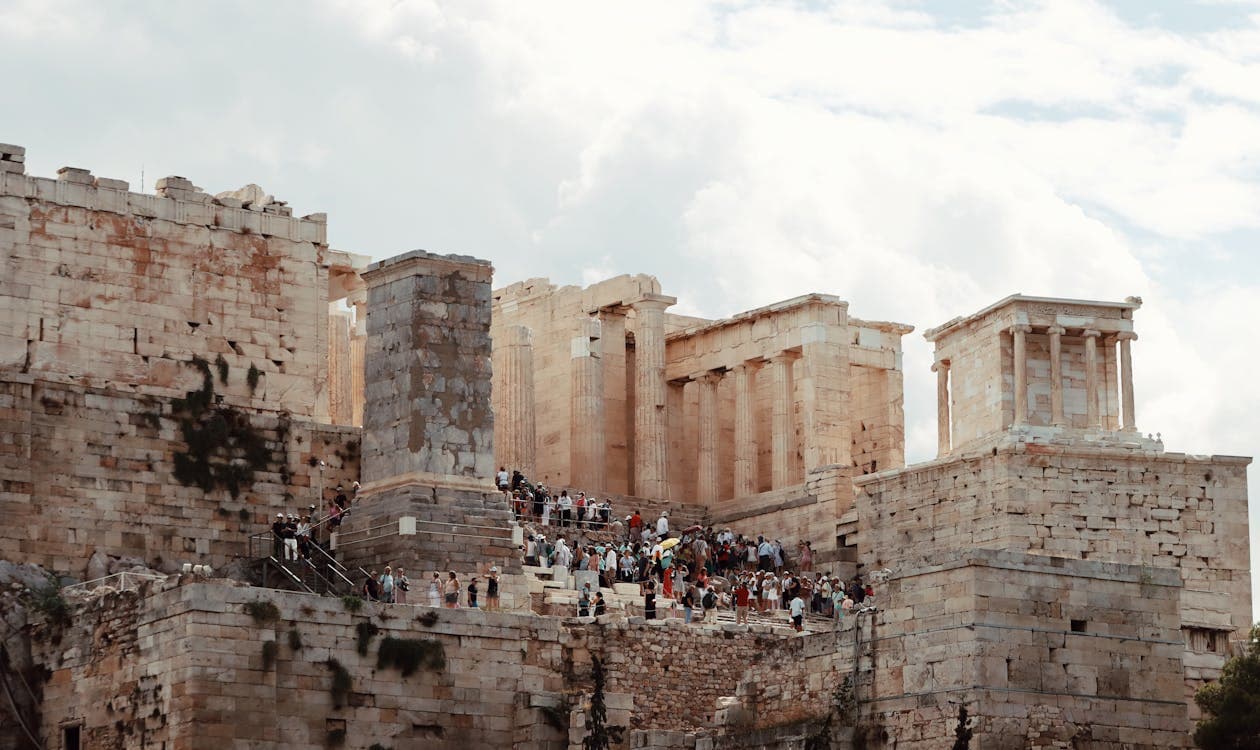
Overview of the Athens Resilience Strategy
The Athens Resilience Strategy for 2030 is a comprehensive urban resilience framework created by the City of Athens in partnership with the Resilient Cities Network. It aims to address acute shocks such as earthquakes, heatwaves, and civil unrest, as well as chronic stresses like long‑term unemployment, homelessness, poor air quality, and the lingering effects of economic austerity. The strategy provides a long‑term vision for making the capital more sustainable, inclusive, and climate‑ready, positioning Athens as a pioneering example for European cities confronting similar challenges.
Climate and Heat Adaptation Measures
Athens leads in urban heat resilience, having appointed a Chief Heat Officer and developed a Heat Action Plan. Projections indicate a potential increase of 2 °C in average summer temperatures by 2050, with up to 15‑20 additional heatwave days per year. The city’s urban heat island can create temperature differences of up to 10 °C between the center and suburbs. To combat this, the strategy invests in nature‑based solutions, expands green corridors, and promotes shading infrastructure, directly contributing to sustainable housing by reducing cooling demand and improving indoor comfort.
Governance and Institutional Strengthening
The strategy emphasizes transparent decision‑making, inter‑departmental coordination, and participatory planning. By fostering stronger collaboration between municipal authorities, citizens, and stakeholders, it creates institutional resilience that supports the implementation of sustainable housing policies, such as energy‑efficient retrofits and climate‑responsive zoning.
Social Cohesion and Community Resilience
Addressing the social fragmentation caused by the 2008‑2015 economic crisis is central to the plan. Initiatives target vulnerable groups, strengthen community networks, and ensure equitable access to public services and green spaces. This social focus underpins sustainable housing by promoting inclusive neighbourhood development and reducing socioeconomic disparities.
Green Infrastructure and Nature‑Based Solutions
Key projects include three green corridors linking parks, tree‑planting programs, and sustainable water management on Lycabettus Hill. These interventions improve air quality, lower ambient temperatures, and create pedestrian‑friendly routes, thereby enhancing the livability of residential areas and supporting low‑carbon housing developments.
Financing and Implementation Highlights
A landmark €55 million loan from the European Investment Bank underpins the strategy. Funding has been allocated to retrofitting five public buildings (schools, a cinema, and a radio station) for energy efficiency and seismic resilience, expanding green corridors, and executing the 2030 Climate Neutrality Action Plan. These investments directly reduce energy consumption in housing stock and increase resilience to climate impacts.
Measurable Outcomes and Impact
The strategy has already identified significant climate risks: a projected doubling of heatwave days by 2050 and temperature differentials of up to 10 °C within the city. Retrofitting efforts target high‑energy‑use buildings, while green corridor development aims to lower urban heat island intensity. The combined actions are expected to cut residential energy demand and improve indoor environmental quality.
Relevance for Pan‑European Sustainable Housing
For a pan‑European audience, Athens illustrates how integrated governance, climate adaptation, social inclusion, and green infrastructure can be combined to create resilient, sustainable housing environments. The €55 million EIB loan demonstrates the potential of international financing to support large‑scale urban transformation. Other European cities can draw on Athens’ experience to design policies that simultaneously address climate risks, socioeconomic challenges, and housing sustainability.