Overview of the Report
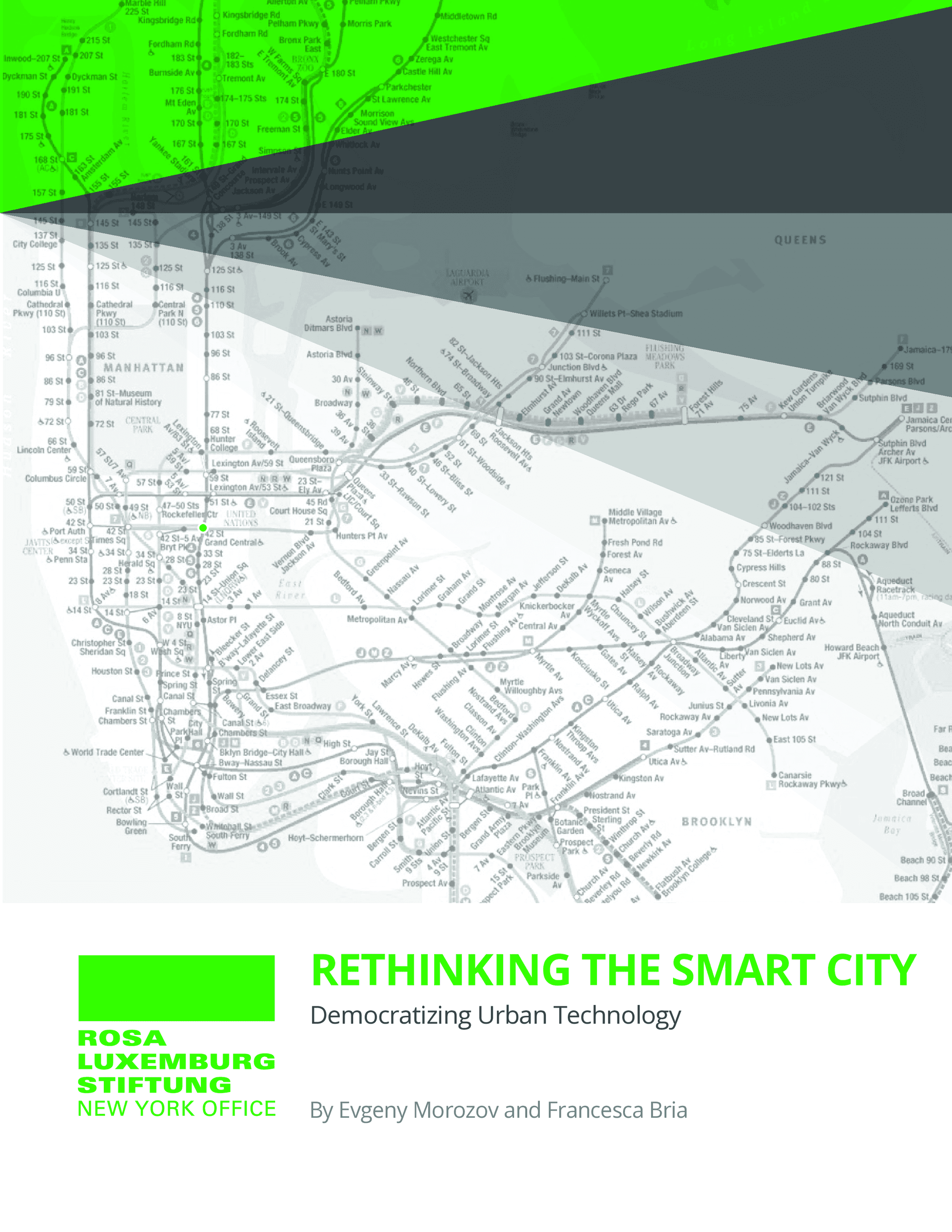
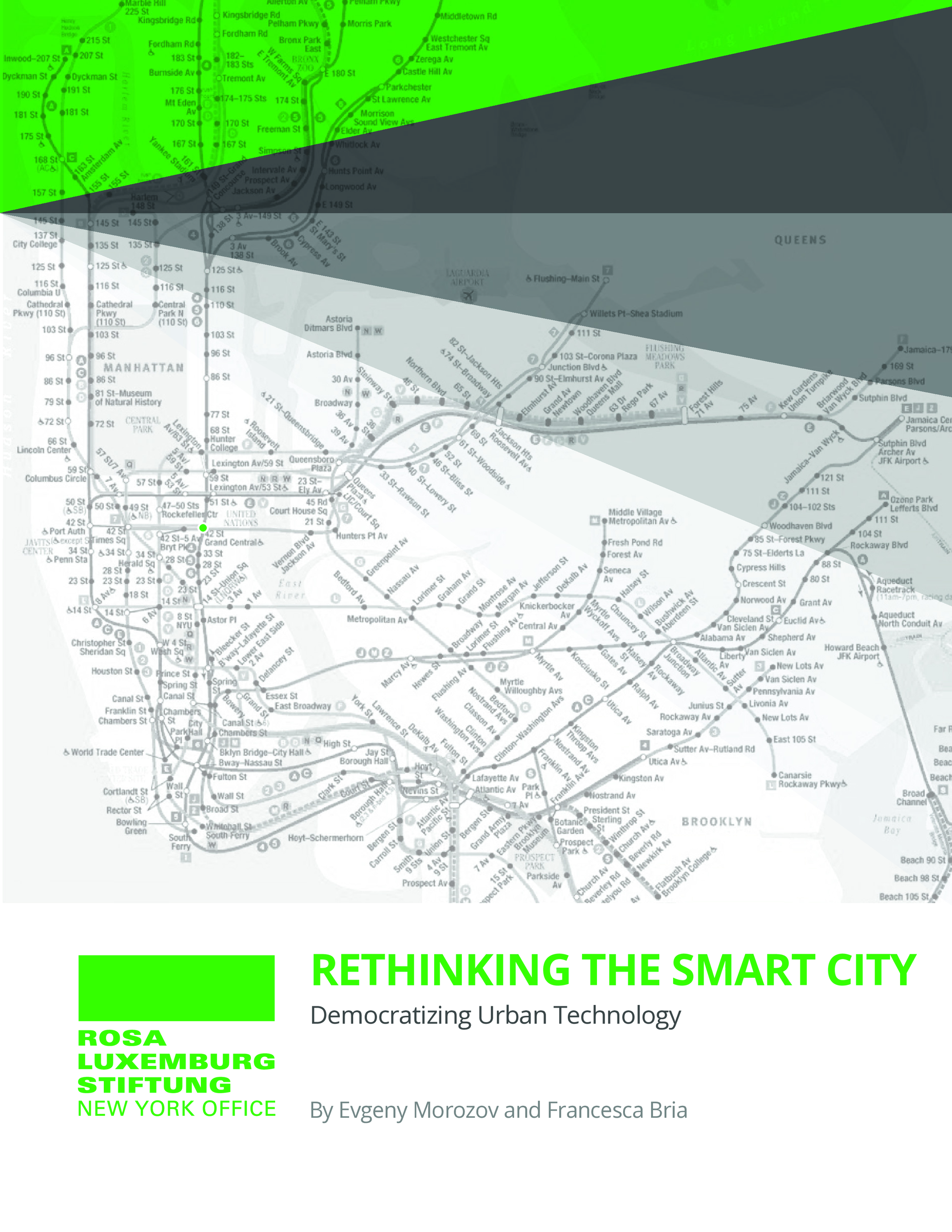
Rethinking the Smart City: Democratizing Urban Technology is a report published by the Rosa Luxemburg Stiftung New York. Authored by Evgeny Morozov, a well‑known scholar of technology and society, and Francesca Bria, former Chief Technology Officer of Barcelona, the study examines how digital infrastructure can be shaped to serve public interests rather than corporate profit. The authors draw on their experience in European smart‑city initiatives and critique the prevailing vendor‑lock‑in models.
Vision for Sustainable Urban Living
The report argues that a truly sustainable city must integrate affordable housing with open, interoperable technology platforms. It highlights that cities relying on proprietary systems often face higher costs and limited adaptability, which can hinder long‑term housing sustainability. By contrast, open‑source solutions enable municipalities to upgrade services without costly replacements, supporting the maintenance of energy‑efficient buildings and shared resources across European urban areas.
Key Technological Findings
- Open code and modular architectures reduce lock‑in risk and lower maintenance expenses by up to 30 % in pilot projects.
- Data‑sharing frameworks improve energy‑usage monitoring in residential blocks, leading to average reductions of 12 % in heating and cooling consumption.
- Interoperable sensors enable real‑time detection of water leaks and waste inefficiencies, cutting utility losses by an estimated 8 % in multi‑family dwellings.
Evidence from European Pilots
The authors cite several case studies, including Barcelona’s “Sentilo” platform and Helsinki’s open‑data housing dashboard. In Barcelona, open‑source sensor networks helped retrofit 2,000 apartments with smart thermostats, achieving a collective saving of 1.5 GWh per year. Helsinki’s data portal facilitated cross‑sector collaboration, resulting in a 10‑year plan to retrofit 20 % of its social‑housing stock with energy‑efficient technologies.
Policy Recommendations for Housing Stakeholders
- Mandate Open Standards – European municipalities should require that any smart‑city procurement adopts open standards, ensuring future compatibility with sustainable housing upgrades.
- Create Funding Pools – Dedicated EU funds should support the development of open‑source tools for energy management in residential complexes.
- Establish Governance Bodies – Multi‑stakeholder committees, including housing associations, should oversee the deployment of digital infrastructure to align technology with social‑housing goals.
Societal Impact and Equity
The report stresses that democratizing technology can reduce social inequalities in housing. Open platforms allow residents to access real‑time information about energy use, rent payments, and maintenance schedules, fostering greater transparency. Moreover, community‑driven data models empower tenants to co‑design services, leading to higher satisfaction and lower turnover rates.
Future Outlook for Pan‑European Smart Housing
Morozov and Bria conclude that scaling open, interoperable technologies across Europe could accelerate the continent’s climate‑neutral housing targets. They estimate that, if adopted widely, such approaches could cut residential carbon emissions by 15 % by 2035. The authors call for coordinated research, cross‑border knowledge exchange, and sustained political commitment to embed these practices into the fabric of European urban development.