Overview of the Resource
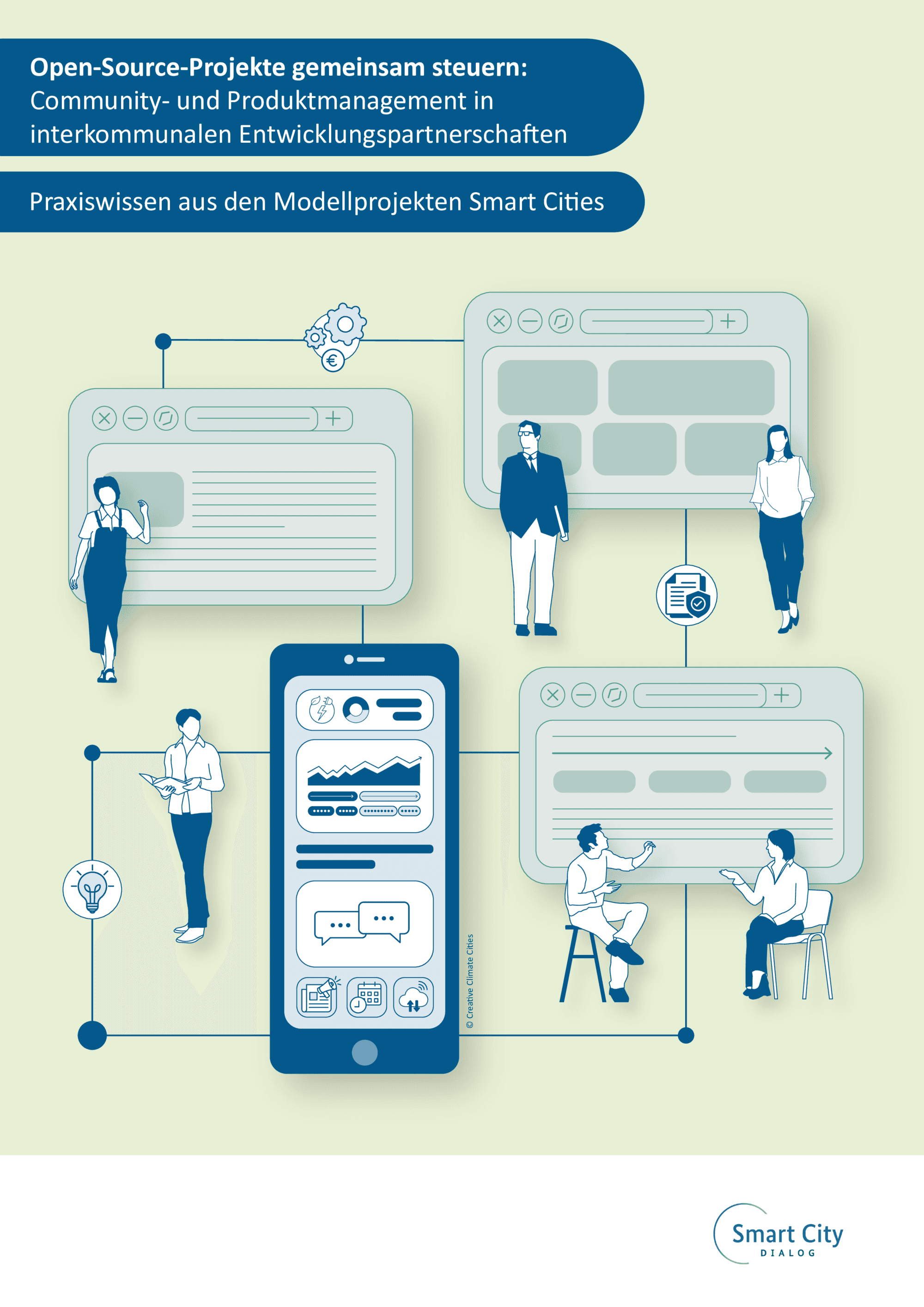
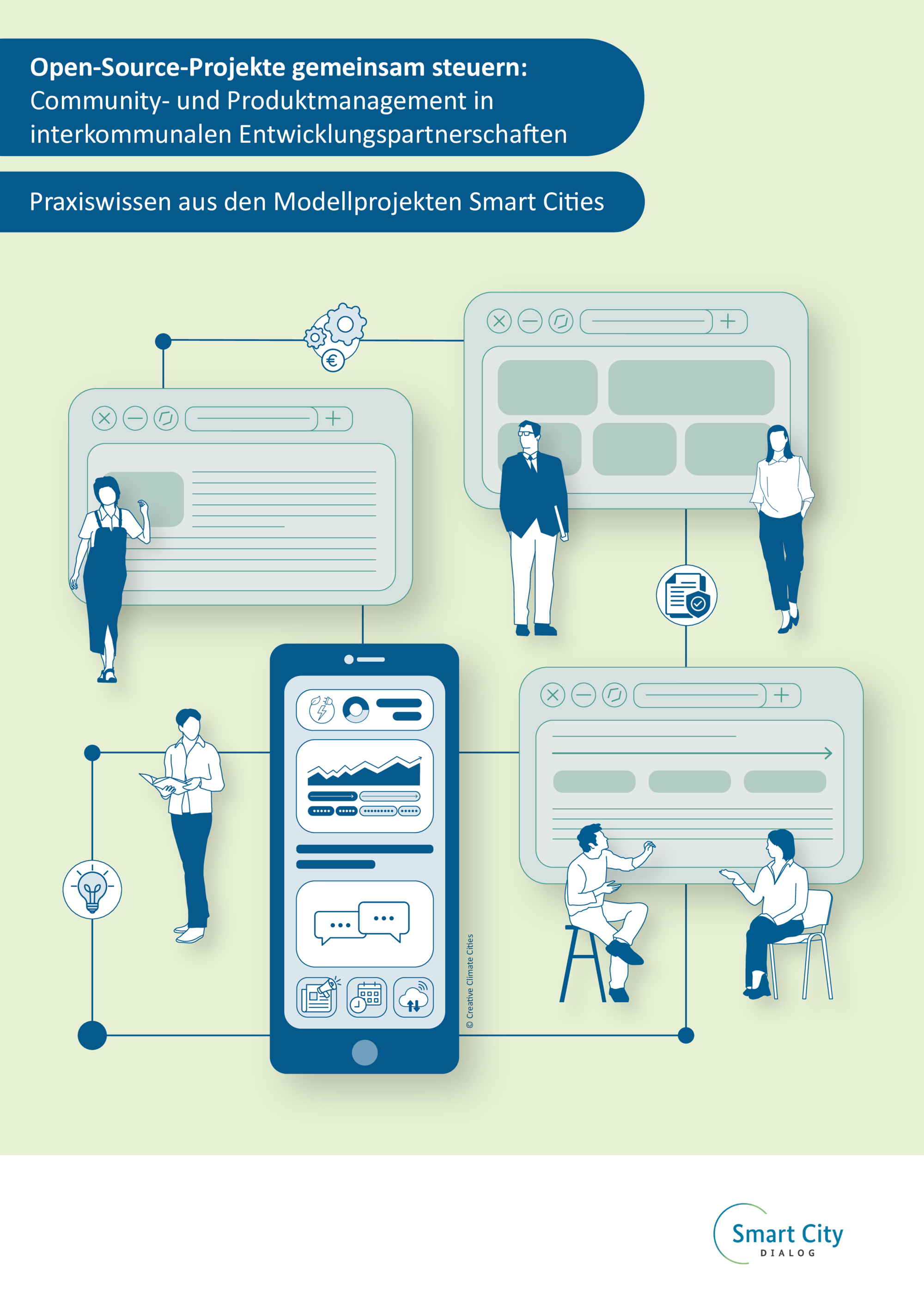
The guide “Open‑Source‑Projekte gemeinsam steuern” is a comprehensive manual published by the KTS (Kommunale Technologie‑Stiftung) in April 2026. It addresses community‑ and product‑management practices for inter‑municipal development partnerships, focusing on open‑source projects that support smart‑city initiatives across Germany and Europe. The document is publicly available through the Smart‑City‑Dialog platform and was submitted to the database on 2 October 2026.
Relevance for Sustainable Housing
The guide highlights how open‑source collaboration can accelerate the deployment of sustainable housing solutions, such as energy‑efficient building management systems, shared mobility interfaces, and modular construction tools. By pooling resources and expertise across municipalities, the approach reduces duplication, lowers costs, and facilitates the scaling of green technologies in residential contexts.
Core Management Methodologies
Key management methods presented include iterative product development cycles, transparent governance structures, and community‑driven issue tracking. The manual stresses the importance of clear role definitions, regular stakeholder workshops, and the use of open standards to ensure interoperability of housing‑related digital services.
Data‑Driven Decision Making
The document provides quantitative insights: pilot projects in 12 German cities reported up to a 30 % reduction in energy consumption after integrating open‑source building‑automation modules. Additionally, cost analyses show an average savings of €1,200 per household when using shared open‑source platforms for energy monitoring versus proprietary solutions.
Collaboration Frameworks
Several partnership models are outlined, ranging from joint‑venture agreements between municipalities to consortiums that include universities and private firms. The guide details contractual templates, licensing options (e.g., GPL, MIT), and mechanisms for joint intellectual‑property management that protect contributors while encouraging widespread adoption.
Success Stories and Case Studies
The manual documents successful implementations, such as the “Smart Village App” deployed in a cluster of 56 municipalities, enabling residents to monitor energy use, report maintenance issues, and coordinate shared mobility. Another case study describes the integration of OSCA’s open‑source platform into a regional housing cooperative, resulting in a 25 % increase in tenant engagement with sustainability programs.
Technical Standards and Tools
A curated list of technical standards—such as IEC 61850 for energy communication, OGC standards for spatial data, and JSON‑LD for metadata—supports developers in building compatible solutions. Recommended tools include GitLab for version control, Jira for issue tracking, and Docker for containerized deployment of housing‑management services.
Impact Measurement and Evaluation
The guide proposes a set of key performance indicators (KPIs) to monitor the effectiveness of open‑source housing projects: energy savings (kWh), CO₂ emission reductions (tonnes), cost per square meter of retrofitting, and user satisfaction scores. Regular reporting cycles are recommended to ensure continuous improvement.
Future Outlook for Pan‑European Adoption
While the current focus is on German municipalities, the methodologies and tools are designed for scalability across European regions. The manual underscores the potential for cross‑border collaboration, leveraging EU funding mechanisms to expand sustainable housing initiatives that are built on open‑source foundations.