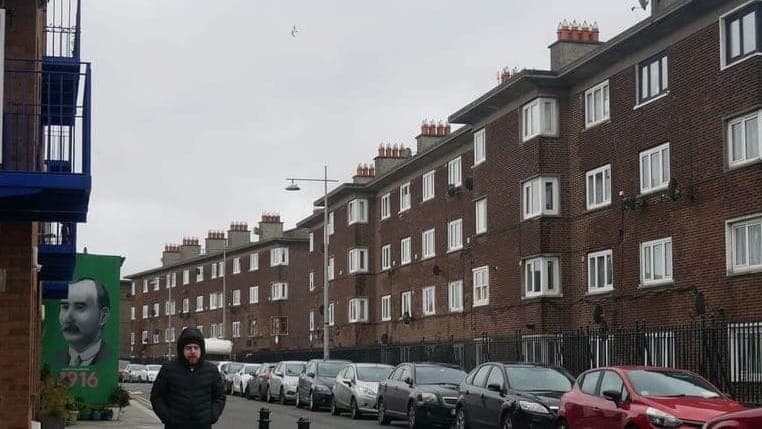
Overview of the Article
The piece titled “In need of €439 million to reduce carbon emissions, the council got €70,500” was published by the Dublin Inquirer, a news outlet covering Irish municipal affairs. It reports on the stark disparity between Dublin City Council’s ambitious decarbonisation budget—estimated at roughly €439 million for zone‑wide housing and infrastructure projects—and the modest €70,500 actually allocated to date. The article is classified as a public news/feature item and was submitted to the database on 20 October 2026.
Financial Gap Highlighted
According to the article, the council’s climate strategy outlines extensive investments to retrofit existing housing, develop energy‑efficient new builds, and implement renewable energy systems across the city. The total projected cost for these initiatives reaches €439 million. However, the council has only secured €70,500, a fraction of the required funding, underscoring a significant financing shortfall that hampers progress toward the city’s emissions‑reduction targets.
Sustainable Housing Targets
The council’s plan aims to lower residential carbon footprints by upgrading insulation, installing heat‑pump systems, and promoting low‑emission building materials. Specific goals include reducing per‑household emissions by 30 % by 2030 and achieving net‑zero housing stock by 2050. The article notes that without sufficient capital, these targets remain largely aspirational.
Allocation Details
The €70,500 currently available is earmarked for pilot projects and feasibility studies rather than full‑scale implementation. The funding is intended to test innovative retrofitting techniques and gather data on cost‑effectiveness, but it is insufficient for widespread roll‑out across Dublin’s housing stock.
Context Within European Climate Efforts
Dublin’s situation mirrors challenges faced by many European cities striving to meet the EU Green Deal objectives. While national and EU‑level funding mechanisms exist, local authorities often encounter bottlenecks in accessing and deploying resources quickly enough to meet decarbonisation timelines.
Implementation Barriers
Key obstacles identified in the article include bureaucratic delays, limited private‑sector investment, and the high upfront costs of energy‑efficient technologies. The council’s limited budget restricts its ability to offer incentives or subsidies that could accelerate private adoption of sustainable housing measures.
Implications for Stakeholders
For developers, architects, and sustainable‑housing advocates across Europe, the Dublin case serves as a cautionary example of the importance of securing adequate financing early in the planning process. The data presented—€439 million needed versus €70,500 allocated—highlights the scale of investment required to achieve meaningful emissions reductions in the residential sector.
Source and Accessibility
The full article is available on the Dublin Inquirer website (https://www.dublininquirer.com/in-need-of-eur439-million-to-reduce-carbon-emissions-the-council-got-eur70-500/). It was automatically submitted to the database by the SCH profile routine and is marked as public, non‑AI‑generated content.