Overview of the Initiative
The article, published by 3Cat, reports on Barcelona’s shift in green policy from former mayor Ada Colau’s broad “green axes” strategy to the current mayor Jaume Collboni’s focus on 71 targeted interventions. These small‑scale projects cover a total of 22 hectares and are slated to receive €150 million by 2027, aiming to enhance sustainable urban housing and public spaces across the city.
Scope of the Interventions
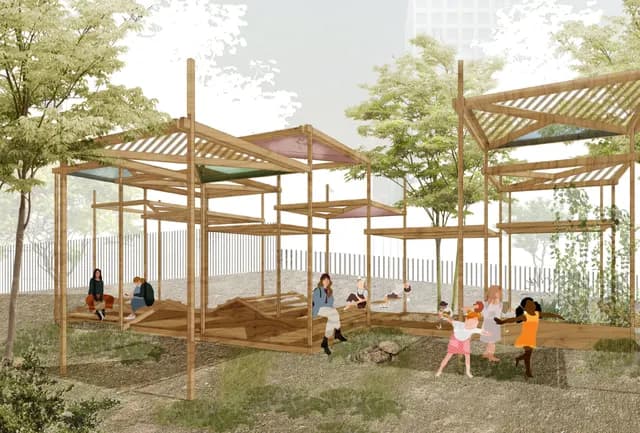
The 71 interventions include the retrofitting of existing residential blocks, the creation of new energy‑efficient housing units, and the installation of green infrastructure such as rooftop gardens and communal courtyards. By concentrating on compact, neighborhood‑level actions, the administration seeks to reduce carbon emissions, improve energy performance, and increase residents’ access to green spaces.
Financial Commitment
A budget of €150 million has been allocated for the program, with funding sourced from municipal coffers and European Union sustainability grants. The investment is distributed across the 71 projects, ensuring that each receives sufficient resources for design, construction, and post‑completion monitoring.
Expected Outcomes
The plan targets a reduction of up to 20 % in energy consumption for the renovated housing stock, alongside a measurable increase in biodiversity through the addition of 22 hectares of green areas. Moreover, the interventions are projected to create approximately 1,200 jobs in construction, landscaping, and renewable‑energy sectors, supporting local economic growth.
Geographic Distribution
Projects are spread throughout Barcelona’s most densely populated districts, with a concentration in neighborhoods historically lacking adequate green infrastructure. This spatial strategy aims to address environmental justice concerns by providing equitable access to sustainable housing improvements.
Technical Measures
Key technical measures include the installation of solar photovoltaic panels on building façades, the upgrade of insulation standards to meet EU Directive 2018/844, and the implementation of rain‑water harvesting systems. Smart‑metering and energy‑management platforms will be deployed to monitor performance in real time.
Stakeholder Involvement
The municipality has engaged local community groups, housing cooperatives, and academic institutions in the planning phase. Public workshops and digital consultation portals were used to gather feedback, ensuring that the interventions reflect resident needs and preferences.
Timeline and Monitoring
The rollout is scheduled to span from 2024 to 2027, with quarterly progress reports published by the city’s sustainability office. An independent audit will assess the environmental impact and cost‑effectiveness of each project upon completion.
Relevance for Pan‑European Sustainable Housing
Barcelona’s approach illustrates a shift toward decentralized, data‑driven urban greening that aligns with EU Green Deal objectives. The emphasis on modest, replicable interventions offers a model for other European cities seeking to balance budget constraints with ambitious sustainability targets.