Overview of the Report
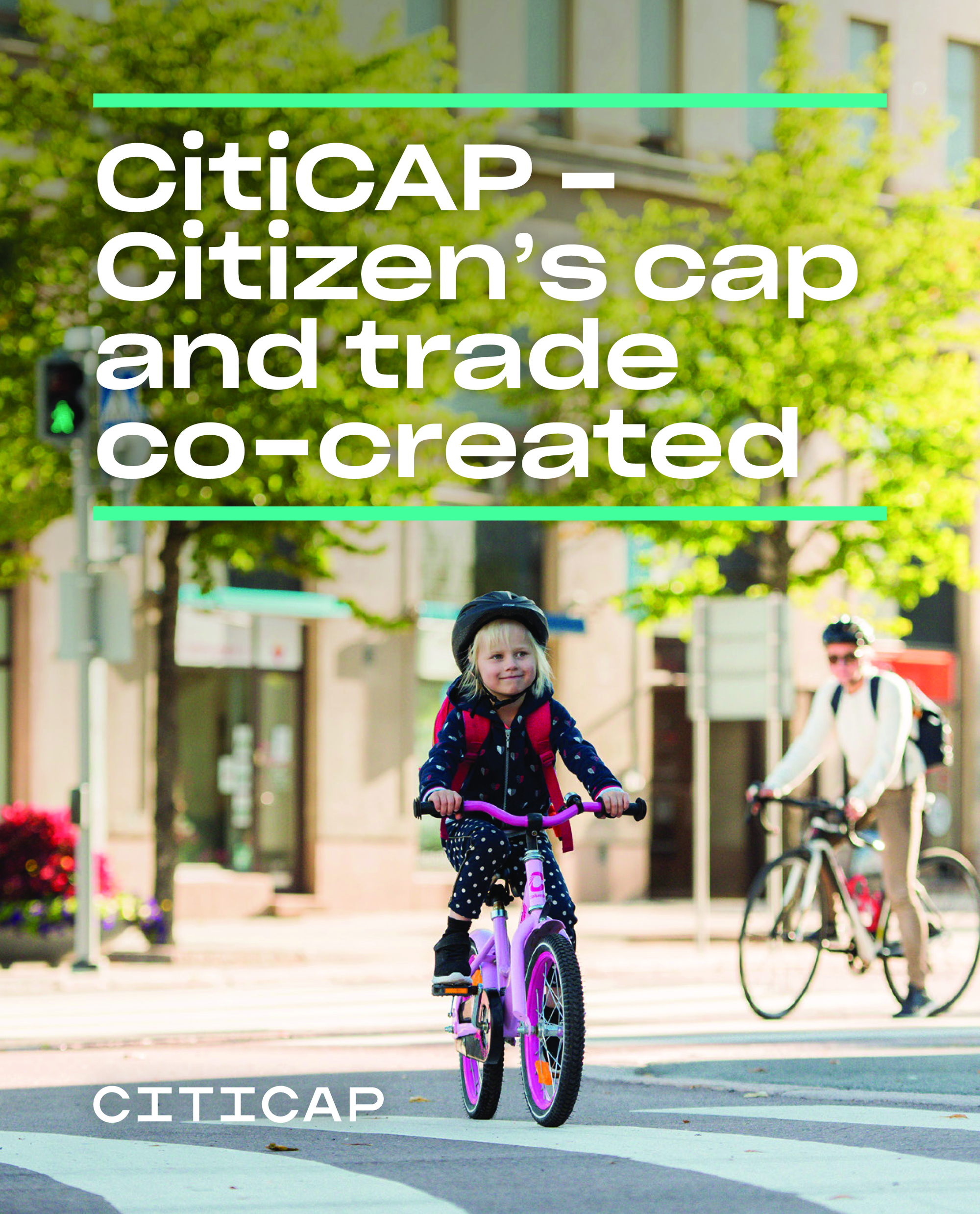
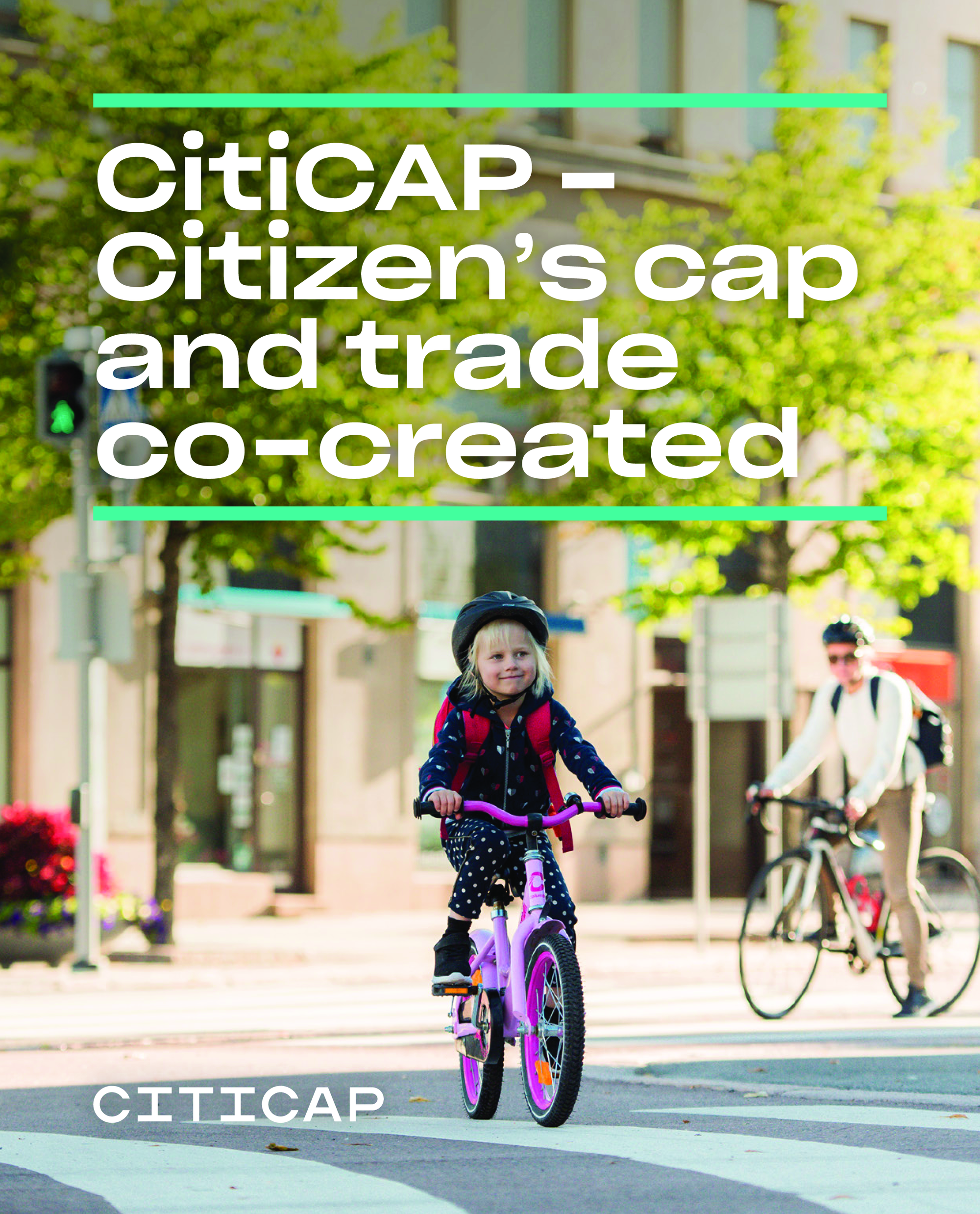
The document titled “CitiCAP – Citizens’ cap-and-trade co‑created: final report (City of Lahti, 2021)” is a publicly available study produced by the City of Lahti, Finland. It presents the outcomes of a pioneering city‑wide personal carbon‑trading pilot that aimed to engage residents in low‑carbon lifestyle choices. The report was generated without AI assistance and is hosted on the city’s official website.
Purpose and Scope
CitiCAP examined how a cap‑and‑trade system could be applied at the household level, offering 2,500 user IDs to participating citizens. The pilot tracked individual carbon footprints and allowed users to trade emission allowances, providing a real‑world test of personal carbon markets. The study also evaluated the accompanying infrastructure, notably a bicycle highway built alongside the digital platform.
Key Participation Data
- 2,500 registered user IDs participated in the pilot.
- Weekly active users ranged between 100 and 350, indicating moderate engagement.
- The bicycle highway remains as a lasting physical legacy of the initiative.
Sustainability Outcomes
The pilot demonstrated that personal carbon trading can motivate behavioral changes, though sustained participation proved challenging. The bicycle highway contributes to reduced vehicular emissions by encouraging cycling. The report highlights that while the digital platform ceased operation by design, the infrastructure continues to support sustainable mobility.
Implications for Pan‑European Housing
For a European audience focused on sustainable housing, the CitiCAP experience offers several insights:
- Integrating personal carbon accounts with residential energy management could empower tenants to monitor and offset their emissions.
- Combining digital incentives with tangible infrastructure (e.g., bike lanes, EV charging) enhances long‑term impact.
- Policy frameworks must consider user fatigue; ongoing engagement strategies are essential for lasting adoption.
Recommendations from the Study
- Scalable Design: Future pilots should incorporate modular components that can be expanded across municipalities.
- Community Involvement: Co‑creation with residents improves acceptance and relevance of carbon‑trading mechanisms.
- Data Transparency: Open access to usage statistics builds trust and enables external analysis.
- Complementary Measures: Physical amenities such as cycling routes amplify the effectiveness of digital carbon markets.
Methodology and Data Sources
The report draws on quantitative data from the pilot’s digital platform, surveys of participants, and traffic counts on the bicycle highway. It also references comparative studies of other city‑level sustainability initiatives to contextualize its findings.
Access and Further Reading
The full report is available through the City of Lahti’s website, providing detailed tables, user feedback, and technical specifications for the cap‑and‑trade system. Stakeholders interested in replicating or adapting the model can consult the document for implementation guidelines and performance metrics.