United Kingdom
A Nation of Smart Cities — Without a National Smart City Strategy
The United Kingdom occupies a peculiar position in the European smart city landscape. It has the continent's most sophisticated urban data ecosystem, one of the world's deepest concentrations of AI and data science talent, and a capital that was voted Europe's best smart city in 2024. Yet the UK has no national smart city strategy. There is no single government department responsible for urban technology, no centrally directed programme distributing funding to cities in the manner of Germany's €820 million Model Projects Smart Cities or France's Territoires Connectés. The UK's approach is market-led, institutionally fragmented, and deeply shaped by a political culture that trusts cities — especially London — to innovate on their own terms.
In 2024, the UK smart city market reached USD 46.94 billion, with analysts projecting growth to USD 164.87 billion by 2033. That figure reflects something real: a sprawling ecosystem of startups, research institutions, local government experiments, and private-sector deployments that collectively make the UK one of the most active smart city environments in the world. But it also obscures the unevenness of the picture. London's ecosystem is vast and globally connected. Manchester and Bristol have built credible smart city programmes. Elsewhere, progress is patchy, under-resourced, and dependent on the ambitions of individual councils.
Catapults, Institutes, and the Absence of a Plan
The closest thing the UK has to a national smart city infrastructure is the Connected Places Catapult, part of the Innovate UK Catapult Network. Based in London, it works with local authorities, businesses, and researchers to accelerate the adoption of urban technology — from digital twins and autonomous vehicles to smart energy and IoT platforms. The Catapult operates testbeds, runs innovation programmes, and supports startups, functioning as a bridge between research and commercial deployment. Its annual Connected Smart Cities conference has become a key gathering point for UK urban innovators.
The research ecosystem is formidable. The The Alan Turing Institute, the UK's national centre for data science and AI, conducts urban analytics research spanning transport, housing, energy, and digital twins. The Open Data Institute, co-founded by Sir Tim Berners-Lee, has shaped how cities worldwide think about data governance, publishing frameworks and standards adopted by municipalities across Europe and beyond. Nesta, the UK's innovation foundation, works at the intersection of data, civic technology, and evidence-based policy — backing startups and running programmes on collective intelligence, participatory democracy, and responsible AI.
The UK Parliament's briefing on smart cities noted that while the UK has significant smart city activity, it is decentralised and project-driven. There is no overarching framework comparable to Berlin's "Gemeinsam Digital" or Barcelona's Digital City Plan. Instead, British smart city innovation emerges from a combination of local government initiative, academic excellence, and a private sector that moves faster than any public strategy could keep up with. Critics, including the Royal Town Planning Institute, have warned that without a unified technology ecosystem, efforts to modernise cities risk occurring in silos — creating a greater technological divide between cities and rural areas.
London: The Gravitational Centre
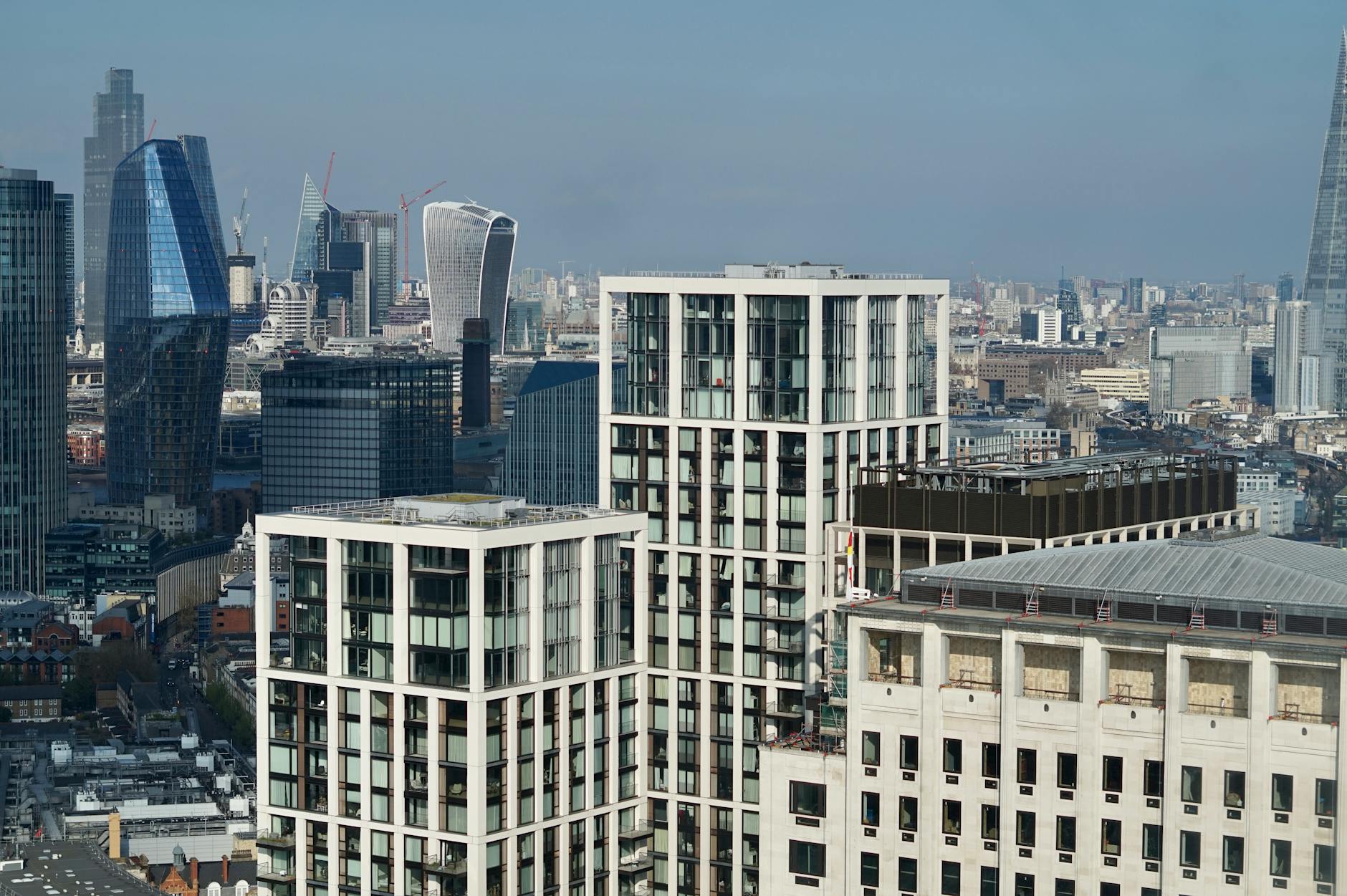
London dominates the UK smart city story to an extent that risks distorting the national picture. With 8.8 million residents spread across 33 boroughs, the capital faces a governance challenge unique in Europe: how to coordinate smart city action across a fragmented metropolitan structure with no single city government responsible for everything.
The answer has been institutional innovation. The LOTI - London Office of Technology & Innovation (LOTI), created in 2019, brings 27 of London's 33 boroughs together to share digital approaches, pool data, and scale solutions. "The types of issues that smart city tools and approaches are apt to address — pollution, congestion, energy consumption — do not neatly confine themselves to borough boundaries," LOTI explains. After five and a half years, its collaborative model is recognised as among the most advanced in the country.
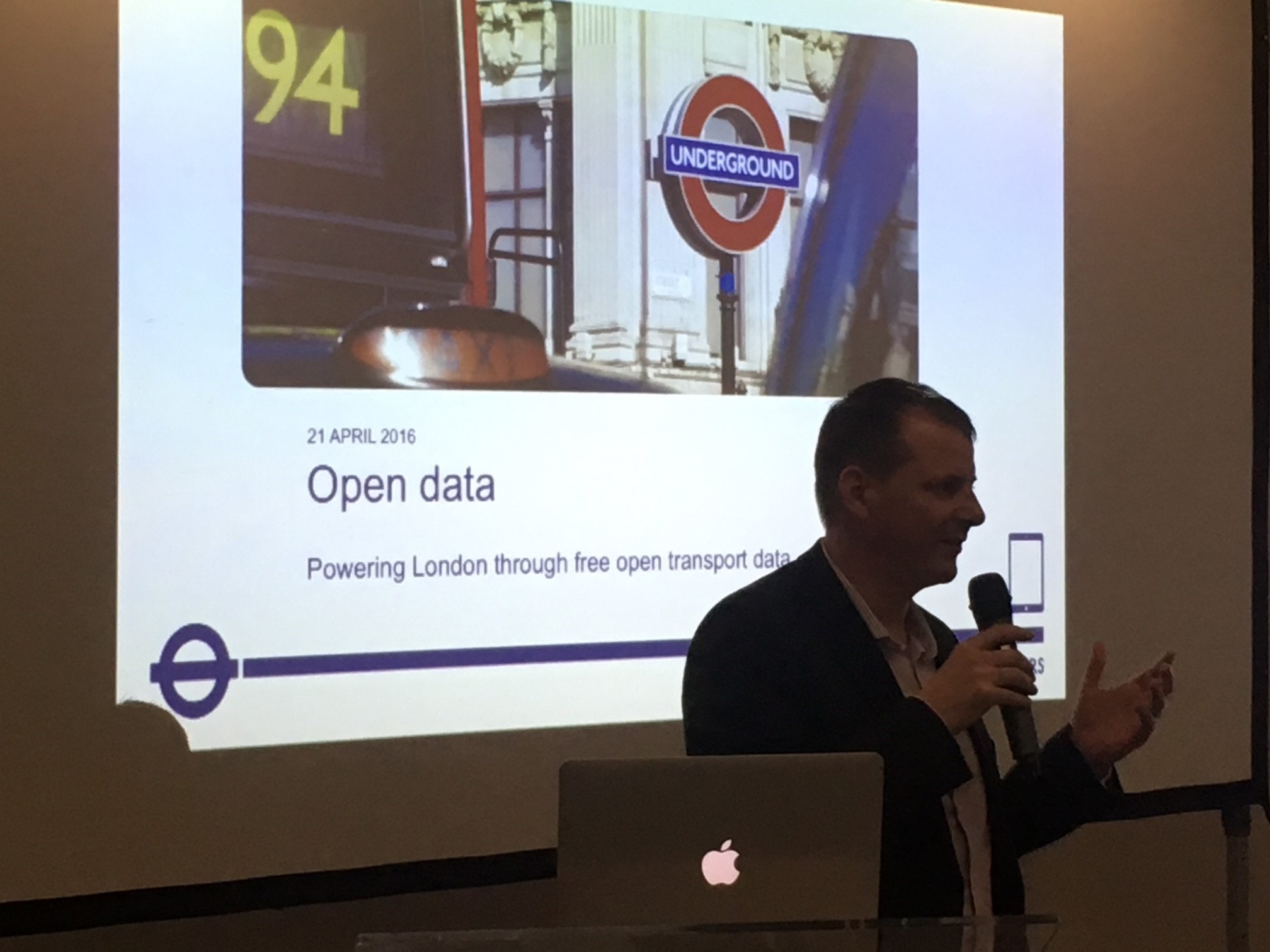
The Greater London Authority - Smart London programme, guided by the Smarter London Together roadmap, sets out five missions: user-designed digital services, better city data, world-class connectivity, enhanced digital skills, and improved collaboration. The London Datastore, launched in 2010, has grown into one of the world's leading municipal open data platforms, hosting over 900 datasets. Transport for London's TfL Open Data Platform is arguably the UK's most successful smart city initiative — over 700 apps rely on TfL data, generating an estimated £130 million in annual economic value. The London Growth Plan, published in 2025, places AI, cleantech, and digital innovation at the heart of the city's ten-year economic strategy.
London's physical infrastructure matches its digital ambitions. The Queen Elizabeth Olympic Park Innovation District has been transformed into a smart innovation district housing Plexal — an innovation centre for 800+ urban tech companies — alongside UCL East, Here East, and a Connected London 5G Innovation. The Smart Mobility Living Lab (SMLL) has hosted landmark autonomous vehicle trials, including the GATEway Project. And Breathe London has deployed hundreds of low-cost air quality sensors across the city, creating what may be the world's most granular urban pollution map — data that has already informed the expansion of the Ultra Low Emission Zone.
Beyond London: Manchester, Bristol, and the Rest
Manchester and Bristol have each built smart city identities that complement rather than compete with London's.
Manchester's Digital Strategy 2021–2026 is built on four pillars: digital inclusion, digital infrastructure, the tech ecosystem, and sustainability. The city hosts a thriving £5 billion digital ecosystem, recognised as having one of Europe's fastest-growing tech sectors. The CityVerve demonstrator, one of the UK's largest IoT deployments, tested connected street lighting, environmental sensors, and health monitoring in the city centre. In 2024, Manchester became the first UK city outside London to join CommuniCity, a European programme inspiring the tech sector to develop solutions for underserved communities. "Manchester has a great story and a great narrative, but there's also a lot of deep and rich poverty here," the city's digital lead told Smart Cities World. "So how do we support people to just use technology for their everyday?" At Greater Manchester level, the combined authority presented its smart city vision at the 2025 Smart City Expo World Congress in Barcelona, showcasing the Bee Network — an integrated, digitally connected multimodal transport system spanning bus, tram, rail, and active travel.
Bristol was the only UK city to win funding both as a Super Connected City and as a Future Cities Demonstrator — and served as European Green Capital in 2015. Its EU-funded REPLICATE project piloted smart homes that reduced household energy consumption by up to 260 kg of CO₂ per year, specifically targeting lower-income households at risk of fuel poverty. The The State of European Smart Cities: Exploring and showcasing models, solutions, and financing for European replication to achieve climate neutrality — appointing Community Engagement Groups and recruiting local champions — as a model for inclusive smart city deployment. Bristol's Connecting Bristol strategy, the city's smart city roadmap, anchors digital transformation in the broader 2050 One City Plan, treating connectivity and data as foundations for equitable public services rather than ends in themselves.
Edinburgh has published a Digital and Smart City Strategy 2024–2027, while Glasgow's Future City demonstrator tested integrated city management across transport, energy, and public safety. Milton Keynes' MK:Smart project, funded by a £16 million HEFCE grant, pioneered the use of a city-wide data hub to manage utilities and reduce carbon emissions.
The Startups That Power the Ecosystem
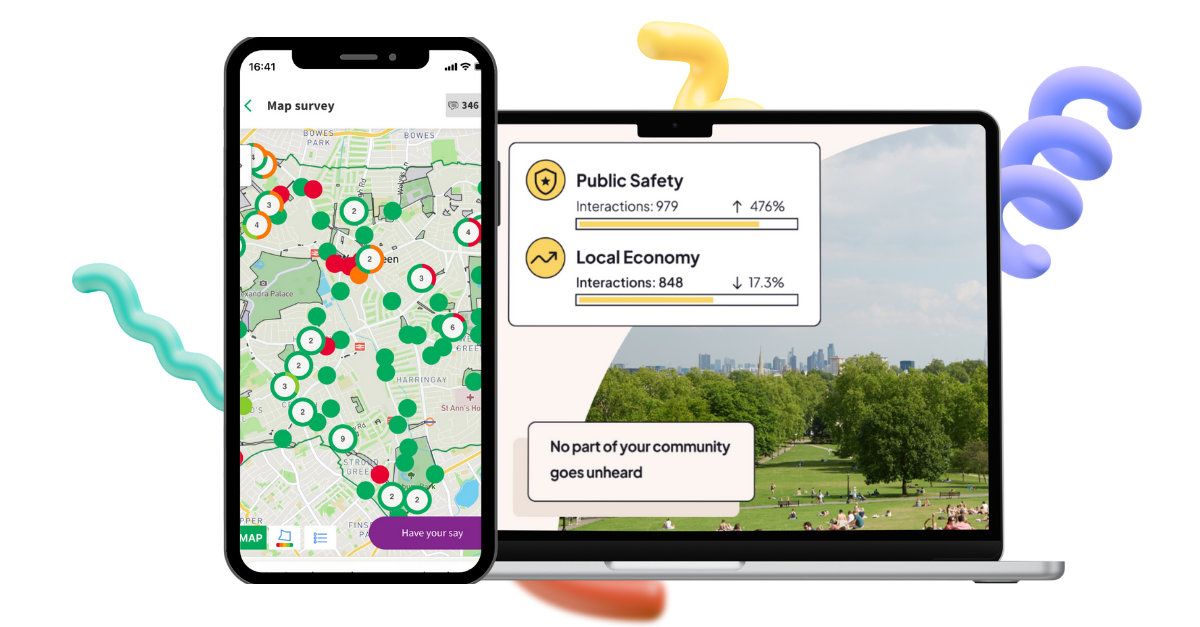
The UK's smart city ecosystem is distinctive for the depth of its startup layer. Commonplace has built the country's leading digital platform for community engagement in urban planning — used on thousands of projects, gathering millions of responses, and reaching demographics that traditional consultation misses. Urban Intelligence uses AI to automate planning data analysis, dramatically reducing the time required for site assessment. UrbanThings provides real-time transport data solutions to cities and operators across the UK and Europe. And Unmanned Life is developing an autonomous robotics orchestration platform that coordinates drones and ground robots for urban tasks from delivery to environmental monitoring.
These companies operate in a market shaped by strong demand from local authorities, well-funded research partnerships, and a regulatory environment that — while complex — is generally supportive of urban technology experimentation.
Queueing, Querying, and the Smart City You Already Live In
The British experience of the smart city is, characteristically, understated. London pioneered contactless payment on public transport — a standard now adopted globally. The Oyster card, launched in 2003, was one of the world's first urban smart cards; today, contactless bank card payments have made even the Oyster card feel retro. Across the country, smart meters are being installed in 28 million homes. Real-time bus tracking is available in most major cities. And data.gov.uk, launched in 2010, remains one of the world's most comprehensive national open data portals.
The smartest thing about the UK's smart city landscape may be its refusal to call itself a smart city. British cities tend to frame their work as "digital transformation" or "innovation" rather than deploying the Silicon Valley-inflected language of the "smart city." That linguistic modesty reflects a cultural instinct: the British are suspicious of grand plans and prefer things that simply work. It is the same instinct that produces orderly queues, reliable bus timetables, and a conviction that technology should solve problems rather than announce itself.
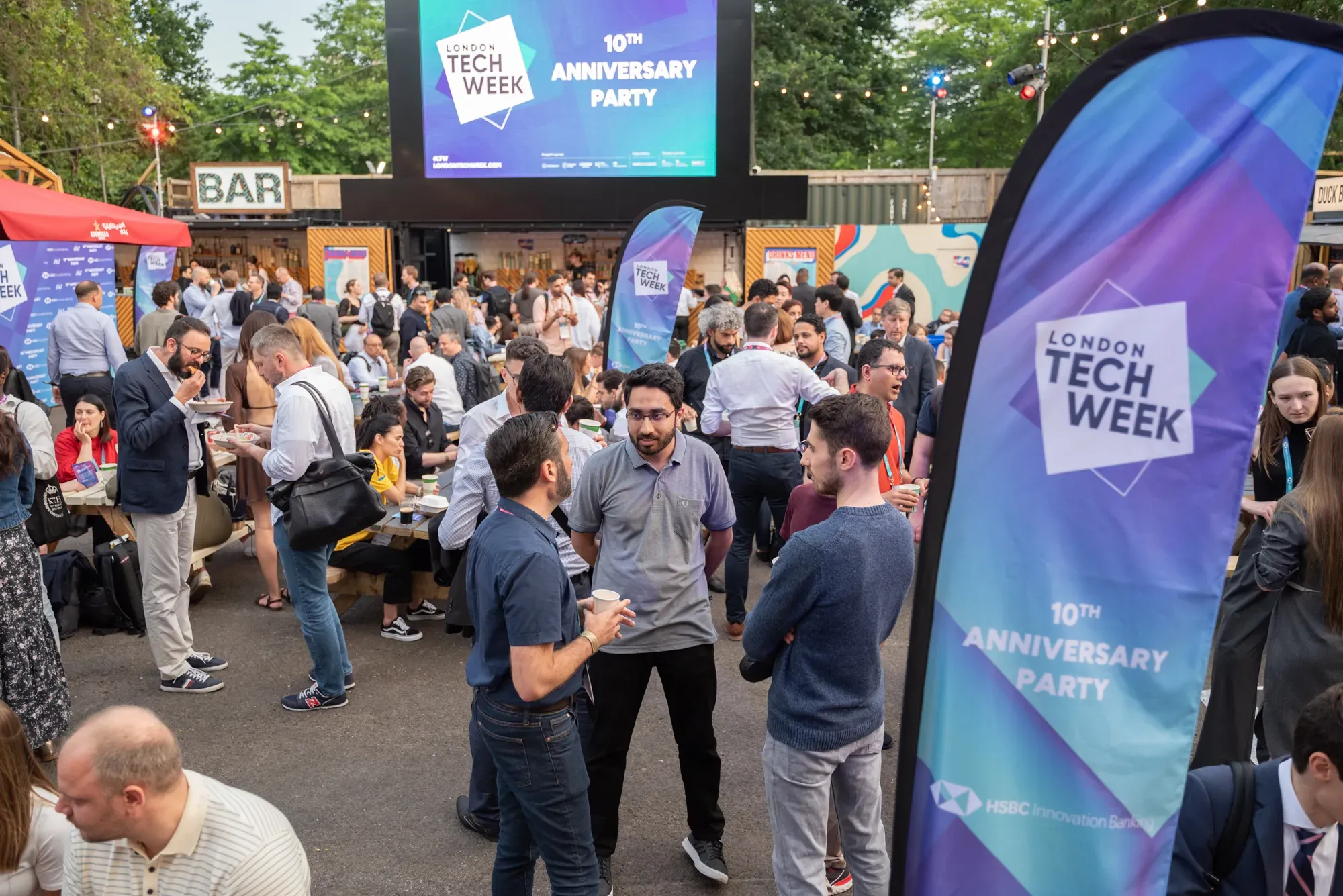
At London Tech Week 2025, Europe's largest technology festival, 45,000 people gather each June to discuss AI, fintech, smart cities, and climate tech. The festival captures something essential about the UK's approach: sprawling, commercially driven, internationally connected, occasionally chaotic — but undeniably productive. In a country that invented the World Wide Web, the modern computer, and the open data movement, the smart city is less a strategy than a habit.
References19 resources17 external