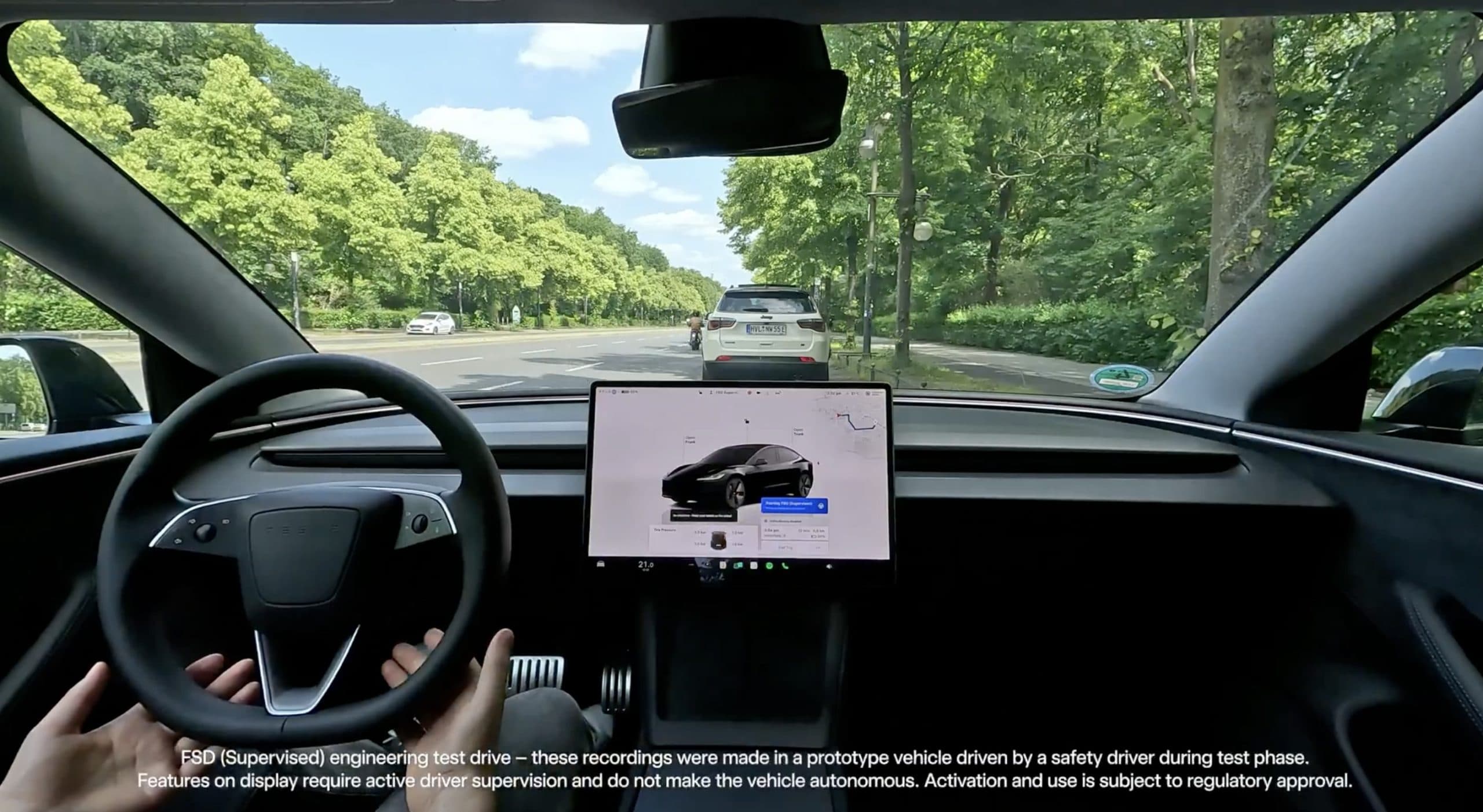
Overview of Autonomous Vehicle Landscape
The resource, published by ERTRAC (European Road Transport Research Advisory Council), compiles extensive research on autonomous vehicle (AV) developments across European cities. ERTRAC, a leading think‑tank for road transport policy, coordinates experts from academia, industry and government to shape mobility strategies. The document outlines regulatory frameworks, pilot projects, benefits, challenges and relevance for smart‑city practitioners, offering a pan‑European perspective on how AVs can support sustainable urban transport.
European Regulatory Foundations
Europe’s regulatory approach emphasizes safety and harmonisation. The EU’s revised General Safety Regulation (2019/2144), effective from July 2022, mandates advanced driver‑assistance systems (ADAS) for all new vehicles and sets the legal basis for type‑approval of automated and driverless cars. At the international level, UNECE’s Working Party on Automated/Autonomous and Connected Vehicles (GRVA) has produced technical standards covering vehicle dynamics, cybersecurity and data recording since 2018. Nationally, Germany’s Autonomous Driving Act (2021) and France’s similar legislation enable Level 4 testing in designated zones, while the United Kingdom introduced the Automated Vehicles Act in 2024. Despite progress, EU‑wide legislation is still evolving, with many rules focused on testing phases and human oversight.
Pilot Projects and Urban Trials
Cities across Europe are experimenting with AVs in targeted use cases. Autonomous shuttles operate in low‑speed, fixed routes on hospital campuses, university grounds and suburban districts, acting as last‑mile connectors to major transport hubs. Robotaxis and autonomous delivery vehicles are also being tested. Notable pilots include: five self‑driving electric cars in Oslo’s Groruddalen valley (early 2025); multiple shuttle trials in Berlin’s Tegel, Schöneberg and Reinickendorf districts; autonomous bus trials in Helsinki’s regular traffic; and shuttle tests in Paris’s La Défense area. These pilots provide real‑world data on performance, safety and public acceptance.
Potential Benefits for Sustainable Mobility
AVs can contribute to sustainability goals in several ways. By improving last‑mile connectivity, they fill gaps where conventional bus services are infrequent, especially in outer districts and during off‑peak hours. Over 90 % of road accidents are linked to human error; autonomous driving could markedly reduce fatalities and injuries. When combined with electric powertrains, AVs can lower emissions and support air‑quality targets. Demand‑responsive autonomous services can complement fixed‑route public transport, optimising network efficiency. Additionally, self‑driving vehicles can enhance accessibility for the elderly, people with disabilities and those unable to drive.
Key Challenges and Open Questions
European cities face technical, social and economic obstacles. Narrow historic streets, dense cycling traffic, varied road users and adverse weather conditions challenge current AV systems. Public acceptance remains mixed, with concerns about safety, liability and loss of human control. AVs must complement, not compete with, Europe’s extensive public‑transport infrastructure. Digital inclusion is critical to ensure services reach residents without smartphones or digital literacy. Data governance raises privacy issues, as AVs generate extensive movement data. Finally, the potential displacement of professional drivers calls for social safety nets and retraining programmes.
Implications for Smart‑City Practitioners
For practitioners focused on sustainable housing and integrated urban development, the AV experience underscores the need to embed autonomous mobility within existing transport ecosystems. Coordinated regulatory frameworks, citizen engagement and equitable access are essential to realise environmental benefits without exacerbating social inequities. The pilot‑based, safety‑first approach adopted by many European cities offers a pragmatic model for scaling AV solutions in tandem with broader sustainability objectives.