Loading...
City
Tallinn
Country🇪🇪 Estonia
The Small Nation That Became a Digital Superpower
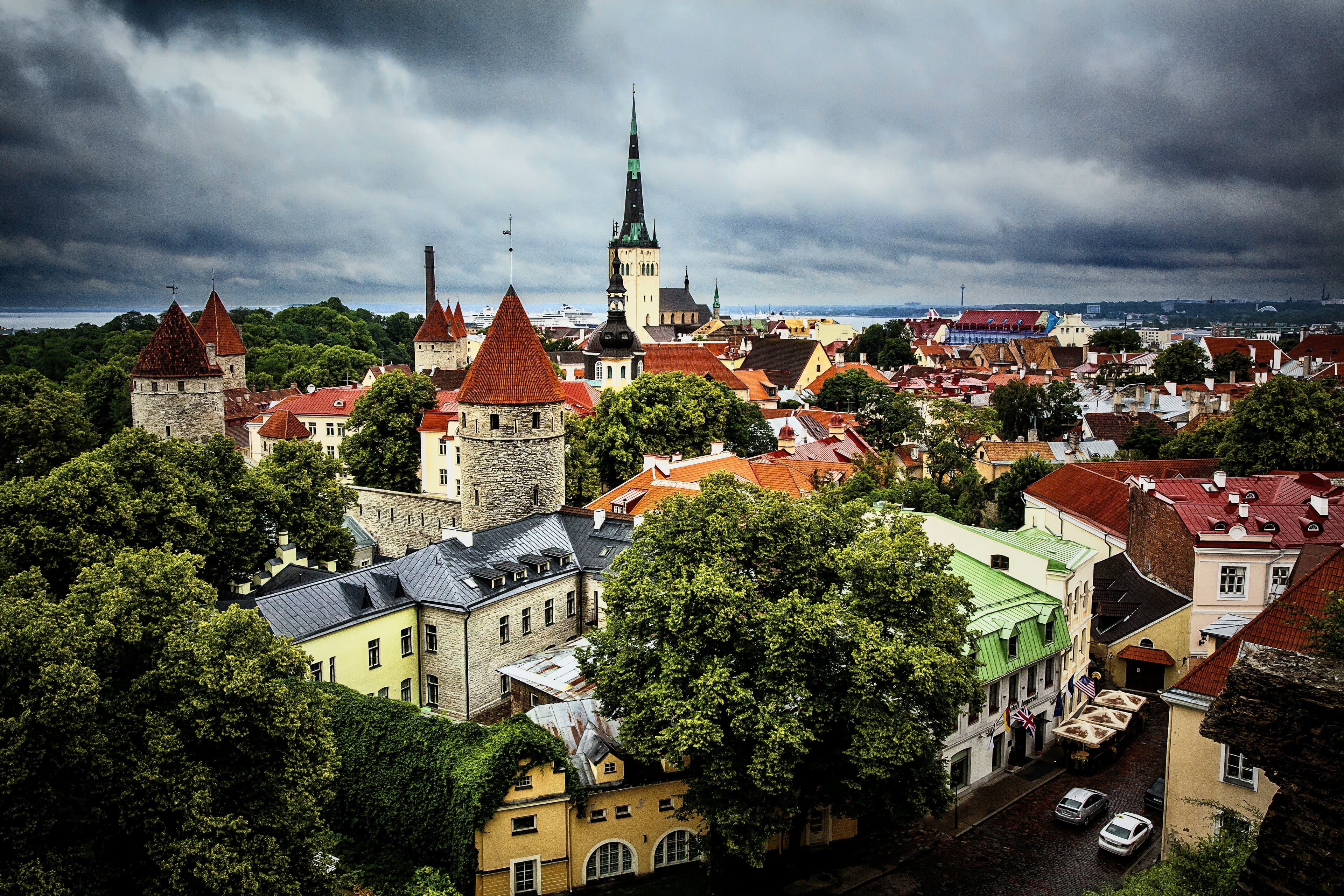
There is no European city where the smart city concept feels less like a strategy and more like an identity than Tallinn. Estonia's compact capital — home to just 456,000 people — is the urban face of a country that has built a digital society from the ground up. Where other cities layer technology onto existing systems, Tallinn grew up digital. Ninety-eight per cent of Estonians carry a digital identity card. One hundred per cent of medical prescriptions are issued online. Thirty per cent of citizens vote electronically. Only marriage, divorce, and real estate transactions remain excluded from the country's omnipresent e-signature infrastructure.
This is not a pilot programme. It is how a nation operates.
Tallinn's smart city journey cannot be separated from Estonia's broader digital transformation, which accelerated after the country regained independence in 1991. With a small population and limited resources, Estonia made a strategic bet on digital infrastructure as the foundation for governance, economic development, and public services. The result is a country where, as the e-Estonia platform puts it, "almost every bureaucratic task can be done online."
The city is one of the EU Mission: 100 Climate-Neutral and Smart Cities by 2030, and its Tallinn 2035 development strategy directly tackles carbon neutrality, climate adaptation, and sustainable urban design. But what makes Tallinn distinctive is not the ambition — many cities share it — but the digital infrastructure already in place to pursue it.
A City Hall That Runs on Code
Tallinn's municipal government has synchronised its urban and digital development with Estonia's national digital ecosystem. The X-Road data exchange platform, originally developed for national e-governance, serves as the backbone for city-level data sharing — enabling seamless integration between municipal services without duplicating data or building redundant systems. Citizens authenticate once through the national e-ID system and access everything from parking permits to building applications.
Tallinnovation, the city's dedicated innovation unit, coordinates digital transformation, open data initiatives, and smart city pilot projects across the administration. Operating within the city government, it ensures that innovation is not siloed in a single department but woven into how the municipality functions. The unit manages Tallinn's open data portal, facilitates pilot projects in intelligent transport, energy-efficient building management, and environmental monitoring, and builds digital capacity within the civil service itself — helping departments identify where technology can genuinely improve outcomes.
Tallinn has committed to 15-minute city principles for 2025, aiming to ensure that essential services, green spaces, and employment are accessible within a short walk or cycle from every neighbourhood. The city's free public transport system, introduced in 2013 for registered residents, remains one of Europe's boldest urban mobility experiments — and a reminder that Tallinn's smart city approach extends beyond digital services to structural decisions about how urban life is organised.
Critical debate is present too. The city's Sustainable Energy and Climate Action Plan targets a 40 per cent reduction in emissions by 2030, but achieving this alongside rapid urban growth and an ageing building stock requires investment that outpaces current budgets. As Kaarel Talivere, a city innovation leader, has acknowledged: "We're putting effort into focusing on making change through innovation by nurturing companies that align with our city and our citizens' needs, with sustainability and the environment as the biggest priority. It's a big challenge, but we're already making huge steps forward."
Where Estonia Meets Finland — and the Future
Tallinn's smart city ecosystem is anchored by a remarkable concentration of research, entrepreneurship, and cross-border collaboration, all within a city small enough that the key actors genuinely know each other.
The FinEst Centre for Smart Cities, headquartered at Tallinn University of Technology (TalTech), is the flagship research institution. Established with European Regional Development Fund support, the centre operates in close partnership with Aalto University and Forum Virium Helsinki in Finland. Its research spans smart energy systems, built environment optimisation, urban analytics, smart mobility, and governance — but its defining feature is the insistence on testing solutions in real urban environments through living labs in both Tallinn and Helsinki.
The centre's FinEst Twins — Cross-Border Smart City Pilots develops cross-border pilot projects that leverage a powerful complementarity: Estonia's world-leading expertise in digital government paired with Finland's strength in citizen-centred design. The Smart City Challenge programme invites municipalities across Europe to propose urban challenges, which are then matched with research teams to develop and test practical solutions. It is academic research with its sleeves rolled up.
Tehnopol Tallinn — Estonian Smart City Cluster, Estonia's leading science and business campus adjacent to TalTech, hosts over 200 companies and the Estonian Smart City Cluster — a collaborative initiative that positions Estonia's smart city sector as a cohesive force in international markets. Cluster members develop solutions across IoT, urban data analytics, smart building management, intelligent transport, and e-governance, and Tehnopol provides the full support infrastructure: incubation, acceleration, prototyping labs, and investor connections. The campus model demonstrates how a small country can build globally competitive innovation ecosystems by concentrating resources and fostering collaboration.
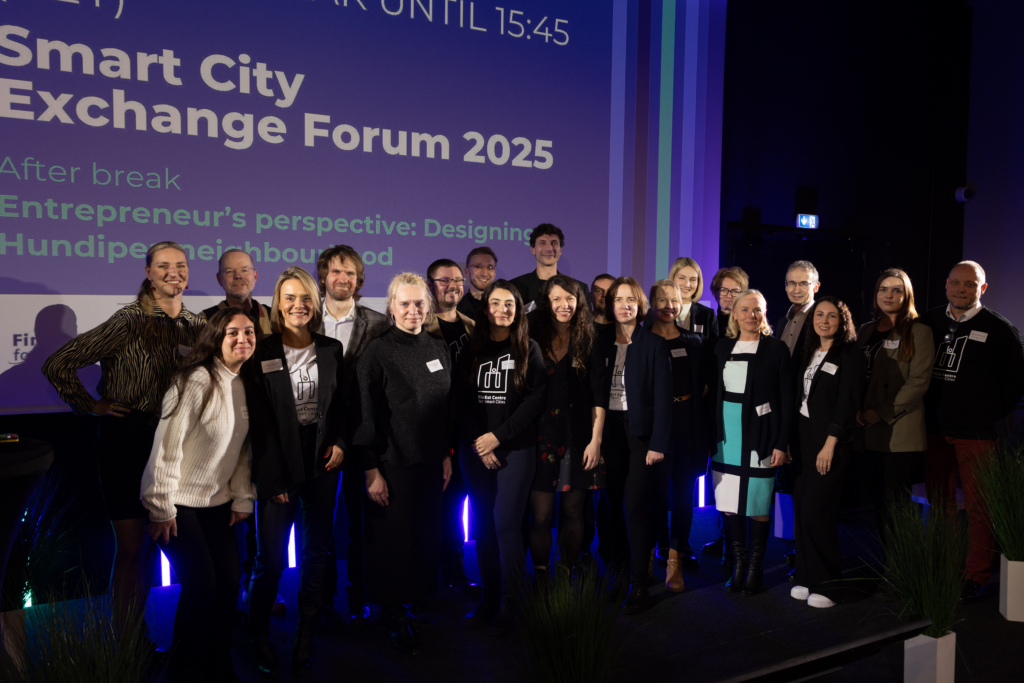
The annual Smart City Exchange Forum Tallinn 2025, organised by the FinEst Centre, brings city officials, researchers, and technology companies together in Tallinn. The Tallinn Digital Summit, now in its eighth edition, draws heads of state and government to discuss AI, cyber resilience, and digital transformation — reinforcing Tallinn's position as a European capital of digital governance discourse.
Testing Ground for Tomorrow's Urban Tech
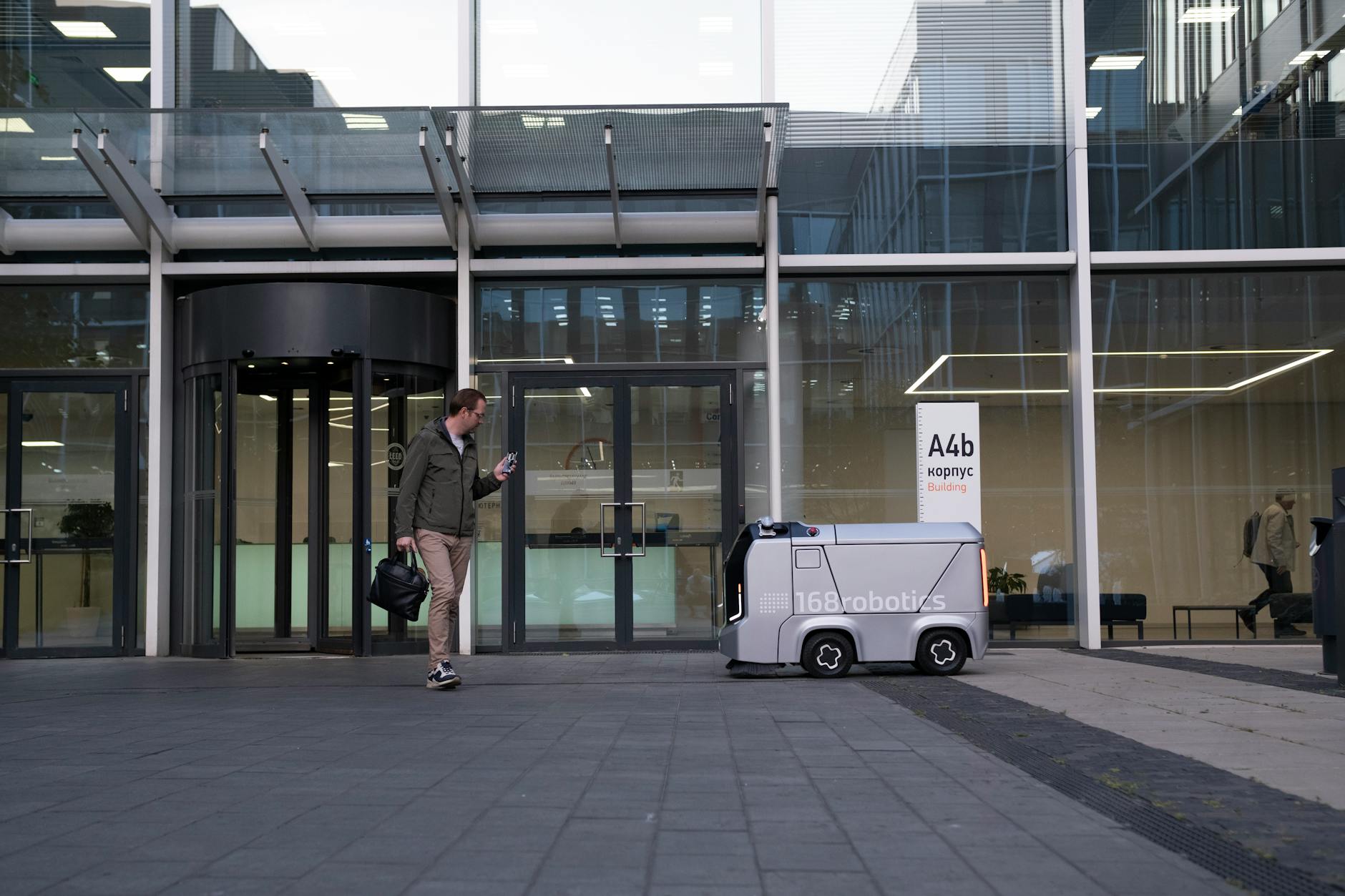
Tallinn's Test in Tallinn programme allows companies to pilot smart city solutions in the Estonian capital for up to twelve months. Recent projects include an autonomous electric car charging robot and a bicycle tracker device that collects data on vehicle speeds, road conditions, and user behaviour. The programme reflects a city confident enough in its digital infrastructure to offer itself as a laboratory — and pragmatic enough to know that the best innovations often come from outside.
The European Innovation Scoreboard 2024 noted Estonia's remarkable trajectory, advancing from Moderate Innovator to Strong Innovator status — the most substantial performance improvement of any EU member state. This national momentum translates directly into Tallinn's capacity to attract talent, funding, and partnerships for urban innovation.
Estonia's e-Residency programme, launched in 2014, has added a further dimension. As urban researcher Fabio Cerrone described his experience: "It allowed us to do a lot of it one evening in a pub. There's no other country you can do that! But it allowed us, even as students, to say OK yeah let's try it, even if we fail." This entrepreneurial accessibility — the ability to start a company with minimal friction — feeds Tallinn's smart city startup pipeline and attracts international founders who stay for the ecosystem.
Tallinn's Sustainable Energy and Climate Action Plan integrates smart city technology with environmental targets. The city is developing a 13-kilometre pollinator route, integrating urban greenery into city design, piloting self-driving buses, and implementing smarter rainwater management systems. These projects are not isolated showcases but components of a coherent strategy that uses digital tools to pursue ecological goals.
Where Digital Governance Meets Medieval Cobblestones
For Tallinn's residents, the smart city is invisible in the best possible way. It is the prescription that appears at the pharmacy without a phone call, the tax return that files itself, the parking payment made with a text message. Estonia's three keys to smart urban development — accessibility, interoperability, and user-friendliness — mean that the user is always at the heart of the design.
But Tallinn's most charming quality is the contrast. Walk through the medieval Old Town — a UNESCO World Heritage Site with Gothic spires, cobblestone lanes, and merchant houses dating to the thirteenth century — and you are in one of the most digitally advanced cities on earth. Estonians have a word, sisu, borrowed from their Finnish neighbours, that roughly translates as quiet, determined resilience. It describes a people who rebuilt a country from Soviet occupation into a digital pioneer within a single generation, and a city that carries its medieval heritage and its digital identity with equal pride.
Visitors who open the city's public transport app, tap their phone to board a tram, and glide past the limestone towers of the Old Town are experiencing something rare: a city where the past and the future feel not like opposites but like layers of the same story.
In March 2026, the FinEst Centre hosts the Smart City Exchange Forum 2026 — Discovering Pathways to Resilient Cities (12 March, PROTO Invention Factory) and a companion Tallinn City Visit on 13 March, giving city leaders and researchers from across Europe direct exposure to Estonian smart-city programmes and live experiments — from cyber-resilience to climate adaptation. The 2026 edition deliberately reframes the conversation from technology adoption to resilience, reflecting the broader European shift after a year of climate extremes and heightened cyber threats. The forum is paired with the open call for the FinEst Smart City Challenge 2025/26, now in its fifth edition, which is matching European municipalities with TalTech and Aalto research teams on practical urban problems.
References6 resources12 external
Resources
Project
FinEst Twins — Cross-Border Smart City Pilots
Cross‑border pilots test autonomous mobility, energy monitoring, and green‑space design in Tallinn and Helsinki.

Organisation
Tehnopol Tallinn — Estonian Smart City Cluster
Campus fostering tech entrepreneurship, offering incubation, acceleration, and smart city collaboration ecosystem.

Knowledge
European Innovation Scoreboard 2024
Denmark leads EU innovation, Estonia surges to Strong Innovator, while Switzerland tops non‑EU benchmarks overall.
Organisation
FinEst Centre for Smart Cities
Develops human‑centric smart city solutions via cross‑border research, pilots, and living labs.

Knowledge
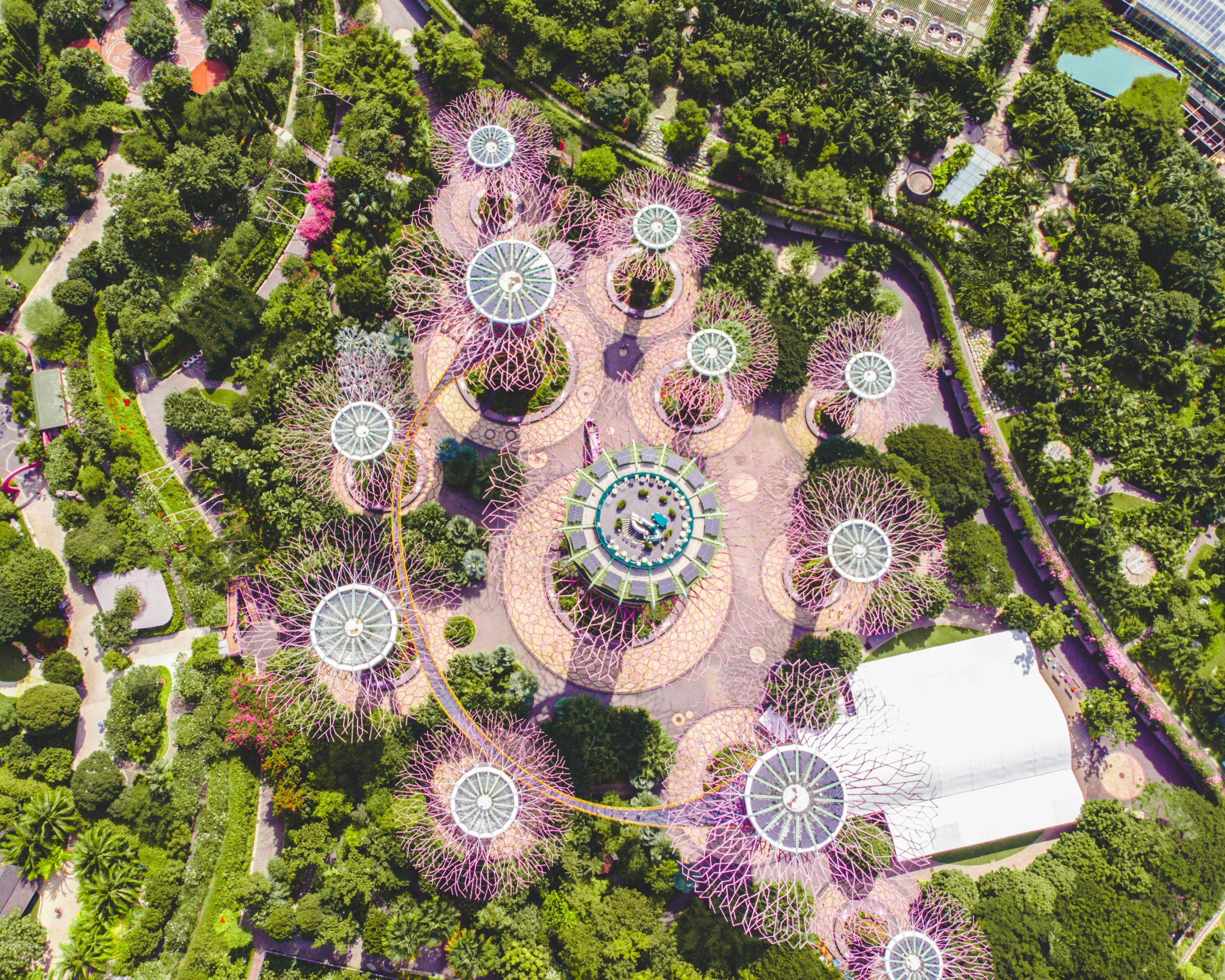
EU Mission: 100 Climate-Neutral and Smart Cities by 2030
112 cities, 377 applicants, 70% emissions, 103 already on track, massive €‑hundreds‑bn investment.
Event
Smart City Exchange Forum Tallinn 2025
City officials, researchers, and tech firms collaborate on data‑driven AI smart‑governance solutions.
External Sources
e-Estonia — We have built a digital societye-estonia.comSmart City Tallinn: City Portraitbeesmart.cityTallinn Smart City: Estonia's flagship of innovationblue-europe.euTransforming Cities: Tallinn digital innovationc40.orgTallinn commits to 15-minute city principles for 2025smartcitiesworld.netTest in Tallinn announces latest smart city friendly projectssmartcitiesworld.netSmart City Challenge 2025finestcentre.euBeyond Smart Cities: How e-Residency supports urban transformatione-resident.gov.eeTallinn Digital Summit 2025complexdiscovery.comSmart City Exchange Forum 2026 — Resilient Citiesfinestcentre.euSmart City Exchange Forum 2026 — Tallinn City Visit (13 March)living-in.euLiving-in.EUliving-in.eu