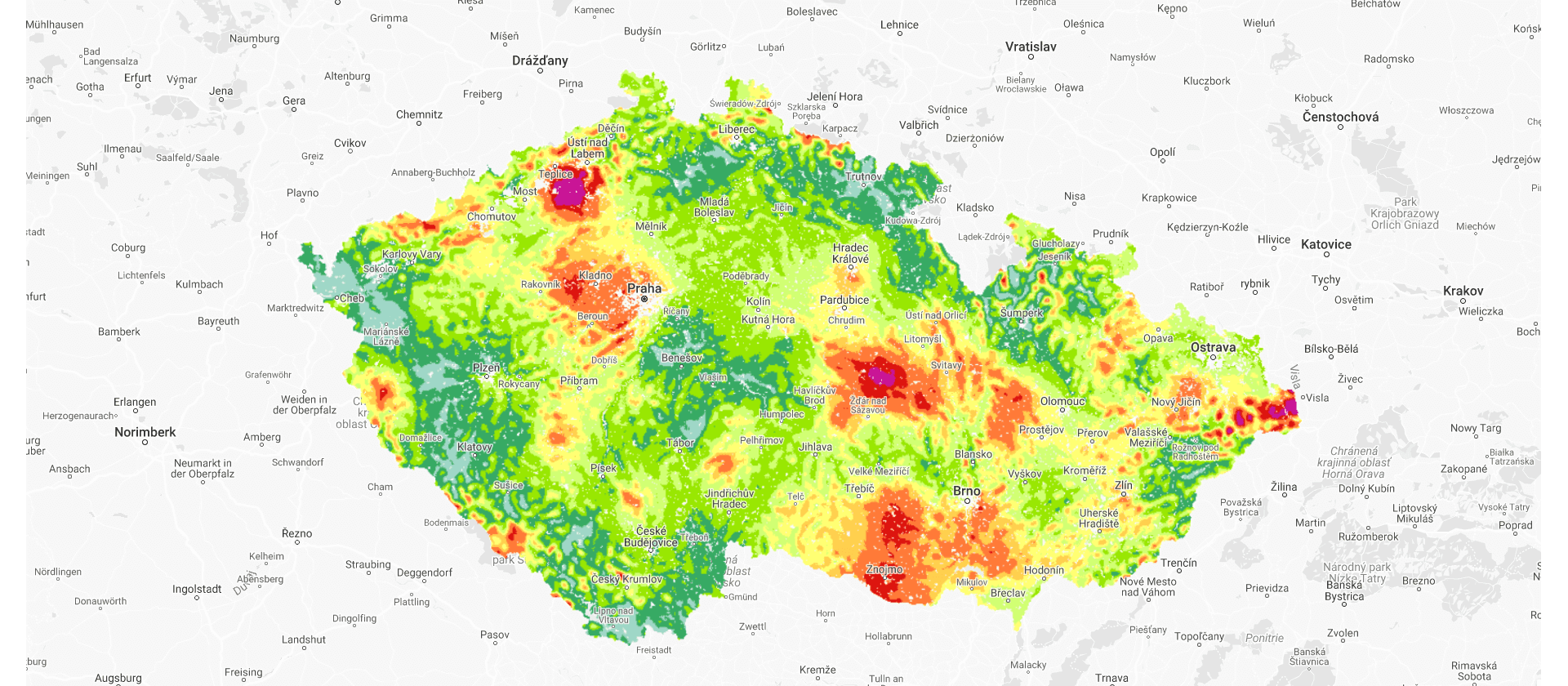
Overview of Prague’s Climate Strategy
The Prague Climate Plan 2030, officially titled Klimatický plán hlavního města Prahy do roku 2030, is the capital city’s comprehensive framework for cutting greenhouse‑gas emissions and boosting climate resilience. Adopted by the Prague City Council in 2019, the plan targets a 45 % reduction in CO₂ emissions by 2030 compared with 2010 levels, positioning Prague among Central Europe’s most ambitious cities in climate action. The plan is publicly available on the city’s climate portal (https://klima.praha.eu/en/the-climate-plan-at-a-glance.html) and was submitted to the database on April 29 2026.
Sustainable Energy and Buildings
A key pillar focuses on decarbonising the city’s energy supply and building stock. The Department of Energy Management, led by Jaroslav Klusák and overseen by Deputy Mayor Petr Hlubuček and council member Martin Bursík, aims to cut up to 2.5 million tonnes of CO₂ annually through renewable electricity, extensive building retrofits, and a city‑wide carbon budgeting system. With more than 130 000 buildings, a 10 % reduction in overall energy consumption is considered achievable via insulation upgrades, window replacements, and smart energy‑management systems.
Sustainable Mobility Initiatives
The mobility pillar seeks at least a 25 % cut in fossil‑fuel use from road transport. Measures include automating Metro line C, replacing 75 % of diesel buses (≈ 900 vehicles) with electric or trolley‑bus units, constructing the new Metro line D, and modernising street lighting with LEDs and integrated electric‑vehicle charging. These actions are intended to shift travel to low‑carbon modes and lower urban pollution.
Circular Economy and Waste‑to‑Energy
Circular‑economy actions promote waste prevention, organic‑waste sorting, and the creation of a biogas station. The station will convert biodegradable waste into biomethane, which will feed the existing natural‑gas network and power the Prague Services vehicle fleet, further reducing municipal emissions.
Climate Adaptation and Green Infrastructure
Adaptation targets improve microclimatic conditions and resilience to extreme weather. The plan commits to planting at least 1.5 million new trees across parks and streets, expanding blue‑green infrastructure by roughly 7 m² per 1 000 inhabitants, and establishing rain‑water management standards to lessen reliance on piped water for public green spaces.
Implementation and Measure Repository
Over 60 specific measures are catalogued, each evaluated for CO₂‑reduction potential and cost. Priority cross‑cutting initiatives include city‑wide energy‑management platforms, the formation of the Prague Renewable Energy Community with several hundred megawatts‑peak of photovoltaic capacity on public buildings, and the use of waste heat from Prague’s Central Wastewater Treatment Plant for district heating.
Integration with Smart City Platforms
The Climate Plan aligns with the Smart Prague Programme and the Golemio open‑data platform, providing digital tools for monitoring energy performance, transport patterns, and environmental indicators. This integration supports evidence‑based decision‑making and transparent tracking of progress, linking climate action with broader smart‑city objectives.
Relevance for Sustainable Housing
For a pan‑European audience interested in sustainable housing, the plan offers valuable insights: ambitious energy‑efficiency targets for a large building stock, incentives for retrofitting, and a policy framework that ties residential energy use to city‑wide carbon budgeting. The emphasis on renewable electricity, biogas integration, and green infrastructure demonstrates a holistic approach that can inform similar housing‑centric climate strategies across Europe.