Loading...
City
Munich
Country🇩🇪 Germany
Germany's Quiet Overachiever Goes Digital
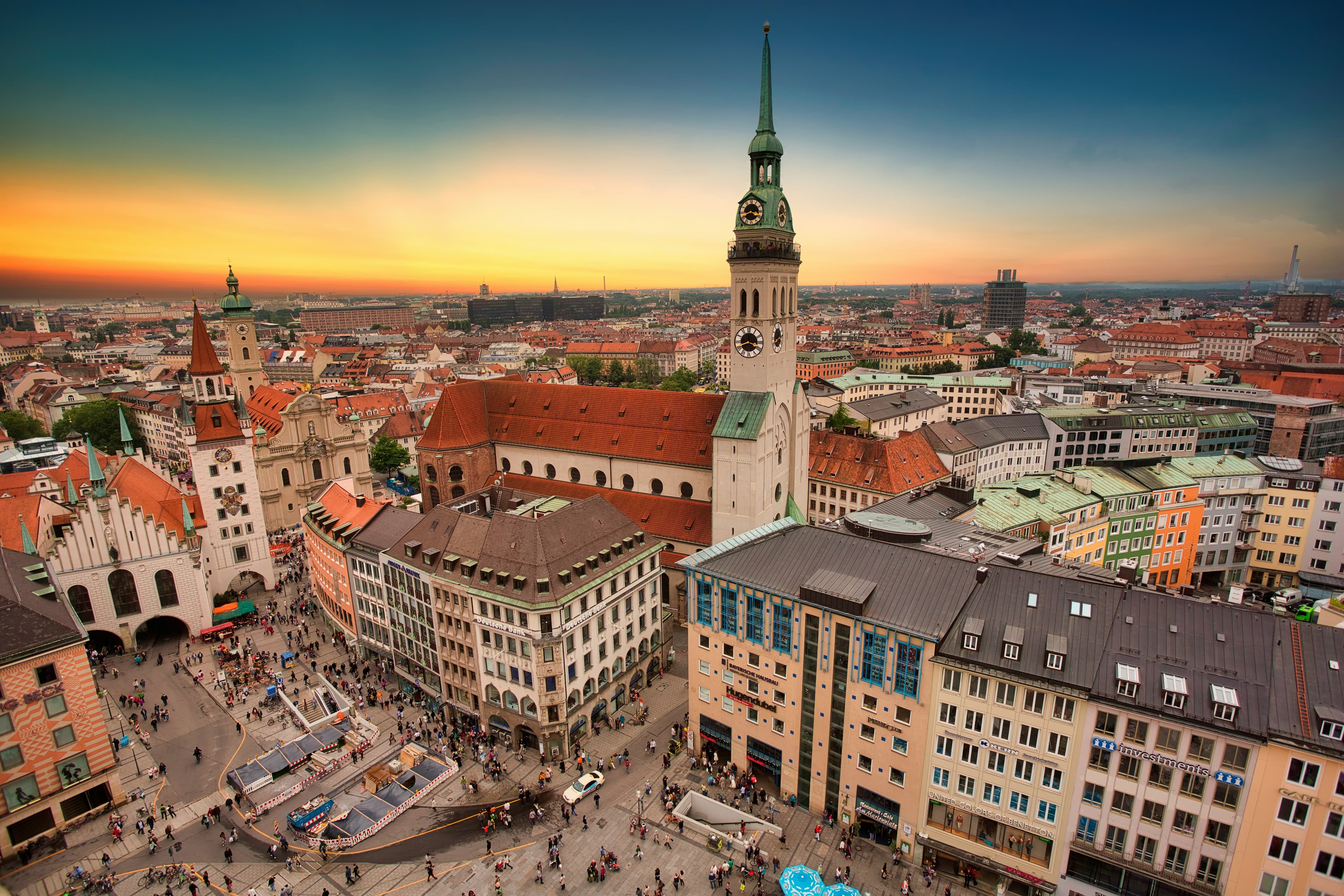
Munich does not shout about its smart city credentials. The Bavarian capital — wealthy, orderly, and instinctively cautious about hype — has a habit of building things properly and letting others notice later. That approach has paid off: in 2025, Munich defended its position as Germany's number one smart city in the Bitkom Smart City Index for a third consecutive year, and is now preparing to host the international geospatial trade fair Intergeo 2026 — the moment the city will showcase its Digital Twin work to a global audience of smart-city practitioners.
With 1.6 million residents and a metropolitan region of nearly 3 million, Munich is Germany's third-largest city and its most prosperous. Median incomes are among the highest in Europe, unemployment hovers near 3%, and the concentration of corporate headquarters — BMW, Siemens, Allianz, Munich Re — creates an innovation ecosystem with formidable private-sector depth. But prosperity comes with pressure. Housing costs are Germany's highest, traffic congestion is worsening, and the city's rapid growth is straining infrastructure built for a smaller population. Smart city thinking in Munich is driven less by futuristic vision than by the pragmatic need to keep a high-performing city functioning as it grows.
Digital Strategy with Bavarian Discipline
Munich's smart city agenda is guided by the city's overarching digitalisation strategy, München. Digital. Erleben. (Munich. Digital. Experience.), which frames digital transformation as a means to improve public services, enhance participation, and support the city's sustainability goals. The strategy is embedded within the broader Perspektive München urban development concept — a long-term planning framework under the motto Stadt im Gleichgewicht (City in Balance) that seeks to reconcile growth with quality of life.
Mayor Dieter Reiter (SPD), who has led the city since 2014 and was re-elected in 2020, has championed digital modernisation of the city administration while maintaining Munich's characteristic caution on data privacy and vendor independence. The city was an early adopter of open-source software in public administration — a decision rooted in concerns about dependency on proprietary systems — and continues to run significant parts of its IT infrastructure on open platforms.
The municipal IT department, it@M, coordinates digital projects across the city administration, while the Referat für Arbeit und Wirtschaft (Department for Labour and Economic Affairs) manages the smart city and innovation portfolio. Munich's governance approach is notable for its integration: rather than creating a standalone smart city office, the city has woven digital transformation into existing departmental responsibilities, reducing the risk of isolated pilot projects that never scale.
In May 2026, the city launched its Innovation Competition 2026, an open call jointly run by the Referat für Arbeit und Wirtschaft with UnternehmerTUM, the LMU Innovation & Entrepreneurship Center, Universität der Bundeswehr München, the Start2 Group and the Strascheg Center for Entrepreneurship. Winning teams receive a €10,000 innovation prize and up to €15,000 of co-creation support to pilot solutions for Munich's stated municipal challenges, with awards in July and live pilots throughout the second half of the year — a small but telling demonstration that Munich's smart-city approach is now structurally connected to its start-up ecosystem.
Critics, however, argue that this integrated approach can also mean slower decision-making. Germany's federal structure adds complexity, with state and national programmes sometimes overlapping with municipal initiatives. The German Federal Smart Cities programme, which has funded projects across the country including Munich's participation in the Connected Urban Twins initiative, operates on timelines and reporting structures that do not always align with local priorities.
An Ecosystem Built on Engineering and Entrepreneurship
Munich's innovation ecosystem is arguably the strongest of any German city outside Berlin — and in some domains, stronger. The backbone is the Technical University of Munich (TUM), consistently ranked among Europe's top technical universities, which produces world-class research in artificial intelligence, robotics, autonomous systems, and urban engineering. TUM's entrepreneurial culture has spawned a remarkable start-up ecosystem, supported by UnternehmerTUM Munich — Europe's leading centre for innovation and business creation, which supports more than 50 start-ups per year and has helped build companies including Celonis, Lilium, and Personio.
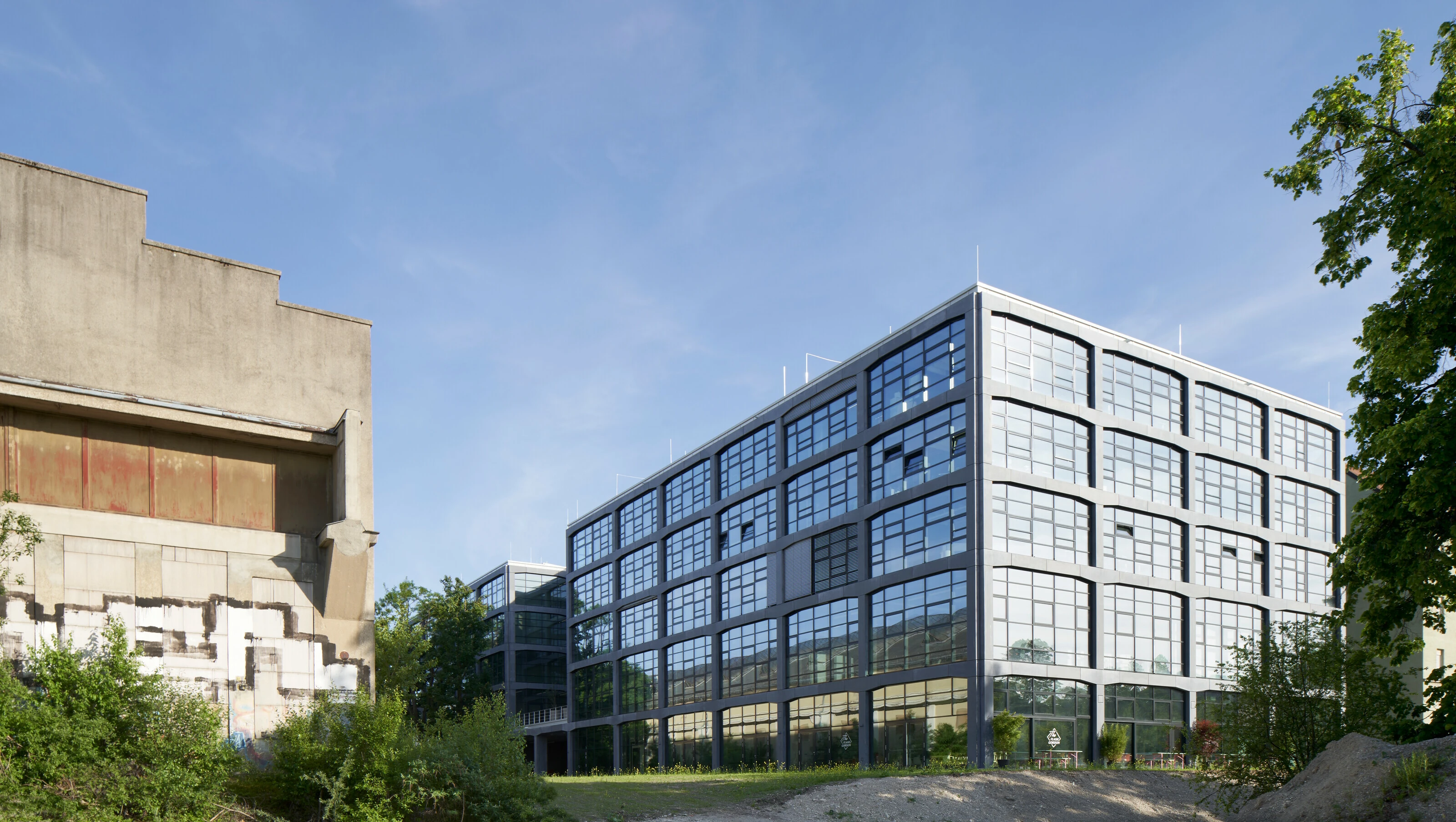
The Munich Urban Colab, a joint venture between UnternehmerTUM and the City of Munich that opened in 2021, is the physical hub where these worlds converge. Located in the Schwabing-West district, the Colab brings together start-ups, researchers, city officials, and corporate innovation teams under one roof. Its Smart City Challenge programme invites start-ups to develop solutions for specific urban problems identified by the city administration — a structured matchmaking between municipal needs and entrepreneurial energy.
Complementing this, the Strascheg Center for Entrepreneurship (SCE) Munich at Munich University of Applied Sciences focuses on social and sustainable entrepreneurship, training a generation of founders who think about urban challenges through the lens of social impact rather than purely commercial returns.
The corporate sector adds depth. BMW's research campus in Munich is developing connected and autonomous vehicle technology with direct implications for urban mobility. Siemens, headquartered in the city, is a global leader in building automation and smart infrastructure. Munich Re's data analytics capabilities are applied to urban climate risk modelling. These corporations are not just employers — they are active participants in the city's smart city pilots and co-investors in urban innovation.
"Munich's strength is that the ecosystem is complete," noted Thomas Bönig, the city's Chief Digital Officer, in the city's Research & Innovation Report 2025. "You have the research, the start-ups, the corporations, and a city administration willing to experiment — all within cycling distance of each other."
The Digital Twin and What It Reveals
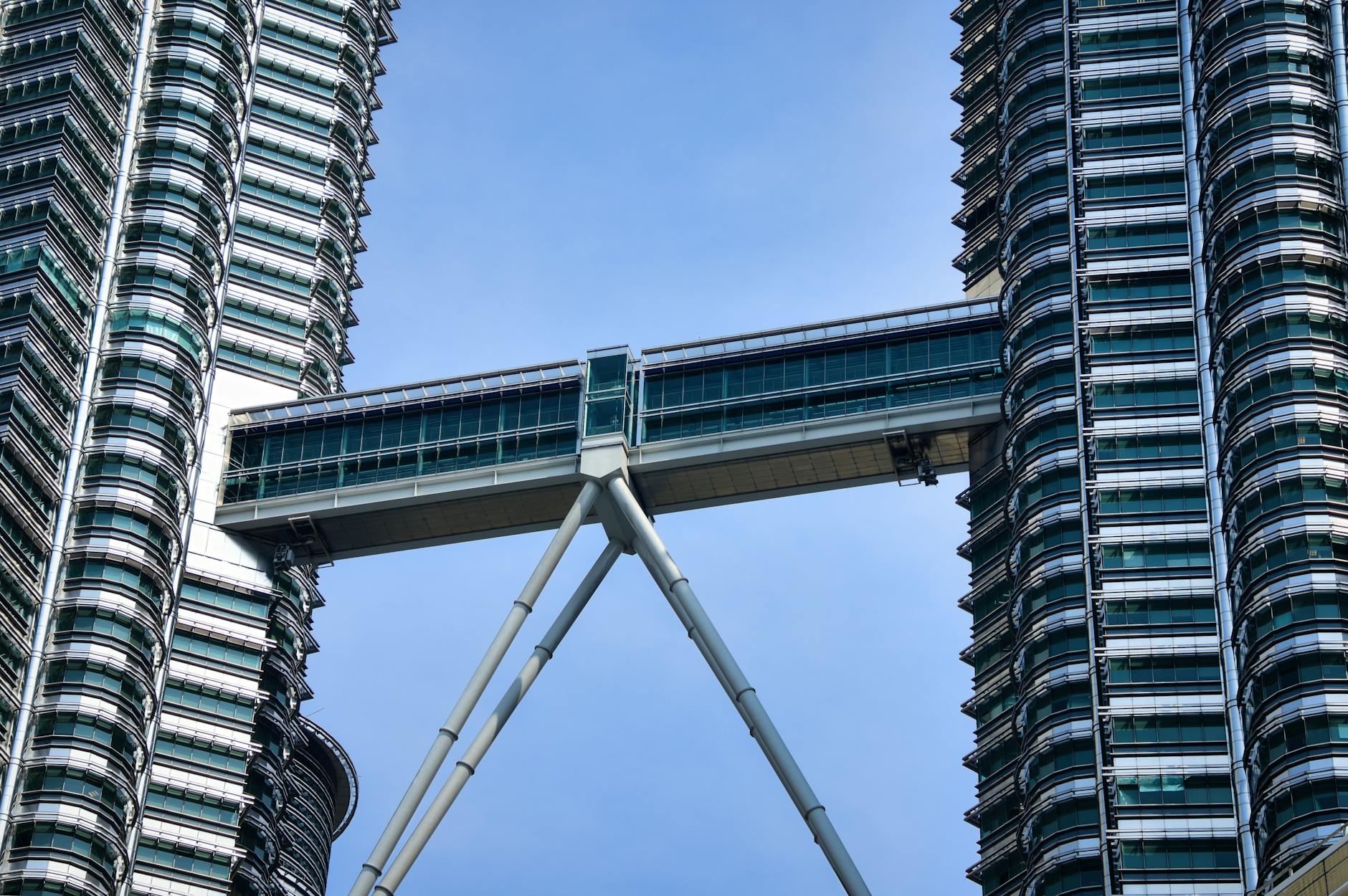
Munich's most ambitious smart city project is its Digital Twin — a detailed, three-dimensional virtual model of the entire city that integrates building data, terrain models, infrastructure networks, and real-time sensor feeds into a single interactive platform. The project emerged from the Connected Urban Twins (CUT) initiative, a collaboration between Munich, Hamburg, and Leipzig funded by the German Federal Ministry for Housing, Urban Development and Building, which concluded in December 2025.
Munich's contribution to CUT was substantial. The city developed a digital twin platform that combines building information modelling (BIM) data, cadastral records, and environmental sensor data, enabling planners to simulate the effects of new developments on wind patterns, solar exposure, noise propagation, and traffic flow before a single brick is laid. The Munich digital twin placed second at Germany's DIGITAL-Award and contributed to the development of a DIN standard for urban digital twins, published in October 2024, which is now being adopted by other German cities.
The CUT project was presented at the Smart City Expo World Congress 2026 in Barcelona, where Munich's approach to combining participatory planning with digital twin technology attracted attention from delegations across Europe. The city is now exploring how to integrate the digital twin with citizen participation processes — allowing residents to visualise and comment on proposed developments in their neighbourhoods through accessible 3D interfaces.
Beyond the digital twin, Munich has deployed IoT sensor networks across the city for environmental monitoring, including air quality, noise, and urban heat island mapping. The city's broadband and 5G expansion programme aims to provide gigabit connectivity across all districts by 2028, with a particular focus on ensuring that peripheral areas and social housing estates are not left behind. BIM is now mandatory for all major city construction projects, creating a growing repository of digital building data that feeds into the urban digital twin.
Traffic management, too, is increasingly data-driven. Munich's traffic control centre uses real-time data from sensors, public transport systems, and navigation apps to optimise signal timing and manage congestion. The city is piloting dynamic traffic management zones around schools and hospitals, where speed limits and access restrictions adjust automatically based on time of day and pedestrian volumes.
Where Order Meets Innovation: Experiencing Munich's Smart City
Munich's smart city is best experienced not through dramatic set pieces but through the quiet efficiency of a city that works. The MVG public transport app — integrating U-Bahn, S-Bahn, tram, bus, and bike-sharing into a single platform — is a daily tool for hundreds of thousands of residents. Real-time departure information, accessible at every stop, is so reliable that Münchners plan their lives around it with a precision that visitors find slightly unnerving.
For a deeper look, visit the Munich Urban Colab in Schwabing-West. The building itself is a statement: a former industrial site transformed into a light-filled co-working and exhibition space where you can see start-ups prototyping urban solutions in open workshops. The ground-floor exhibition space regularly showcases smart city projects, and public events bring residents into conversation with researchers and entrepreneurs.
Then there is the Englischer Garten, one of the world's largest urban parks, where Munich's relationship with nature and technology finds its most characteristic expression. The park's management increasingly relies on environmental sensors to monitor tree health, soil moisture, and visitor flows — data that informs maintenance decisions and helps protect the park's ecology during increasingly hot summers. It is smart city technology at its most Bavarian: precise, purposeful, and in service of something deeply valued.
Munich's cultural relationship with order — the famous Ordnung that shapes everything from recycling habits to punctual trains — is both an asset and a constraint for smart city development. It means that deployments are thorough and well-maintained, but it can also mean that experimentation is slower and more risk-averse than in cities like Berlin or Amsterdam. As one local entrepreneur put it in a Süddeutsche Zeitung profile: "In Munich, you don't launch a minimum viable product — you launch a maximum viable product. It takes longer, but it works."
That reliability, paired with an innovation ecosystem of rare depth, makes Munich a city where the smart city is not a slogan but a method. The challenge ahead is ensuring that this method serves not only the prosperous centre but also the growing peripheral districts where Munich's next million residents will live.
References4 resources11 external
Resources
Organisation
UnternehmerTUM Munich
Offers end‑to‑end entrepreneurial ecosystem focusing on urban innovation, education, scaling, support.
Project
Connected Urban Twins
Three German cities co‑create interoperable digital twins, enabling citizen‑driven urban planning scenarios.
Organisation
Munich Urban Colab
Collaborative hub fostering smart, sustainable urban solutions through citizen‑focused innovation.
Organisation
Strascheg Center for Entrepreneurship (SCE) Munich
Offers entrepreneurship education, startup incubation, and smart city innovation for urban tech.
External Sources
Bitkom Smart City Index 2025bitkom.orgMünchen. Digital. Erleben. — Digitalisation strategymuenchen.digitalPerspektive München urban development conceptmuenchen.deDIN standard for urban digital twinsdin.deMunich Research & Innovation Report 2025muenchen.deSmart City Expo World Congress 2026 — CUT presentationsmartcityexpo.comMunich smart city entrepreneurship profilesueddeutsche.deTechnical University of Munichtum.deMunich Strengthens Frontrunner Position with Advanced Digital Twingim-international.comInnovation Competition 2026 Launched by the City of Munichsce.deInnovation Competition 2026 — Apply Nowmunich-startup.de