Loading...
City
Milan
Country🇮🇹 Italy
Italy's Capital of Design Meets the Data-Driven City
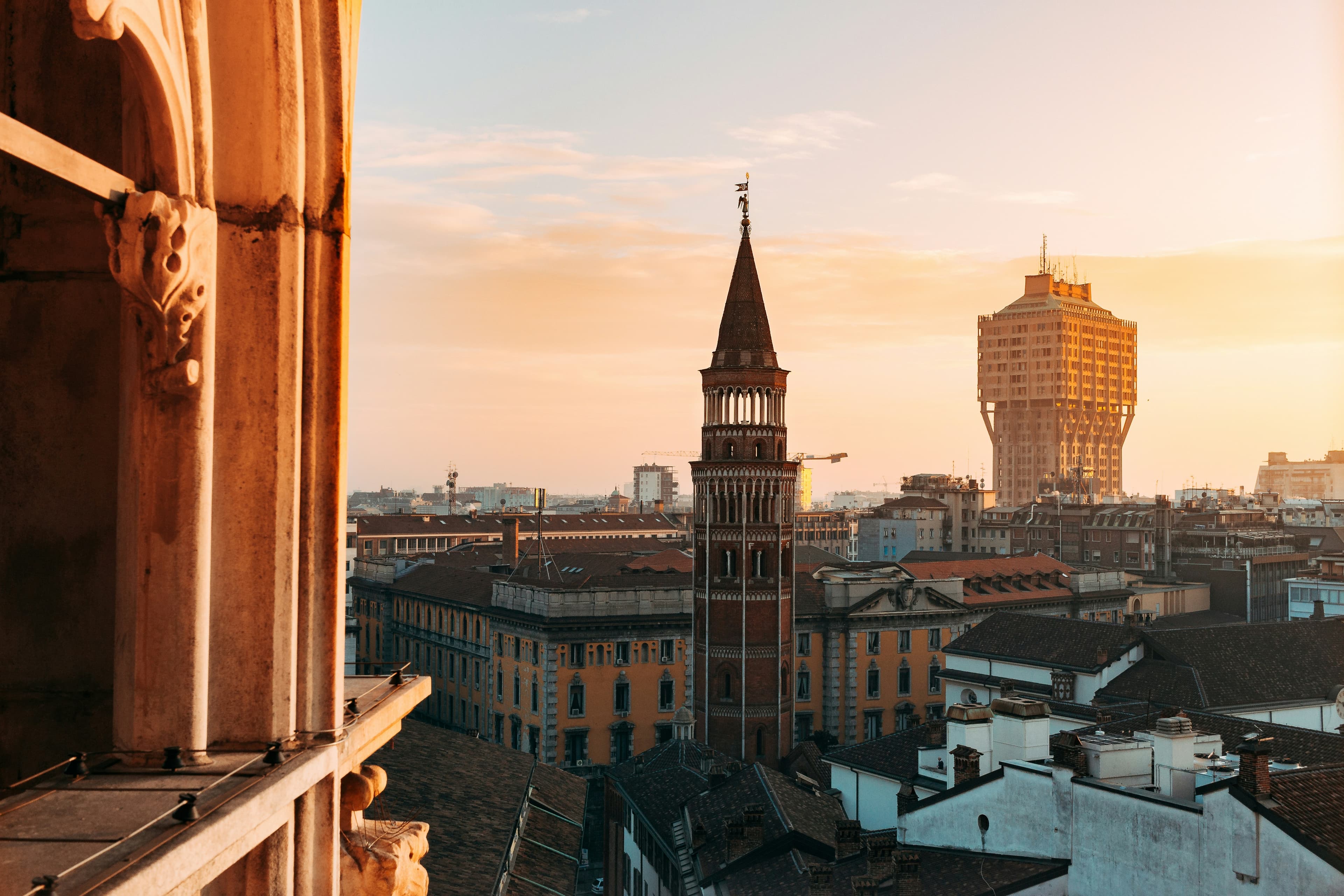
Milan has long traded on its reputation as a capital of fashion, design, and finance. But behind the glossy shopfronts of the Quadrilatero della Moda, a different kind of reinvention is under way. Italy's economic engine — home to 1.4 million residents and the beating heart of a metropolitan area of over 3.2 million — is steadily layering digital infrastructure, sensor networks, and data platforms onto its dense urban fabric. The smart city conversation in Milan is shaped by a distinctive tension: the city's formidable private-sector dynamism on one hand, and the legacy of a public administration that has historically struggled to keep pace on the other.
In February 2026, Milan co-hosted the Milano–Cortina Winter Olympic and Paralympic Games, a once-in-a-generation acceleration of urban infrastructure investment. Milano–Cortina explicitly inherited Paris 2024's circular-economy playbook — reusing materials shipped from the French Games — and centred its delivery on sustainable mobility and green policy. The Games coincide with the completion of CityWave, the new 60,000 m² BIG-designed Generali landmark that closes out the CityLife regeneration of the former Trade Fair area, and with the next biennial Next Mobility Exhibition (13–16 May 2026 at fieramilano-Rho) on integrated and sustainable mobility — organised partly by EIT Urban Mobility, with Milan branded as "the sixth city in the world for green mobility."
The Italian smart city market reached €1.05 billion in 2024, a 5% increase on the previous year, according to the Polytechnic University of Milan's Smart City Observatory. Milan sits at the centre of that market — not merely as a consumer of smart solutions but as the country's principal testing ground. The EY Smart City Index consistently ranks Milan among Italy's most digitally advanced cities, citing its transport integration, broadband penetration, and open data maturity. Yet rankings tell only part of the story. The real question is whether Milan's smart city investments are translating into tangible improvements for residents navigating a city where housing costs are soaring, air quality remains a chronic concern, and summer heat is intensifying year on year.
A City Hall Betting on Data and Mobility
Mayor Giuseppe Sala, first elected in 2016 and re-elected in 2021, has staked significant political capital on positioning Milan as Italy's innovation capital. The city administration's approach blends climate ambition with pragmatic digital modernisation. Milan's Piano Aria e Clima (Air and Climate Plan), adopted in 2021, set a target of carbon neutrality by 2050 and committed the city to expanding cycling infrastructure, electrifying public transport, and greening neighbourhoods — goals that rely heavily on smart monitoring and data-driven planning.
The city's technical agency, AMAT Milan — Agenzia Mobilità Ambiente Territorio (Agenzia Mobilità Ambiente Territorio), is the institutional backbone of much of this work. AMAT manages Milan's air quality monitoring network, oversees the Area B and Area C low-emission zones that restrict polluting vehicles from entering the city centre and the wider urban area, and operates a growing urban data platform that aggregates mobility, environmental, and infrastructure data. Area C, which charges vehicles entering the historic centre, has been credited with reducing traffic volumes by roughly 30% since its introduction — a figure that AMAT tracks in real time through sensor arrays at entry points.
Yet the administration faces persistent criticism. Environmental groups argue that the low-emission zones do not go far enough, noting that Milan still regularly exceeds EU air quality limits for PM10 and nitrogen dioxide. The centre-right opposition has questioned the pace and cost of cycling infrastructure expansion, while neighbourhood associations in peripheral areas complain that smart city investments remain concentrated in the centre and the northwest, where the flagship MIND Milano Innovation District is taking shape.
"Milan is a city that moves fast, but not always in the same direction," observed Marco Granelli, the city's former mobility councillor, in an interview with Corriere della Sera. "The challenge is making sure the digital transition doesn't just serve the centre, but reaches Quarto Oggiaro and Corvetto too."
Where Innovation Lives: From Expo Ruins to a New Urban Ecosystem
Milan's smart city ecosystem is anchored by a handful of powerful institutions, but its strength lies in the density of connections between them. The Polytechnic University of Milan — Italy's largest technical university — produces the country's most cited smart city research through its Internet of Things and Smart City Observatories. These observatories do not merely publish reports; they actively shape procurement standards and pilot designs used by Italian municipalities.
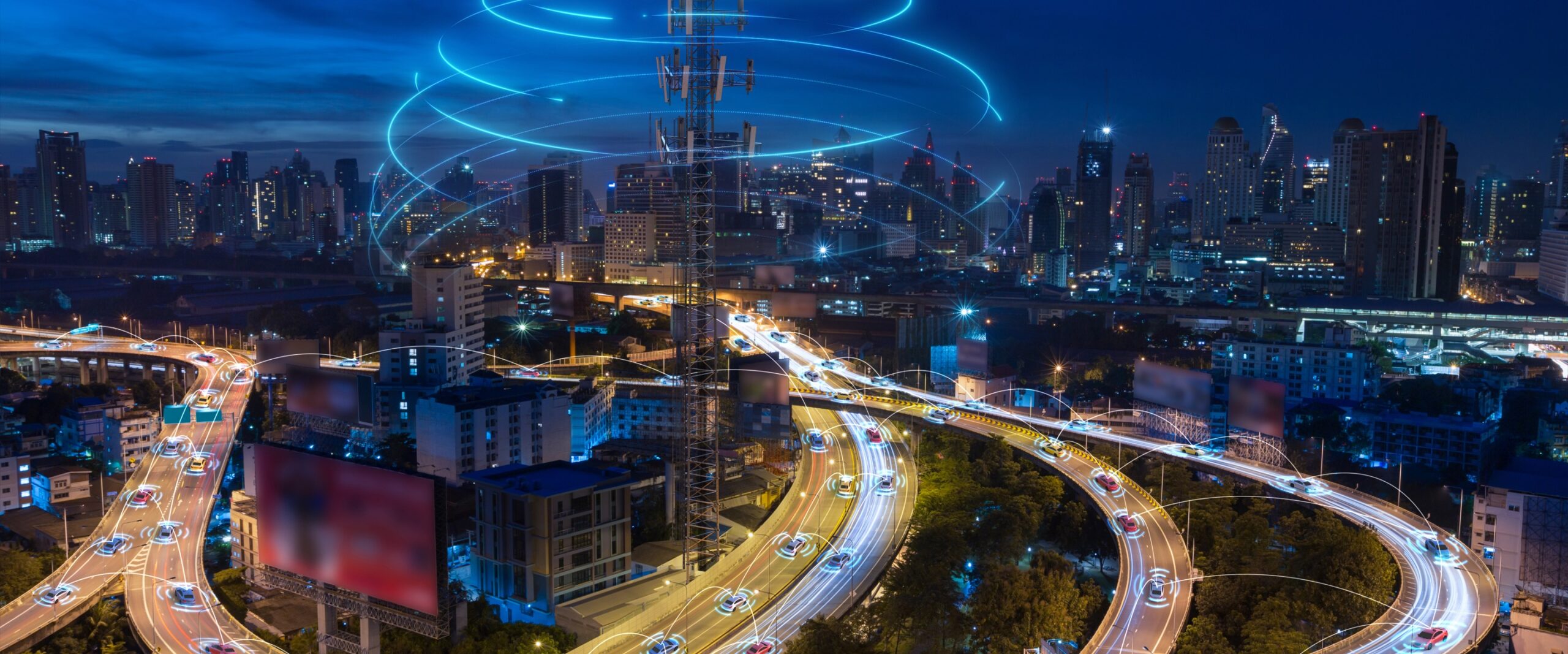
The private sector plays an outsized role. A2A Smart City, the smart infrastructure arm of Italy's largest multi-utility, operates over 100,000 connected streetlights across the city, embedded with environmental sensors measuring noise, air quality, and traffic flow. In November 2024, A2A signed a partnership with INWIT, Italy's leading tower company, to install 5G small cells on A2A's street infrastructure — a deal that aims to accelerate both ultra-fast connectivity and the density of the urban sensor mesh.
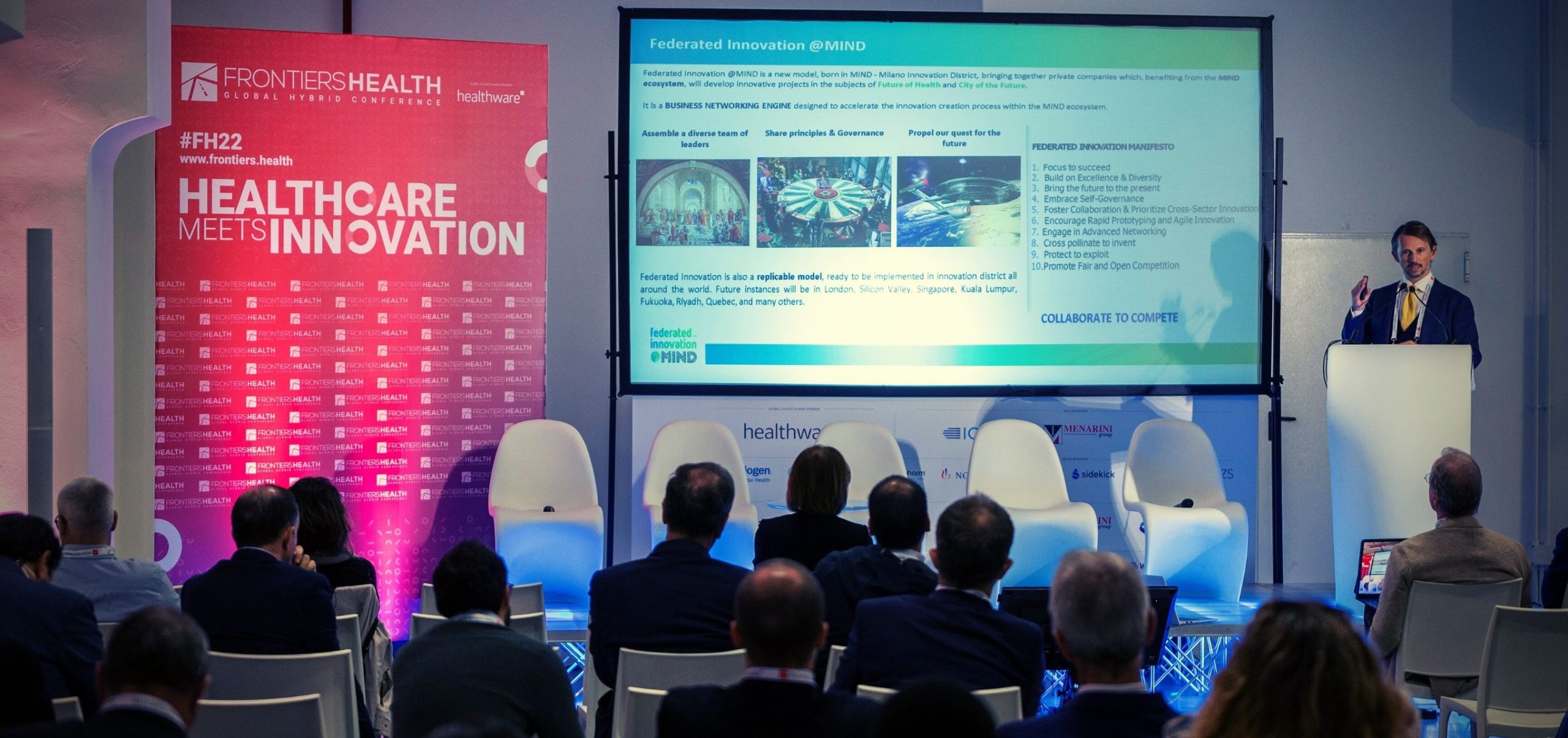
The real flagship, however, is MIND Milano Innovation District, a 100-hectare development on the former Expo 2015 site in the northwest of the city. MIND brings together the Human Technopole genomics research centre, a new campus of the University of Milan, the relocated Galeazzi Hospital, and a major mixed-use development led by Australia's Lendlease. The district targets net-zero operations and has deployed intelligent heating and cooling systems developed by E.ON, alongside a landscape masterplan by the Swedish firm SLA that integrates biodiversity corridors with stormwater management. MIND's ambition is to become a living laboratory — not a gated tech park but an integrated urban quarter where research institutions, start-ups, corporate R&D labs, and residents coexist.
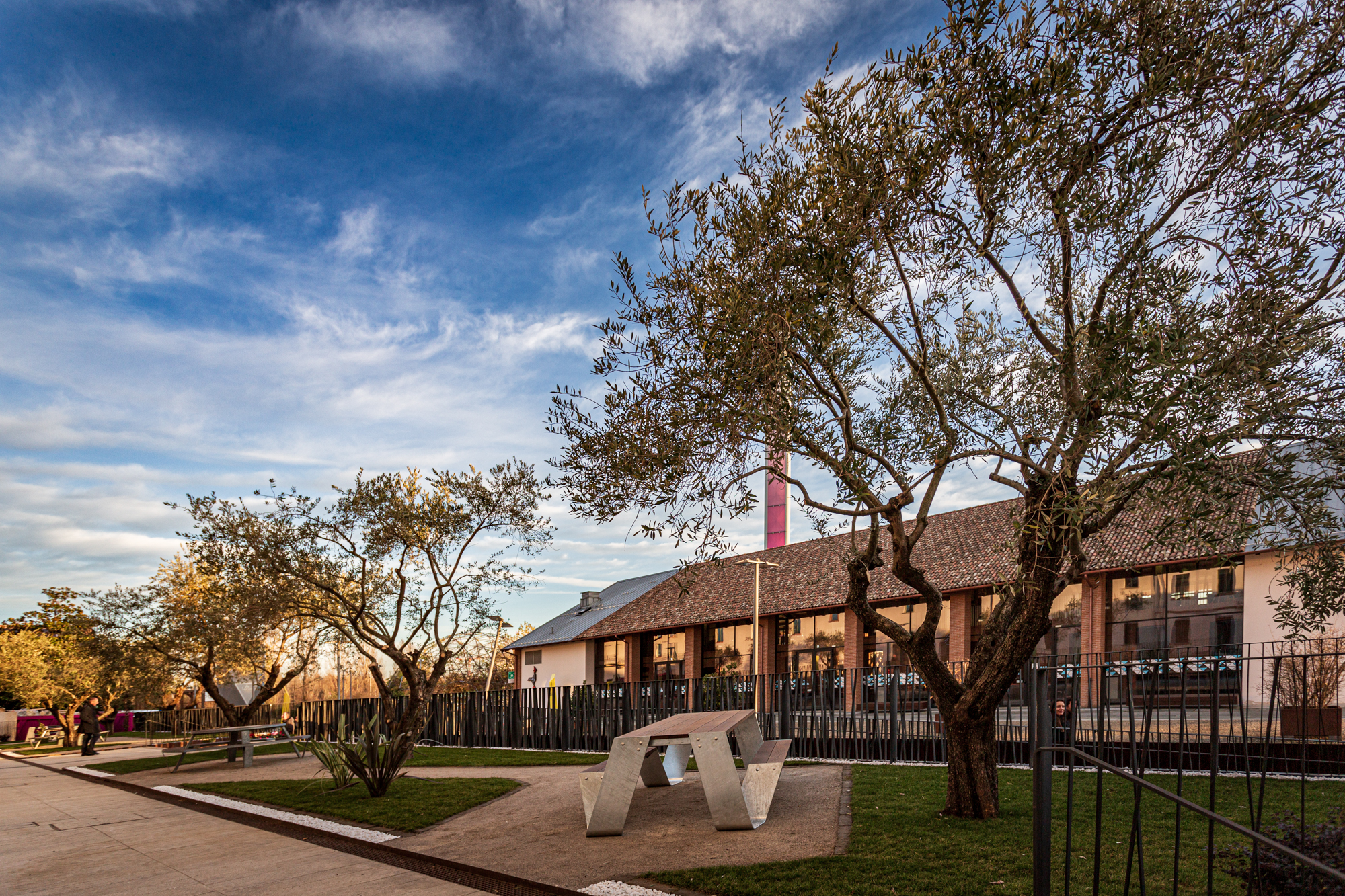
Fondazione Triulza, a civil society foundation operating from the restored Cascina Triulza farmstead within MIND, plays a distinctive mediating role. The foundation connects social enterprises, community organisations, and citizens' groups with the district's corporate and institutional tenants, ensuring that questions of social inclusion and equitable access remain part of the innovation district's agenda. It is a model that other European innovation districts are beginning to study.
Beyond MIND, the Milano Smart City Alliance — a public-private coalition including Assolombarda (Lombardy's industrial association), A2A, and several technology firms — coordinates pilot projects and advocates for regulatory frameworks that enable urban experimentation. In July 2025, the SmartCityLab Milano opened in the Tortona design district, run by the think tank Urban Futures. Across 2,000 m² with an auditorium, rooftop event space and a "tech aggregator" gallery, the lab is being built into a certified incubator and accelerator for urban technologies designed to be tested directly in Milan's streets.
From Sensor Grids to Seamless Journeys: What's Actually Working
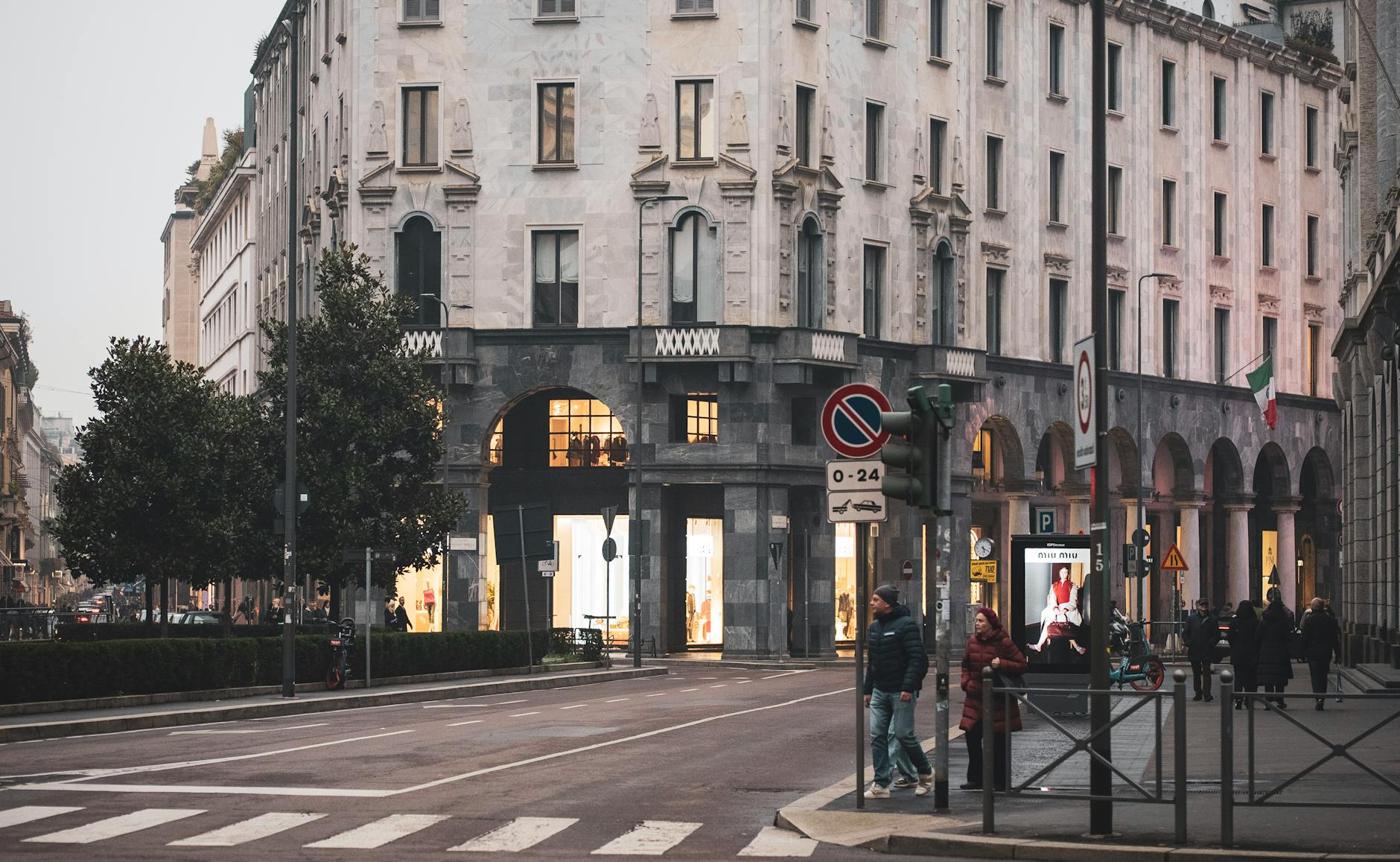
Milan's most tangible smart city deployment is in mobility. The Milan Mobility as a Service (MaaS) Pilot (Mobility as a Service), funded through Italy's National Recovery and Resilience Plan (NRRP), integrates the city's metro, tram, and bus networks with BikeMi cycle-sharing, car-sharing services, and electric scooter operators into a single digital platform. The aim is a seamless, app-based journey planner and payment system that makes it genuinely easier to leave the car at home. Early results have been promising, with multimodal trip bookings rising steadily since the pilot's launch, though interoperability between private operators remains a work in progress.
The city's Area B low-emission zone — one of Europe's largest by area — relies on an extensive network of automatic number plate recognition cameras linked to AMAT's data platform. Vehicles that do not meet emissions standards are automatically identified and fined. The system generates a rich data stream that AMAT uses to model traffic patterns, forecast congestion, and evaluate the impact of policy changes in near real time.
District heating, operated by A2A, now serves a significant share of central Milan, reducing reliance on individual gas boilers and improving air quality. The utility is progressively integrating waste heat from industrial processes and data centres into the network — a circular approach to urban energy that mirrors models in Copenhagen and Helsinki but adapted to Milan's denser, older building stock.
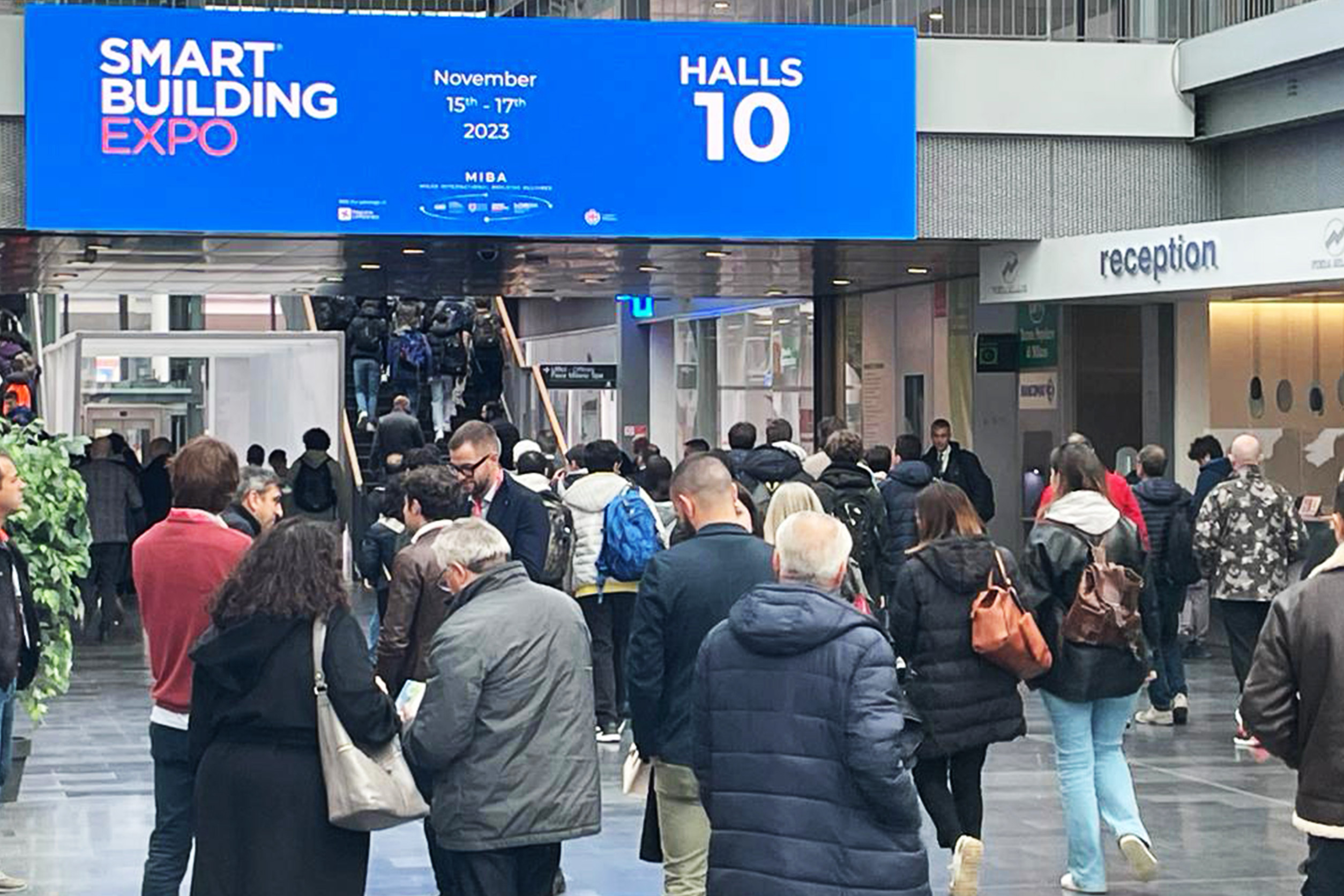
On the built environment front, the Smart Building Expo Milan 2025, held annually at Fiera Milano, has become one of southern Europe's principal trade fairs for building automation, energy management, and IoT integration. The 2025 edition, running 19–21 November, will spotlight the convergence of AI-driven building management with the EU's revised Energy Performance of Buildings Directive — a regulatory driver that is pushing Italian property owners toward smarter, more energy-efficient systems.
Yet not every deployment has run smoothly. Milan's early experiments with smart waste management — sensor-equipped bins that signal when they are full — suffered from maintenance problems and patchy connectivity, leading the city to scale back before relaunching with improved hardware. The episode is a reminder that smart city ambitions must be matched by operational capacity and sustained investment in maintenance.
The Aperitivo Test: Where Milanese Life Meets Urban Intelligence
The best place to experience Milan's smart city in the flesh is not a control room or an innovation lab — it is the Navigli district on a warm evening. The historic canal quarter, once threatened by traffic and neglect, has been revitalised partly through data-informed pedestrianisation and environmental monitoring. Sensors track noise levels and air quality along the canals, feeding data into the city's environmental dashboard and informing decisions about traffic restrictions and event management.
For a more futuristic glimpse, visit MIND. Walk past the gleaming Galeazzi Hospital — one of Italy's most digitally integrated healthcare facilities — through the landscaped public spaces designed by SLA, and into the Cascina Triulza, where Fondazione Triulza hosts exhibitions on social innovation and community workshops on digital inclusion. It is a place where Milan's two instincts — the commercial and the communal — meet on shared ground.
There is a cultural thread here, too. Milan's legendary aperitivo culture — the evening ritual of a drink accompanied by generous platters of food, practised with near-religious devotion across the city's bars and piazzas — embodies a characteristic that shapes the city's approach to innovation. Milanese pragmatism insists that technology must serve conviviality, not replace it. The best smart city solutions here are the ones you barely notice: the tram that arrives on time because the network is optimised in real time, the air quality alert that nudges you to cycle rather than drive, the seamless tap-in to metro, bike, and scooter on a single app.
"In Milan, we don't talk about smart cities — we talk about living well," remarked Stefano Boeri, the architect famous for the Bosco Verticale vertical forest towers, in an interview with Domus magazine. "Technology is interesting when it disappears into the quality of everyday life."
It is that disappearing act — technology dissolved into the texture of a city that has always valued bella figura — that makes Milan's smart city story distinctive. Whether it can extend that quality of life beyond the fashionable centre to the peripheral neighbourhoods where most Milanese actually live remains the city's defining challenge.
References6 resources14 external
Resources
Project
Milan Mobility as a Service (MaaS) Pilot
Milan’s MaaS pilot unites metro, bike‑share, e‑scooters, and taxis on one digital platform.
Organisation
A2A Smart City
Provides integrated urban tech solutions for sustainable, data‑driven city management.
Organisation
Fondazione Triulza
Connects civil society, social enterprises, and institutions to foster inclusive urban innovation.
Organisation
MIND Milano Innovation District
Urban regeneration hub integrating research, education, healthcare, and sustainable living.
Organisation
AMAT Milan — Agenzia Mobilità Ambiente Territorio
Provides data‑driven mobility, environmental, and urban planning solutions for sustainable Milan.
Event
Smart Building Expo Milan 2025
For architects, engineers, and managers seeking smart building automation, digital infrastructure, and energy‑efficient solutions.
External Sources
Italy's smart city market reaches €1.05 billionpolimi.itEY Smart City Index Italyey.comINWIT and A2A sign 5G small cells partnershipinwit.itMilano Smart City Alliancemilanosmartcity.orgSmartCityLab Milano launchurbanfutures.itArea C traffic reduction resultscomune.milano.itStefano Boeri on urban innovationdomusweb.itMilan Air and Climate Plancorriere.itFrom Paris 2024 to Milano Cortina 2026: A Sustainable Legacyolympics.comOlympics.comolympics.comCityWave: The New Sustainable Landmark of CityLifemanens.comNext Mobility Exhibition 2026nextmobilityexhibition.comMilan Launches Smart City Incubation Hubiotm2mcouncil.orgMilan Hosts a New Smart-City Hubdomusweb.it