Loading...
City
Copenhagen
Country🇩🇰 Denmark
The Capital That Made Climate a System, Not a Slogan
Copenhagen's reputation as a smart city rests less on technology showcases than on something harder to replicate: the systematic embedding of digital tools inside climate policy, mobility planning, and everyday public services. The Danish capital set itself the goal of becoming the world's first carbon-neutral capital by 2025, adopting the CPH 2025 Climate Plan in 2012 with four pillars — energy consumption, energy production, mobility, and city administration. By 2025, the plan had brought Copenhagen roughly 80 per cent of the way to that target, largely through a near-complete shift away from fossil fuels in the energy sector.
Rather than declare the mission accomplished, the city moved the goalposts forward. In September 2025, Copenhagen's City Council adopted a new climate strategy aiming for "climate positivity" by 2035 — not merely neutralising local emissions but halving the city's global climate footprint and cutting emissions from municipal purchases by 50 per cent. Lord Mayor Lars Weiss framed the ambition plainly: "Copenhagen must be a green city leading with initiatives that have a real impact on the climate. With this new climate strategy, our goal is to become climate positive by 2035. By sharing our experiences and technologies, we can make a significant difference for the global climate footprint."
That ambition is now being operationalised. In early 2026, Copenhagen's Borgerrepræsentation endorsed the Klimahandleplan 2026–2028, the first of three rolling action plans that translate the 2035 strategy into concrete municipal initiatives — and, for the first time, the plan measures the climate footprint of Copenhageners' consumption of food, clothing, electronics and travel, not only municipal emissions.
With 644,000 residents, Copenhagen is a small capital by European standards. But its influence on smart city thinking is outsized — in part because the city consistently treats sustainability not as a side programme but as the operating system for urban development.
From Plans to Platforms — How the City Governs Innovation
Copenhagen's smart city governance is unusual in that it avoids a standalone "smart city department". Instead, digital innovation is channelled through the Københavns Kommune - Teknik- og Miljøforvaltningen (Technical and Environmental Administration), the municipal body responsible for infrastructure, environment, and urban development. This keeps technology tied to delivery rather than floating as a parallel strategy.
The city's dedicated experimentation engine is Copenhagen Solutions Lab, an innovation unit within the municipality that partners with companies and research institutions to test urban technologies in real conditions. Working across air quality, building energy optimisation, mobility, and circular economy, CSL follows a structured process: identify a municipal challenge, scout solutions on the market, run a pilot, evaluate, and — if successful — hand off to operations. the Copenhagen Solutions Lab, an offshoot, provides a physical testbed for sensors, data platforms, and mobility tools in city streets.
The Copenhagen Connecting - City Data Platform data platform integrates transport, energy, and environmental data into a shared infrastructure for city management — a project that won the World Smart Cities Award at Barcelona's Smart City Expo World Congress. Critically, the city's approach to data leans towards interoperability and use-case-driven integration rather than a single monolithic platform, reflecting a pragmatic Nordic preference for systems that work over systems that impress.
Sceptical voices, including the Danish Board of Technology, have raised legitimate questions about privacy, democratic oversight, and whether innovation districts risk creating a two-speed city. Copenhagen's response has been to embed civic engagement — including technology assessment and participatory design — into its innovation processes, though the tension between ambition and equity remains unresolved.
Where the Wind Farm Meets the Innovation Hub
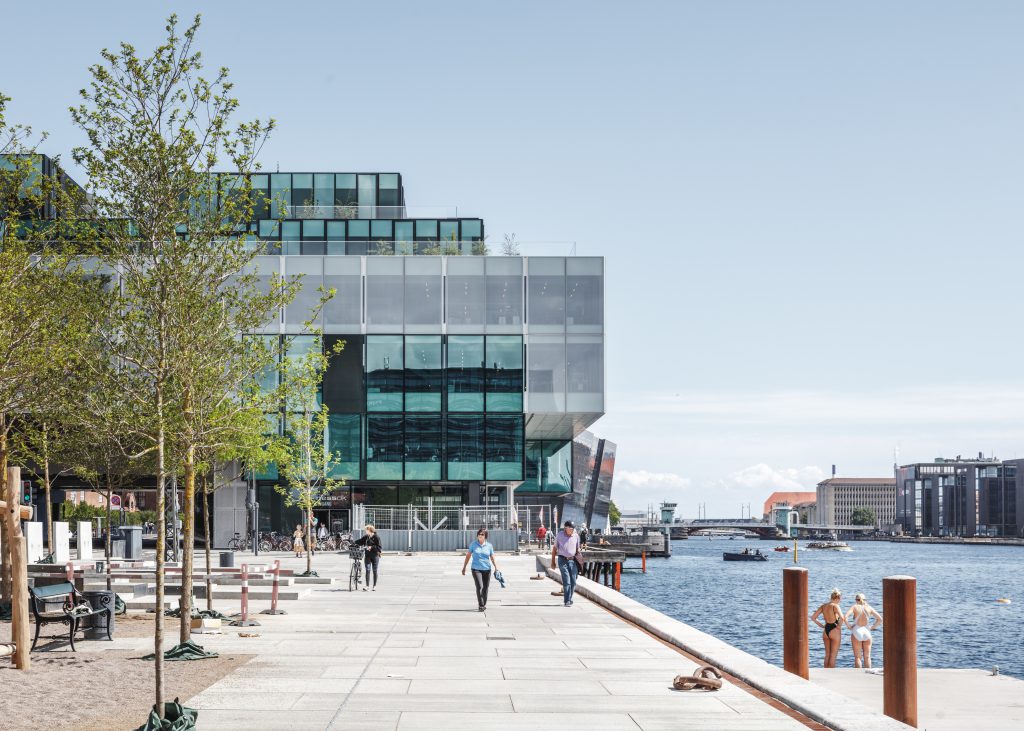
Copenhagen's smart city ecosystem draws strength from a dense network of institutions that bridge research, industry, and municipal government. BLOXHUB, housed in the BLOX building on the city's waterfront, connects over 350 organisations in architecture, engineering, and technology to work on sustainable urbanisation — a Nordic innovation hub where the "smart" conversation is overwhelmingly about the built environment: energy systems, district heating, mobility infrastructure, and climate adaptation.
Gate 21, a non-profit partnership of municipalities, businesses, and knowledge institutions, acts as a bridge between local government ambitions and private-sector delivery, facilitating projects across energy, mobility, and green transition. The DTU - Technical University of Denmark (DTU) contributes research muscle in energy systems, intelligent transport, and digital infrastructure, with its work on integrated energy models directly informing Copenhagen's district-level planning.
The startup layer adds agility. Corti, a Copenhagen-based artificial intelligence (AI) company, has transformed emergency medical dispatch by providing real-time decision support that detects cardiac arrests faster than human operators alone. StreetSmart uses computer vision to analyse pedestrian safety from street-level data, feeding evidence into urban planning decisions. Penneo, a regtech startup, has digitised identity verification and electronic signatures for public and private organisations across Europe. These companies thrive in a Danish ecosystem where digital infrastructure is among Europe's most advanced and public-sector willingness to adopt new technology is high.
A Ski Slope on a Waste Plant, a Lab in a Harbour
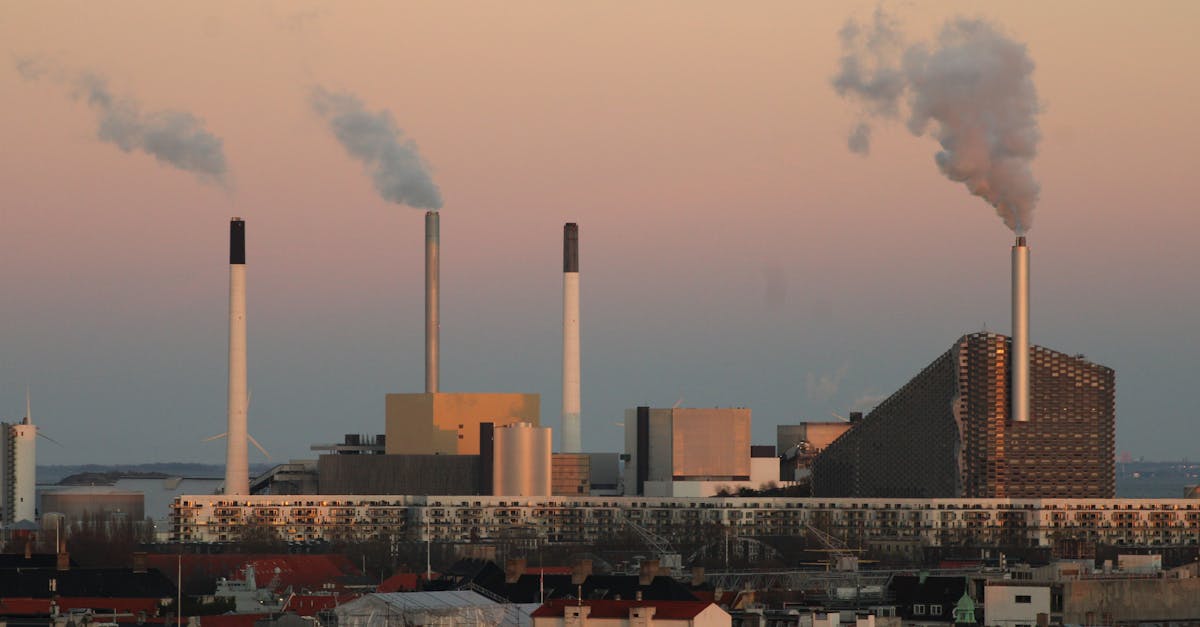
Copenhagen's lighthouse projects are distinctive because they tend to solve real problems at scale rather than remaining permanent pilots. CopenHill (Amager Resource Centre) — officially the Amager Resource Centre — is the most visually arresting: a waste-to-energy plant designed by Bjarke Ingels Group that converts 440,000 tonnes of waste into electricity and district heating annually, with a public ski slope, hiking trail, and climbing wall built into its exterior. It is infrastructure as civic amenity, and a signal that sustainability and public life need not be separate categories.
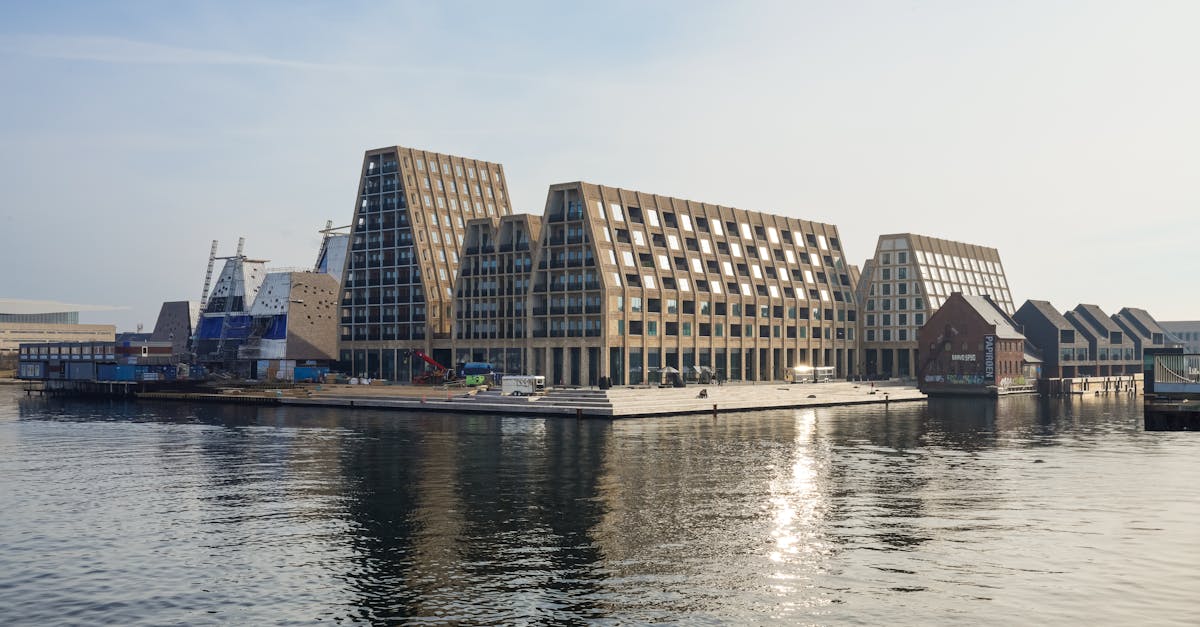
In Nordhavn, Copenhagen's emerging harbour district, the Nordhavn Energy Lab demonstrated how electricity, heating, energy-efficient buildings, and electric transport could be integrated into a single intelligent energy system. Though the formal project concluded in 2021, its findings have been scaled into other neighbourhoods, and Nordhavn itself continues to develop as a five-minute city prototype. Jacob Deichmann, Ramboll's project manager for the district, describes the ambition: "Nordhavn provides the opportunity for 40,000 people in Copenhagen to have nature at their doorstep — right in the centre of the city. Its neighbourhood design drastically rethinks how cities can combine different ways of living with sustainable energy, environment, mobility, and cityscape solutions."
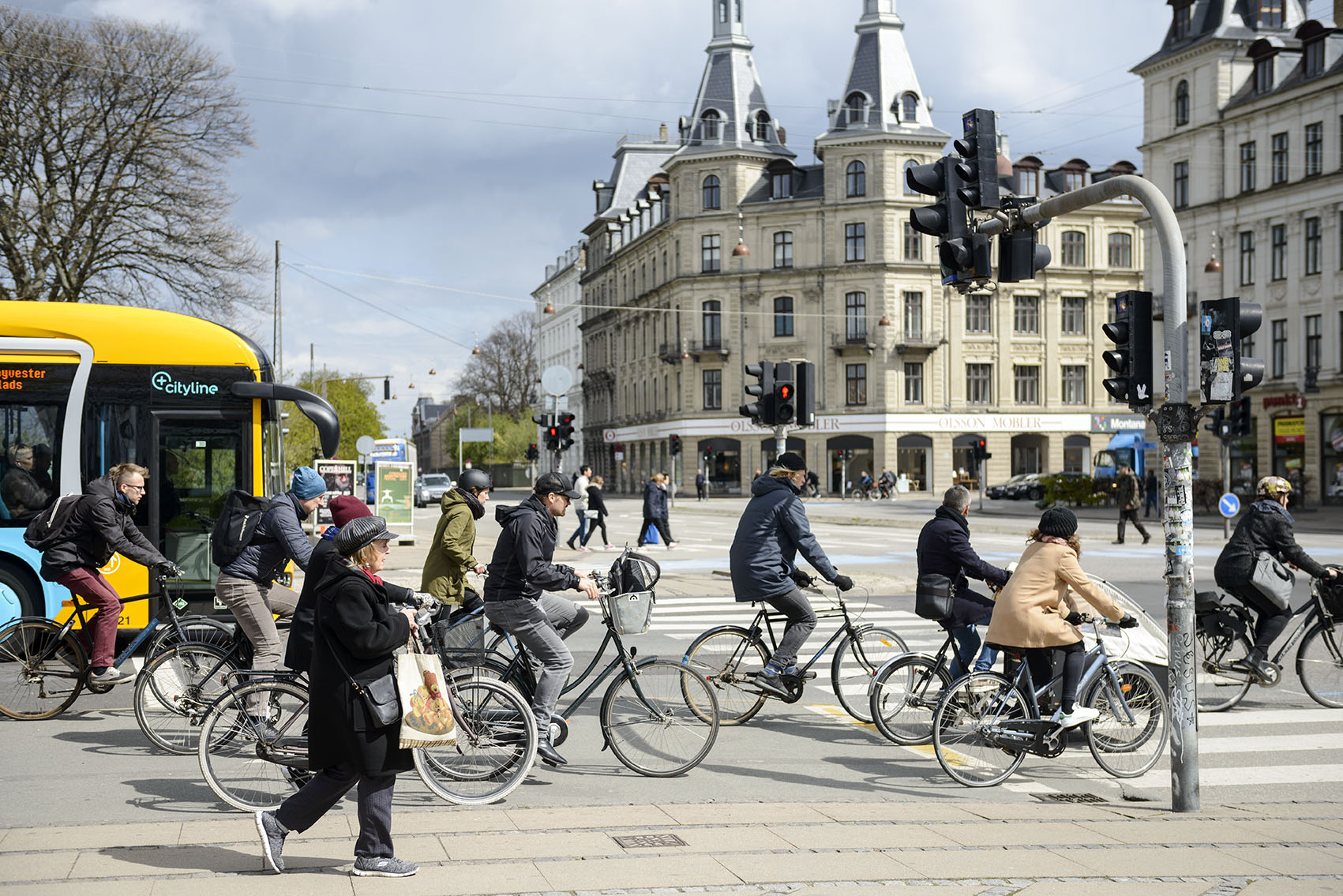
The Copenhagen Cloudburst Management Plan, a €1.5 billion climate adaptation strategy encompassing 300 projects, tackles the city's vulnerability to extreme rainfall — turning a climate risk into an opportunity to redesign streets, parks, and public spaces as water-management infrastructure. Smart Parking Copenhagen uses sensors and cameras to provide real-time parking data, reducing circling traffic and congestion. And the Cycle Super Highways Copenhagen, an expanding network of premium cycling routes connecting Copenhagen to surrounding municipalities, ensure that the city's world-leading cycling culture extends well beyond the municipal boundary.
Through the EU NetZeroCities Pilot Cities Programme, Copenhagen is now turning its district heating network — which connects 98 per cent of all households — into a living laboratory for Europe's next-generation urban climate solutions, with the explicit aim of sharing the resulting playbook with other European cities.
The City Where the Bicycle Won
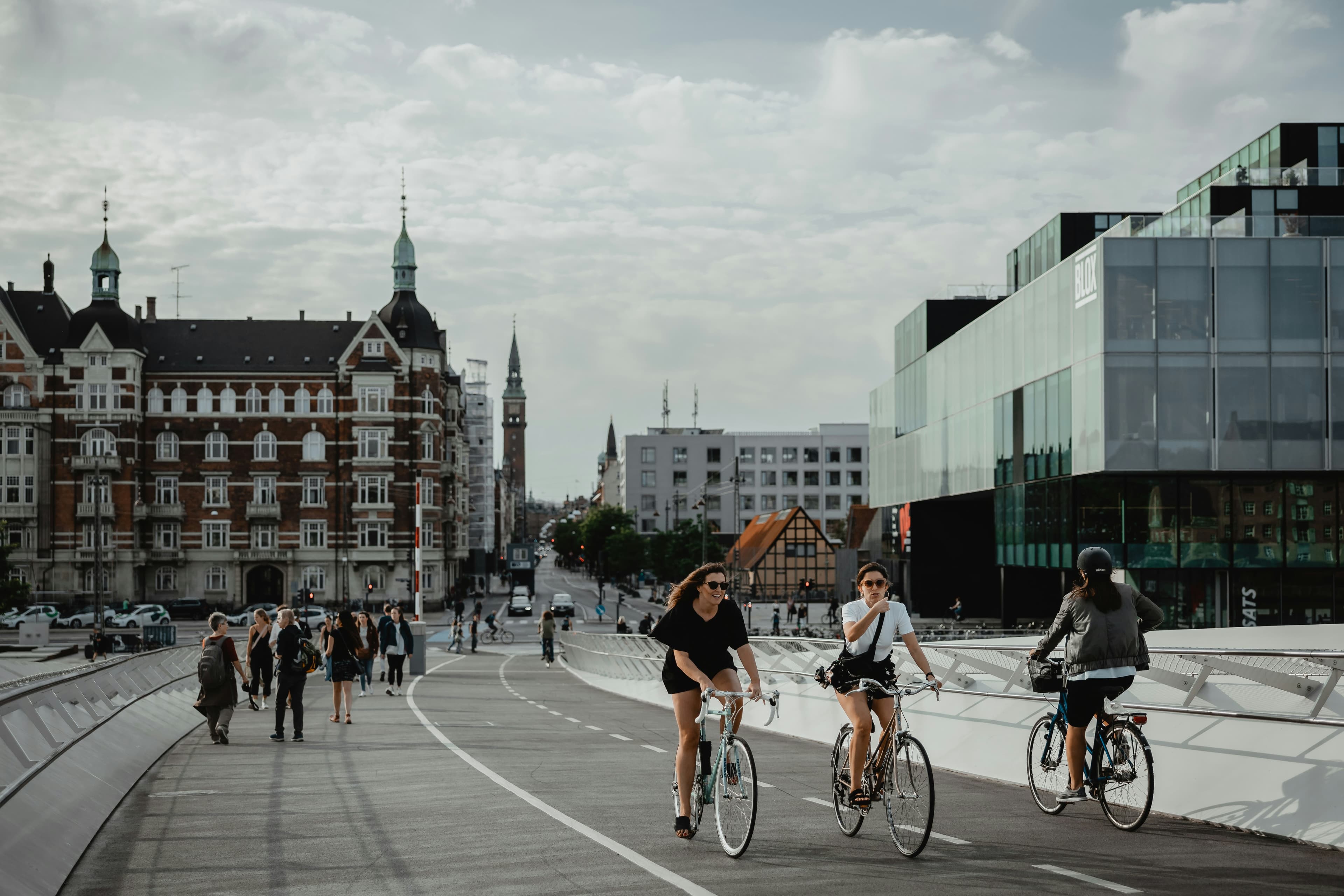
To experience Copenhagen's smart city in practice, start with what 644,000 residents already know: the bicycle. Copenhagen's cycling infrastructure is not an accessory or a marketing device — it is a governing choice made over decades, resulting in a city where nearly half of all commutes are made by bike. The Cycle Super Highways have extended this logic to the metropolitan region, and the infrastructure is sophisticated enough that cyclist congestion — not car congestion — is now a subject of academic research.
Walk along the harbour and you pass CopenHill's ski slope, where Copenhageners carve turns above a working power plant. In Nordhavn, children cycle past low-energy apartment blocks to schools designed around the five-minute city principle. At Islands Brygge, swimmers dive into harbour water clean enough to bathe in — a civic achievement that required decades of wastewater investment and is now treated as an ordinary summer pleasure.
The cultural habit that ties this together is something Danes call hygge — often translated as cosiness, but better understood as a collective investment in shared comfort. Copenhagen's smart city story is, at root, a hygge story: the conviction that public infrastructure should feel good to use, that technology should recede into the background of a well-functioning life, and that the best measure of a smart city is not its dashboard but whether people want to be outside in it. In Copenhagen, they do — even in February.
References17 resources12 external
Resources
Project
Cycle Super Highways Copenhagen
Smart signals turn green for cyclists, IoT counters track flow, snow‑clearing adapts to weather.

Project
Copenhagen Cloudburst Management Plan
DKK 11 billion plan blends AI‑driven flood prediction with green parks that double as recreation spaces.
Organisation
StreetSmart
AI platform analyzing street-level data to enhance pedestrian safety and mobility Europe‑wide.
Organisation
BLOXHUB
Facilitates collaborative sustainable urban solutions via networking, events, and co‑working spaces across.

Organisation
Penneo
Digital identity verification and e‑signature platform enabling secure, paperless transactions across Europe.

Organisation
Danish Board of Technology
Assess and guide smart city technologies, ensuring democratic, ethical, citizen‑centered innovation.
Knowledge
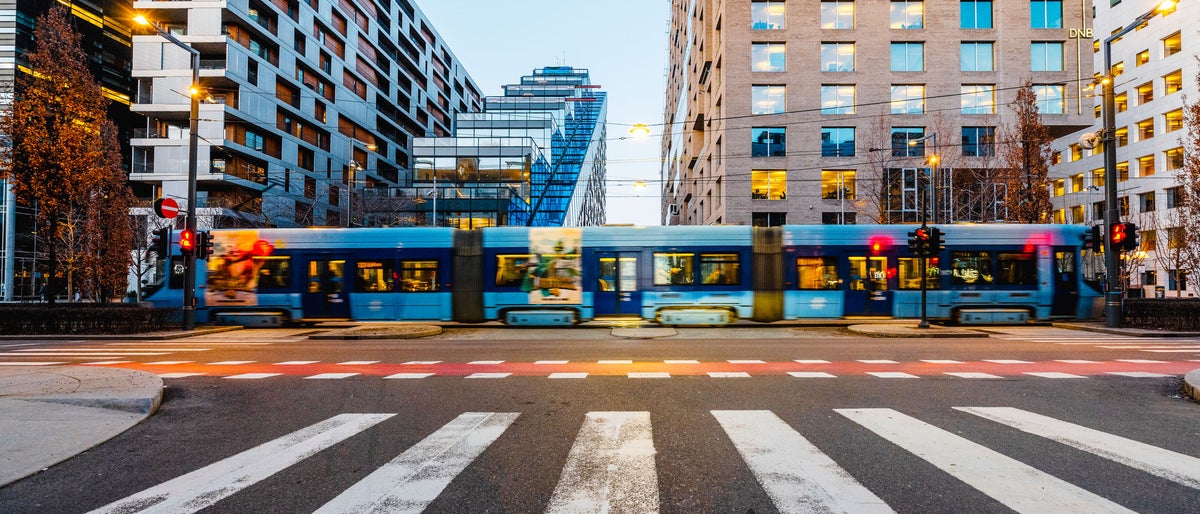
Towards Inclusive and Sustainable Strategies in Smart Cities: Zurich, Oslo, and Copenhagen
Explores how Zurich, Oslo, and Copenhagen integrate equity, tech, and green policies for future‑ready smart cities.
Organisation
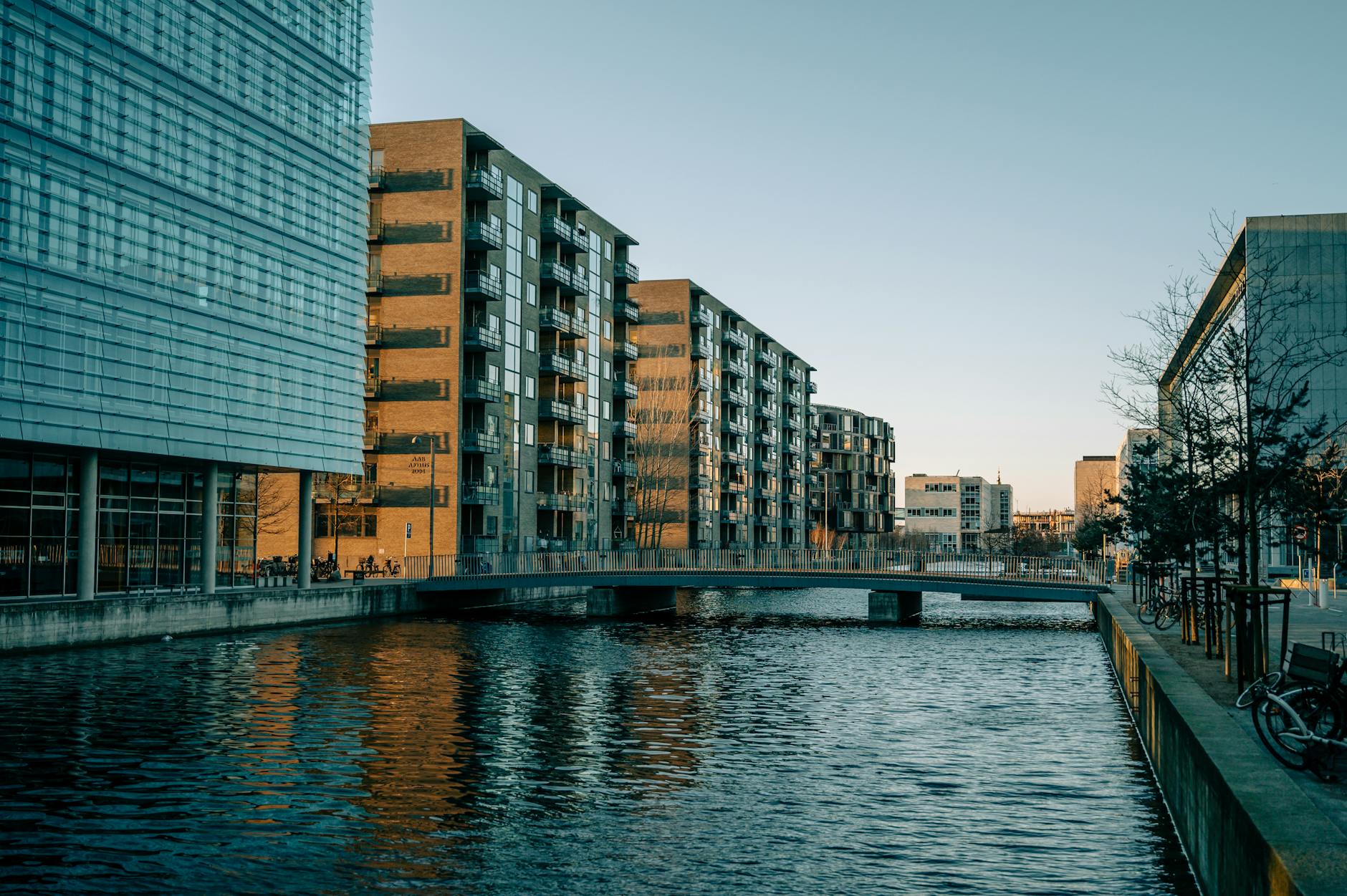
Copenhagen Solutions Lab
Driving urban innovation through data, AI, and digital solutions for sustainable city development.

Knowledge
Copenhagen: World's Smartest City?
Copenhagen blends human‑centred tech, smart traffic lights, waste‑sensor bins, and ambitious carbon‑neutral goals.

Organisation
DTU - Technical University of Denmark
Pioneering smart city research, education, and collaborations across energy, transport, digital infrastructure.
Organisation
Corti
AI-powered real-time decision support for emergency medical calls, improving response outcomes.
Project
Smart Parking Copenhagen
Sensors and cameras guide drivers, cutting 30% of city‑center traffic and emissions.
Organisation
Københavns Kommune - Teknik- og Miljøforvaltningen
Leads sustainable urban development through smart infrastructure, climate action, and digital innovation.
Project
Nordhavn Energy Lab
Shows how surplus wind powers heating, EVs and buildings, cutting fossil reliance citywide.

Knowledge
Copenhagen Connecting - City Data Platform
Integrates traffic, air quality, energy, waste and flood data for real‑time, cross‑sector urban insights decision‑making.

Organisation
Gate 21
Connects municipalities, businesses, and academia to implement sustainable climate‑focused urban projects.
Project
CopenHill (Amager Resource Centre)
A waste‑to‑energy plant that powers 240 000 homes while offering a rooftop ski slope.
External Sources
The CPH 2025 Climate Planurbandevelopmentcph.kk.dkCopenhagen aims for climate positivity with new 2035 climate strategystateofgreen.comCopenhagen — Carbon Neutral Cities Alliancecarbonneutralcities.orgNordhavn: The smart urban area of the futurestateofgreen.comForget the 15-minute city — Nordhavn wants you in fiveube.ac.ukCohesive urban bicycle infrastructure designpmc.ncbi.nlm.nih.govCopenhagen Solutions Labcphsolutionslab.dkBLOXHUBbloxhub.orgKøbenhavn har vedtaget en ny klimastrategi for de næste 10 årvia.ritzau.dkAmbitiøs Klimastrategi 2035 kræver samarbejde — Klimahandleplan 2026–2028byudvikling.kk.dkCopenhagen's Heat Flexibility Drive for Carbon Positivitynetzerocities.euCity of Copenhagen — Solution Provider Profilestateofgreen.com