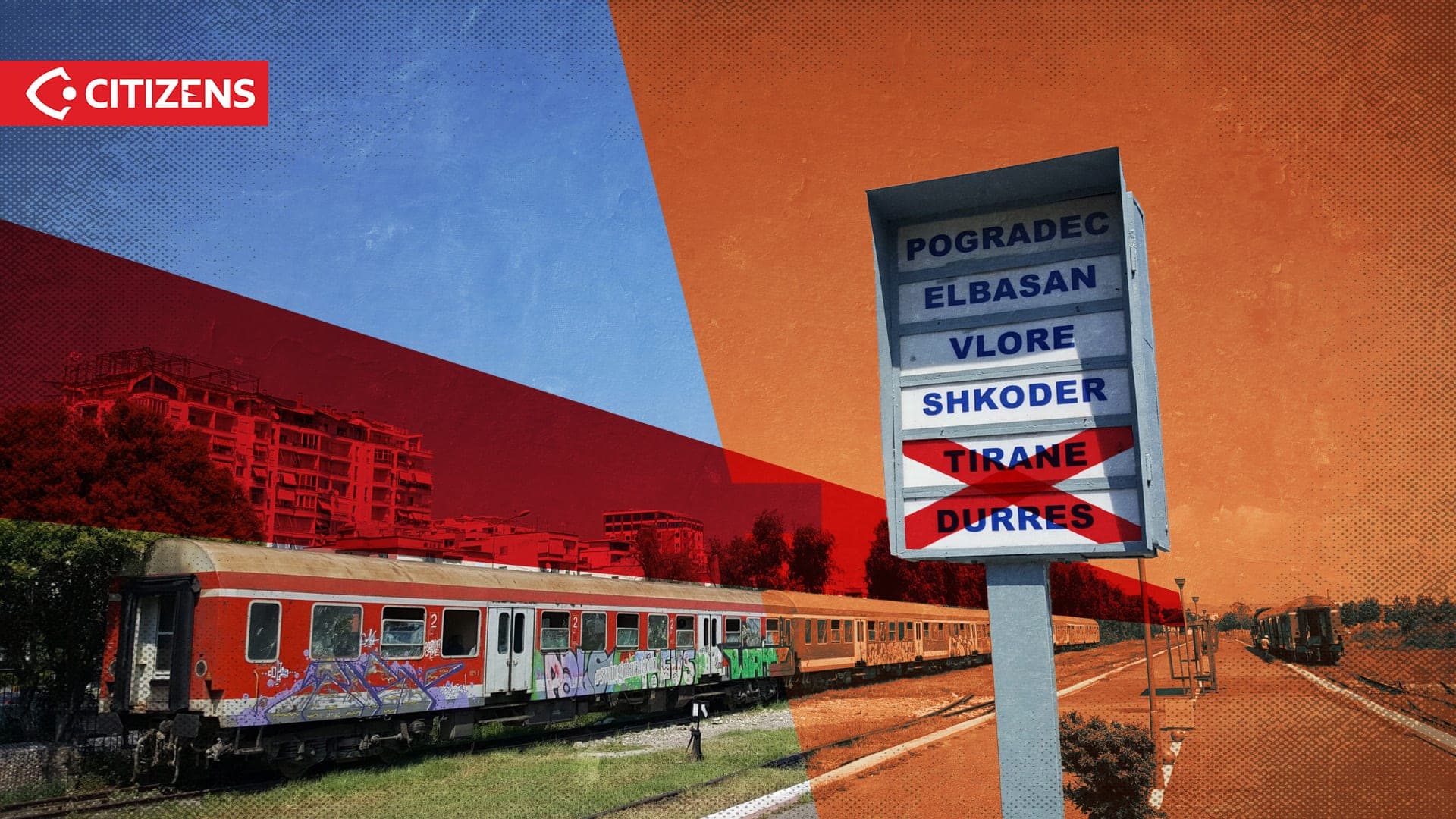
Delayed Rail Link Highlights Regional Transport Challenges
The article reports that the long‑awaited railway connection between Tirana and Durrës remains unfinished, with the latest projection pushing the opening to the following year. This project, financed jointly by the European Union and the European Bank for Reconstruction and Development, was initially slated for earlier completion but has suffered multiple setbacks, marking the fifth missed opening date. The delays are set against a broader European focus on sustainable transport infrastructure, underscoring the importance of rail as a low‑carbon alternative to road traffic.
Cost Overruns Reach Approximately €113 Million
Financial data in the piece reveal that the total budget for the rail link has escalated to around €113 million, a significant increase from the original estimate. The cost growth reflects construction challenges, procurement issues, and inflationary pressures that have affected many large‑scale infrastructure projects across Europe. These figures are critical for stakeholders monitoring the economic viability of sustainable transport investments.
Construction Hurdles and Technical Setbacks
The article details several technical problems that have contributed to the postponements, including difficulties with tunnel excavation, land acquisition disputes, and delays in the delivery of signaling equipment. These obstacles have not only extended the timeline but also required additional engineering solutions, further inflating the project’s budget.
Strategic Importance for Sustainable Mobility
Connecting Albania’s capital with its main port and the international airport, the Tirana‑Durrës railway is positioned as a key component of the country’s strategy to reduce road congestion and lower greenhouse‑gas emissions. By offering a fast, electrified rail service, the line is expected to shift passenger and freight traffic from cars and trucks to a more environmentally friendly mode, aligning with EU objectives for greener transport networks.
Stakeholder Involvement and Funding Structure
The initiative is a collaborative effort between the Albanian government, the European Union, and the EBRD. The EU’s involvement reflects its broader agenda to support infrastructure that promotes regional connectivity and sustainability. The EBRD’s participation provides financial expertise and risk mitigation, essential for large public‑private partnerships in emerging markets.
Projected Timeline and Next Steps
According to the latest update, the railway is now anticipated to become operational in the next calendar year, pending final testing and regulatory approvals. Authorities plan to accelerate remaining works, focusing on completing track laying, station construction, and system integration. Monitoring will continue to ensure adherence to the revised schedule.
Implications for European Sustainable Housing Initiatives
While the article centers on transport, the rail link’s completion could indirectly influence sustainable housing projects by improving access to urban centers and encouraging transit‑oriented development. Enhanced connectivity may spur the construction of energy‑efficient residential units near stations, supporting European goals of integrating housing with low‑carbon mobility options.