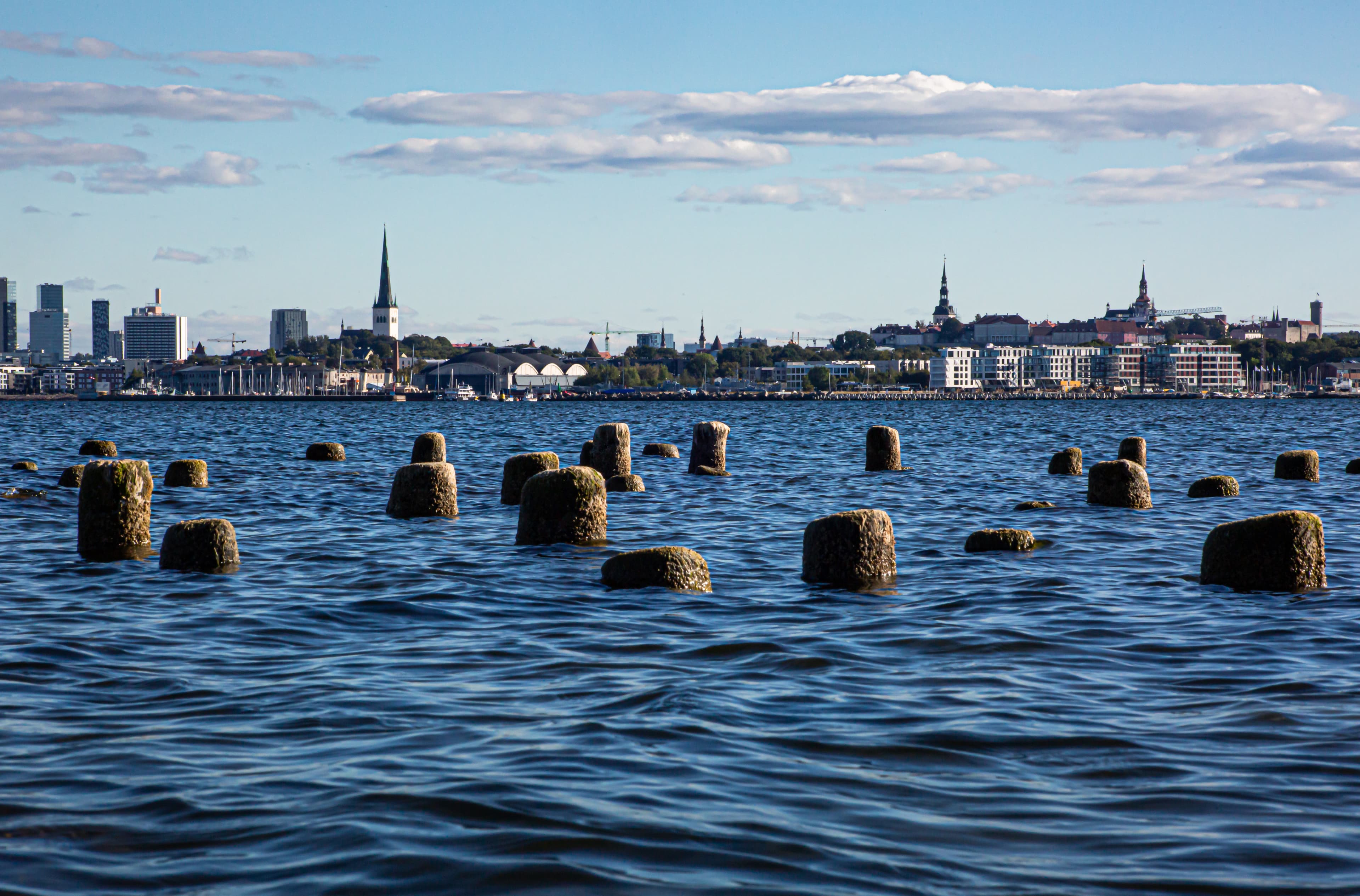
Overview of Tallinn’s Climate‑Neutral Roadmap
The “Tallinn Climate‑Neutral Roadmap 2030” is the city’s Sustainable Energy and Climate Action Plan, adopted by the Tallinn City Council in June 2021. It aligns with the EU Green Deal, Estonia’s national strategies, and the Covenant of Mayors, aiming to cut greenhouse‑gas emissions by 40 % by 2030 (relative to 2007) and achieve full climate neutrality by 2050. The roadmap is publicly available on the city’s website and was submitted to the database on 29 April 2026.
Baseline Emissions and Reduction Targets
In 2007 Tallinn emitted 3,836 kt CO₂; by 2019 this fell to 2,970 kt CO₂, showing early progress. The plan targets a further 40 % reduction by 2030, bringing emissions down to roughly 1,780 kt CO₂, and a net‑zero balance by 2050. These targets support the city’s 2035 development strategy and the broader European climate objectives.
District Heating Decarbonisation
Approximately 70 % of Tallinn’s district‑heating energy already comes from renewable sources. The roadmap calls for complete decarbonisation of the heating network by 2030, alongside the rollout of carbon‑neutral cooling systems and building renovations to at least energy class C. Given the city’s cold climate, heating is a major emissions source, making this sector pivotal for meeting the targets.
Sustainable Mobility Initiatives
Tallinn’s free public‑transport system, launched in 2013, forms the backbone of its mobility strategy. The plan expands low‑ and zero‑emission bus and tram fleets, enhances cycling infrastructure, and reduces private‑car reliance through integrated urban planning. These measures aim to lower transport‑related emissions and improve accessibility across the city.
Circular Economy and Green Infrastructure
The roadmap embeds circular‑economy principles, promoting reuse, repair, and recycling to extend product lifespans. Green‑blue infrastructure projects—such as storm‑water management, linear parks, and a 14‑km “pollinator highway”—boost biodiversity, flood resilience, and urban greening. Currently, green spaces cover 32 % of Tallinn’s area, supporting both environmental and social benefits.
Innovation, Digital Tools, and Smart Planning
Tallinn leverages its strong digital ecosystem, exemplified by the Helsinki‑Tallinn cross‑border digital twin project, which uses laser scanning, satellite data, and IoT sensors for data‑driven urban planning. Programs like Tallinnovation and TestinTallinn nurture startups developing climate‑friendly technologies, reinforcing the city’s role as a hub for sustainable innovation.
Financing and Implementation Outlook
Public‑sector implementation costs are estimated at €1.5 billion by 2030, encompassing both already‑executed actions and future measures. Annual implementation plans, approved by the city government and municipal budget, detail specific activities and allocations. The roadmap anticipates additional revenue streams from tax increases and participation in greenhouse‑gas emissions trading schemes.
Monitoring, Reporting, and Recognition
Progress is monitored according to Covenant of Mayors reporting rules, to which Tallinn has been a signatory since 2009. The comprehensive approach earned Tallinn the title of European Green Capital 2023, highlighting its systemic governance and alignment with the European Green Deal.