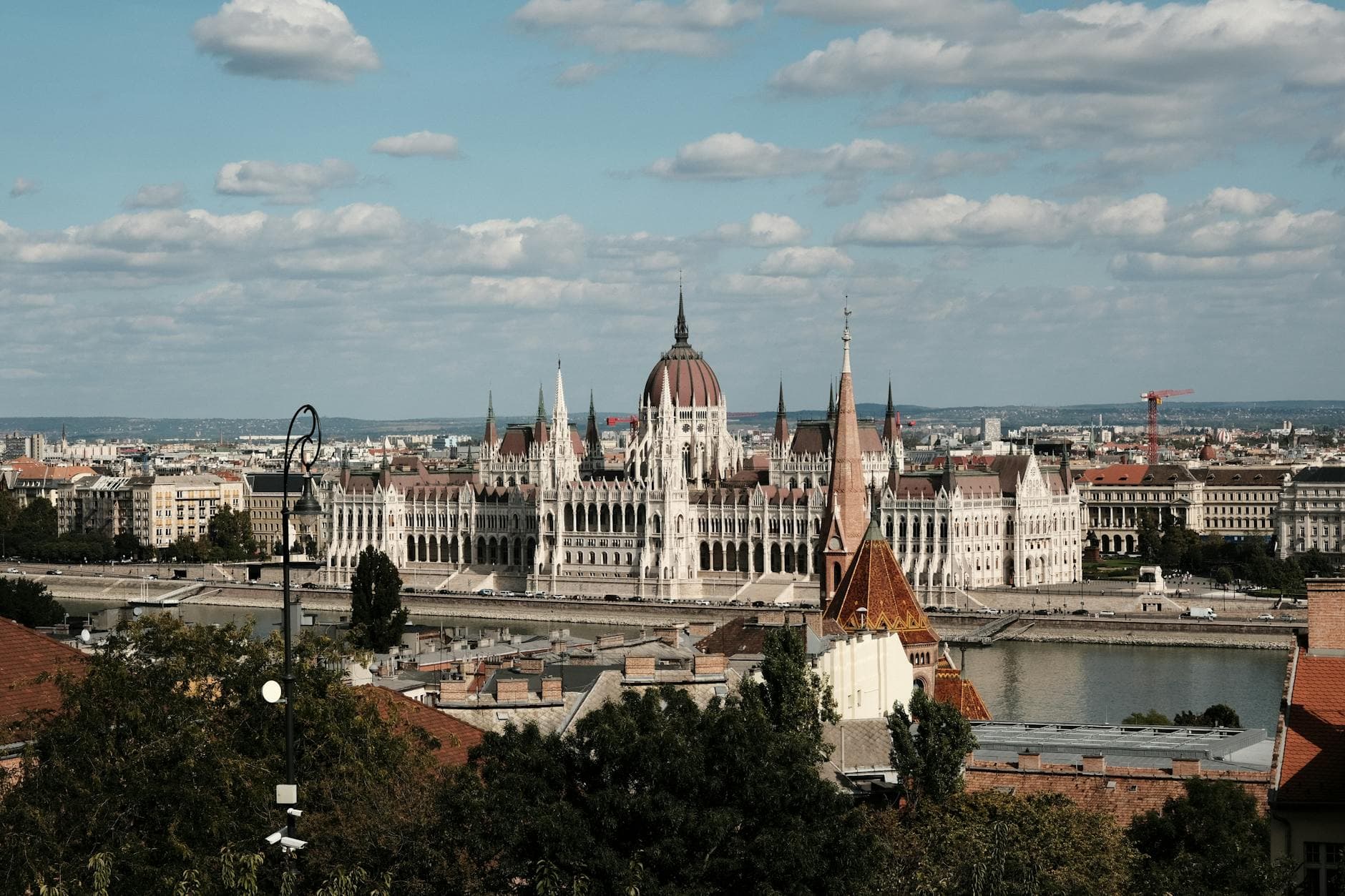
Overview of the Budapest Climate Strategy & SECAP
The Budapest Climate Strategy and Sustainable Energy and Climate Action Plan (SECAP) is a comprehensive framework developed by the Municipality of Budapest to address climate change through coordinated mitigation and adaptation measures. It aligns with the EU Covenant of Mayors and the city’s commitments under the Paris Agreement, aiming for significant greenhouse gas emission reductions and enhanced resilience.
Publisher and Authors
The strategy was adopted by the Budapest General Assembly in 2021 and was prepared by the municipal government of Budapest (Budapesti Főváros Önkormányzata). It reflects input from city departments, technical experts, and stakeholders involved in energy, transport, waste, and urban planning.
Key Pillar: Building Energy Renovation
Budapest’s housing stock includes large numbers of prefabricated panel blocks from the socialist era and historic buildings with poor thermal performance. The SECAP sets ambitious programmes for large‑scale renovation, targeting improved insulation, modern heating systems, and overall energy efficiency. These measures aim to cut emissions from the residential sector and alleviate energy poverty for low‑income households.
District Heating Modernisation and Renewable Energy
The city operates one of Europe’s biggest district heating networks. The plan outlines a transition from fossil‑fuel‑based heat generation to renewable and waste‑heat sources, alongside the promotion of rooftop photovoltaic installations. This shift is intended to lower carbon intensity of heating and support the city’s renewable energy targets.
Sustainable Transport Initiatives
SECAP includes actions to expand cycling infrastructure, electrify public transport, and create low‑emission zones. These measures complement Budapest’s Sustainable Urban Mobility Plan (SUMP) and aim to reduce private car use, thereby cutting transport‑related emissions and improving air quality.
Green Infrastructure and Climate Adaptation
To combat urban heat islands and flood risk, the strategy promotes urban forests, tree planting, permeable surfaces, green roofs, and restoration of natural water retention areas. These nature‑based solutions enhance biodiversity, improve air quality, and increase the city’s resilience to climate impacts.
Social Equity and Governance Focus
A distinctive aspect of the SECAP is its emphasis on social equity. The plan recognises that vulnerable groups—low‑income households, the elderly, and those in energy poverty—are disproportionately affected by climate change. Climate actions are designed to deliver co‑benefits, ensuring an inclusive transition to a low‑carbon city.
European Context and Alignment
Budapest’s SECAP aligns with the EU Mission for Climate‑Neutral and Smart Cities, positioning the city among 100 European cities targeting climate neutrality by 2030. It also underpins the city’s 2030 Climate Neutrality Action Plan submitted to the NetZeroCities programme, showcasing Budapest as a leading example of urban climate action in Central and Eastern Europe.
Key Data and Targets
- Goal to achieve substantial greenhouse gas emission reductions by 2030.
- Large‑scale renovation programmes targeting the city’s extensive panel housing estates and historic buildings.
- Modernisation of the district heating network with a focus on renewable and waste‑heat sources.
- Expansion of cycling infrastructure and electrification of public transport.
- Implementation of green infrastructure to mitigate heat islands and flood risks. These factual elements provide a clear picture of Budapest’s strategic approach to sustainable housing, energy efficiency, and climate resilience for a pan‑European audience interested in sustainable urban development.