Overview of the Strategy
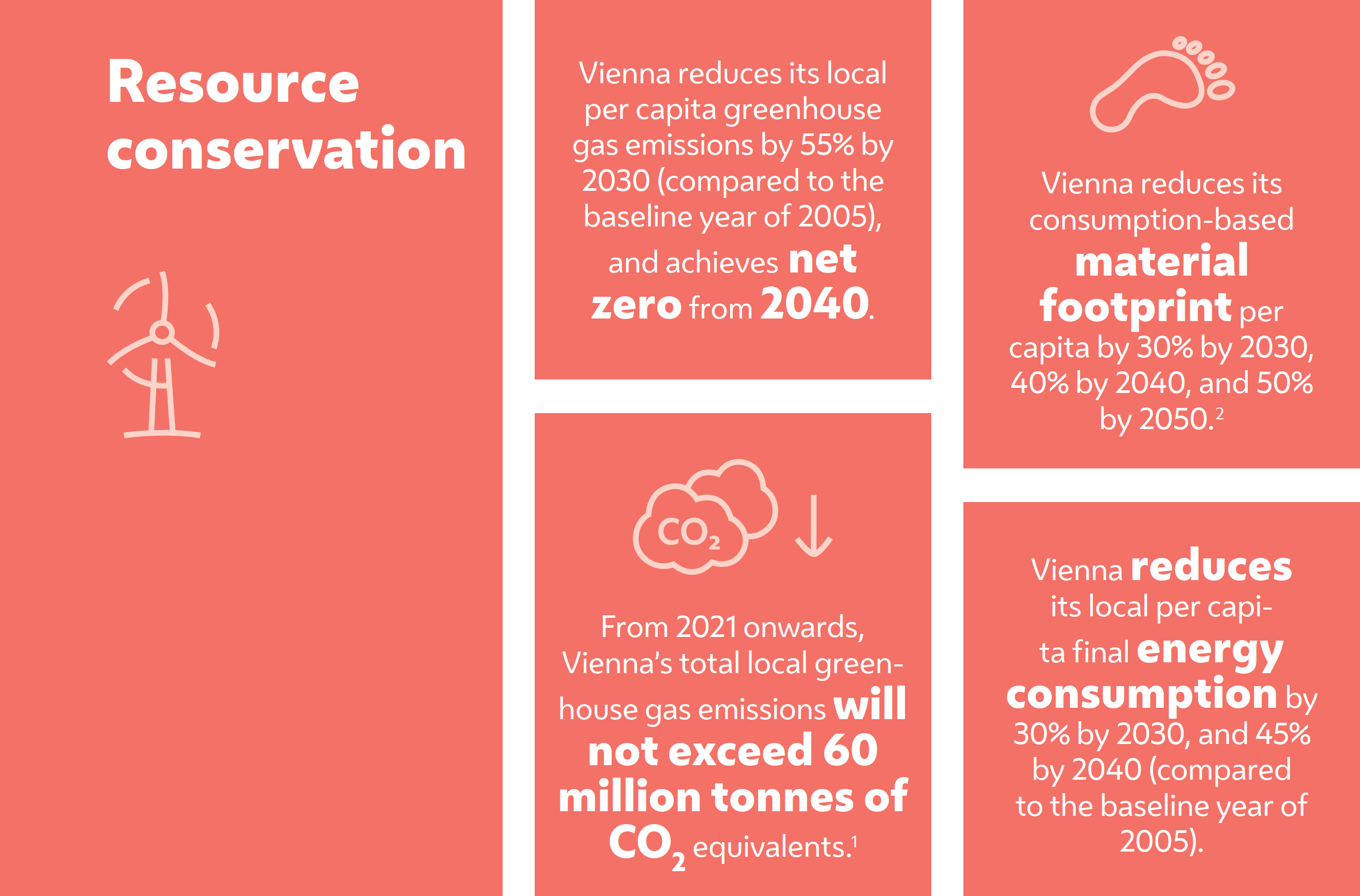
The “Smart City Wien Framework Strategy (Revised 2022)” is a publicly available document released by the City of Vienna’s Smart City department. It outlines Vienna’s approach to climate‑responsive urban development, focusing on integrating smart technologies with sustainability goals. The strategy is presented on the official Smart City Wien website and is accessible through a direct link provided in the properties.
Vision for Sustainable Urban Living
The strategy envisions a city where digital innovation supports climate neutrality, energy efficiency, and high quality of life. It aligns with European climate targets and aims to transform Vienna into a model for resilient, low‑carbon urban environments. The document emphasizes the importance of cross‑sector collaboration, citizen participation, and data‑driven decision‑making.
Sustainable Housing Priorities
A central component is the promotion of green social housing. The strategy highlights the need for energy‑efficient building designs, retrofitting existing stock, and incorporating renewable energy sources. It references the “Green Social Housing Lessons From Vienna” report, underscoring Vienna’s leadership in providing affordable, eco‑friendly homes. Key metrics include target reductions in building energy consumption and the integration of smart heating and cooling systems.
Smart Infrastructure and Energy Systems
The framework details plans for smart grids, district heating networks, and the deployment of IoT sensors to monitor energy use in real time. It cites examples of climate‑smart infrastructure projects that reduce emissions while improving service reliability. The document stresses the role of open data platforms in enabling transparent tracking of progress toward energy goals.
Mobility and Low‑Carbon Transport
To complement sustainable housing, the strategy outlines measures for low‑carbon mobility, including expanded cycling infrastructure, electric vehicle charging stations, and integrated public transport solutions. These initiatives aim to reduce traffic‑related emissions and support healthier, more livable neighborhoods.
Data‑Driven Monitoring and Evaluation
The strategy incorporates a robust monitoring framework that uses key performance indicators (KPIs) to assess the impact of interventions. It references the “Climate Smart Infrastructure Projects” database as a source for benchmarking and best‑practice sharing across European cities. Continuous data collection enables adaptive management and evidence‑based policy adjustments.
Governance, Partnerships, and Funding
Implementation relies on coordinated governance structures involving municipal departments, research institutions, and private partners. The document mentions collaborations with international research bodies and funding mechanisms that leverage EU climate funds, national grants, and public‑private investments to finance sustainable housing projects.
Practical Tools and Guidelines
The framework provides practical guidelines for architects, planners, and developers, covering aspects such as passive design principles, renewable energy integration, and smart building management systems. It also offers toolkits for assessing building performance and for engaging residents in sustainability initiatives.
Expected Outcomes and Impact
If fully realized, the strategy aims to reduce Vienna’s residential sector emissions significantly, increase the share of energy‑positive buildings, and improve residents’ quality of life. The emphasis on scalable, replicable solutions positions Vienna as a benchmark for other European cities seeking to advance sustainable housing and smart city development.