Overview of the Study
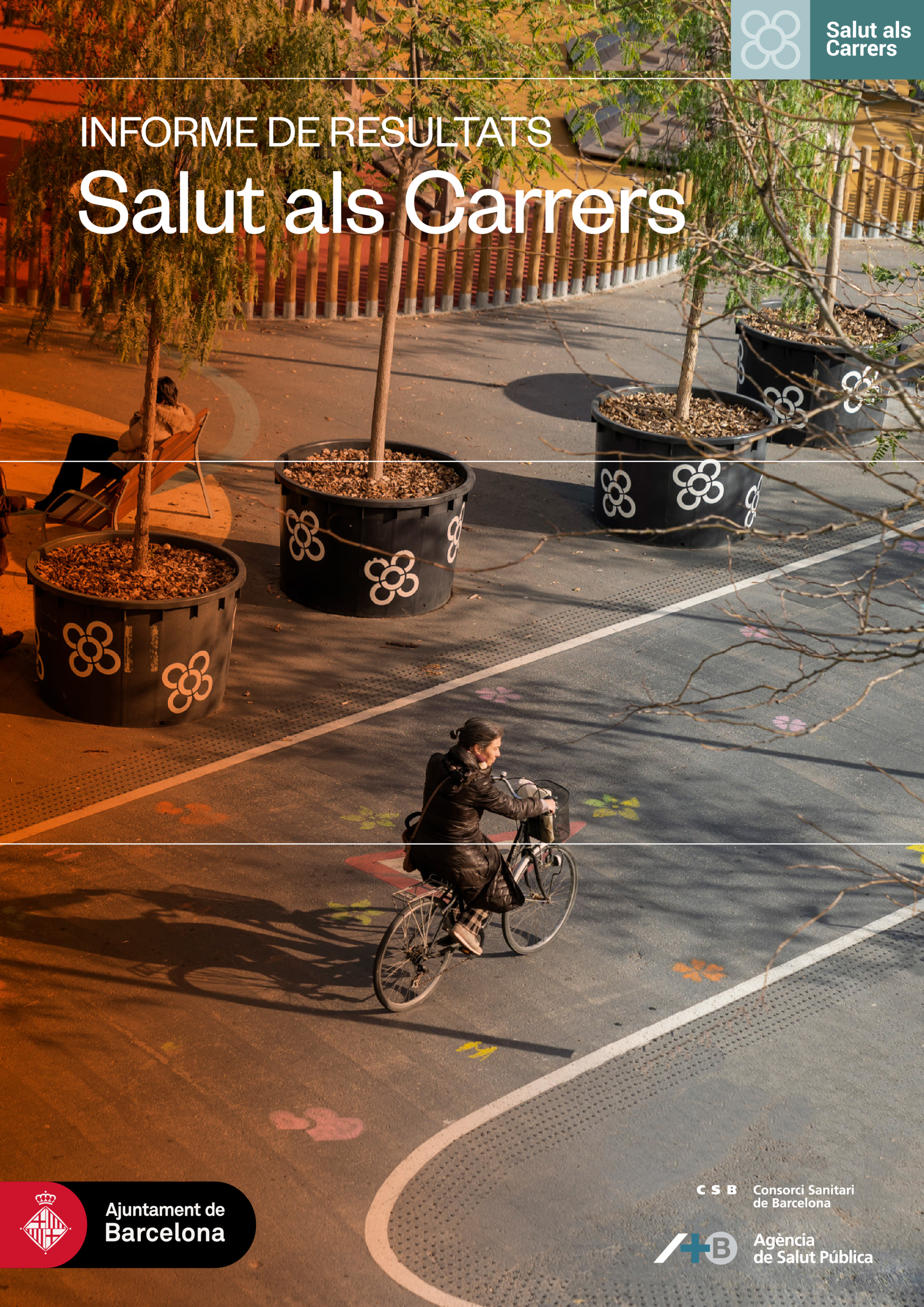
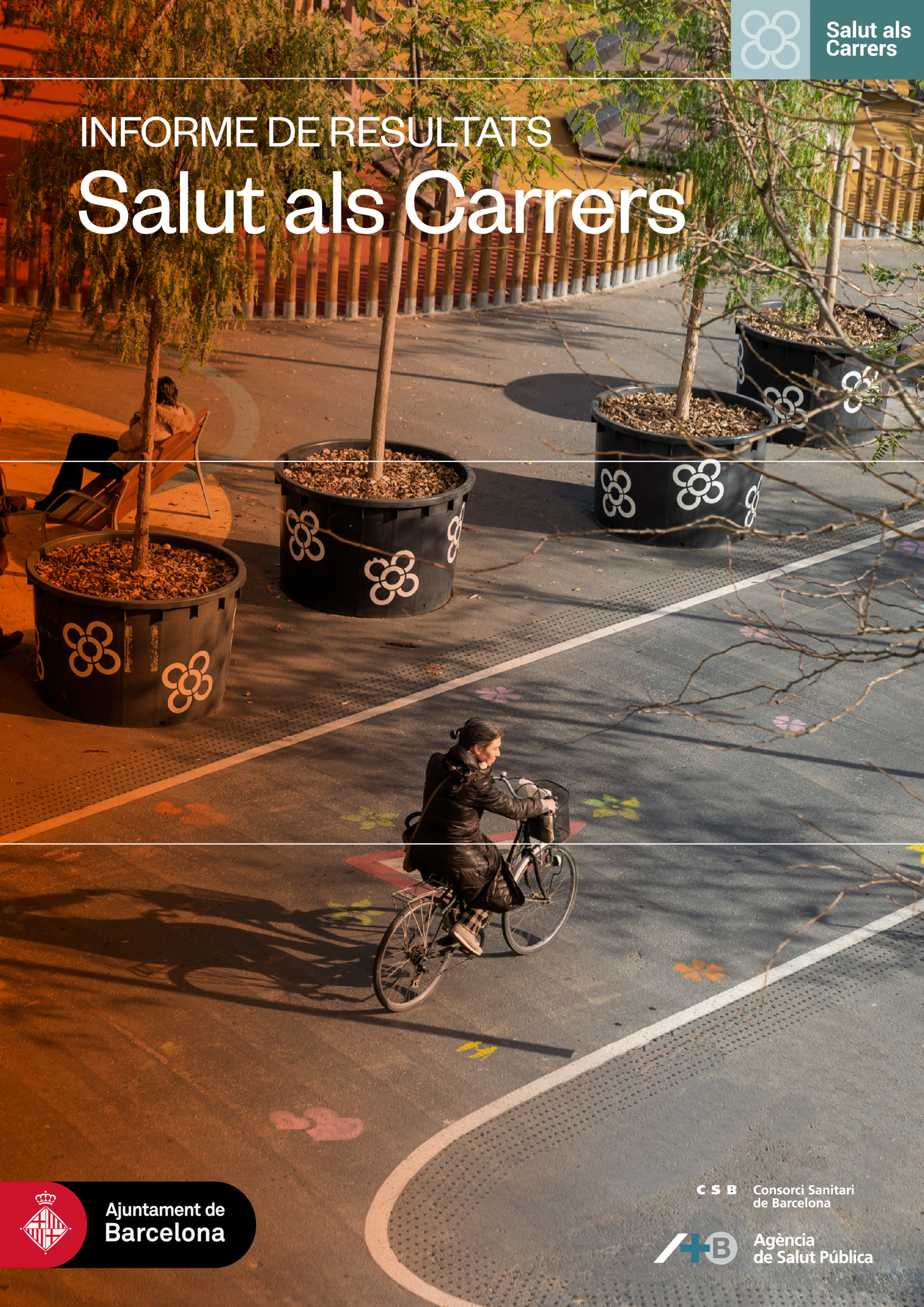
The report “Salut als carrers: avaluació de l'impacte en salut de les superilles” is produced by the Agència de Salut Pública de Barcelona (ASPB), the public health authority responsible for monitoring and improving health outcomes in the city. The study evaluates the first superblocks (superilles) implemented in Barcelona, focusing on measured changes in air quality and perceived health effects. It draws on empirical data collected across four neighborhoods—Sant Antoni, Horta, and Poblenou—providing a rare evidence‑based assessment of the urban planning initiative.
Methodology and Scope
ASPB employed on‑site monitoring stations to record concentrations of nitrogen dioxide (NO₂) and particulate matter (PM10) before and after the activation of superblocks. The analysis compared baseline levels with post‑implementation measurements, ensuring that observed variations are attributable to the traffic‑calming and pedestrian‑friendly redesign. In addition to pollutant data, the study incorporated resident surveys to capture perceived environmental and health changes.
Air Quality Improvements in Sant Antoni
In the Sant Antoni superblock, NO₂ levels decreased by 25 % and PM10 concentrations fell by 17 % relative to pre‑intervention values. These reductions align with the removal of through‑traffic and the creation of low‑emission zones, demonstrating a tangible benefit of restricting motorized vehicles in dense urban cores.
Mixed Results in Horta
The Horta neighborhood showed no statistically significant change in either NO₂ or PM10 after the superblock was established. This outcome suggests that local traffic patterns, background pollution sources, or the scale of the intervention may have limited the measurable impact on air quality in this area.
Perceived Effects in Poblenou
Residents of Poblenou reported only modest perceived health benefits, with many attributing improvements to increased green space and reduced noise rather than measurable pollutant reductions. Objective monitoring did not reveal a clear trend in pollutant levels, indicating that subjective wellbeing may arise from broader environmental enhancements.
Implications for Sustainable Housing
The findings underscore that superblocks can contribute to healthier living environments, a key consideration for sustainable housing strategies across Europe. Reduced exposure to NO₂ and PM10 directly supports respiratory health, while the creation of pedestrian‑friendly streetscapes enhances walkability—a core component of low‑carbon residential districts. Planners can leverage these data to justify integrating traffic‑calming measures into new housing developments and retrofits.
Key Data at a Glance
- Sant Antoni: NO₂ − 25 %, PM10 − 17 %
- Horta: No significant change in NO₂ or PM10
- Poblenou: No clear pollutant trend; residents note improved livability
Recommendations for Future Projects
The ASPB report recommends expanding systematic air‑quality monitoring to all future superblocks, ensuring that baseline data are collected prior to implementation. It also advises coupling quantitative measurements with qualitative resident feedback to capture the full spectrum of health outcomes. For sustainable housing initiatives, integrating green infrastructure—such as trees and permeable surfaces—alongside traffic reductions may amplify both environmental and social benefits.
Relevance for Pan‑European Audiences
Barcelona’s experience provides a replicable model for cities aiming to combine urban design with public‑health objectives. The documented pollutant reductions demonstrate that well‑planned, car‑free zones can deliver measurable environmental gains, supporting EU targets for air‑quality improvement and climate‑neutral urban development. Stakeholders in sustainable housing can draw on these results to advocate for policies that prioritize pedestrian zones, green spaces, and evidence‑based health monitoring in new and existing residential areas.