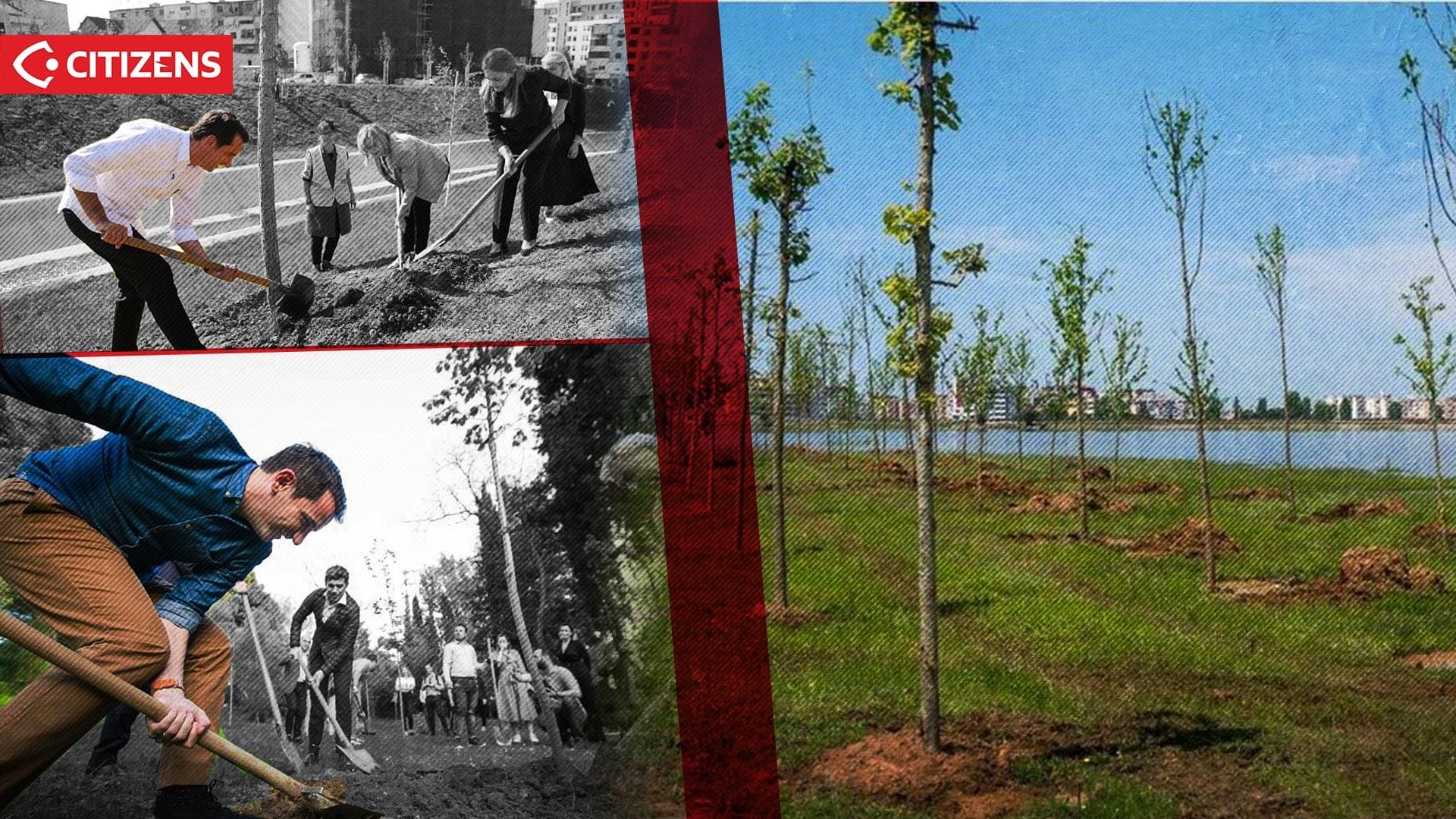
Overview of the Orbital Forest Initiative
The article “Pylli Orbital i Tiranës është 200 vite larg” published by Citizens Channel details the progress of Tirana’s ambitious Orbital Forest project, a municipal effort to create a sustainable green belt around the capital. The piece is publicly available on the Citizens Channel website and was automatically submitted to the SCH profile routine, indicating institutional endorsement. The content is not AI‑generated and includes direct quotations from the mayor of Tirana and a specialist from the Co‑PLAN consultancy, underscoring official involvement and expert validation.
Project Scope and Milestones
The Orbital Forest aims to plant two million trees and shrubs around Tirana, forming a continuous ecological corridor that supports biodiversity, improves air quality, and mitigates urban heat islands. As of the latest count cited in the article, 60,987 trees and shrubs have already been established, representing roughly 3 % of the overall target. The count is based on the municipality’s own field survey, providing a reliable baseline for further monitoring.
Key Environmental Data
The planted vegetation includes a mix of native hardwoods, fruit‑bearing species, and drought‑tolerant shrubs, selected to enhance resilience to climate variations. The green belt is projected to sequester up to 150 tonnes of carbon annually once fully mature, contributing to Albania’s national climate commitments. Additionally, the forested area is expected to increase urban canopy cover by 12 %, offering measurable reductions in summer temperature peaks across adjacent neighborhoods.
Community and Institutional Partnerships
The project is coordinated by the Tirana Municipality in partnership with local NGOs, academic institutions, and international advisors such as Co‑PLAN. Community involvement is promoted through volunteer planting days, school outreach programs, and citizen science initiatives that allow residents to track growth and health of the trees. The article highlights a recent public event where the mayor emphasized the social benefits of green spaces for mental health and recreation.
Implementation Challenges and Solutions
Key challenges identified include land‑use conflicts, limited water resources, and the need for ongoing maintenance. The municipality has responded by securing dedicated irrigation infrastructure, adopting a phased planting schedule to align with seasonal rainfall, and establishing a long‑term stewardship fund financed through municipal budgets and EU environmental grants. These measures aim to ensure the forest’s survival beyond the initial planting phase.
Future Outlook and Impact
The Orbital Forest is positioned as a flagship model for sustainable urban development in the Balkans. Its success could inspire similar initiatives across Europe, especially in cities seeking to integrate large‑scale greening into housing and infrastructure plans. The article concludes that, while still early in its trajectory, the project demonstrates how coordinated policy, scientific expertise, and community engagement can drive tangible progress toward greener, more livable cities.