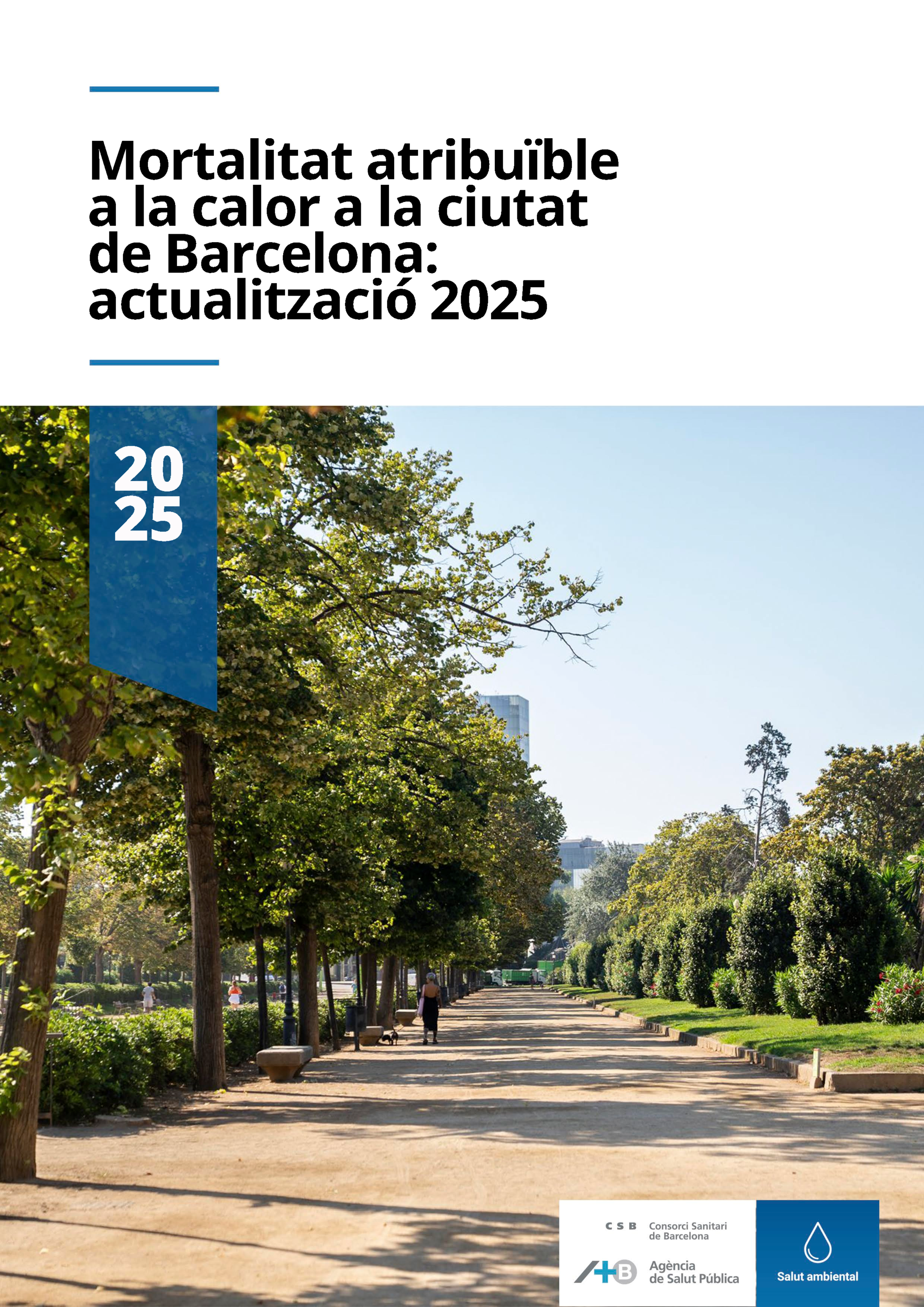
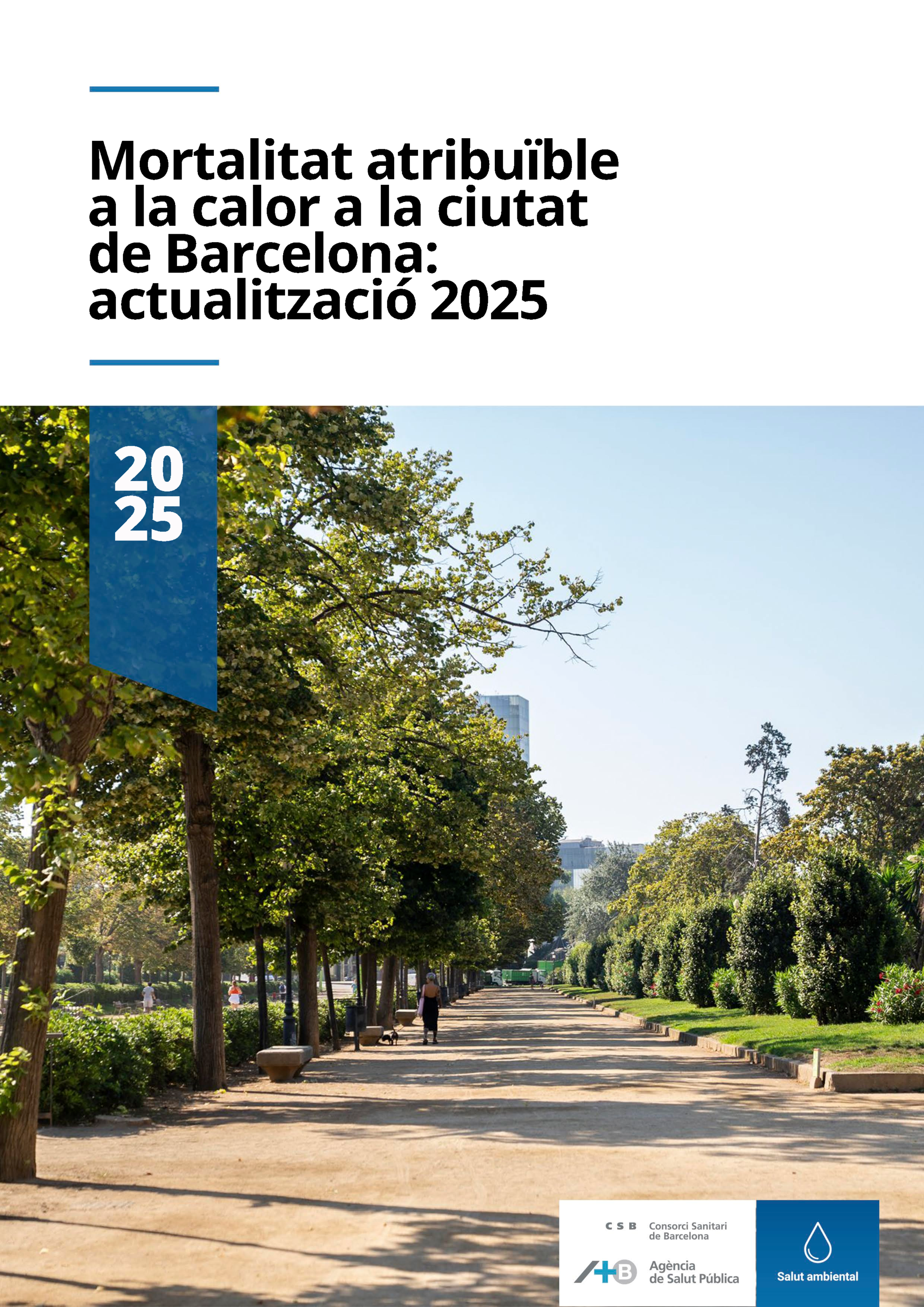
Heat‑Related Mortality Overview
The report “Mortality attributable to heat in the city of Barcelona: update 2025” is published by the Association of Public Health of Barcelona (ASPB). It presents the latest epidemiological analysis of heat‑related deaths in Barcelona, focusing on the summer of 2025. The study is part of ASPB’s ongoing effort to monitor climate‑related health impacts and to inform public‑health policy across European cities.
Key Findings and Statistics
The analysis quantifies approximately 370 deaths in Barcelona that can be directly linked to extreme summer temperatures in 2025. This translates to a mortality rate of 171 per 100,000 inhabitants among people aged 75 years and older. Overall, the heat‑attributable mortality represents a noticeable increase compared with previous years, highlighting the growing vulnerability of the elderly population to rising temperatures.
Implications for Sustainable Housing
The data underscore the importance of adapting residential environments to mitigate heat stress. Sustainable housing solutions—such as passive cooling design, green roofs, improved insulation, and urban greening—can reduce indoor temperature spikes, particularly for older residents. The report’s findings support the integration of climate‑resilient building standards into European housing policies.
Methodology and Data Sources
ASPB compiled mortality records from the city’s health registry and matched them with meteorological data from the Barcelona weather stations. The study employed statistical models to isolate heat‑related deaths from other causes, adjusting for age, pre‑existing conditions, and seasonal trends. The methodology follows established public‑health protocols used across Europe for climate‑impact assessments.
Policy Recommendations
Based on the results, ASPB recommends several actions for municipal authorities and housing planners:
- Implement early‑warning heat‑wave systems targeting vulnerable groups.
- Promote retrofitting of existing housing with cooling‑friendly features.
- Expand access to cool public spaces and community centres.
- Encourage the use of reflective building materials and natural ventilation.
- Integrate heat‑impact assessments into urban planning and housing development processes.
European Context and Relevance
Barcelona’s experience reflects a broader trend observed in many European cities where heat‑related mortality is rising as climate change intensifies. The report contributes valuable evidence for pan‑European initiatives aimed at creating climate‑resilient, sustainable housing stock. It aligns with EU directives on climate adaptation and public‑health preparedness, offering a model for other municipalities to assess and address heat‑related health risks.
Future Monitoring and Research
The ASPB plans to update the mortality analysis annually, with the next refresh scheduled for the fourth quarter of 2026. Continuous monitoring will enable cities to track the effectiveness of implemented housing adaptations and public‑health measures, fostering evidence‑based adjustments to policy and design strategies across Europe.