Overview of the Investigation
The article “Money to Burn: Albania's Nexus of Organised Crime and Rubbish Collection” is a feature published by Balkan Insight, a reputable regional news outlet that monitors political, economic, and social developments in the Western Balkans. The piece was authored by journalists from Balkan Insight’s investigative team, who specialize in uncovering corruption and governance failures. Their reporting draws on court documents, official procurement records, and interviews with officials, civil‑society activists, and waste‑management experts.
The Failed Sharra Incinerator Project
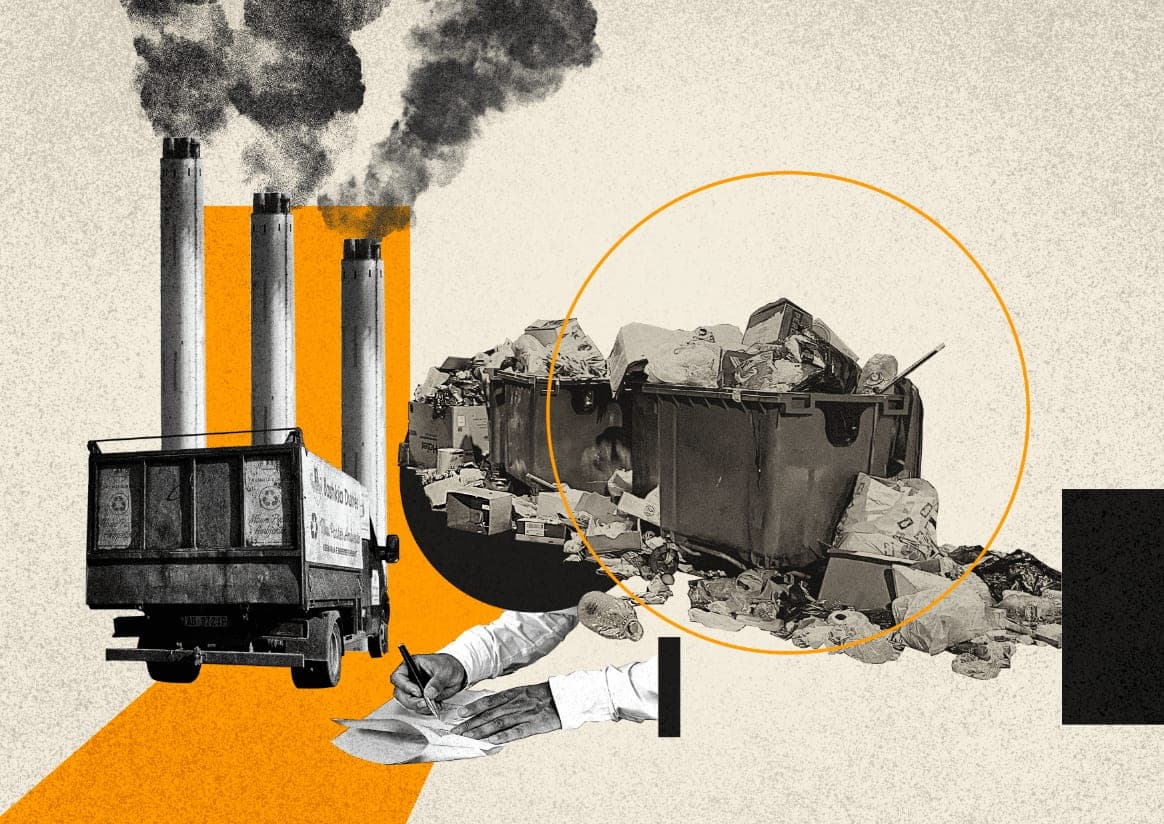
The central focus is the Sharra waste‑to‑energy incinerator public‑private partnership (PPP) that was never built despite an estimated €86 million being disbursed over six years. Contracts were awarded to a consortium with alleged links to organised crime networks that dominate Albania’s informal waste‑collection sector. Payments continued through multiple government ministries, even as the plant’s design, permits, and construction milestones remained absent. The article details how the PPP’s collapse left the city of Tirana without a modern waste‑treatment solution and with a large financial hole in its budget.
Legal Consequences and Convictions
Legal proceedings culminated in the conviction of several high‑level officials, including former municipal leaders and senior officials from the Ministry of Infrastructure. Courts found them guilty of abuse of office, embezzlement, and collusion with criminal groups. Sentences ranged from several years in prison to substantial fines, and the case set a precedent for prosecuting corruption in Albania’s waste‑management sector. The article lists the exact amounts recovered: roughly €12 million were reclaimed through asset seizures, while the remaining €74 million remain unrecovered.
Impact on Sustainable Housing and Urban Planning
For a pan‑European audience interested in sustainable housing, the Sharra case illustrates how corrupt procurement can derail circular‑economy objectives. Proper waste‑to‑energy facilities are crucial for reducing landfill use, lowering greenhouse‑gas emissions, and providing heat or electricity to residential districts. The failure of the incinerator forced Tirana to rely on open‑dump sites, increasing air‑quality risks for nearby housing estates and undermining EU‑aligned sustainability targets. The article cites a 2024 European Commission report that flags Albania’s waste‑management performance as “insufficient” for meeting EU Green Deal standards.
Key Data and Facts
- Total public funds allocated to the Sharra PPP: ~€86 million.
- Amount recovered through court‑ordered asset seizures: ~€12 million.
- Number of officials convicted: 7 (including former mayor and ministry heads).
- Estimated additional cost to the city for alternative waste‑treatment solutions: €30 million–€45 million.
- Waste‑collection market in Albania is dominated by a handful of organised‑crime‑linked firms controlling >70 % of informal collections.
Lessons for Future Sustainable Projects
The article underscores the importance of transparent procurement, independent oversight, and robust anti‑corruption mechanisms when planning infrastructure that supports sustainable housing. It recommends adopting EU‑standard tender procedures, establishing third‑party monitoring bodies, and integrating community‑based waste‑reduction programs to mitigate reliance on large‑scale incineration projects that are vulnerable to mismanagement. These measures are presented as essential for aligning Albania’s urban development with broader European sustainability goals.