Overview of the Mobility Report 2026
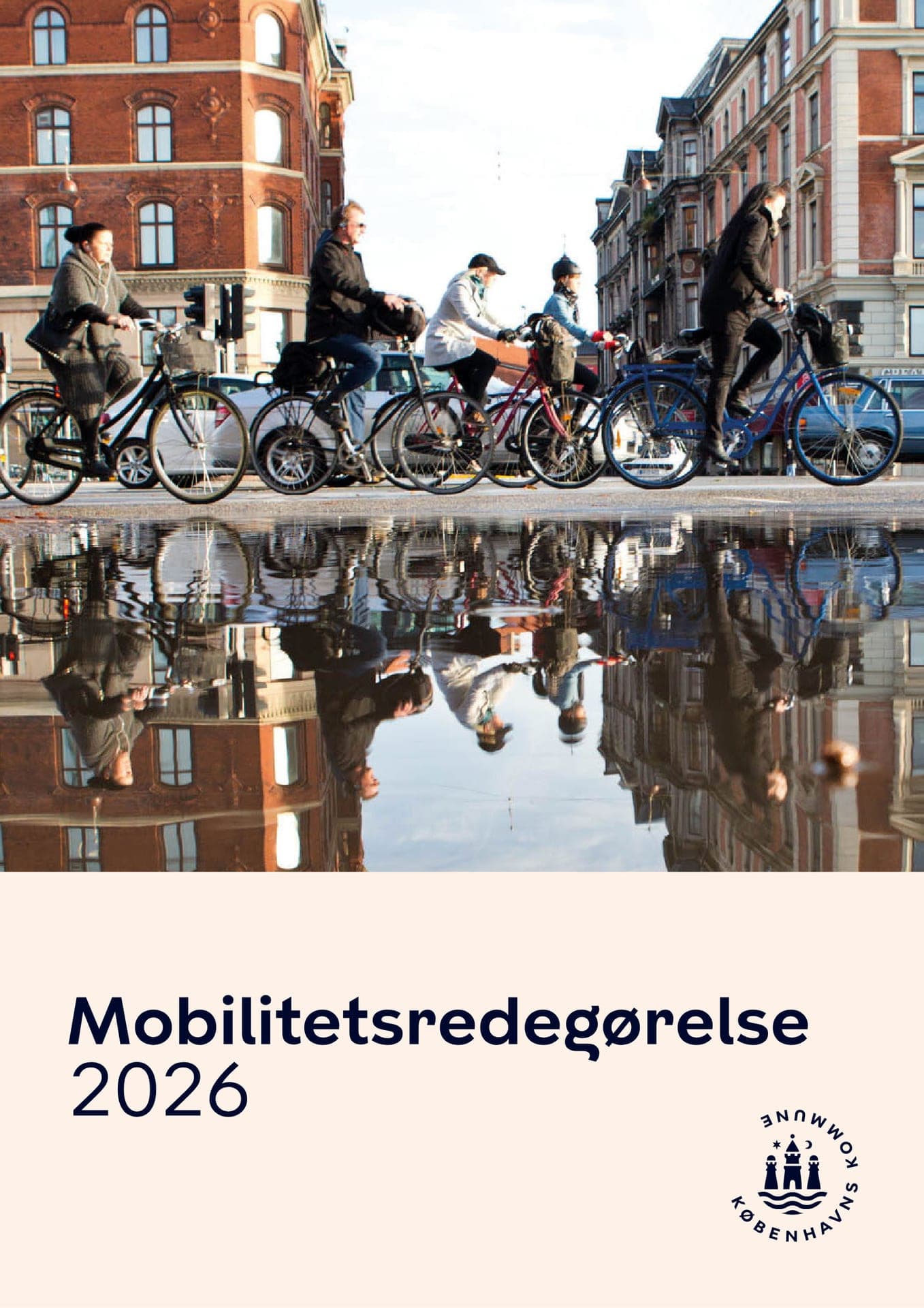
The document titled “Mobilitetsredegørelse 2026” is a publicly released report compiled by the Copenhagen City Development department. It presents the latest assessment of the city’s mobility strategy, focusing on cycling uptake, electric vehicle charging infrastructure, and overall modal split. The report is part of the city’s ongoing effort to monitor and adjust its transport policies in line with sustainability goals.
Cycle Strategy Performance
The report reveals that the target of achieving 50 % bike commuting by 2025 was not met, with actual bike‑commuting at 43 % of trips. This figure represents a modest increase from previous years but still falls short of the ambitious goal set in the Cycle Strategy 2011–2025. The data differentiate between resident trips and all trips, showing that residents are slightly more likely to cycle than non‑residents.
Electric Vehicle Charging Expansion
A key focus of the study is the rollout of on‑street electric‑vehicle (EV) charging points. As of the latest count, there are 4,126 publicly accessible charging stations distributed across the municipality. The report tracks the geographic spread and usage patterns of these points, highlighting areas where additional infrastructure is needed to support the city’s electrification plans.
Modal Split by Trip Type
The document provides a detailed breakdown of the modal split for both resident travel and total travel within the city. While cycling remains the dominant sustainable mode, public transport and walking also contribute significantly. Private car use continues to represent a sizable share, underscoring the challenge of further reducing car dependency.
Methodology and Data Sources
Data for the report were gathered through a combination of traffic counts, surveys, and sensor networks operated by the city’s transport department. The methodology emphasizes transparency and reproducibility, with sources cross‑checked against national statistics and European mobility benchmarks.
Implications for Sustainable Housing
For a pan‑European audience interested in sustainable housing, the findings illustrate how transport policy intersects with residential development. Higher cycling rates and extensive EV charging networks support lower‑emission living environments, making neighborhoods more attractive for green housing projects. The report’s metrics can guide developers and planners in aligning new housing initiatives with the city’s mobility objectives.
Future Outlook and Recommendations
The report concludes with recommendations for achieving the missed cycling target, including expanding protected bike lanes, enhancing bike‑share schemes, and integrating mobility considerations into urban planning. It also calls for continued investment in EV infrastructure and a stronger push toward multimodal transport solutions to meet Copenhagen’s long‑term sustainability ambitions.