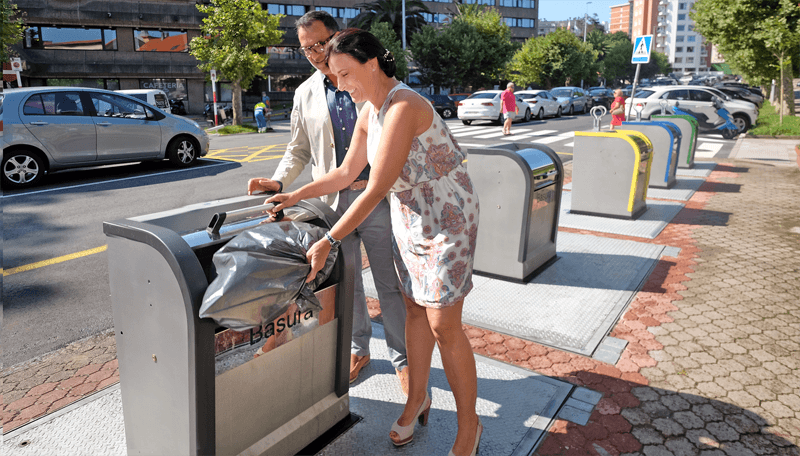
Overview of the Issue
The article reports that underground waste containers installed in Santander, Spain, have not been connected to the city’s Smartcity platform. Despite the city’s reputation as a leading European Internet of Things (IoT) testbed, the sensors intended for these containers were never fitted, resulting in a complete lack of data transmission to the platform for years.
Publisher and Authors Background
The story is published by El Faradio, a regional news outlet covering the Cantabrian area. The piece is authored by Oscar Allende, a journalist who regularly reports on urban infrastructure, technology, and sustainability topics for the newspaper.
Technical Details of the Deployment
- Project Goal: Integrate underground waste containers with Santander’s Smartcity network to monitor fill levels, optimize collection routes, and reduce emissions.
- Planned Sensors: IoT devices capable of measuring container volume, temperature, and humidity, transmitting data in real time to the central platform.
- Actual Implementation: Sensors were never installed; the containers remain “blind” to the system, providing no telemetry.
Impact on Smartcity Objectives
Santander’s Smartcity initiative aims to improve resource efficiency and urban livability through data‑driven services. The missing sensor data undermines key sustainability targets:
- Reduced Collection Trips: Without fill‑level data, waste trucks continue on fixed schedules, leading to unnecessary mileage and higher fuel consumption.
- Emission Savings: The anticipated reduction in CO₂ emissions from optimized routing cannot be realized.
- Citizen Engagement: Real‑time information for residents about waste collection times is unavailable, limiting public participation in waste‑reduction programs.
Audit Findings and Evidence
An internal audit cited in the article confirms that the sensors promised to the platform were never fitted. The audit also notes that the Smartcity platform has received no data from these underground containers for several years, confirming a systemic failure rather than an isolated technical glitch.
Relevance to Sustainable Housing
For a pan‑European audience focused on sustainable housing, the case illustrates how incomplete IoT rollouts can compromise broader environmental goals. Efficient waste management is a critical component of sustainable residential districts; data gaps hinder the ability to design low‑impact collection services, affecting both urban and suburban housing projects.
Lessons Learned and Recommendations
- Rigorous Project Oversight: Ensure that hardware installation is verified before declaring system readiness.
- Transparent Reporting: Publish regular status updates on IoT deployments to maintain stakeholder confidence.
- Fallback Strategies: Develop manual monitoring protocols to mitigate data loss when sensors fail.
- Stakeholder Coordination: Align municipal planners, technology providers, and waste‑management firms to close implementation gaps.
Future Outlook
The article does not indicate any immediate remediation plans. However, the documented failure serves as a cautionary example for other European cities pursuing IoT‑enabled sustainable services. Proper execution of sensor networks is essential to achieve the environmental benefits promised by Smartcity initiatives, especially in the context of eco‑friendly housing and urban development.