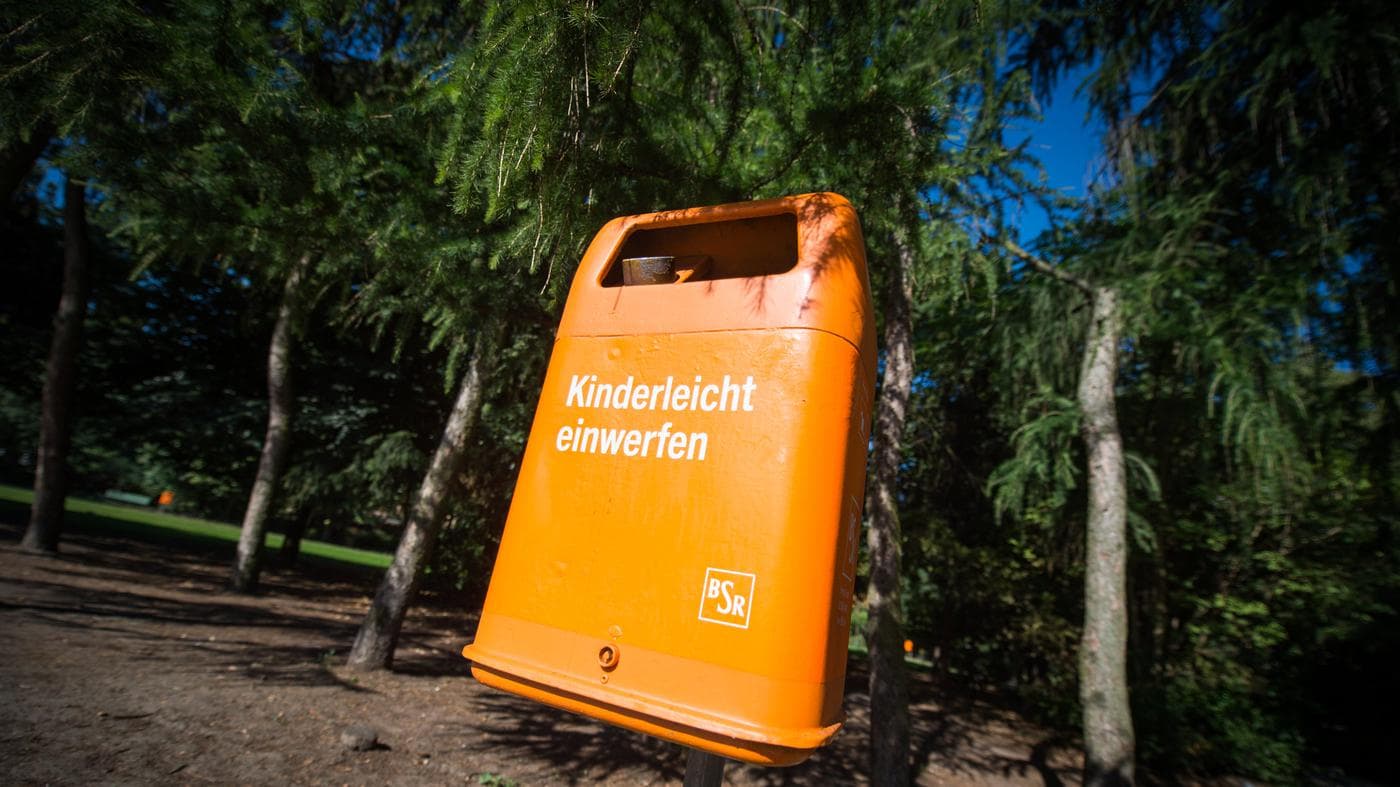
Overview of the Initiative
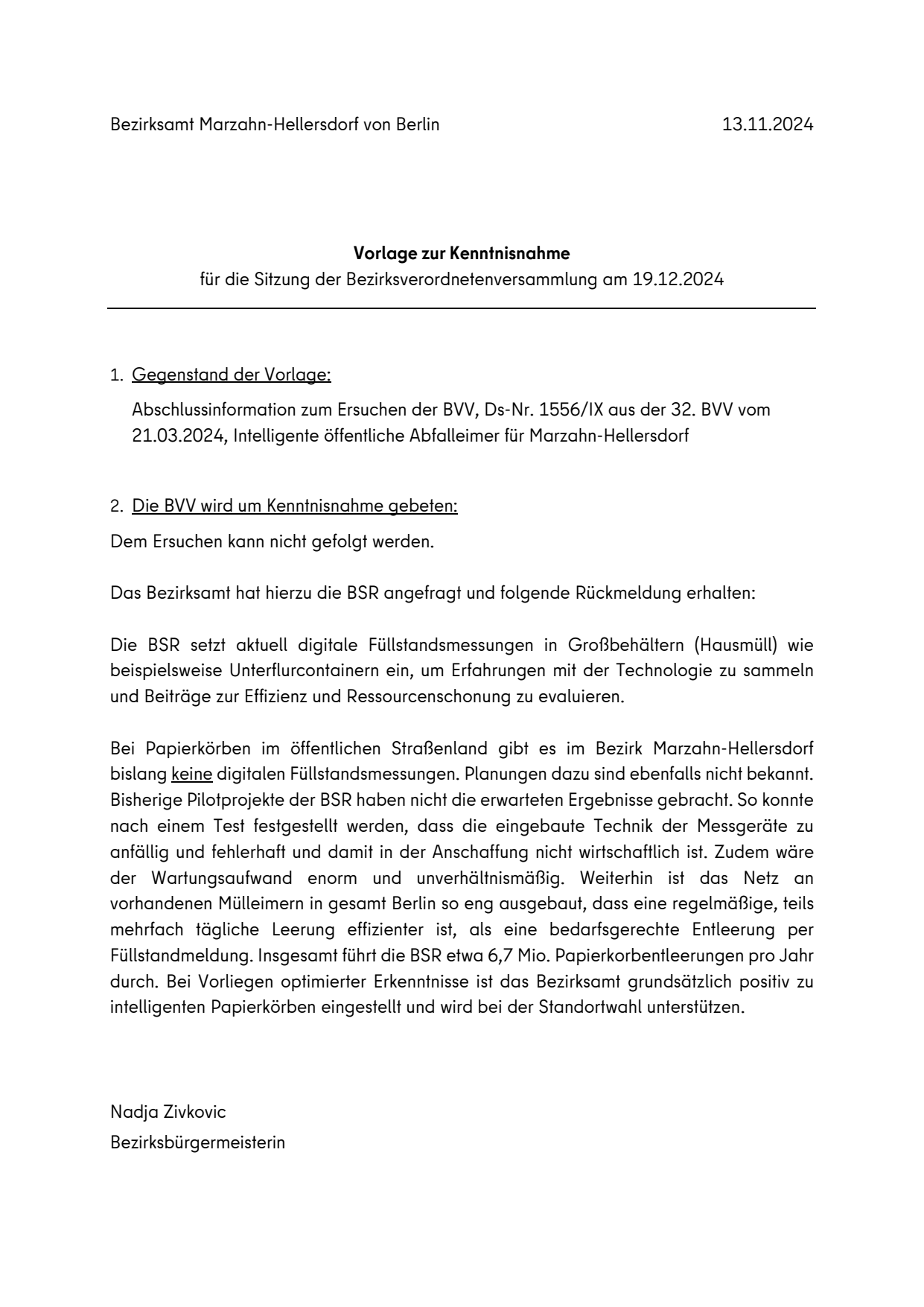
The Berlin district office of Marzahn‑Hellersdorf, represented by author Nadja Zivkovic, submitted a policy document assessing the feasibility of smart public waste bins. The district’s administration, responsible for local urban services, evaluated the Berlin Waste Management Company’s (BSR) recent pilot projects on sensor‑equipped paper bins.
Findings from BSR Pilot Tests
BSR’s trials of digital fill‑level sensors in public paper bins showed limited success. The technology proved fragile and error‑prone, leading to high maintenance demands that outweighed potential benefits. Consequently, the sensors were deemed not economically viable for large‑scale deployment.
Current Waste Collection Efficiency
In Berlin, the existing network of paper bins is densely distributed, allowing frequent, often multiple‑daily, emptying cycles. BSR currently conducts approximately 6.7 million paper‑bin emptyings per year, a level of service that remains more efficient than a demand‑driven approach based on sensor alerts.
Absence of Digital Sensors in Marzahn‑Hellersdorf
The district currently has no digital fill‑level measurements in its public street bins, and no plans for such installations are known. The request for smart bins was therefore not approved, as the pilot outcomes did not justify further investment.
Potential Future Adoption Conditions
Despite the negative pilot results, the district expressed a generally positive attitude toward intelligent waste‑collection solutions, indicating willingness to support site selection if optimized technologies become available. The decision underscores the importance of proven reliability and cost‑effectiveness before scaling smart‑waste infrastructure.
Implications for Sustainable Urban Housing
For pan‑European audiences focused on sustainable housing, the document highlights a critical lesson: advanced sensor technologies must demonstrate durability and clear economic advantages to replace established waste‑collection practices. Efficient, high‑frequency emptying remains a cornerstone of waste management in dense urban districts, impacting overall sustainability goals.