Overview of the Initiative
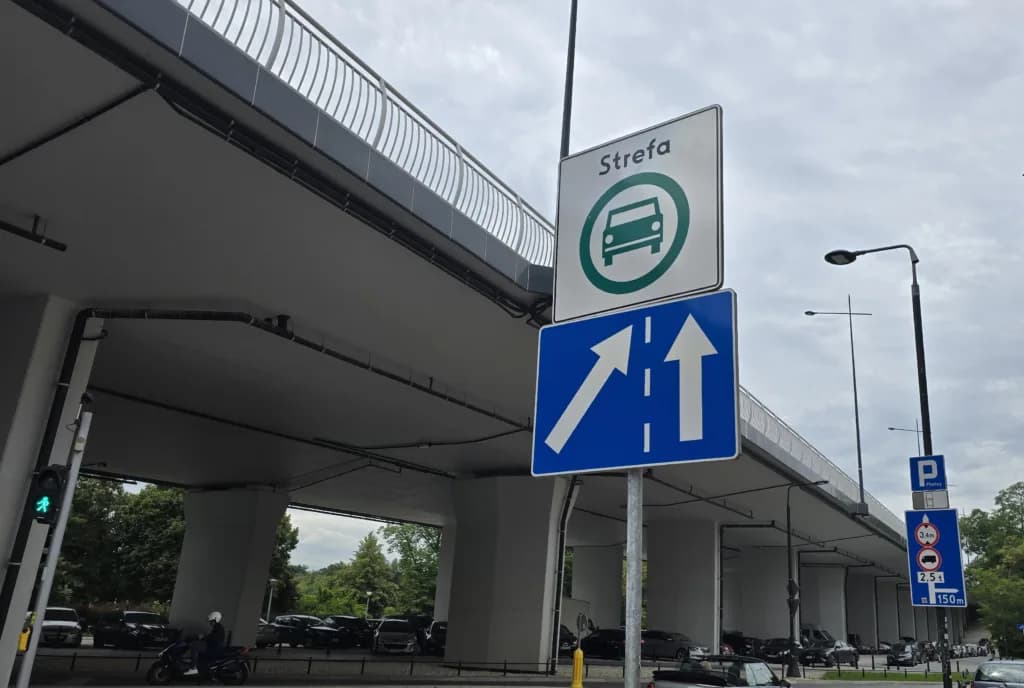
The article “Gonienie króliczka, czyli warszawska SCT” is published on the Elektromobilni.pl website, a platform dedicated to electric mobility and sustainable transport solutions in Poland. The piece was submitted automatically by the SCH profile routine, indicating systematic monitoring of municipal initiatives. It highlights Warsaw’s pioneering Clean Transport Zone (CTZ), a policy aimed at reducing emissions from private vehicles within the city’s boundaries.
Key Data on Vehicle Checks
In 2025, municipal police inspected 222,000 vehicles within Warsaw’s CTZ. Only 0.59 % of these vehicles were found non‑compliant with the zone’s emission standards. The enforcement effort included four mobile cameras strategically placed to capture violations. Notably, the data show zero clean‑zone fines issued during the first year of operation, reflecting either high compliance or a nascent enforcement framework.
Enforcement Gap and Policy Implications
The article points out an “enforcement gap” despite the impressive compliance rate. The lack of fines suggests that while the technical monitoring infrastructure is in place, the legal or administrative mechanisms to penalize non‑compliance may still be under development. This gap is crucial for policymakers across Europe to consider when designing similar low‑emission zones, as effective enforcement ensures long‑term behavioral change.
Relevance to Sustainable Housing
For a pan‑European audience interested in sustainable housing, the Warsaw CTZ offers a model of integrating transport policy with broader urban sustainability goals. Cleaner air around residential areas improves indoor air quality, reduces health risks, and enhances the overall livability of housing districts. The data illustrate how coordinated traffic management can directly benefit residential environments.
Technological Tools Used
The enforcement system relies on mobile cameras and automated data collection, reflecting a trend toward smart city technologies. These tools enable real‑time monitoring without extensive physical infrastructure, making them adaptable to other European cities seeking cost‑effective solutions for emission control in densely populated housing zones.
Future Outlook and Refresh Cycle
The article notes a refresh cycle for the data in the fourth quarter of 2026, indicating ongoing evaluation of the CTZ’s impact. Continuous data updates will allow stakeholders to track progress, adjust policies, and share best practices across the continent.
Collaboration and Publication Context
The submission was approved automatically under the tenant library‑promotion policy, suggesting institutional support for disseminating successful sustainability initiatives. The content is publicly accessible, encouraging knowledge sharing among municipal authorities, urban planners, and housing developers throughout Europe.