Overview of the Strategy
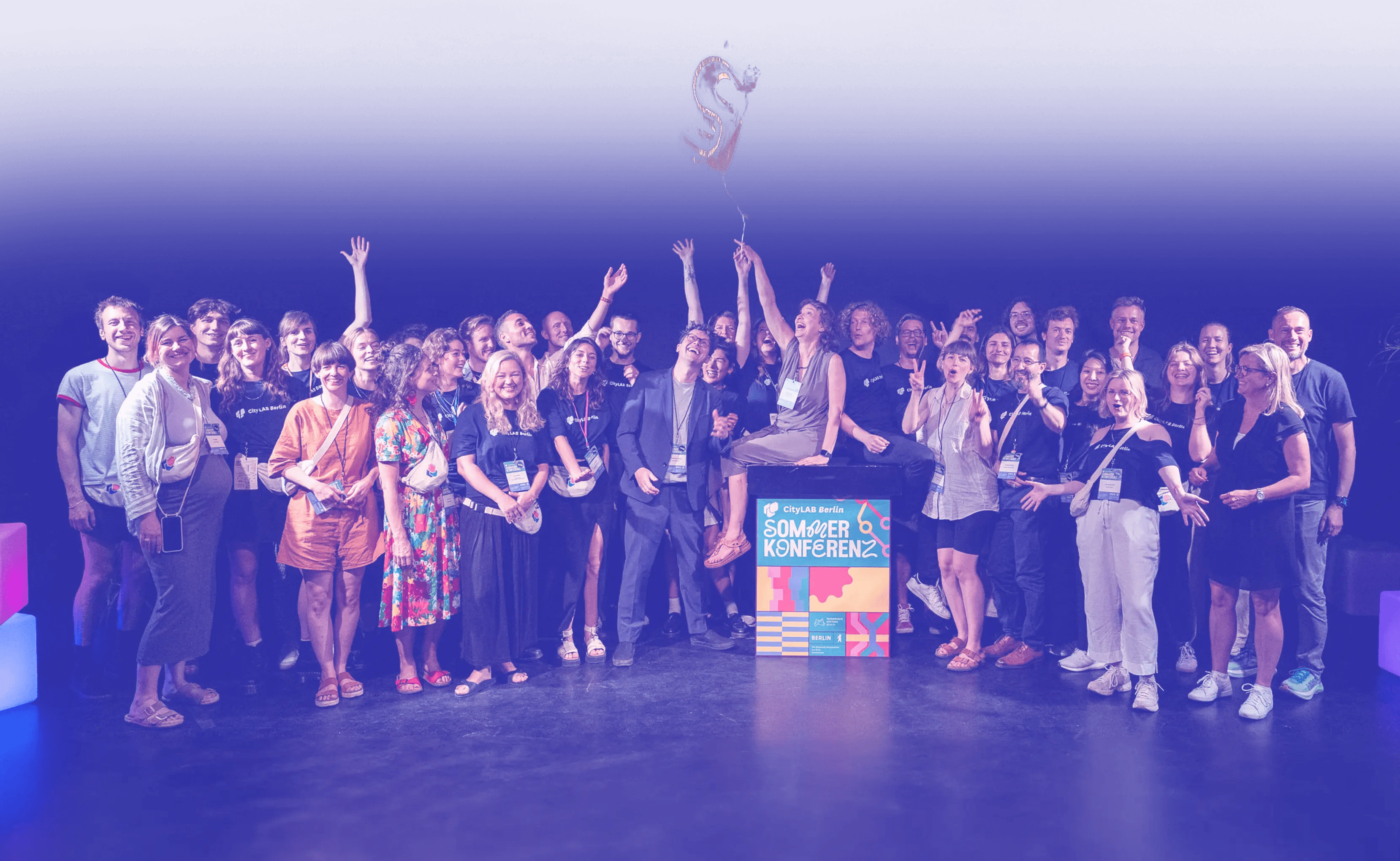
Gemeinsam Digital: Berlin (GD:B) is the city’s comprehensive smart‑city and digitalisation framework, adopted by the Berlin Senate Chancellery in December 2022. It merges the former separate digital strategy and smart‑city strategy into a single, publicly available plan that guides Berlin’s transformation toward a more participatory, open, sustainable, and inclusive urban environment. The implementation is coordinated by the Senate Chancellery and supported by CityLAB Berlin, the technology foundation that provides methodological expertise and facilitates pilot projects across the city’s twelve districts.
Participatory Development Process
The strategy was co‑created over more than two years through extensive citizen participation events, targeted outreach to under‑represented “silent groups” (migrants, elderly, people with disabilities, youth), workshops with district administrations, academic contributions from institutions such as the Einstein Center Digital Future and the Weizenbaum Institute, and consultations with businesses and civil‑society organisations. This bottom‑up approach ensures that the plan reflects diverse needs and builds legitimacy among residents.
Openness, Transparency and Open Source
GD:B commits Berlin to open data, open‑source software, and transparent governance. It aligns with the Berlin Open Source Strategy for Public Administration, aiming to reduce reliance on proprietary vendors and to make publicly funded software publicly accessible. The strategy’s full text, annexes, and implementation measures are downloadable from the official website https://gemeinsamdigital.berlin.de/en/.
Sustainability Goals
Digital technologies are positioned to support Berlin’s climate targets. The plan addresses energy consumption of ICT infrastructure, the environmental impact of hardware production and disposal, and leverages digital tools to promote sustainable mobility, energy management, and circular‑economy practices. It integrates with the Berlin Energy and Climate Programme (BEK 2030) and the EU Mission for Climate‑Neutral and Smart Cities.
Social Inclusion and Digital Literacy
A core principle is ensuring that digital benefits reach all residents, regardless of age, income, language, disability, or digital literacy. Measures include closing digital divides, expanding digital‑literacy programmes, and guaranteeing that essential public services remain accessible through non‑digital channels for those who need them.
Strategic Fields of Action
- Digital Administration – Implements the German Online Access Act (OZG) to provide online public services and modernise internal workflows.
- Smart Mobility – Supports multimodal transport, real‑time data sharing, integrated ticketing, and intelligent traffic management, linked to the Berlin Mobility Act and the Jelbi mobility‑as‑a‑service platform.
- Energy and Climate – Deploys smart grids, building‑energy management systems, and data‑driven climate monitoring.
- Urban Development & Housing – Introduces digital building permits, open planning data, 3D city models, and online citizen participation tools, directly relevant to housing cooperatives and community‑led developments.
- Education & Culture – Expands school IT infrastructure, digital access to cultural institutions, and supports the creative tech sector.
- Health & Social Services – Enhances telemedicine, digital health records, and data‑driven public‑health monitoring while maintaining equitable access.
Relevance for Sustainable Housing
For pan‑European audiences interested in sustainable housing, GD:B offers several concrete benefits: digital planning tools increase transparency in building‑permit processes; open data provides free access to information on energy performance and neighbourhood demographics; participatory platforms enable residents and housing cooperatives to influence local planning decisions; smart‑building technologies promote energy efficiency and resident comfort; and inclusive digital‑inclusion measures align with cooperative housing’s democratic values.
Impact and Recognition
The strategy has been highlighted by the OECD Observatory of Public Sector Innovation as a leading example of participatory digital governance. Notable achievements include the successful fusion of digital and smart‑city agendas, a robust institutional framework with CityLAB support, and a growing portfolio of pilot projects that demonstrate measurable impact across Berlin’s districts.
Key Facts at a Glance
- Full name: Gemeinsam Digital: Berlin (Together Digital: Berlin)
- Adopted: December 2022; published by the Berlin Senate Chancellery
- Implementation support: CityLAB Berlin (Technologiestiftung Berlin)
- Type: Umbrella strategy covering digital and smart‑city initiatives
- Language: German (English version available)
- Website: https://gemeinsamdigital.berlin.de/en/ This summary presents the factual core of GD:B, emphasizing its participatory nature, open‑source commitment, sustainability focus, and direct relevance to sustainable housing initiatives across Europe.